
Mobility Technology in 2026: 12 Innovations Reshaping How Cities Move
Smart urban mobility solutions cut congestion across 12 connected systems, from shared micro-mobility to adaptive traffic. See how operators launch fleets in 14 days.

Guides, actualités produit et retours d'opérateurs sur le lancement et la croissance d'une flotte de mobilité partagée.
Smart urban mobility solutions cut congestion across 12 connected systems, from shared micro-mobility to adaptive traffic. See how operators launch fleets in 14 days.

Scooter rental business insurance runs $150 to $600 per scooter a year in 2026. See every policy you need, real costs, and how fleet data cuts premiums.
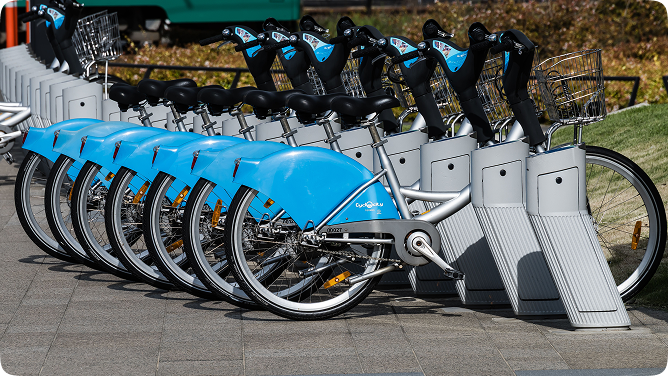
How to start a bike rental business in 2026: pick a model, budget $15,000-$40,000, insure it, and run bookings on software. A step-by-step operator guide.
Les tendances technologiques en matière de mobilité qui remodèlent les flottes urbaines en 2026 : 157 millions de trajets partagés, la télématique IA, les batteries interchangeables et leurs implications pour les opérateurs.

If your commute runs under five miles on flat city streets, a scooter almost always wins. If it’s longer, hits hills, or you actually want the exercise, a bike wins. Most “bike vs scooter” guides bury that answer under 1,500 words of hedging. Here it is up front, then the detail behind it. Both are […]
Devriez-vous utiliser une trottinette électrique pour DoorDash ? En bref : oui, si vous effectuez des livraisons en centre-ville avec des trajets généralement inférieurs à 5 km. Non, si votre zone est périurbaine, si vos trajets moyens dépassent 8 km ou si le climat est pluvieux six mois par an. La réponse détaillée dépend de votre situation : livreur DoorDash […]
Demandez à la plupart des gérants d’agences de location de voitures de luxe d’où viennent leurs revenus, et ils vous répondront : les week-ends. Séances photo d’anniversaire, enterrements de vie de garçon, influenceurs Instagram. Cette demande est bien réelle, mais c’est aussi le segment de marché le plus concurrentiel, le plus saisonnier et le plus sensible […]

Micro-mobility payments are the systems that collect, process and settle rider fees on shared scooter, e-bike and moped services. They cover payment methods such as card, wallet and QR, processor fees, payout timing, and multi-currency support for operators running in more than one market. Your scooters are on the street, riders are unlocking them, […]

Watch a line of cars idling through a downtown intersection and the case for micro mobility makes itself. A single e-bike does that same short trip in a fraction of the space, at a fraction of the cost, with none of the tailpipe. The global micro-mobility market is on track to reach $75.85 billion by […]
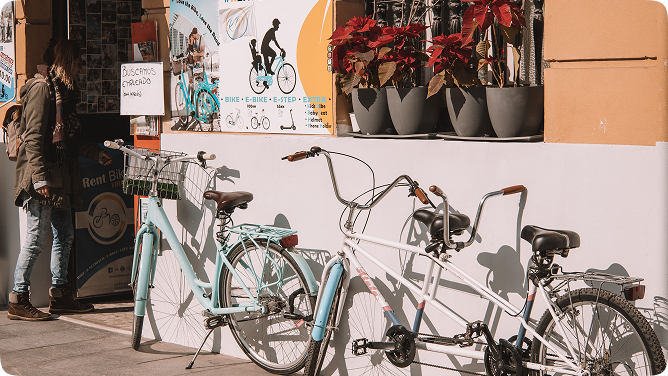
Plenty of founders start with a goal. Launch by summer. Expand to three cities. Become the next Lime. But without a plan, good ideas end up stranded next to the dead batteries and bent kickstands. Here’s the thing: you don’t need a 40-page document that collects dust. You need a working plan that helps you […]
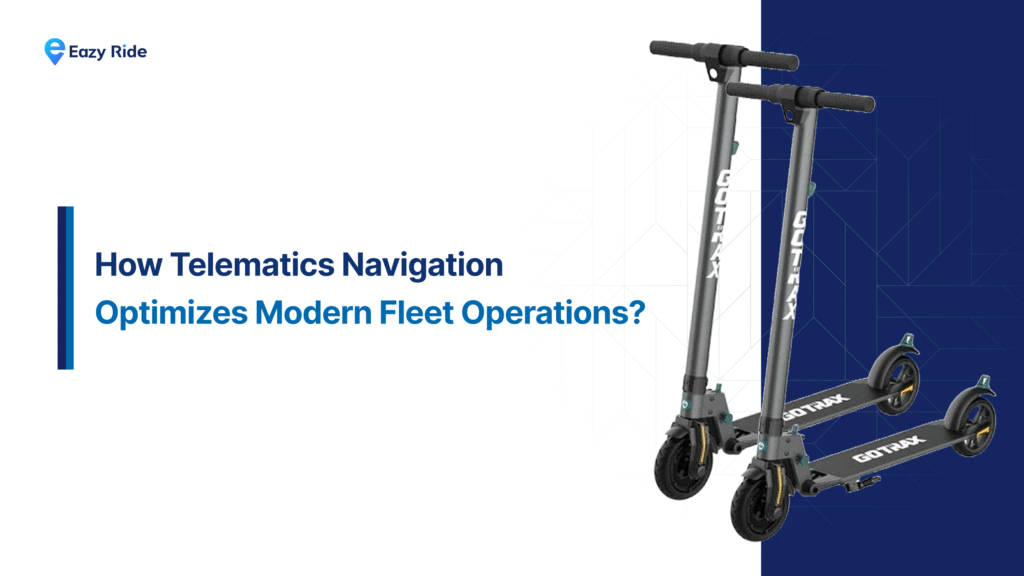
Most shared mobility operators have telematics data. Far fewer use it to make daily routing and rebalancing decisions. The gap between “we collect GPS pings every 15 seconds” and “we routed the service van around the gaps this morning” is where the actual margin lives, and it’s a workflow problem, not a hardware problem. […]
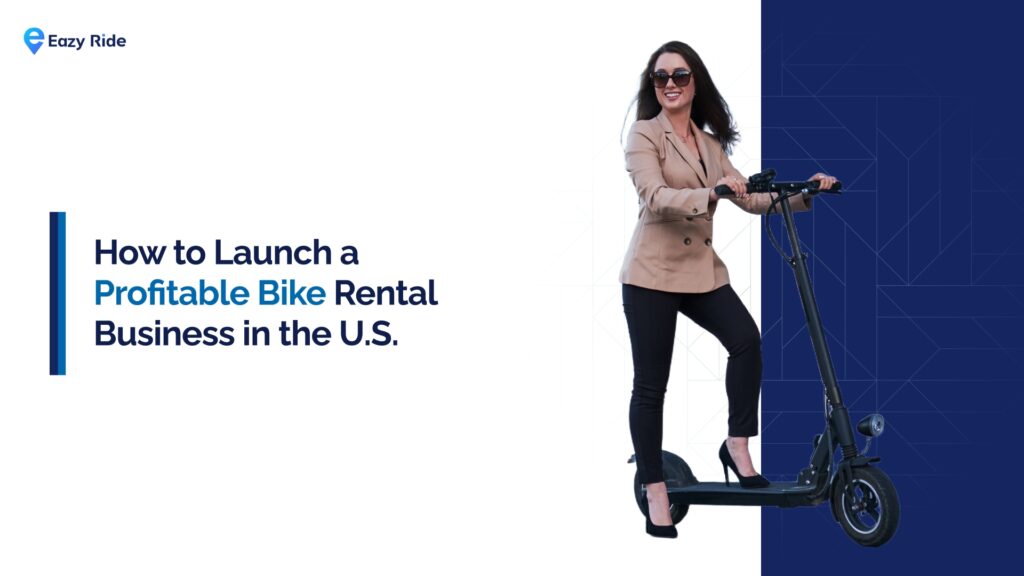
The 415 U.S. cities running shared micromobility programs in 2024 didn’t all build their own software. Most picked white-label platforms, signed permit deals with local DOTs, and went live with 50 to 200 bikes. The barrier to entry isn’t the bikes anymore. It’s planning around demand, permits, and operational discipline. If you’re scoping a […]


