
 Analyses et recherche

 22 September, 2026
 Golf Cart Fleet Software: The Operator’s Guide to Running a Connected Fleet
A resort in Goa running 30 golf carts across guest transfers, staff routes and airport pickups usually has one honest answer to “where is cart number 14 right now?” Nobody knows. Someone walks the property to find it. Golf cart fleet software replaces that walk with a live map, and it does far more than show dots moving around a screen.
This guide explains what the software actually is, what it manages day to day, and how to tell whether the setup you have now is quietly costing you money. It’s written for the people who run these fleets: resort and hotel managers, gated-community operators, campus transport teams, and course superintendents.
Key Takeaways
- Golf cart fleet software tracks every cart in real time.
- Geofencing can cut parking violations up to 40%.
- Maintenance and battery alerts reach your team automatically.
- One dashboard runs resort, campus and community carts.
- Most EazyRide deployments go live within 14 days.
What Is Golf Cart Fleet Software?
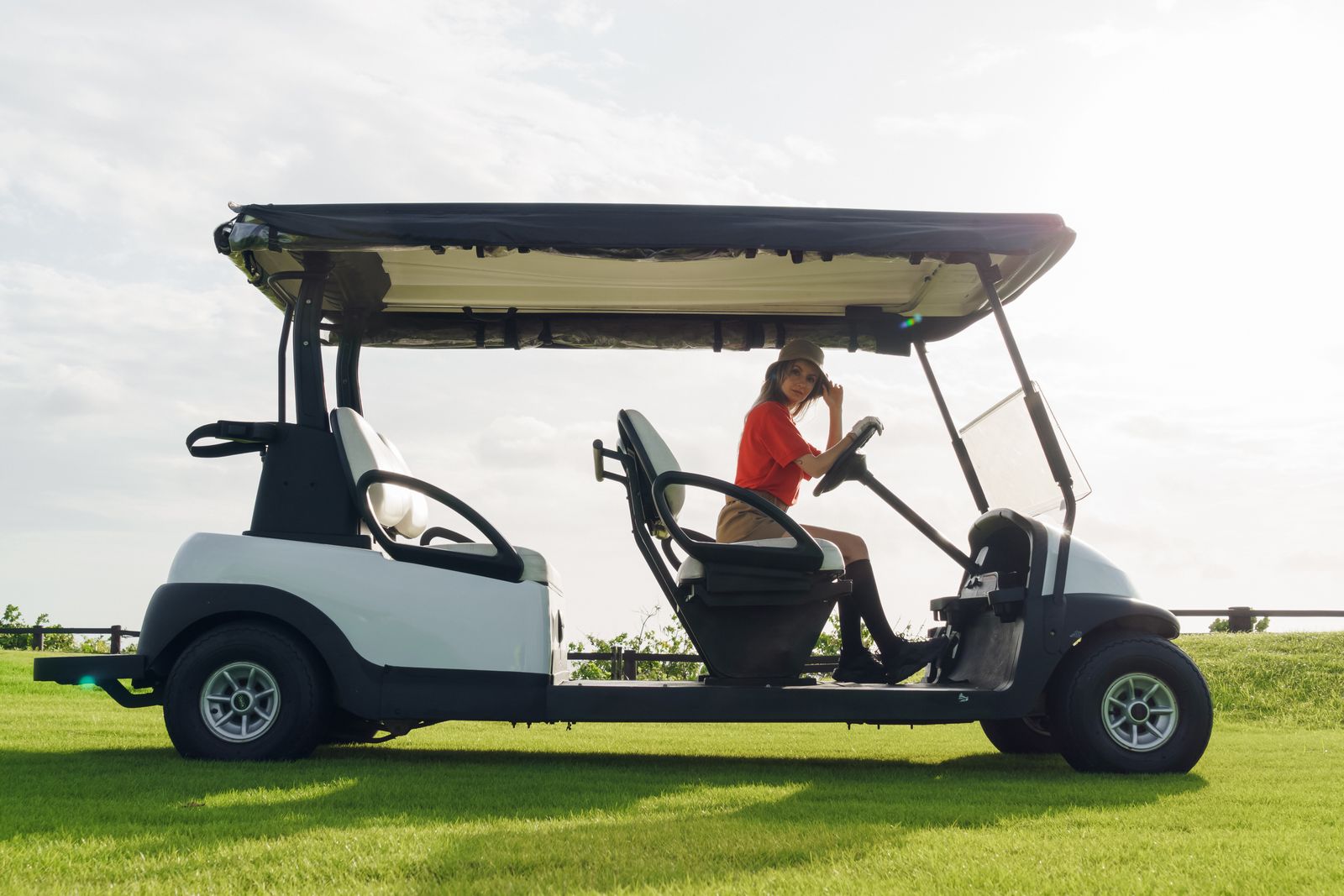
Golf cart fleet software is a system that tracks, controls and maintains a group of golf carts from a single dashboard. It combines live GPS location, remote lock and unlock, boundary rules, usage data and maintenance alerts, so one person can oversee dozens of carts without leaving their desk.
The difference between this and a spreadsheet is control. On a connected platform, you set a no-drive zone or a speed cap and the rule pushes to every cart in real time, with no firmware update and no manual visit to each vehicle. Operators using geofencing zones this way report up to 40% fewer parking and boundary violations than they saw with manual enforcement.
The market is pushing operators in this direction. The global golf cart market reached USD 2.32 billion in 2025 and is projected to hit USD 3.24 billion by 2031 (Mordor Intelligence, 2025). More carts on more properties means the whiteboard-and-radio method stops scaling somewhere around 20 vehicles.
Live GPS Tracking Across Your Whole Fleet
The feature every operator asks about first is location. Where are the carts, and where have they been? A live map answers both, showing each cart’s real-time position and its route history for the day.
That visibility does three practical things. You recover a stray or stolen cart quickly instead of writing it off. You confirm a driver stayed inside the allowed area. And you see which carts sit idle for hours, which is data most operators never had before. Live tracking is the same core technology behind IoT-based fleet tracking across scooters and bikes, applied to a slower, heavier vehicle.
GPS tracking also pays for itself faster than most operators expect. In one 2025 survey of fleet professionals, average fuel savings from GPS tracking doubled from 8% to 16% between 2021 and 2025, and 47% of fleets reached a positive return on investment in under a year (Verizon Connect, 2025). Electric carts skip the fuel line, but the utilization and maintenance savings still land.
Daily Operations, Handled From One Screen
Tracking is the entry point. The daily value is in what the software automates once the carts are connected.
Maintenance is the clearest example. Instead of running carts until one dies mid-shift, the system watches battery health and service intervals and alerts your team before a cart strands a guest. Battery-swap and charging routing tells the field crew which vehicle to reach first. For a fleet that mixes cart ages, this alone removes most surprise downtime.
The same dashboard can run more than golf carts. A single account manages e-scooters, e-bikes and mopeds alongside your carts, with no separate login per vehicle type. A campus that runs buggies for staff and e-bikes for students sees both in one place. If you want to see how that central view is structured, the single fleet management dashboard is where pricing, zones, users and analytics all live.
Would your current process survive losing the one person who knows where everything is? A connected dashboard keeps that knowledge in the system, not in someone’s head.
Problems a Connected Fleet System Solves
Most operators buy software to fix a specific pain. Three come up again and again.
Theft and unauthorized use. A cart that leaves its zone, or moves at 2 a.m. when nobody booked it, triggers an alert. Remote lock stops a cart from being driven off, and the live map shows you exactly where it went. You stop losing vehicles to guests who “borrowed” one and never brought it back.
Time lost to manual processes. Walking the property to find carts, phoning drivers, logging mileage by hand, reconstructing who used what: all of it collapses into the dashboard. That recovered time is the quiet win operators underrate before they switch.
Revenue and budget left on the table. Here’s the part most guides skip. Theft is visible, so everyone fixes it first, but idle carts cost more over a year and nobody sees them without data. When the software shows that 8 of your 30 carts run less than an hour a day, you can right-size the fleet, move carts to busier sites, or delay a purchase you didn’t need. Before you buy more vehicles, it’s worth using that utilization data to run a fleet cost analysis on the carts you already own.
Built for Every Type of Cart Operation
Golf carts stopped being only about golf a long time ago. The software has to fit whichever operation you run.
Resorts and hotels use carts for guest transfers, luggage and grounds staff, often across a large property where a lost cart means a delayed check-in. Gated communities and townships run shared carts for residents, where boundary enforcement matters most. Campuses, hospitals and industrial parks move staff and visitors along fixed internal routes. And course operators still need the classic round-management view.
India is a live example of this spread. The India golf cart market reached USD 208.2 million in 2025 and is projected to grow to USD 302.1 million by 2034 (IMARC Group, 2025), driven far more by resorts, gated communities and large campuses than by golf courses. If you’re building a paid service around these carts, the mechanics of pricing, permits and fleet sizing are covered in this guide to starting a golf cart rental business.
Running carts across a resort or campus and still tracking them on a whiteboard? A 30-minute fleet review will show you what live tracking actually changes. Book a free demo with EazyRide.
Signs Your Current Setup Is Holding You Back
If you already have some kind of tracking or rental tool, the question is whether it still fits. A few signs it doesn’t:
- You need vendor support to change a price, a zone or a speed limit.
- Your IoT hardware stops reporting whenever a manufacturer pushes a firmware update.
- Compliance or safety-zone changes take more than a day or two to apply.
- You can’t manage carts and any other vehicle type without a second account.
- Your field crew uses a different tool from your operations team.
Any two of those together usually means the platform is capping how big or how efficient your operation can get. Switching feels heavy, but most operators run a two-week parallel period where the old system stays live while the new one is configured, so there’s no blackout. Export your vehicle records, usage history and user accounts cleanly before you sign anything.
How to Choose Golf Cart Fleet Software
Once you know you need a platform, comparison comes down to a short list of questions.
Does it give you real-time GPS and remote lock on the carts you actually own? Can it push zone and pricing rules instantly without a firmware update? Does it support your hardware out of the box? A platform that already integrates 10 or more IoT hardware brands saves you weeks of custom work. Can it grow into other vehicle types so you aren’t buying a second system in a year?
Then there’s cost, which usually splits into two models. A per-ride revenue share looks cheap at launch and gets expensive as volume grows. A flat per-vehicle license costs a little more early and usually wins by year two. It’s the same trade-off operators weigh when they compare the top fleet management platforms, and the right answer depends on your ride volume, not on the sticker price.
Deployment speed is the last thing people check and often the one that matters most. A typical rollout goes live within about two weeks once the carts and IoT units are on-site and configured, so you’re not paying for software months before it earns anything. That’s roughly what EazyRide’s golf cart fleet software targets for a standard fleet.
Frequently Asked Questions
What is fleet software for golf carts?
Software that tracks, locks and maintains a group of golf carts from one dashboard, giving operators live GPS location, geofencing, usage data and automated maintenance alerts.
How does GPS tracking help a cart fleet?
Live GPS shows each cart’s location in real time, so you recover strays fast, enforce boundaries with geofencing, and spot idle vehicles that quietly hurt utilization.
Can one system manage different vehicle types?
Yes. A multi-vehicle platform handles golf carts alongside e-bikes, scooters and mopeds in a single account, so you avoid separate logins and duplicated reporting.
When can a new fleet go live?
Deployment depends on fleet size and hardware readiness, but a typical rollout goes live within about two weeks once carts and IoT units are on-site and configured.
Is flat licensing cheaper than revenue share?
Often, yes. Flat per-vehicle licensing usually costs less than a per-ride revenue share once your fleet passes a few dozen active carts.
The Bottom Line
The operators who get the most from this software aren’t chasing the flashiest feature. They wanted to answer three plain questions: where is every cart, which one is about to break, and which ones aren’t earning their keep. A connected system answers all three from one screen, and that’s what turns a pile of carts into a fleet you actually run.
Tell us your fleet size, your sites, and your biggest headache, and we’ll show you exactly what a connected setup looks like for your operation. Book a Free EazyRide Demo.


