
 AllMicro Mobility Model

 19 June, 2025
 How to Start an Electric Bike Rental Business
Ever thought about turning a set of e‑bikes into a full‑blown business? You’re not imagining things; the opportunity is real.
In the U.S., the e-bike rental market is projected to grow to approximately USD 6.1 billion by 2033. At the same time, the broader global e‑bike market was valued at roughly USD 61.94 billion in 2024 and is expected to reach USD 165.69 billion by 2034.
What that means for you: There’s strong demand for electric bike rentals, especially in tourist hotspots, campuses, and cities with growing infrastructure. And if you act now, you can ride this growth wave.
This guide will show you exactly how to launch an electric bike rental business, covering everything from model selection to operations, revenue potential, and growth strategy.
Key Takeaways:
- The e-bike rental market is projected to reach USD 165.69 billion by 2034. The demand for e-bikes is soaring, presenting a huge opportunity.
- With lower maintenance costs compared to traditional vehicles, your fleet can scale quickly and profitably.
- With cities investing in bike-friendly infrastructure and eco-conscious commuters on the rise, the timing for entering the e-bike rental market couldn’t be better.
- From real-time tracking to compliance tools, EazyRide’s platform makes operations simple, enhancing efficiency and reducing downtime.
What Makes Starting an Electric Bike Rental Business Tough?
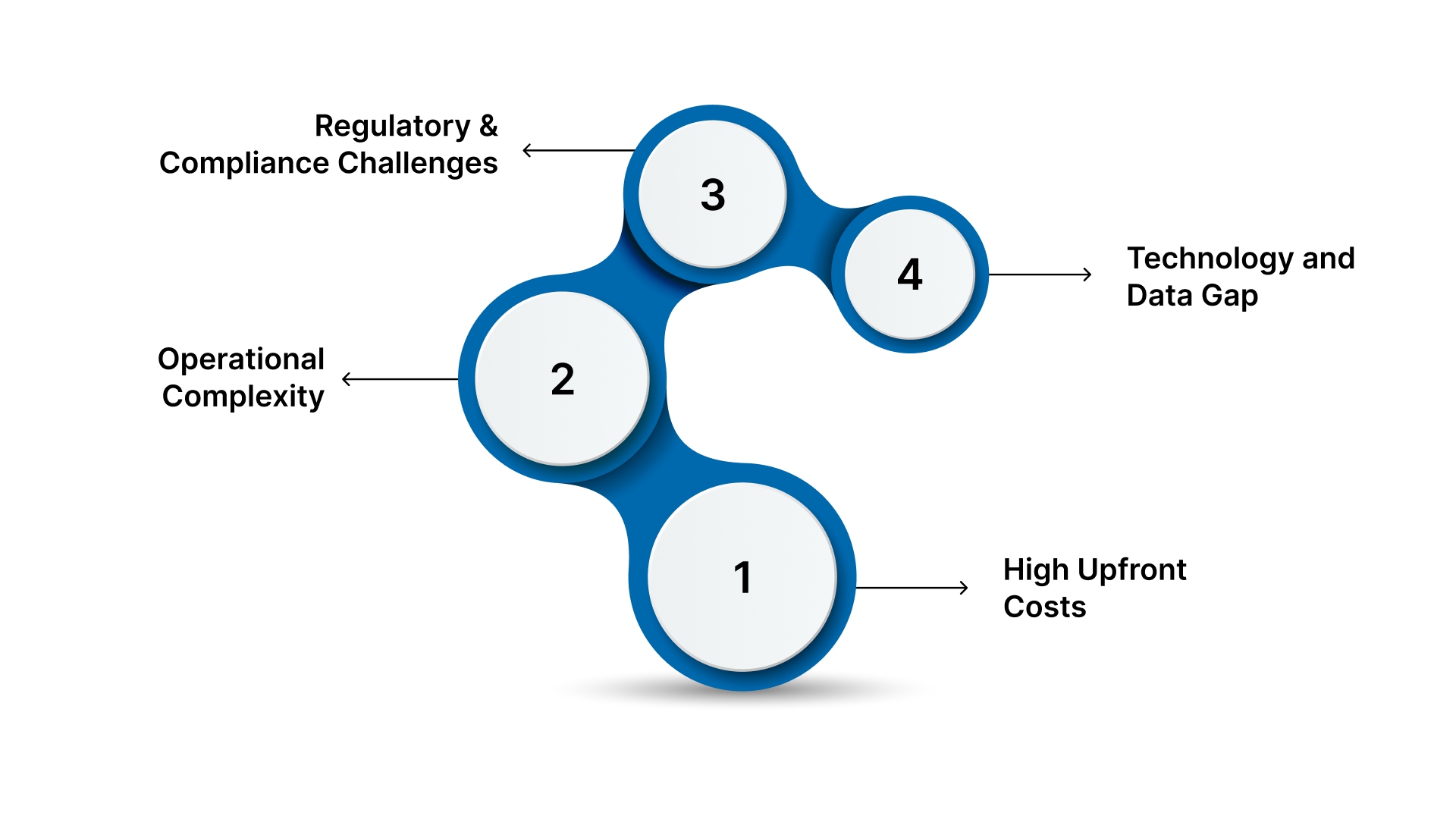
Starting your own electric bike rental business sounds exciting, but the reality involves real‑world hurdles you’ll have to clear.
High Upfront Costs
Launching a small fleet of 15‑25 e‑bikes can cost between USD 50,000 and 100,000, covering bikes, booking software, insurance, and initial marketing. Each e‑bike alone typically costs USD 1,500 to 8,000, depending on model, quality, and battery system.
Operational Complexity
Once you’re live, you’ll face:
- Rebalancing bikes to high‑demand spots
- Ensuring all bikes are charged, maintained, and ready
- Tracking usage and losses without tech support
An upsurge in e-bike usage is evident in North America, with e-bikes now accounting for 39% of the shared bike-share fleet. That means increased competition and higher expectations for availability and reliability.
Regulatory & Compliance Challenges
Local rules can shift fast: permits, geo‑fenced zones, speed limits, and insurance requirements vary significantly by city. Without a strong system in place, you risk extra cost, delays, or even suspension of your operation.
Technology and Data Gap
Managing your fleet without a centralized tech stack can lead to higher downtime and poor user experience. For example, in shared micromobility systems, e‑device usage saw the fastest growth yet often lacked real‑time tracking at scale.
Is it the Right Time to Start an Electric Bike Rental Business?
Absolutely!
Urban commuters and tourists are increasingly choosing e‑bikes as flexible, eco‑friendly options. Cities like New York, Denver, and San Francisco have expanded protected bike lanes and introduced e-bike incentive programs, while European hubs such as Paris and Berlin are integrating e-bikes directly into their citywide mobility plans.
These investments, such as more bike lanes, improved charging access, and pro-micromobility policies, are making operational conditions far more favourable for e-bike rental businesses. And as more riders shift from conventional transport to electric options, improved reliability and visibility mean your rental business becomes not just timely, but increasingly relevant.
Also Read: Are E-Bikes Street Legal?
Earning Potential for Electric Bike Rental Business Owners
When done right, an electric bike rental business can deliver strong returns, but several key factors determine how high your earnings can go.
In a high‑traffic urban or tourist area, if you run a fleet of 50 e‑bikes, and each bike earns just USD 20 per day, you’re looking at about USD 1,000 per day, or roughly USD 365,000 annually, before costs.
However, factors that can impact profitability include:
- Location & demand‑ Urban centers, tourist zones, or campuses boost usage and pricing.
- Fleet size & uptime‑ More bikes + higher uptime = better revenue.
- Pricing model & add‑ons‑ Hourly rentals, subscriptions, and corporate deals increase yield.
- Efficient operations & tech stack‑ Lower maintenance, smarter deployments, quicker turn‑rounds keep margins healthy.
So, for small fleets in good locations, annual revenues of USD 100,000‑300,000 are possible. For larger operations in prime markets, with 100+ e‑bikes and strong utilization, scaling past USD 500,000‑1 million annually is plausible.
Also Read: Vehicle Rental Industry Market Trends and Future Forecast
Now that you understand what your earning potential looks like, let’s walk through the exact steps to launch your electric bike rental business effectively.
How to Start an Electric Bike Rental Business: A Step-by-Step Guide
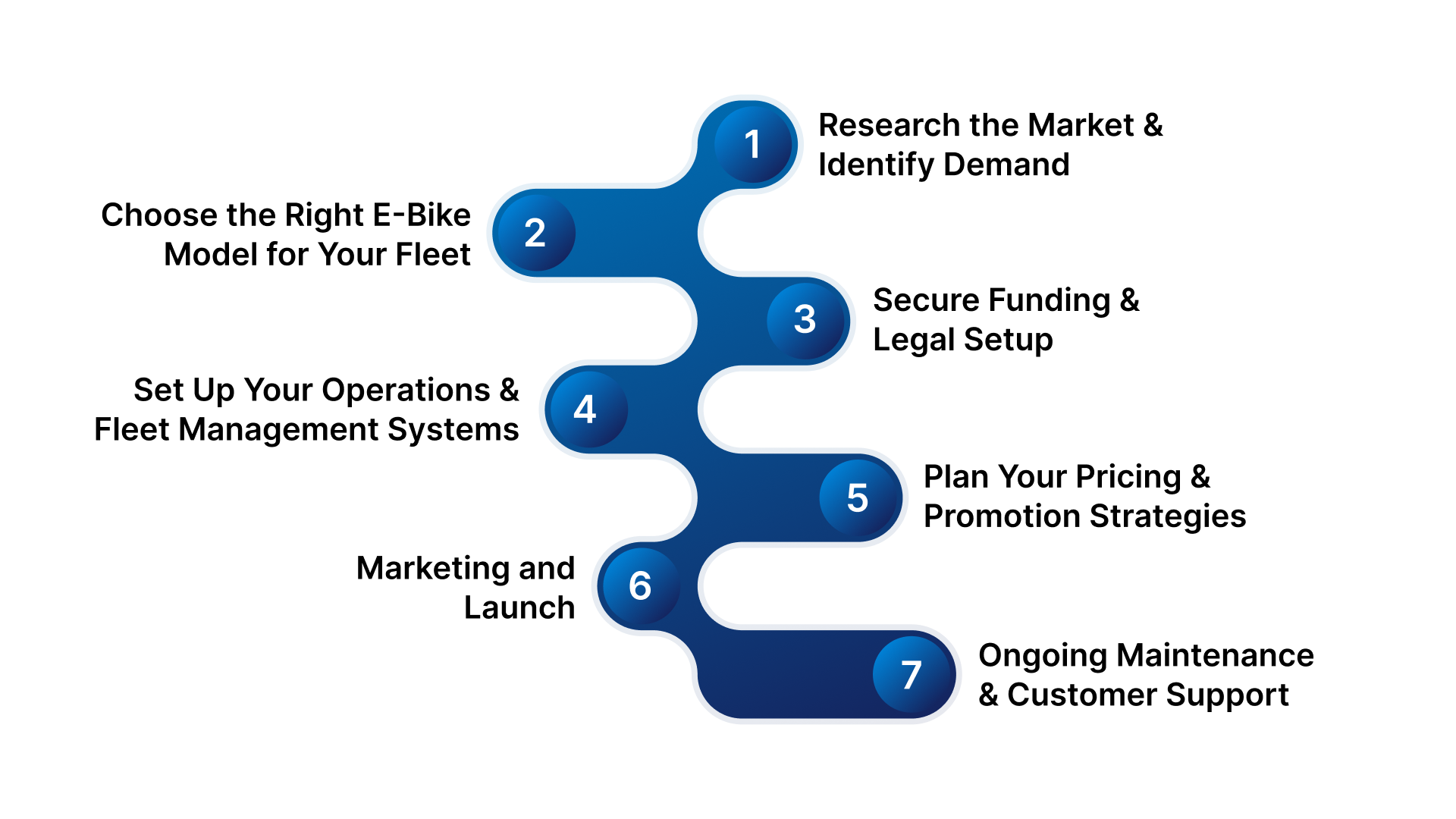
Starting your own electric bike rental business can be incredibly rewarding, but to ensure success, it’s important to follow a structured approach.
Here’s a step-by-step guide to help you launch your e-bike business efficiently:
Step 1: Research the Market and Identify Demand
Before making any investment, thoroughly research the local market. Understand consumer behavior, evaluate existing competition, and identify where e-bike demand is high. Consider these factors:
- Urban areas, tourist destinations, universities, and business districts are high-demand zones.
- Study seasonal trends. Local events or tourism peaks can significantly impact your business.
Step 2: Choose the Right E-Bike Model for Your Fleet
The next step is to select the right e-bikes for your fleet. Focus on:
- Durability and battery life: Long-lasting bikes with reliable batteries are crucial for minimizing maintenance and ensuring consistent performance.
- Model selection: There are several e-bike types, including city bikes, fat tire bikes, and mountain bikes, depending on your location and customer needs. In urban areas, city e-bikes are usually more popular.
- Cost-effectiveness: Consider the upfront cost of e-bikes. In many urban markets, operators aim for around USD 10 profit per rental hour as a benchmark after cost. As a result, 150 rental hours per bike will garner a substantial profit.
Step 3: Secure Funding and Legal Setup
Once you know what bikes to purchase, it’s time to focus on funding and legal requirements:
- Funding Options: If you’re short on capital, consider seeking investors, applying for loans, or using crowdfunding.
- Legal Considerations: Ensure you’re compliant with local laws. This includes acquiring permits, insurance, and any zoning approvals for your rental stations.
Step 4: Set Up Your Operations & Fleet Management Systems
Managing your fleet is essential for operational success. You’ll need:
- Charging stations: Proper infrastructure for charging your bikes overnight.
- Fleet management: Use a centralized platform for tracking bikes, real-time data on battery levels, usage, and maintenance schedules.
Step 5: Plan Your Pricing and Promotion Strategies
Setting up competitive and attractive pricing is key to attracting customers. Consider these strategies:
- Hourly, daily, or subscription-based rentals: Allow customers to rent bikes for a few hours, a full day, or offer monthly subscriptions.
- Special offers: Provide discounts for first-time users, group rentals, or longer-term commitments.
- Corporate partnerships: Offer local businesses or events a fleet of bikes as a transportation option, increasing revenue and visibility.
Step 6: Marketing and Launch
Once your operation is in place, it’s time to promote your new business:
- Website & mobile app: Make it easy for customers to find information, book bikes, and track rentals through a seamless digital experience.
- Social media marketing: Promote your service on platforms like Instagram, Facebook, and Google Ads. Run targeted campaigns around peak seasons or local events.
- Collaborations: Partner with local businesses, hotels, and tourism boards to attract new customers and promote your services.
Step 7: Ongoing Maintenance and Customer Support
Your job doesn’t end after launch. Continuously ensure that your fleet is:
- Well-maintained: Regularly service bikes to avoid breakdowns and maintain customer satisfaction.
- Rebalanced: Ensure bikes are always available in high-demand areas by shifting them based on demand patterns.
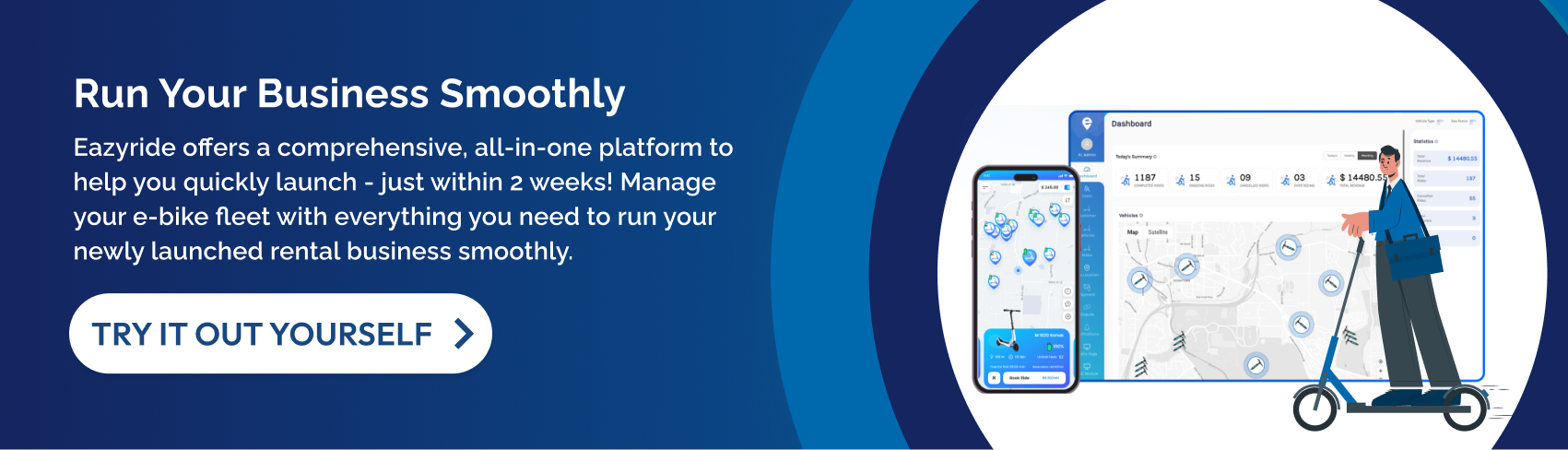
Now that you’ve got the framework for starting your e-bike rental business, let’s look at the key benefits of owning an electric bike rental business that make it such an attractive opportunity.
Key Benefits of Owning an Electric Bike Rental Business
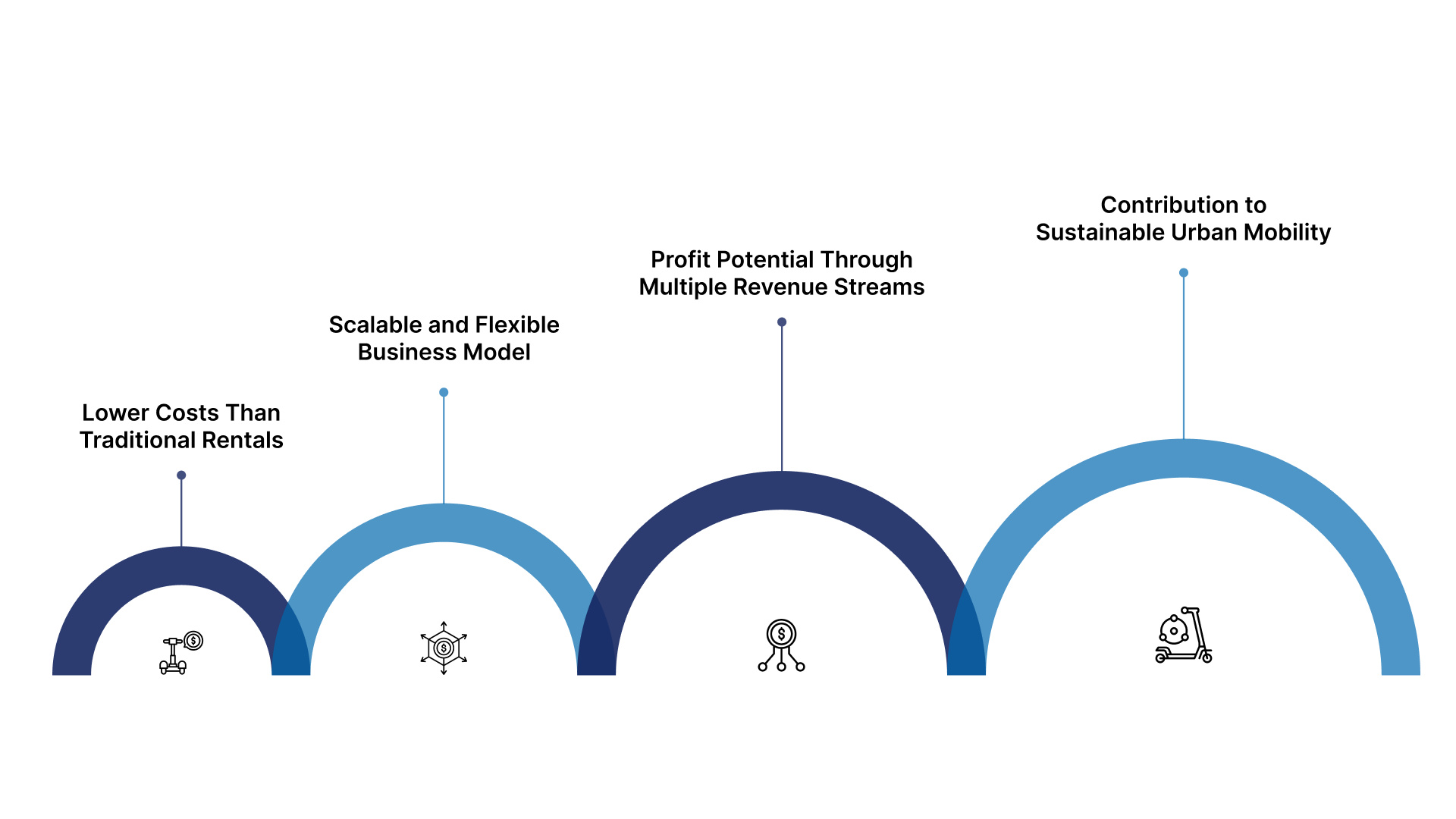
Owning an electric bike rental business offers clear advantages, especially now. With proven demand and scalable operations, it’s a smart business model.
1. Lower Costs Than Traditional Rentals
Launching an e‑bike rental operation is less capital‑intensive than car or scooter fleets. With no need for gas stations, large garages, or massive fleets of vehicles, your primary costs will be bike maintenance, charging stations, and tech infrastructure.
When scaled and optimized, your cost per device can drop further, and your ROI improves.
2. Scalable and Flexible Business Model
Because e‑bikes require minimal infrastructure compared to vehicles, you can expand quickly. Start with just a handful of bikes in a key location, and as demand increases, grow your fleet and expand to other areas.
This flexibility enables easier adaptation to market changes.
3. Profit Potential Through Multiple Revenue Streams
An electric bike rental business isn’t limited to basic hourly or daily rentals. The business model allows for multiple revenue streams, including:
- Hourly/Daily Rentals: Standard usage-based pricing for short trips.
- Subscriptions: Offering monthly or weekly passes for regular commuters or long-term users.
- Corporate or Event Partnerships: Providing fleets for local businesses, hotels, or events.
Offering subscriptions can increase customer retention and create steady revenue streams.
4. Contribution to Sustainable Urban Mobility
As cities adopt eco-friendly infrastructure and strive for reduced emissions, your electric bike rental business aligns with a growing trend toward sustainable urban mobility. Being part of the green movement can also enhance your brand image, attracting customers who prioritize sustainability.
Understanding these benefits highlights why an e-bike rental business is a worthwhile pursuit.
Also Read: Electric Vehicle as a Service: Future Trends and Challenges
Next, let’s explore how EazyRide can support you in launching and scaling this business with the right tools.
How EazyRide Can Help You Manage Your Electric Bike Rental Business?
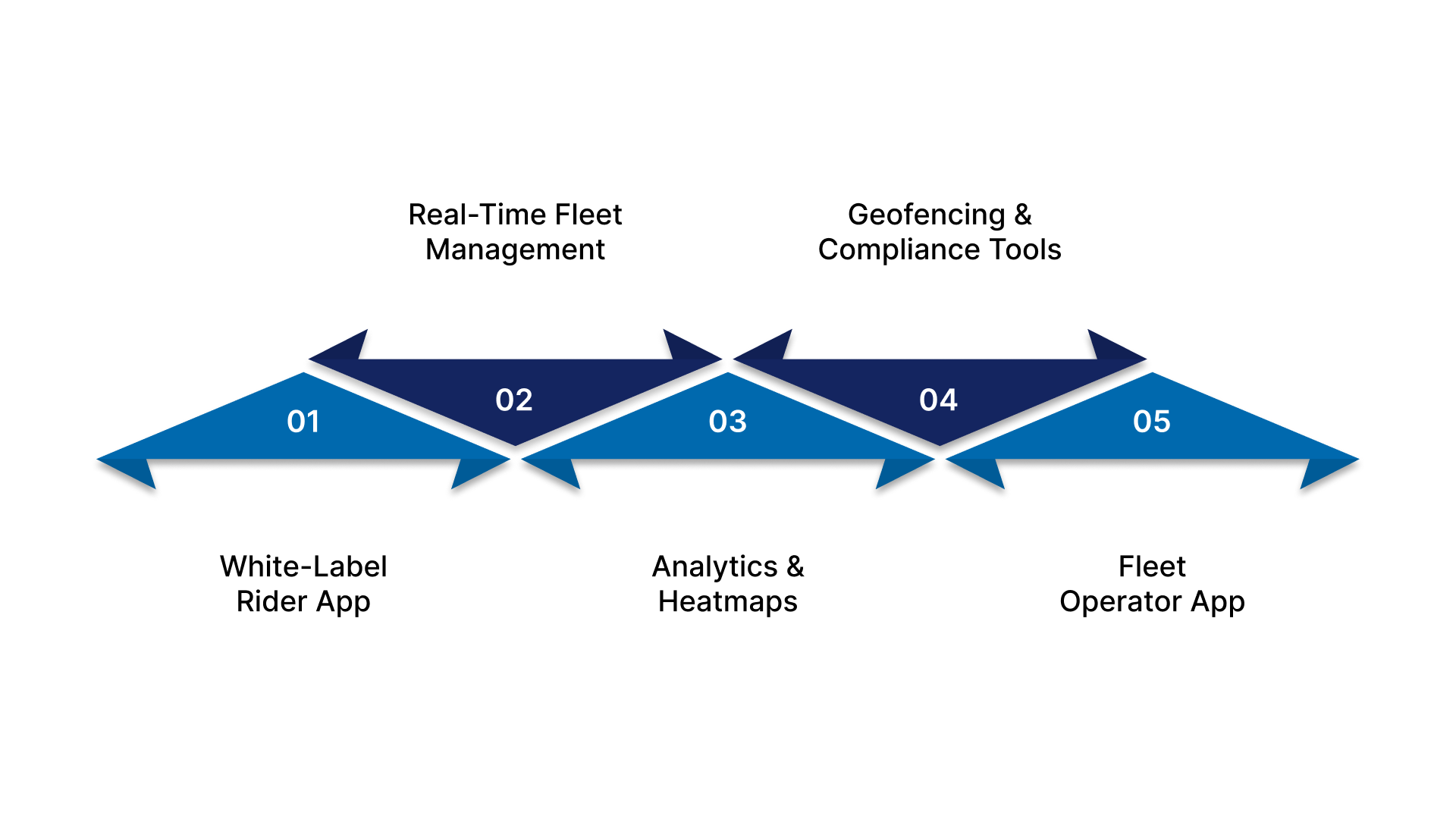
Managing an electric bike rental business involves multiple moving parts. With EazyRide, all these challenges are simplified into a seamless, all-in-one platform that streamlines your operations, enhances efficiency, and allows you to focus on scaling your business.
- White-Label Rider App: Can fully customize with your branding. You can offer a seamless, professional experience for customers while keeping your business’s identity front and center.
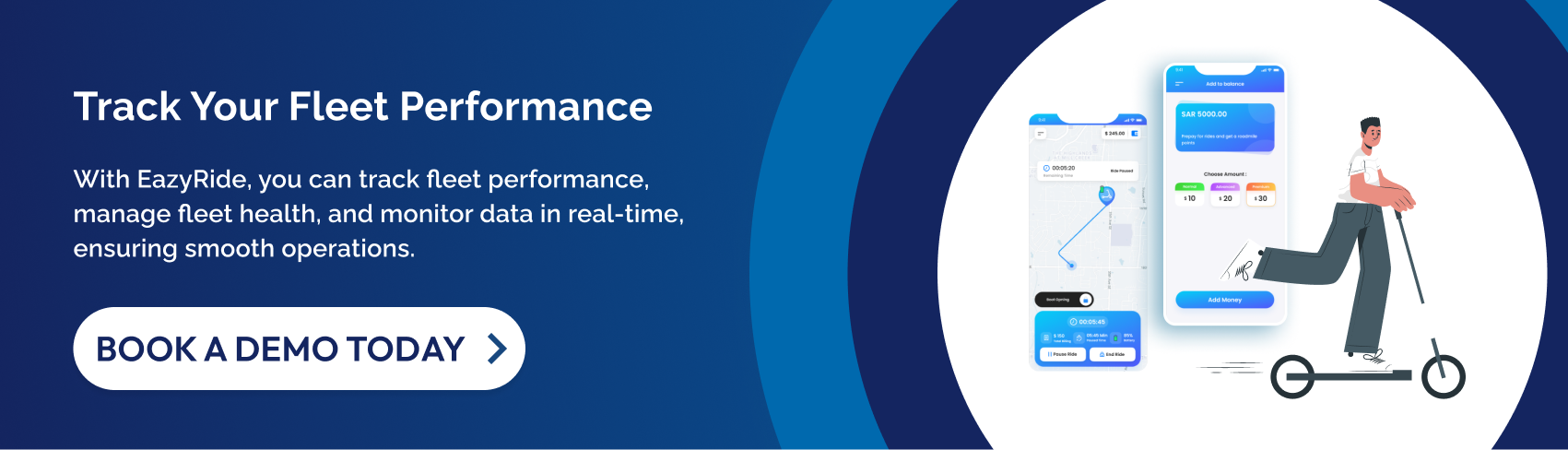
- Real-Time Fleet Management: Admin dashboard provides real-time data on all your bikes – tracking battery levels, location, and usage patterns. Optimize fleet deployment and maximize bike usage.
- Analytics & Heatmaps: Detailed analytics that help you understand customer behavior, peak demand times, and revenue patterns. You can improve fleet efficiency, increase customer satisfaction, and drive higher revenue.
- Geofencing & Compliance Tools: Ensure that your e-bikes stay within the allowed operational areas, helping you stay compliant with local regulations. You can minimize regulatory risk, ensure safe riding, and guarantee compliance.
- Fleet Operator App: Simplifies daily operations for your on-the-ground team. From rebalancing bikes to managing maintenance schedules, this app centralizes all tasks in one place.
All in all, the EazyRide features make it easier to manage, scale, and optimize your electric bike rental business.
Conclusion
The electric bike rental market is booming, and now is the ideal time to launch your own business. With the right tools, the right strategy, and a growing demand for sustainable transportation, you can turn your electric bike rental business into a profitable venture.
That’s where EazyRide can help ease your operations from day one. Whether you’re starting small or scaling quickly, EazyRide’s platform simplifies fleet management, ensures compliance, and boosts operational efficiency so that you can focus on growth.
Request a demo today with EazyRide and take the first step toward a successful e-bike rental business.
FAQs
1. What location factors most impact the success of an electric bike rental business?
High-traffic areas, such as tourist zones, campuses, and business districts, significantly increase demand. High foot traffic and bike-lane-friendly infrastructure are among the key factors contributing to the success of e-bike rentals.
2. How much should I charge per hour or day for an e-bike rental?
It depends on your market, operations, and competition. You may aim to earn approximately USD 10 per rental hour as a benchmark in urban areas.
3. What are the main legal and operational risks when starting an e-bike rental business?
Key risks include local permit and insurance requirements, geofencing and parking regulations, as well as managing fleet maintenance and minimizing downtime. These often derail new operators if not addressed early.
4. How can I make the rental process seamless for customers and boost bookings?
A quick, mobile-first booking experience is key. One strategy can be deploying QR codes at docking stations, allowing customers to “scan, book, and unlock” within minutes, thereby increasing walk-up rentals.
5. What equipment and tech do I need to scale my e-bike rental business?
You’ll need durable e-bikes, a booking and unlock app, GPS tracking, real-time fleet data, charging infrastructure, and maintenance logistics. All must be packaged into a scalable stack.


