
 AllAnalytics and research

 29 May, 2026
 Fleet Management for Shared Mobility Operators: Definition and Benefits
Fleet management is the coordination of a company’s vehicles across their working life: tracking location, scheduling maintenance, monitoring costs, and keeping vehicles compliant and available. It is usually run from a central dashboard.
Fleet management for a shared mobility operator looks nothing like fleet management for a trucking company. The vehicle is a 25-kilogram e-scooter, not a Class 8 truck. The user is a stranger who rents for nine minutes, not a salaried driver who logs hours per shift. The cost lines that matter are rebalancing van mileage, depot charging time, and parking violation fines, not fuel and engine hours. Most “what is fleet management” content online is written for the enterprise trucking case and quietly assumes everything translates. It doesn’t.
This guide is the shared-mobility-specific version. What fleet management actually means when your vehicles are shared e-scooters, e-bikes, or mopeds; what a fleet management system actually does in that context; which KPIs matter; and when fleet size justifies investing in software instead of running on spreadsheets.
Key Takeaways
- Shared fleet ops is its own thing, not trucking.
- Per-vehicle utilization is the key daily metric.
- Spreadsheet ops typically fails past 50 vehicles.
- Geofencing cuts parking violations 40% in 30 days.
- The platform pays back in roughly 6 to 12 months.
What fleet management means for shared mobility
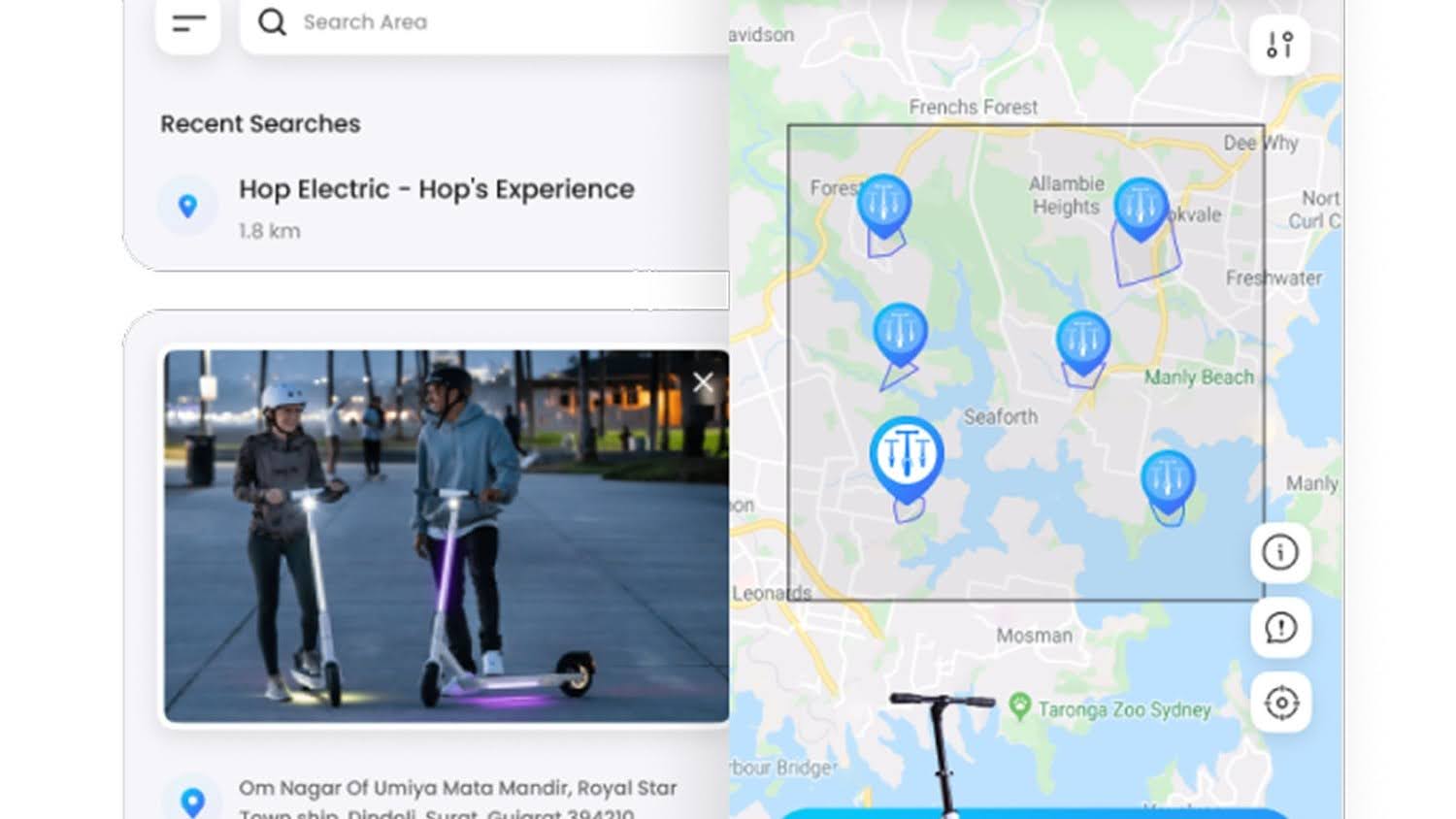
In shared mobility, fleet management is the set of practices and tools that keep a working number of vehicles available, in service, and in the right places to meet rider demand. The four core jobs:
- Availability. Knowing where each vehicle is, what its battery state is, and whether it is reservable in real time.
- Maintenance. Catching mechanical or software faults before riders hit them, and routing repairs efficiently.
- Rebalancing. Moving vehicles from low-demand zones to high-demand zones daily, ideally with minimal driver mileage.
- Compliance. Enforcing city rules (parking zones, speed limits, no-ride areas) without taking vehicles off the road.
That is the working definition. Note how different it is from trucking fleet management, which centers on driver hours, route planning across multi-stop deliveries, and fuel costs. Almost none of those translate. The shared mobility version is closer to high-frequency self-service rental than commercial logistics.
Why this matters for operators (and what fleet management gets you)
Per-vehicle daily revenue lives or dies on three things: how often the vehicle gets used, how quickly it gets back into service after a charge or repair, and how efficiently you redistribute it. Fleet management is the discipline that controls all three.
A few specific benefits that show up in the P&L:
- Cost savings on maintenance. Predictive maintenance catches issues before they escalate. A degraded brake repair caught in week one costs about $15. The same brake failure caught after riders complain costs $80 plus downtime.
- Higher utilization through rebalancing. Most operators see rebalancing van mileage drop 20-30% in the first month when they actually use real-time hex-grid utilization data instead of intuition.
- Lower compliance friction. Cities increasingly require structured parking and speed-zone compliance. Operators using EazyRide’s geofencing module report up to 40% fewer parking violations versus manual enforcement, with most of the gain in the first 30 days.
- Faster scaling. Fleet management software lets you add vehicles without proportionally adding ops staff. That preserves the operational scale advantage you are supposed to gain at scale.
- Safer riders, fewer incidents. Driver-behavior monitoring (where applicable to scooters and e-bikes) catches risky usage patterns early.
Per G2’s 2024 fleet management software survey, 45% of US fleet managers reported a positive ROI within 11 months of adopting a fleet management platform (G2, fleet management statistics). Operators we talk to typically see the same window in shared mobility: 6 to 12 months for a fleet over 50 vehicles to justify the platform investment versus spreadsheet ops.
What a fleet management system actually does
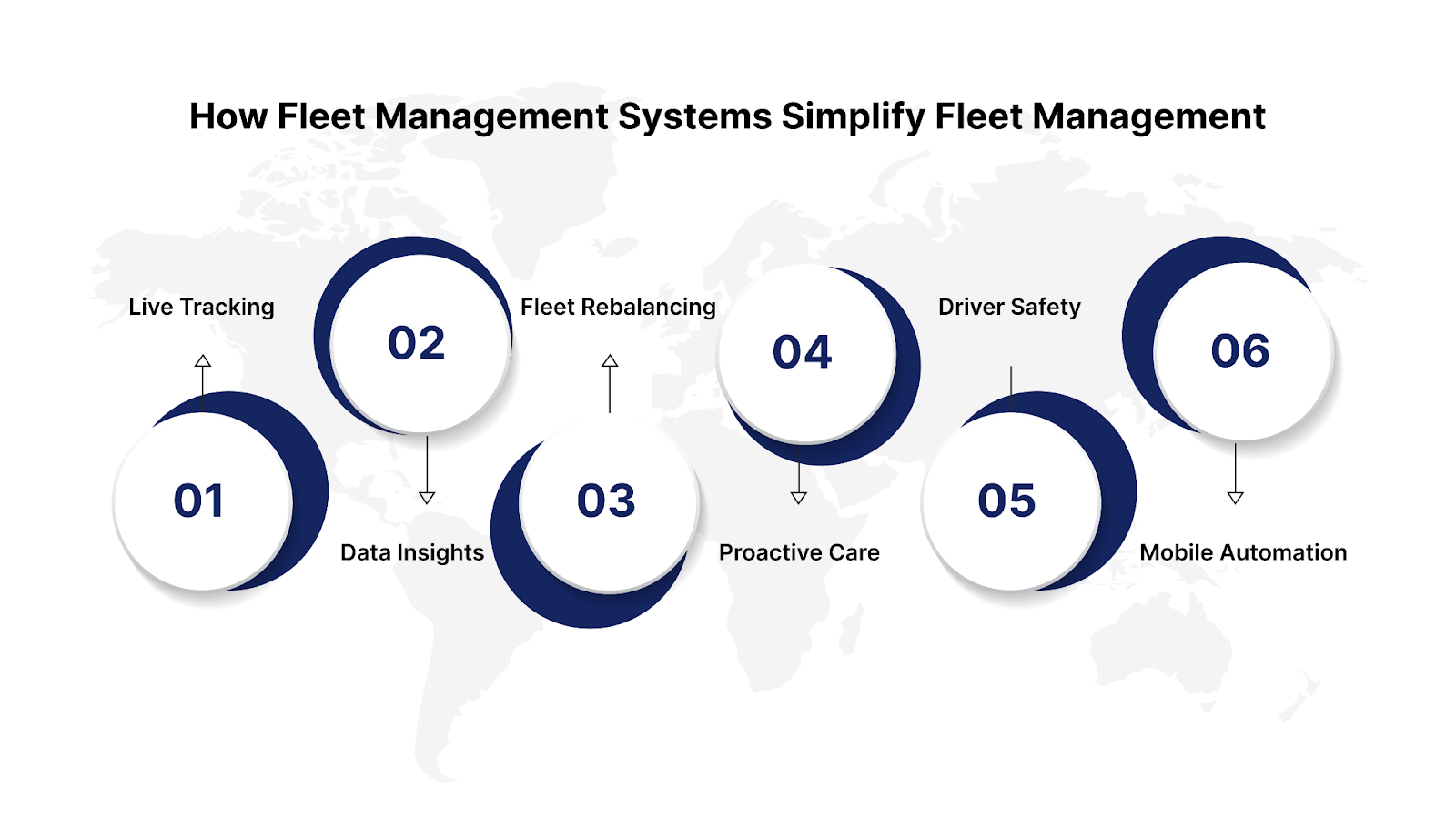
A fleet management system (FMS) for shared mobility is software that handles real-time vehicle state, rider interactions, and operator workflows in one place. The core capabilities every operator-grade FMS should cover:
1. Real-time vehicle tracking
GPS plus telemetry from the vehicle’s IoT controller, refreshed every 15 to 30 seconds. You see where every scooter is, what battery state it is in, and whether it is currently in a rental, parked, or under maintenance.
2. Data analytics for daily decisions
Per-vehicle and per-zone metrics: revenue per vehicle, utilization rate, cost per ride, parking compliance rate, maintenance ticket volume. The point is to make rebalancing and zone-pricing decisions weekly on data, not gut.
3. Rebalancing route optimization
The FMS suggests which vehicles to move where, based on real-time and forecasted demand. This is the single biggest operational lever; rebalancing van mileage is one of the largest variable cost lines in shared mobility.
4. Predictive maintenance
IoT sensors flag battery degradation, brake wear, and motor faults before riders hit them. Tickets route automatically to the closest field tech.
5. Driver and rider behavior monitoring
For shared mobility, this is mostly about geofence enforcement (zone breaches, no-park areas, speed-restricted segments) and incident detection (falls, crashes, anomalous patterns).
6. Mobile-first rider experience
App-based unlock, payment, end-of-ride photo verification, route suggestions. The FMS exposes APIs that the white-label rider app consumes; if the integration is loose, every rider-facing feature becomes a release.
A multi-vehicle FMS manages e-scooters, e-bikes, and mopeds under one admin dashboard, one billing engine, and one rider app, so a mixed-vehicle fleet does not require parallel software stacks.
When fleet size justifies a platform
This is the question operators ask most and get the least clear answer to. The honest version:
- Under 25 vehicles. Spreadsheet ops works. Buy basic GPS trackers, run a maintenance log, and reallocate weekly. Software cost is hard to justify at this scale.
- 25-50 vehicles. Spreadsheet ops still works but starts to strain. You begin missing parking violations, late maintenance flags, and underperforming zones. Plan the platform decision now; you will need it within 6 months.
- 50-100 vehicles. Spreadsheet ops breaks. The maintenance backlog, rebalancing inefficiency, and compliance friction compound faster than your ops team scales. Platform investment pays back in 6-9 months.
- 100+ vehicles. Platform is mandatory. Operators trying to run multi-city fleets on spreadsheets at this scale usually lose money on a quarter or two and switch reactively.
Most operators we talk to who delay the platform decision past 75 vehicles report that the catch-up cost (back-fixed broken processes, rider trust erosion, city complaint queues) ends up larger than the platform license would have been if they had switched at 50.
Book a free 30-minute fleet review. Bring your current fleet size and 90 days of trip data; we will walk through whether your operation needs a platform now or in two quarters. 30 minutes, no slides.
Challenges shared mobility operators actually hit
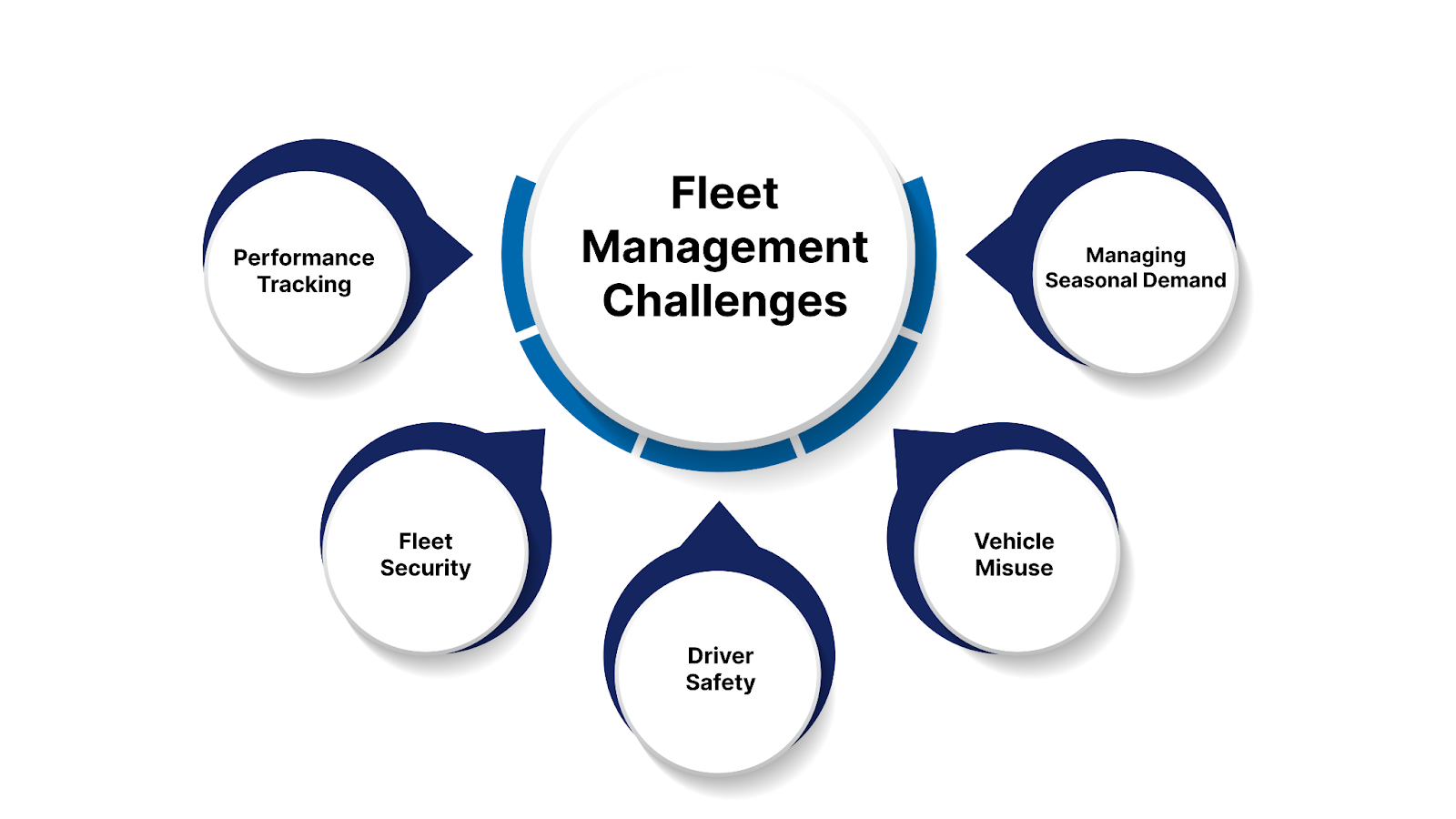
The challenges generic “fleet management” articles list (route planning, fuel costs, driver hours) do not apply. The real ones for shared mobility:
Tracking per-vehicle profitability across zones. Some vehicles in some zones earn $20 a day. Others in the wrong zones earn $4. Without zone-level revenue tracking, you cannot see the gap and you do not redeploy. Fix: insist on per-vehicle, per-zone analytics in the dashboard.
Theft and vandalism. Shared fleets typically run 3-8% annual loss from theft, vandalism, and fraud. At $500 per vehicle, that is real money. Fix: real-time GPS with geofence-breach alerts and remote immobilization.
Driver and rider safety in mixed-ability rider pools. First-time riders on stand-up scooters have a different fail rate than experienced commuters. Fix: in-app safety tutorials, geofenced slow zones in pedestrian areas, and reflective lighting on every vehicle.
City compliance and zone enforcement. US cities update no-park zones, speed caps, and reporting cadence quarterly. Manual compliance breaks. Fix: real-time geofencing that pushes zone changes to every vehicle without a firmware update.
Seasonal demand fluctuations. Tourist markets and college campuses have predictable seasonal peaks and troughs. Fix: utilization heatmaps with historical comparisons, dynamic pricing for peak hours, and the willingness to reduce active fleet count off-season instead of paying to park inventory.
What to look for in an FMS for shared mobility
The 6 capabilities below are the ones that actually move the operator P&L. If a platform vendor cannot demonstrate each one in 5 minutes of a live demo, keep shopping.
- Multi-vehicle support in one account. E-scooters, e-bikes, and mopeds under one dashboard, billing engine, and rider app. The right platform handles all three in a single account; many platforms still require separate accounts per vehicle type.
- Real-time geofencing without firmware updates. Zone changes push to every vehicle in real time, not on the next firmware cycle. EazyRide’s module reports up to 40% fewer parking violations versus manual enforcement.
- 10+ IoT hardware brand integrations. Pick the scooter or bike hardware that fits your geography. If a platform only supports two brands, you are locked into an OEM.
- Per-vehicle, per-zone P&L. Revenue, cost, utilization, and parking compliance broken down to the unit. Not just fleet-level summaries.
- 14-day go-live from contract. A mature platform should go live within two weeks of contract signing. Permits, not the platform, are usually the longer pole.
- Payment processing across US, UK, EU, and Middle East. No second integration when you expand to a new market.
FAQs
What is fleet management in shared mobility?
Fleet management in shared mobility keeps e-scooters, e-bikes, and mopeds available, maintained, rebalanced, and city-compliant through software plus field ops.
When should a fleet operator invest in software?
Most operators justify a platform investment between 50 and 100 vehicles. Below 25 vehicles, spreadsheet ops works. Above 100, platform is mandatory; manual ops breaks at scale.
What are the most important fleet management KPIs?
Track utilization (rides per vehicle per day), uptime percentage, cost per ride, parking violation rate, and maintenance ticket volume. NACTO benchmarks dockless e-scooters at 2.9 trips per day.
How long does fleet management software take to pay back?
G2 data shows 45% of US fleet managers see ROI within 11 months of adopting a fleet platform. Most shared mobility operators see payback in 6 to 12 months.
Can one platform handle multiple vehicle types?
Yes, on platforms built for multi-vehicle. The right one manages e-scooters, e-bikes, and mopeds in one account; many platforms force a separate account per vehicle type.
Fleet management for shared mobility is not a generic capability you can adopt by reading enterprise-trucking content. It is a specific set of operational disciplines and software features built for vehicles riders rent for minutes at a time. Operators who treat it as such get better unit economics, fewer city complaints, and a faster path to profitability than operators who try to retrofit generic fleet management practices to their shared-mobility business.
The decisive question is fleet size and operational maturity. Below 25 vehicles, software is optional. Above 100, it is mandatory. The middle is where most operators we talk to either invest early and grow cleanly or wait too long and pay the catch-up cost.
Book a free 30-minute fleet management review. Tell us your fleet size and we will tell you whether the platform investment makes sense for your operation now or next quarter.
Related reading


