
 AllMicro Mobility Model

 26 May, 2026
 Electric Scooter Buying Guide for Fleet Operators in 2026
You can lose more money in 90 days from one bad scooter procurement decision than from a year of bad pricing. A fleet of 100 wrong-spec scooters means batteries that brick at month nine, brakes that fail city inspection, and a maintenance bill that turns your unit economics into a slide deck nobody wants to present. Operators learn this the hard way exactly once.
This guide is for the second purchase. It walks through the scooter types that actually belong on a shared rack, the price tiers and what to demand at each, the seven specs that decide whether a vehicle is fleet-grade, and what to require from your platform vendor before you let them spec your hardware.
Key Takeaways
- Pro and consumer scooters fail on shared racks.
- Real-world range is 30-50% below brochure claims.
- Battery packs hit $99/kWh in 2025; BMS spec wins.
- Lock the platform vendor first; hardware second.
- IP55 minimum for shared fleets; IPx4 dies fast.
Scooter types that actually belong on a shared rack
A buying guide that talks about pro scooters, kids’ scooters, and mobility scooters in the same sentence as fleet vehicles is a guide written for hobbyists. Operators have a narrower list. Three vehicle classes work on a shared rack; the rest do not.
Big-wheel commuter scooters are the workhorse of urban micromobility. Wheels of 10 inches or more roll over potholes that would dump an 8.5-inch rider, decks are wide enough for two-foot stance, and the geometry is forgiving for first-time riders. This is what most operators standardize on for daily-rental shared fleets.
Light motor scooters (seated, 250W-500W) are the right answer for resort and campus deployments where rides are slightly longer and riders are mixed-ability. They carry a battery long enough for a 15-mile resort loop without depot recharge mid-shift.
Kick scooters (motor-less) still have a niche in dense tourist micro-loops where insurance, helmet, and motorized-vehicle permits make e-scooters operationally heavier than the revenue justifies. Most operators we talk to skip them, but resort and museum-campus contracts sometimes ask for them.
The rest of the categories common buying guides recommend (pro stunt scooters, kids’ three-wheel scooters, mobility scooters for accessibility) do not fit shared-fleet economics. Skip them.
Price tiers and what to demand at each

The scooter buying tier you start from is the single biggest decision in your procurement plan. Higher tiers cost more upfront but typically pay back on lower replacement frequency and higher rider satisfaction. The table below is operator-facing: it tells you what spec to demand at each price band, not which consumer model to buy.
| Tier | Per-vehicle cost | Demand at this tier | Best fleet fit |
|---|---|---|---|
| Entry-level | Under $500 | 250-350W motor, IP54+, mechanical disc brake, ≤10-mile real range, 6-month warranty min | Tourist micro-loops, low-utilization campus loops |
| Budget commuter | $500-$1,000 | 350-500W, IP55, dual brakes (disc + electronic), 12-15 mile real range, 12-month battery warranty, swappable battery | Urban daily rental, short-trip commuter fleets |
| Midrange commuter | $1,000-$1,500 | 500-800W, IP65, dual hydraulic brakes, 20+ mile real range, swappable battery, OEM IoT integration, 18-month battery warranty | Mainstream shared urban fleets, where most operators land |
| Premium commuter | $1,500-$2,500 | 800W-1500W, IP66/IP67, hydraulic brakes, 25+ mile real range, dual suspension, hot-swappable battery, multi-brand IoT | Mixed terrain, high-utilization metros, premium-brand operators |
| Fleet performance | $2,500+ | 1500W+, IP67, hydraulic brakes, 30+ mile real range, dual battery, ruggedized frame, takeback program | Hilly or large-coverage metros, multi-shift operations |
Two warnings on this table. First, do not buy consumer “elite” or “extreme performance” personal scooters (the $3,000-$7,000 trick scooters and dual-motor street machines) for a shared rack. They are not designed to survive sidewalk abuse, kerbside parking, or the kind of rider who has never ridden a scooter before. They get stolen, vandalized, and modified. Second, the price tier you pick should match your actual real-world rider behavior, not your aspirational rider behavior. Most operators overbuy at the start.
Book a free 30-minute procurement review. Bring your route data and rider mix and the team will review which tier matches your actual fleet economics. 30 minutes, no slides.
The 7 specs that actually decide a fleet purchase
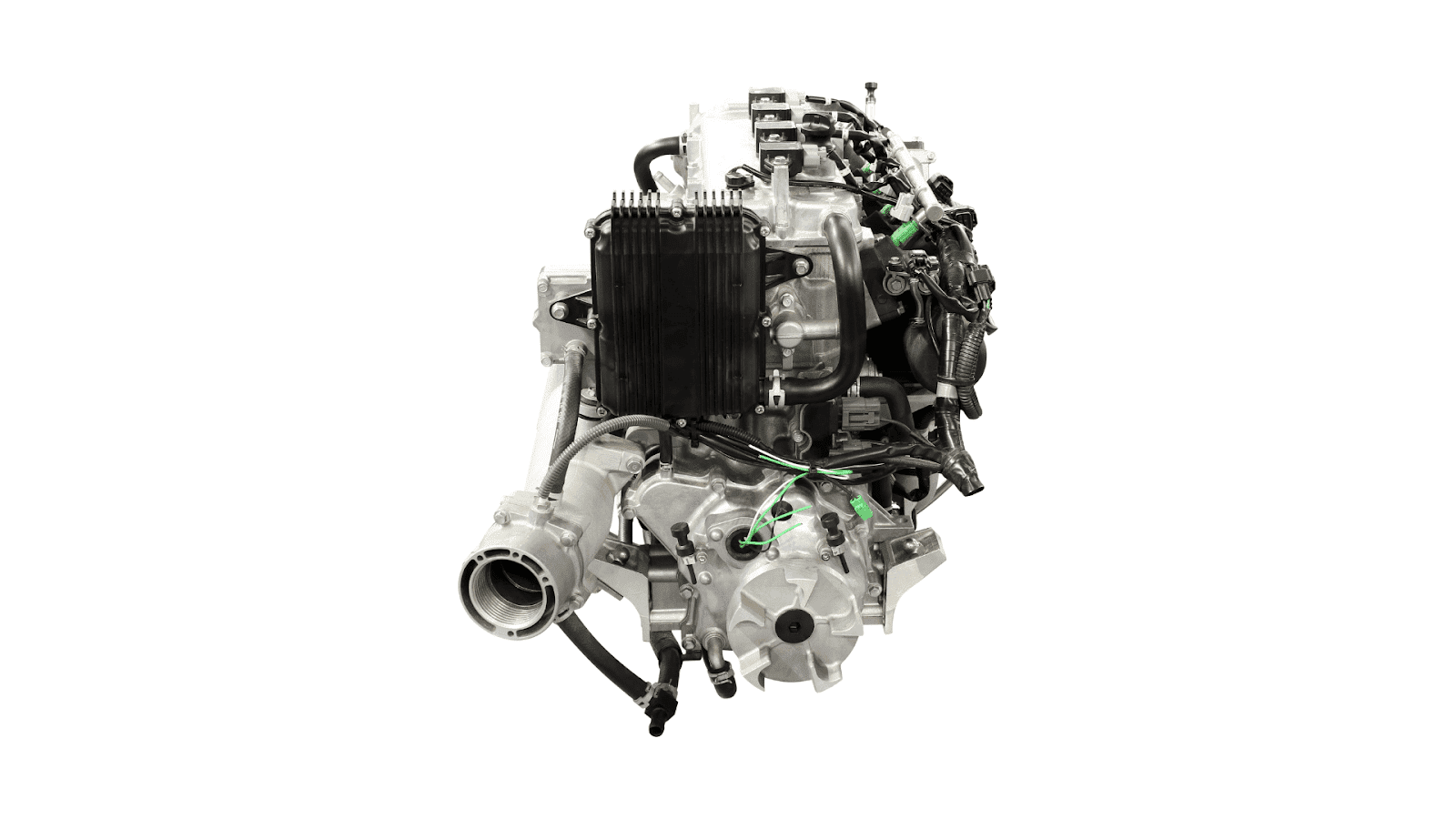
These are the only specs that matter for a shared-fleet buy. Everything else is brochure copy.
1. Battery and real-world range
Manufacturer range claims are advertising, not data. From what we’ve seen working with operator clients, real-world range typically runs 30-50% below the brochure number once you factor in rider weight (most spec sheets test with a 60kg rider), cold weather (cells lose meaningful capacity below 5°C), and the 1,000 small accelerations a fleet vehicle does that no commute test simulates.
Lithium-ion battery packs hit $99/kWh in 2025, the second consecutive year below the $100 threshold often used as the EV TCO crossover point (BloombergNEF, December 2025). Cheaper cells mean a swappable battery is now the cheapest meaningful upgrade you can spec, and a single hot-swap rack in the depot adds more daily availability than a second shift of charging.
What to demand: real-world range that comfortably exceeds your median trip distance with 30% headroom; cell-level battery management (not pack-level); a battery warranty that matches at least your minimum expected service life; and a swappable battery on any fleet over 100 vehicles.
2. Brakes and safety
Brakes are the spec a buying guide should not negotiate on. Most rider injuries in shared mobility happen at low speed in the first 30 seconds of a ride, before the rider has settled, and the variable that separates a wobble from a hospital visit is whether the brake response is predictable.
Two real safety numbers, both tier-1. About 80% of e-scooter injuries are caused by falls (JAMA Network Open), and roughly 39.8% of accidents occur at night between 10pm and 6am (BMC Injury Epidemiology). The hardware implication: dual brakes (mechanical disc on the front wheel plus electronic regen on the rear), strong front and rear lights with a high-visibility flash mode, and a reflective deck strip. Operators who skip the lights spec and run city-permit rides at night invite both insurance friction and city complaint queues.
What to demand: dual hydraulic disc brakes on any fleet vehicle above the entry tier; bright front white light visible at 50 meters; rear red light with brake-activated flash; reflective strips on the deck and stem.
3. Frame, deck, and weight
A fleet scooter spends most of its life sitting outdoors and getting picked up by a 22kg field tech in a service van. Weight matters for two reasons: rebalancing van capacity (a 200-vehicle redeployment fits in two vans only if the scooters are under about 25kg) and field-repair speed (a 35kg scooter takes two techs to lift onto a workshop stand).
What to demand: aircraft-grade aluminum frame; deck 18-22 inches long and 6-8 inches wide for stance flexibility; non-slip grip surface that survives rain; total scooter weight ideally under 25kg for daily-rental fleets, under 30kg for premium and performance tiers.
4. Motor power
For shared use, motor power is about consistency, not top speed. A 500W motor that maintains 25kph up a 5% gradient is more useful than an 800W motor that surges then throttles down because the controller is mismatched to the cells. Most cities cap shared-fleet speed at 25kph anyway, so the bigger motor is paying for headroom, not peak speed.
What to demand: brushless DC (BLDC) hub motor; 350-500W for flat-city fleets, 500-800W for mixed terrain, 800W+ only for hilly metros; speed limiter that can be set from the platform admin, not from the scooter directly.
5. Tires and suspension
A shared fleet that runs solid tires across rough urban streets pays back in maintenance savings on punctures but loses it on broken brake calipers, cracked decks, and rider drop-off from harsh ride feel. Hybrid setups (pneumatic front, solid rear) are the operator compromise that holds up.
What to demand: 10-inch wheels minimum on commuter tiers; pneumatic front tire with self-sealing inner liner; solid rear tire on dense-urban deployments where puncture rate is high; front suspension at a minimum on midrange and up.
6. IP rating and durability
The IP (Ingress Protection) rating is the spec that most operators undersize, then regret. IPx4 (the bare minimum many entry scooters carry) means “splash-resistant from any direction” which is fine for a personal scooter that gets stored indoors. A shared fleet vehicle sits outdoors through rainstorms and gets pressure-washed weekly at the depot. IPx4 dies. Demand IP55 minimum, IP65 or IP67 for any fleet running in coastal or wet climates.
What to demand: IP55 minimum for any fleet vehicle; IP65 for coastal or rainy markets; full pressure-wash compatibility documented by the manufacturer; battery IP rating equal to or higher than the frame rating.
7. Warranty and serviceability
A 6-month warranty on a vehicle you plan to run for 24 months is not a warranty, it’s a press release. Demand 12-month coverage on the frame, 18 months on the battery, and confirm in writing what parts the manufacturer will swap under warranty versus what they’ll force you to buy outright.
Serviceability is the second half of this. A scooter with a sealed battery that has to ship back to the factory is a scooter you will retire early. Demand swappable batteries, accessible motor controllers, and standard parts (the bolt pattern on the brake caliper, the cable routing on the throttle) so a third-party shop can repair the vehicle if the OEM goes quiet.
What to demand from your platform before you spec hardware
Procurement order matters. Lock your platform vendor before you commit to a hardware order, not after. The reason is simple: a hardware brand your platform cannot read is a hardware brand you cannot operate. We’ve seen operators sign a 200-vehicle hardware contract, then discover their platform only reads 40% of the device telemetry. By then the scooters are in customs.
Three platform questions to answer before the hardware order:
- Hardware brand coverage. How many IoT brands does the platform integrate with out of the box? EazyRide supports 10+ brands so you can pick the hardware that fits your geography, then add a second brand later without rebuilding the integration. If a platform only supports two or three, you’ve already lost optionality.
- Real-time geofencing without firmware updates. Can the platform push a zone change to every vehicle in real time, or does a city compliance update force a per-vehicle firmware deploy? Operators using EazyRide’s geofencing module report up to 40% fewer parking violations versus manual enforcement, almost entirely from real-time zone pushes that take effect inside an hour.
- Multi-vehicle in one account. If you might add e-bikes or mopeds to your scooter fleet next year, can the platform handle the mix under one admin login, one billing engine, and one rider app? EazyRide manages e-scooters, e-bikes, and mopeds in a single account.
Hardware specs are a procurement question. Whether your platform can actually run the hardware you bought is the question that breaks operations.
Where to buy

Once you’ve locked the spec and the platform, the procurement channel itself matters less than most buying guides suggest. The four real options:
Direct from manufacturer is the best route for any fleet over 100 vehicles. Pricing is keenest, warranty is cleanest, and you have a direct line for firmware and parts. Lead times are longer (typically 6-12 weeks from order to depot delivery), so order ahead of permit deadlines.
Specialty distributors sit between OEMs and operators. They aggregate spare parts, run repair clinics, and are useful for fleets that need fast restock of consumables. Pricing is 10-20% above direct-from-OEM but the responsiveness usually pays back.
Online B2B platforms (Alibaba, Made-in-China, regional equivalents) work for budget-tier sourcing but require an in-person inspection trip or a contracted third-party QA agent before any pallet ships. Skipping the inspection is how operators end up with a container of scooters that fail city inspection on arrival.
Brick-and-mortar retail and crowdfunding are not real fleet procurement channels. Retail is for hobbyists; crowdfunded campaigns have delivery risk no operator should carry on a permit timeline.
Two practical procurement-timing notes worth building into your order plan. First, line the hardware delivery up with your permit issuance, not the other way around. Cities issue permits on cycles, and a pallet of scooters sitting in a warehouse for six weeks waiting for a permit is a pallet that costs you depreciation, storage, and battery-cycle calendar months you can never recover. Second, place your first order at 70% of your initial deployment target, not 100%. The 30% gap covers learning what your real-world utilization actually looks like, which models perform on your specific terrain, and which hardware brand your platform handles cleanest. Add the remaining 30% as a follow-on order in month two or three. Operators who go all-in on the first order rarely buy the optimal mix.
FAQs
What’s the right per-scooter budget for a fleet launch?
Plan $800-$1,500 per scooter for an urban commuter fleet, $1,500-$2,500 for premium or mixed-terrain. Add 15-20% for spare parts and rebalancing equipment.
How long does a fleet scooter actually last?
Most fleet scooters reach end-of-life at 18-30 months of active service. Battery degradation typically retires the vehicle before frame wear does, especially on entry and budget tiers.
Should I buy one scooter brand or mix multiple?
Mix two or three brands if your platform supports it. Single-brand fleets fail in lockstep when a firmware bug or supply issue hits.
What real-world range should I expect from spec claims?
Real-world range is typically 50-70% of the brochure number once rider weight, cold weather, and stop-start city use are factored in. Always test ride before bulk procurement.
Do I need swappable batteries or fixed packs?
Swappable batteries are worth it on any fleet over 100 vehicles. They cut depot recharge time and let you keep more inventory on the street during peak hours.
The scooter buying decision looks like a hardware question and ends up as a platform question. The operators who get this right in 2026 are the ones who treat the spec sheet as a starting point, the platform integration as the actual constraint, and the procurement channel as a logistics detail. Get those three in that order and the fleet runs itself; flip the order and the fleet runs you.
Book a free 30-minute scooter and platform spec review with EazyRide. Bring the vendor quotes you’re considering and we’ll walk through which specs are worth paying for and which are sales copy.
Related reading


