
 AllMicro Mobility Model

 8 August, 2025
 Sustainable Transportation: A Comprehensive Guide
Looking to own or grow your fleet with more rides, better visibility, and a larger market share? It’s a great goal, but growth today comes with new challenges: What’s the long-term impact? How do you stay compliant as cities push for cleaner standards?
As regulations tighten and public expectations shift, it’s natural to feel a bit overwhelmed. Sustainability is becoming a bigger part of the picture, and riders are becoming more concerned about the environmental impact of their trips. City governments are setting clearer, stricter environmental goals, and investors are focusing on the future.
This guide is here to help you steer through these challenges to reduce operational costs, meet city regulations, and position yourself for success in a market moving toward smarter, cleaner mobility.
Key Takeaways
- Operators need to focus on sustainable operations as regulations tighten and demand for cleaner transport rises.
- E-scooters and e-bikes are offering low-emission, cost-effective alternatives to cars, reshaping urban transport.
- Electric vehicles cut maintenance costs, improve efficiency, and help meet stricter environmental standards.
- Fleet owners face challenges such as technology issues when scaling sustainable fleets.
- Choosing better tools can help make fleet management more efficient and sustainable.
What Is Sustainable Transportation
Sustainable transportation focuses on systems and modes of travel designed to minimize environmental impact while supporting long-term urban growth. It prioritizes low-emission vehicles and the seamless integration of transportation networks with city infrastructure.
The goal is to move people and goods in ways that preserve air quality, reduce congestion, and optimize energy use. This means adopting strategies that lower carbon emissions, cut noise pollution, and create cities that are more accessible and people-friendly.
Practical actions like transitioning to electric vehicles and using data to manage usage patterns help build resilient transportation systems that align with the changing needs of both cities and riders.
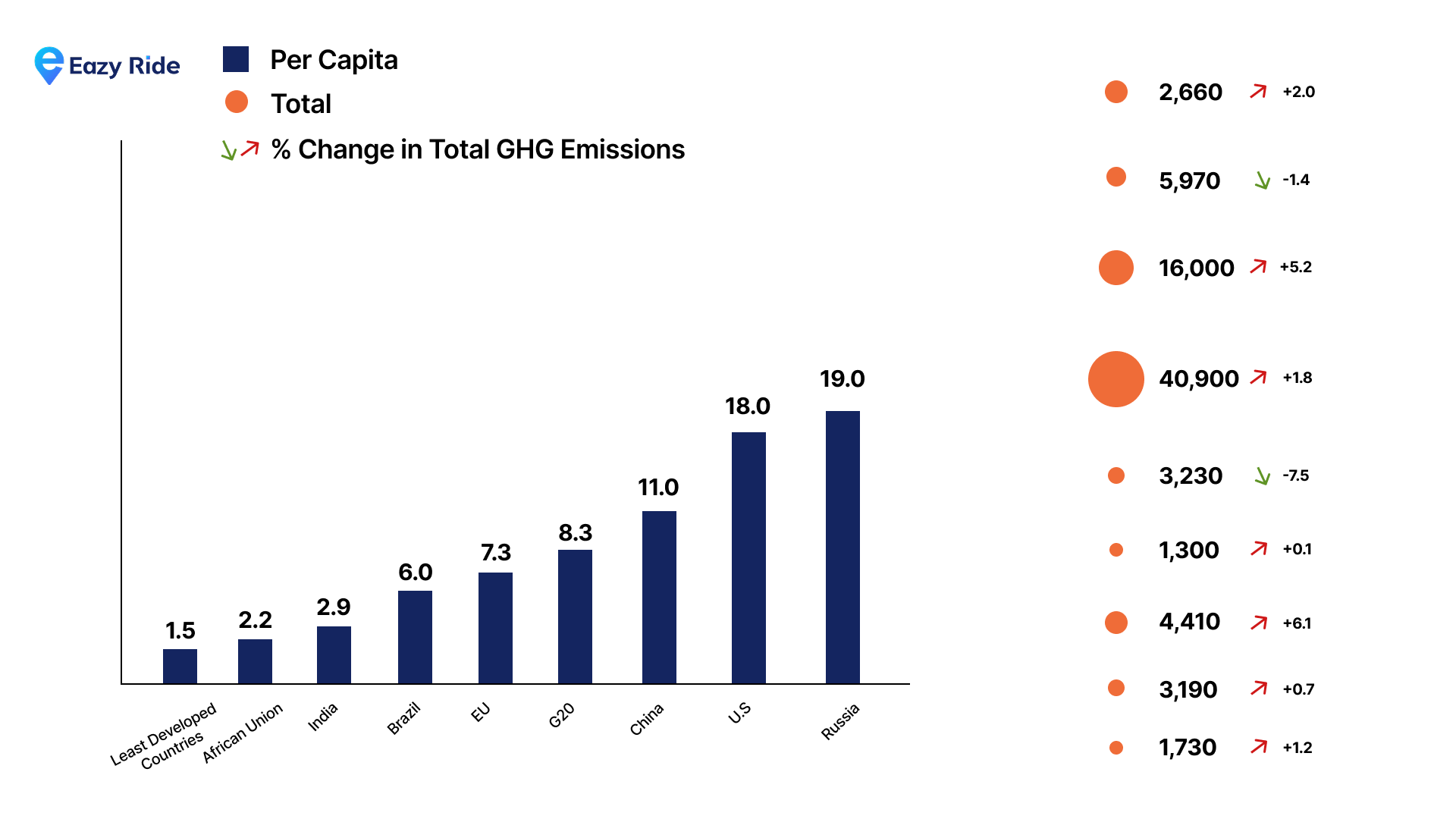
Source: Statista
As highlighted by data, the U.S. is the second-largest emitter of greenhouse gasses globally. This reinforces the urgent need for sustainable practices, particularly in transportation, to address high per capita emissions and contribute to broader environmental goals.
Suggested Read: 12 Effective Strategies for Sustainable Transport Planning
Key Drivers Behind the Shift to Sustainable Transportation
Transportation accounts for 28% of global greenhouse gas emissions in the U.S., making it a key focus in the push for sustainability. As urban populations grow and congestion worsens, cities are increasingly looking for ways to reduce pollution and improve mobility.
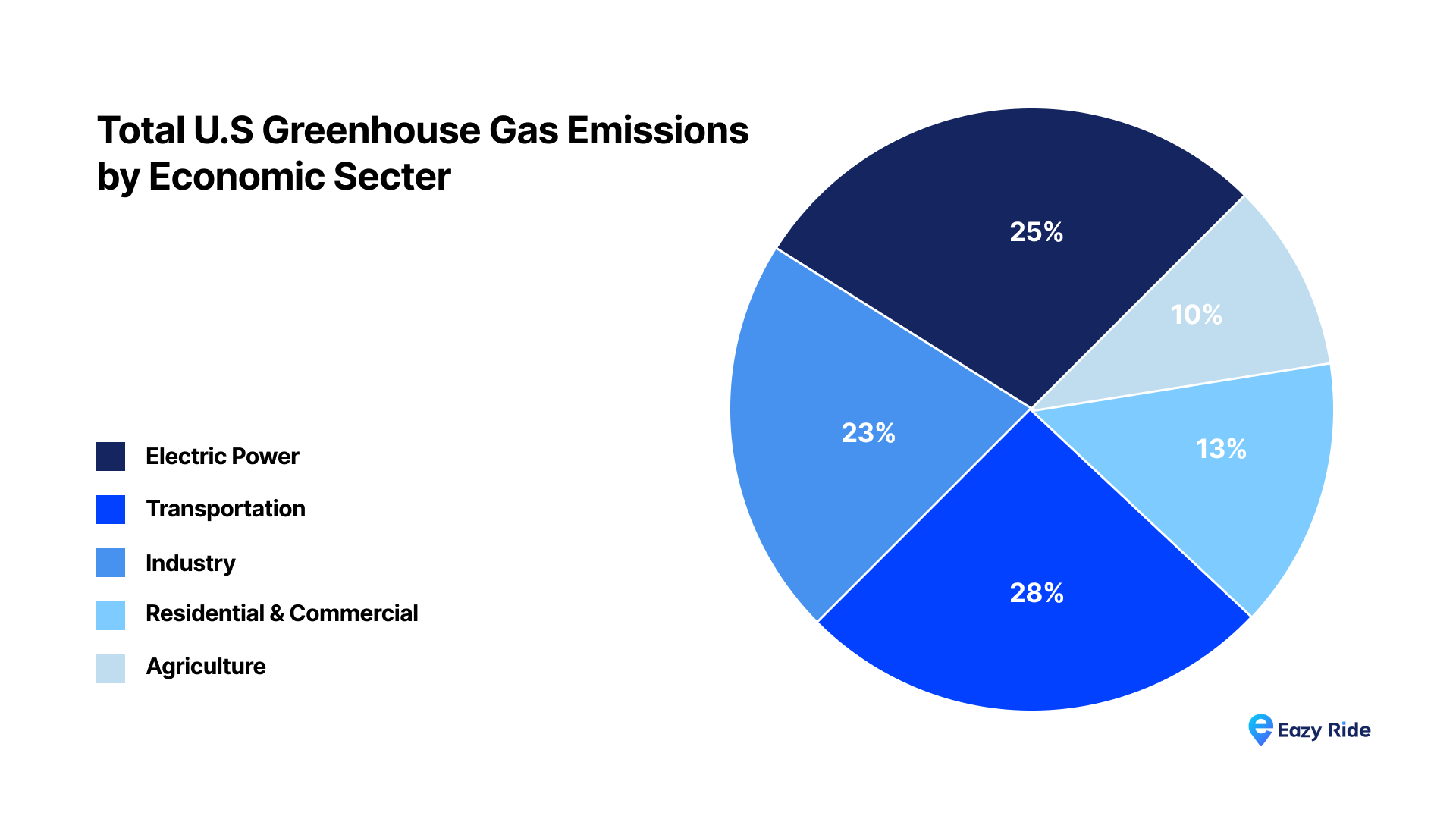
With advancements in electric vehicle technology, smart infrastructure, and growing consumer demand for eco-friendly solutions, the shift toward sustainable transportation is becoming more urgent and achievable.
Several key factors are driving this shift. Here are a few:
1. Government Regulations and Policies
Governments worldwide are tightening regulations to reduce emissions, with cities leading the way by implementing low-emission zones, stricter fuel standards, and incentives for electric vehicles.
In the U.S., cities like California are adopting stricter emissions standards. California’s Zero-Emission Vehicle (ZEV) mandate, for example, requires automakers to sell a specific number of electric vehicles, which encourages the switch to cleaner transportation options.
These policies not only push companies to adopt cleaner transport options but also create a more favorable environment for sustainable solutions.
2. Consumer Demand for Eco-Friendly Options
Today’s consumers are more environmentally conscious than ever. Younger generations, particularly Gen Z and millennials, are placing a higher priority on sustainability.
With 69% of Gen Z and 73% of millennials actively seeking to reduce their environmental impact, whether through avoiding car ownership, supporting sustainable products, or embracing energy-efficient practices, they are driving the growing demand for cleaner, eco-friendly transportation options.
3. Technological Advancements
Innovations in electric vehicle (EV) technology, AI, and data analytics are making sustainable transportation more practical and efficient.
From the development of better battery systems to real-time fleet management, these technologies reduce operational costs and improve the overall efficiency of transportation systems, making them more accessible for businesses and cities.
4. Environmental Concern
According to the World Meteorological Organization, 2024 has been recorded as the warmest year in the 175-year observational record, surpassing the previous year’s record.
This highlights the intensifying effects of climate change, putting more pressure on businesses and cities to adopt sustainable practices that help mitigate environmental harm.
5. Economic Pressure
The rising costs of fuel and the financial burden of traditional transportation methods are prompting cities and businesses to seek more cost-effective alternatives.
As fuel prices increase and operational expenses rise, transitioning to cleaner, more efficient mobility solutions helps reduce long-term costs and ensures compliance with tightening regulations.
How Micromobility is Shaping Sustainable Transportation

Micromobility refers to small, electric-powered vehicles like e-scooters and e-bikes, which are gaining traction as sustainable alternatives to traditional transportation. These solutions are reducing emissions, easing congestion, and making urban travel more accessible.
The global micromobility market is currently worth around $40.6 billion and is expected to more than double to $91.2 billion by 2030. This rapid growth, at an average of 14.5% per year, shows strong demand for cleaner, more efficient urban travel options.
Here’s how it’s showing impact towards sustainable transportation:
- Lower Environmental Impact: By replacing short car trips, micromobility options reduce air pollution and carbon emissions, contributing to cleaner, greener cities.
- Cost-Effective Urban Transport: Micromobility offers a more affordable transportation alternative, especially for short trips, reducing the cost of car ownership and maintenance for individuals.
- Flexible and On-Demand: Micromobility systems provide users with flexibility by offering pay-as-you-go models, making it easy to use without the commitment of a vehicle purchase or long-term lease.
- Decreased Traffic Congestion: These smaller vehicles take up less space on the road, reducing traffic congestion, especially in busy city centers, and improving overall traffic flow.
- Easy Integration into Urban Infrastructure: Micromobility can be seamlessly integrated into existing urban infrastructure, requiring minimal changes to city layouts while enhancing transportation efficiency.
- Increased Urban Space Efficiency: With fewer parking needs and compact design, these vehicles optimize space in densely populated areas, allowing for more efficient use of urban environments.
Micromobility is changing the way we move around cities, providing eco-friendly and flexible options that make urban travel more efficient. As these solutions continue to evolve, they’re playing a key role in building more sustainable and resilient transportation systems for the future.
Electric Fleets: Reducing Emissions Without Slowing Operations
Electric vehicles reduce maintenance costs, experience fewer breakdowns, and help fleet owners meet stricter environmental standards, leading to more uptime and greater control over your fleet’s expenses
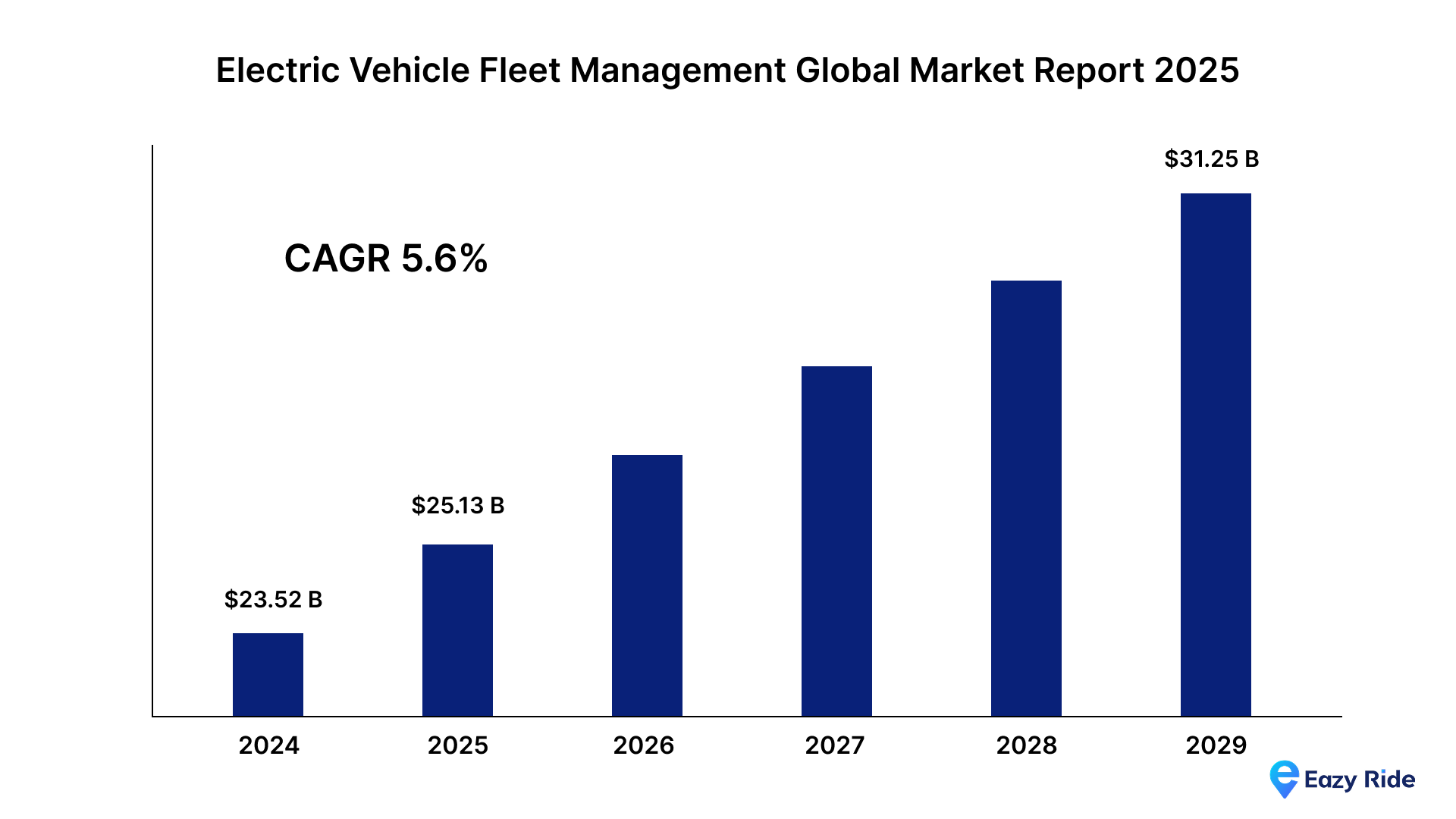
Source: The Business Research Company
The electric vehicle fleet management market is expanding rapidly, with the market size expected to grow from $23.52 billion in 2024 to $25.13 billion in 2025, reflecting a 6.8% CAGR.
This growth is driven by:
- Expanding charging infrastructure
- Growing consumer awareness
- Increased corporate sustainability efforts
By focusing on maintaining battery health and optimizing charging and maintenance schedules, you can ensure your fleet operates efficiently, reduces emissions, and lowers overall operational costs.
That said, it still presents its challenges, such as keeping track of them, maintaining them, and ensuring customer satisfaction.
Suggested Read: The Complete Guide to Electric Vehicle (EV) Fleet Management
Challenges in Scaling Sustainable Transportation with Electric Fleets

Managing an electric fleet comes with its share of challenges. While the shift to electric vehicles (EVs) presents long-term benefits, you may encounter roadblocks that can complicate growth. From managing technology to maintaining profitability, the process requires careful attention to both operational and strategic hurdles.
Here’s a look at some of the key challenges you might face in building and scaling electric fleets:
- Technology issues: Building and maintaining a reliable rider app and tracking system requires significant tech investment. For many, the choice often boils down to either expensive in-house development or relying on generic, inflexible tools that don’t quite fit the business needs.
- Profitability: Vehicle maintenance and infrastructure costs can quickly outpace revenue, particularly in urban areas where margins are thin. As demand fluctuates, maintaining profitable operations can become increasingly challenging, especially when your fleet requires ongoing investment in repairs and upgrades.
- Regulatory Hurdles: You may be required to constantly adapt to city-specific rules, including fleet caps, parking regulations, and data reporting. Some of these regulations change unexpectedly, creating uncertainty and potential compliance risks.
- Fleet Utilization Gaps: Mismanagement of fleet distribution or extended battery downtime can leave vehicles idle during peak demand periods. Without proper planning and predictive tools, you may miss out on revenue opportunities, reducing overall fleet utilization and efficiency.
- Inconsistent Users: Riders often switch between platforms based on price or convenience, making it difficult to build long-term customer loyalty. Maintaining high service quality is crucial; however, attracting and retaining users remains a challenge.

While these challenges may seem daunting, they are not insurmountable. In the next section, we’ll explore how the right fleet management solutions can address these issues and ease operations for better efficiency and sustainability.
How EazyRide Powers Low-Emission Fleet Management
EazyRide is an all-in-one white-label platform that makes it easy for you to manage your fleets without hassle. Our platform integrates smart technology and real-time data to refine your operations and align with sustainability goals.
Here’s how EazyRide helps you run a low-emission fleet smoothly:
EazyRide offers a comprehensive white-label micro-mobility platform built for fast-growing fleet operators. It’s tailored for entrepreneurs, university campuses, resorts, and smart cities.
- White-Label Rider App: A fully customizable mobile app for iOS and Android. Riders can easily locate, unlock, and ride vehicles. Features include an in-app wallet, ride history, help center, and map integration.
- Geofencing & Zonal Control: Enables precise control over ride zones, parking spots, no-go areas, and speed-restricted regions using integrated GPS tools. These features ensure compliance with municipal regulations and enhance sustainability.
- Admin Dashboard: A centralized web dashboard to manage fleet operations, pricing, geo-boundaries, user data, and system analytics. It also enables promotional campaigns, service-level controls, and real-time decision-making.
- Fleet Operator App: Designed for ground teams to manage vehicle rebalancing, charging, servicing, and maintenance. Field agents can scan QR codes to check vehicle status and update service logs efficiently.
- Analytics & Heatmaps: Provides AI-powered insights into trip frequency, revenue trends, idle time, and peak usage zones. These insights help optimize fleet distribution.
- Multiple Business Models: Supports docked, dockless, and hybrid rental systems. EazyRide is ideal for a variety of use cases, including citywide sharing, tourism rentals, university transit, and gated community mobility.
With EazyRide, you get a comprehensive fleet management solution that not only improves your fleet efficiency but also helps create a cleaner, more sustainable urban environment. Discover additional features that enhance the ease and effectiveness of managing your fleet.
Final Thoughts: Building a Greener, Smarter Fleet Future
As the world increasingly focuses on sustainability, it’s clear that the transportation sector must play a pivotal role in reducing carbon emissions and promoting cleaner alternatives. The shift to eco-friendly mobility solutions is not merely a passing trend; it’s a responsibility that operators, cities, and consumers share.
If you’re wondering whether sustainability and profitability can coexist, the answer is yes. With the right technology and strategy, you can reduce the environmental impact while running a successful business. Smarter fleet management and staying compliant with regulations make it possible for both to work together, ensuring long-term success.

FAQs
1. How can I optimize my electric vehicle fleet to ensure maximum uptime?
To maximize uptime, it’s essential to monitor battery health and perform regular maintenance. Using real-time tracking and predictive maintenance tools can help you spot issues before they cause downtime, ensuring that your fleet is always ready for riders.
2. What’s the best way to manage battery life in my electric vehicles?
Battery life is crucial for your fleet’s efficiency. Implementing charging schedules, monitoring battery health, and using data analytics to optimize charging times can help extend battery life. Avoiding overcharging or deep discharging will also ensure your batteries perform well over the long term.
3. How can I educate riders to maximize the efficiency of electric scooters?
You can educate riders by providing clear instructions on how to ride efficiently, such as avoiding rapid starts and stops, which drain the battery faster. Offering tips on proper scooter parking in designated areas ensures they stay charged and ready for use. Regular reminders through the app can also help reinforce best practices for efficient riding.
4. How do I track the performance of my electric vehicles in real-time?
Using a fleet management platform that provides real-time data on vehicle location, battery levels, and usage patterns is key. This will help you stay on top of your fleet’s performance, ensure vehicles are fully charged, and make informed decisions about maintenance or redistribution.


