
 AllAnalytics and research

 29 August, 2025
 How to Start a Successful Micro Mobility Franchise
Are you an entrepreneur or local operator eager to tap into the booming world of micro‑mobility but unsure how to turn your idea into a thriving micro mobility franchise? You’re not alone.
Many businesses step into this space with ambition, but stumble when it comes to picking the right model, managing the fleet, or staying aligned with local policy and tech demands. Fortunately, the timing couldn’t be better to start your own micro mobility business.
In North America, shared micro‑mobility ridership jumped 31 % in 2024, reaching at least 225 million trips across the region. Among those systems, 66 % of all trips in 2024 were on electric devices (e‑bikes or e‑scooters), and 79 % of operators include e‑devices in their fleets.
What do these numbers tell you? They tell you that urban riders are increasingly embracing lighter, shared transportation options. The infrastructure, demand, and technology are aligning right now for someone who knows how to make it work.
In this guide, we’ll walk you through exactly how to start your own micro mobility franchise. You’ll gain a clear roadmap to launch and grow a micro mobility business that is both scalable and profitable.
At A Glance:
- Low costs, high scalability: Start small with minimal investment and scale quickly as demand grows, making it a flexible, profitable model.
- EazyRide simplifies fleet management: An all-in-one platform for real-time tracking, compliance, and seamless operations to support franchise growth.
- Data fuels profitability: Real-time analytics and heatmaps help optimize fleet deployment, reduce idle time, and improve efficiency.
- Now is the right time: With strong government support and rising consumer demand for eco-friendly transport, the market is ripe for new franchises.
Micro Mobility Franchise Isn’t As Simple As It Sounds
If you’re running a local fleet of e‑scooters or bikes, chances are you’ve already encountered one major hurdle: scaling up. What started as a few bikes on the streets can quickly turn into a logistical nightmare as you try to add more vehicles, expand service areas, and meet growing customer demand.
Some of the main scaling challenges you’ll face include:
- High operational costs as your fleet grows.
- Increased maintenance demands, including unexpected repairs and parts replacement.
- Rising fuel and charging costs as more vehicles hit the streets.
Without a data-driven approach, you’re left with the challenge of manually managing vehicle locations, battery levels, and maintenance schedules, a task that is simply not scalable for growing businesses.
The Regulatory Maze: A Constant Compliance Headache
If you think your challenges end with fleet management, think again. Local regulations are constantly evolving, and it’s easy to fall behind.
For example:
- California has recently implemented new regulations for scooter operators, including designated parking zones and speed limits.
- Other states have varying rules about where you can operate your fleet and the insurance requirements for businesses.
If you don’t have the right tools to monitor compliance in real-time, you risk costly fines or being forced to shut down your fleet.
Technology Confusion: Choosing the Right Platform
Another challenge you’ll face when starting a micro mobility franchise is selecting the right technology stack. Without a customizable, scalable platform, you could end up with disconnected tools that make managing your fleet a nightmare.
Many businesses struggle with:
- Integrating multiple systems (e.g., payment processors, rider apps, fleet management tools).
- Lack of branding control on rider apps and admin interfaces.
- Inefficient fleet management due to a lack of real-time data.
This is where a flexible, all-in-one solution can save you time, money, and energy. With the right approach, you can turn these obstacles into opportunities.
Also Read: Top 10 Fleet Management Software for 2025
Let’s explore why now is the ideal time to launch your own micro mobility franchise.
Why Now Is the Right Moment to Launch a Micro Mobility Franchise?
Demand is already proven, not speculative. Shared micromobility is evolving, and urban policy is moving in your favour as well. So, if you launch a micro mobility business now, you are building in alignment with the device shift powered by technology and consumer preference.
Cities are increasingly embracing shared micro‑mobility as part of their transportation strategy:
- More bike‑ and scooter‑friendly lanes and drop‑zones are being installed.
- Over a third of shared-mobility trips are replacing car journeys (approximately 35% in North America)
For a micro‑mobility franchise, this means regulatory tailwinds, not headwinds, in many US markets. The conditions are right.
So, how do you seize this opportunity? Let’s break down the steps to starting your own micro mobility franchise.
How to Start a Micro Mobility Franchise: A Step-by-Step Guide
What sets the smart operators apart?
It isn’t just timing, but also how quickly they move from idea to action, and how well they pick the right model, deploy the right tech, and plug into a system built for growth.
Let’s get you the exact roadmap to do just that- so you can launch your micro mobility business confidently, with a franchise model designed to win.
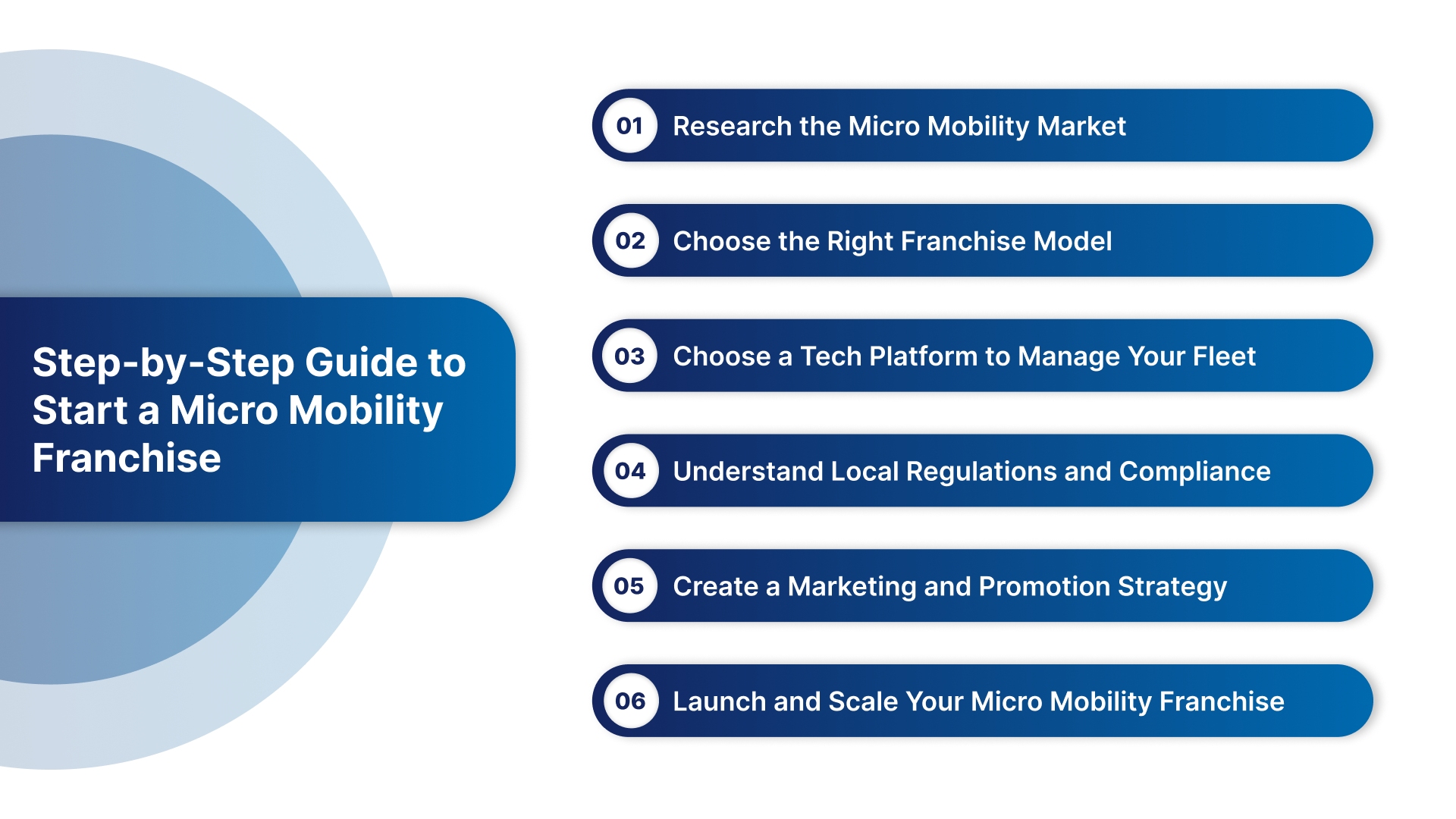
Step 1: Research the Micro Mobility Market
First, understand the local market. Conducting thorough research on industry trends, target demographics, and local demand will lay the foundation for success.
Ask yourself:
- Are residents in your area looking for more sustainable transport options?
- Are there strong pushes from local authorities to add more bike lanes, charging stations, or scooter-friendly zones?
Examine existing urban planning initiatives to determine whether cities are investing in infrastructure to support micromobility.
Step 2: Choose the Right Franchise Model
Choosing the right model ultimately depends on your target audience and operational capacity. The main options include:
- Station-Based Fleets: Fixed docking stations where riders pick up and drop off vehicles.
- Free-Floating Fleets: No docking stations, allowing riders to pick up and drop off anywhere within a designated area.
- Hybrid Models: A mix of both, offering flexibility for operators and customers.
For example, city centers may benefit from free-floating models, while universities or campuses could be better suited to station-based operations.
Step 3: Choose a Tech Platform to Manage Your Fleet
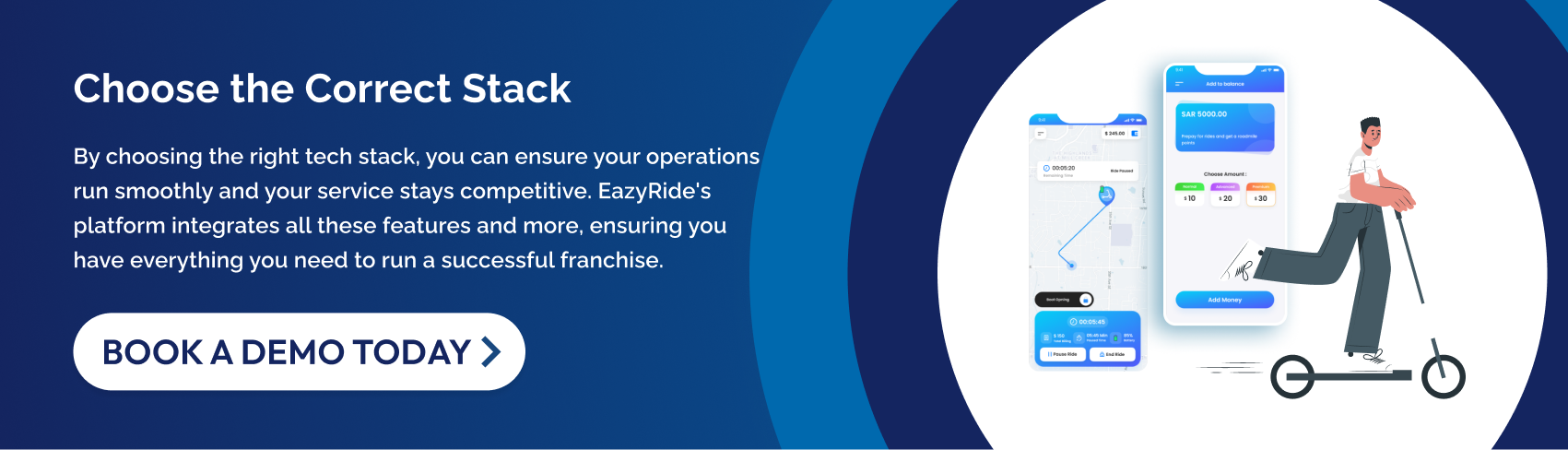
The right platform is key to scaling your micro mobility business efficiently. Without a centralized system, managing your fleet manually can lead to operational chaos.
Key features to look for in a platform:
- Real-Time Fleet Management: Track vehicles’ location, battery levels, and usage data.
- White-Label Rider App: Custom branding for the rider experience and easy payment processing.
- Analytics & Heatmaps: Gain actionable insights into trips, idle zones, and high-demand areas.
- Geofencing Tools: Set speed limits, restricted zones, and define service areas.
Step 4: Understand Local Regulations and Compliance
As you move forward, understanding local regulations is critical. In the U.S., micromobility laws vary by state, city, and even district. Here’s what to keep in mind:
- Insurance requirements: Many cities now require operators to hold specific liability insurance for shared vehicles.
- Permits: Obtain permits for parking zones, operating areas, and vehicle maintenance.
- Speed limits & geofencing: Ensure your fleet operates within the law by setting geo-fenced zones with speed limits to avoid fines.
Pro Tip: Many local authorities provide compliance guides for operators. This makes it easier for you to stay on top of rules and avoid costly fines.
Also Read: Laws for Operating a Scooter in Los Angeles
Step 5: Create a Marketing and Promotion Strategy
Once you’ve set the foundation for your franchise, it’s time to market your services and build your customer base.
Here’s how to attract riders and build a brand:
- Geo-targeted promotions: Use localized discounts or rewards for new riders in key areas.
- Partnerships with local businesses: Collaborate with restaurants, hotels, and tourist attractions to offer discounts or joint promotions.
- Social Media and Local Ads: Target your audience through Facebook ads, Instagram promotions, and partnerships with local influencers.
Step 6: Launch and Scale Your Micro Mobility Franchise
Once everything is in place, it’s time to launch! Here’s how to scale efficiently:
- Monitor fleet usage: Use real-time analytics to adjust fleet distribution and ensure optimal performance.
- Optimize maintenance: Implement a preventative maintenance schedule to keep your vehicles in good condition and reduce downtime.
- Focus on customer feedback: Continuously gather feedback from your users to improve your service.
With a clear roadmap for getting started, you’re probably wondering about the actual benefits of owning a micro mobility franchise.
Let’s explore how this business model offers low overhead, scalability, and eco-friendly profitability.
The Benefits of Owning a Micro Mobility Franchise
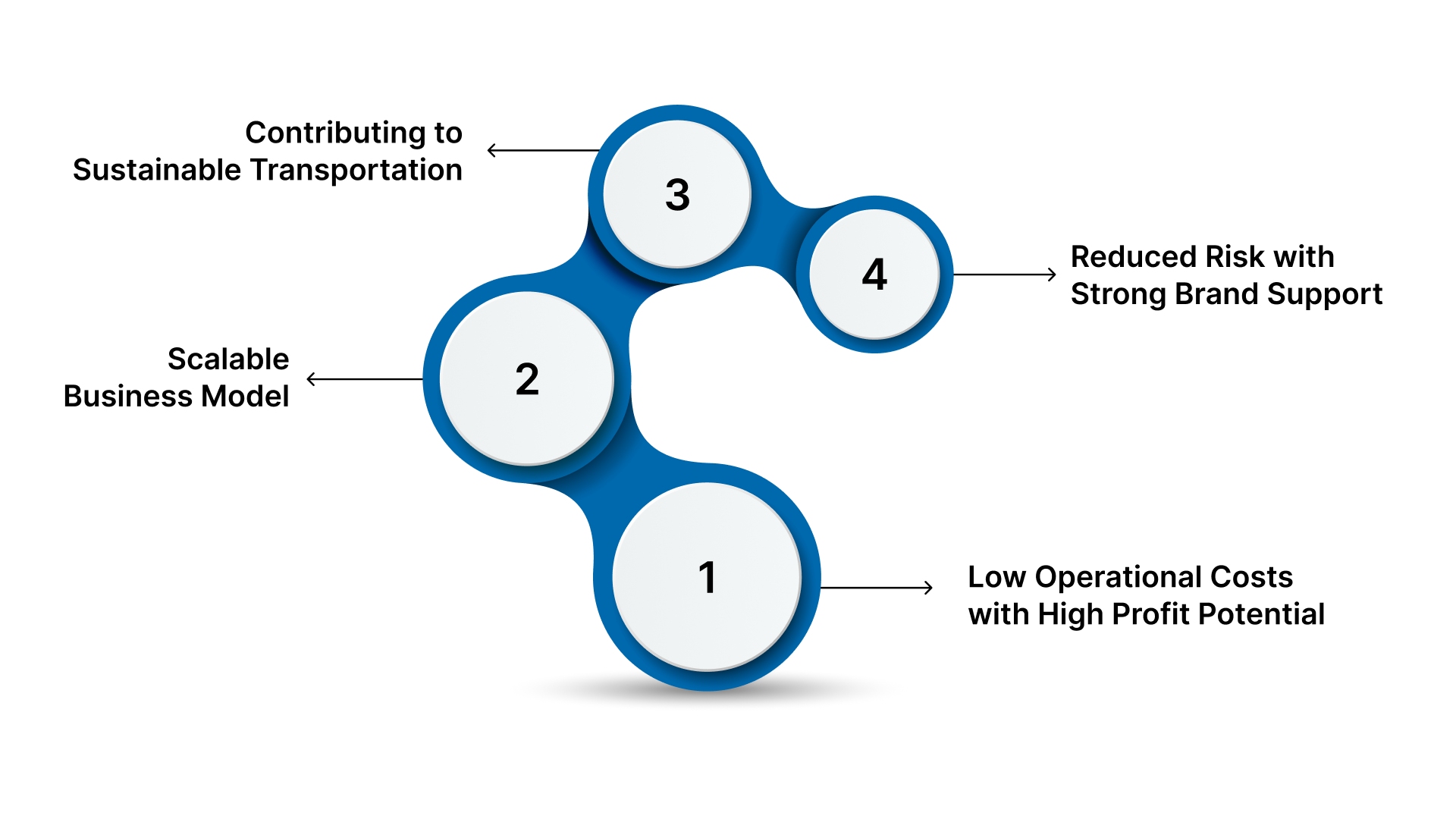
Owning a micro mobility franchise offers a unique opportunity to tap into a fast-growing market with low overhead, high scalability, and sustainable business practices. Thinking of starting a small-scale operation or building a large fleet across multiple cities? The benefits are clear.
Here’s why now is a great time to consider investing in a micro mobility business:
1. Low Operational Costs with High Profit Potential
Compared to traditional vehicle rental businesses, micro mobility franchises involve significantly lower overhead costs. There’s no need for large physical storefronts or costly vehicles. Instead, you’ll primarily focus on managing a fleet of e-scooters or e-bikes, which are both affordable and scalable.
2. Scalable Business Model
The micro mobility business model is inherently scalable. After successfully managing one location, you can easily expand by adding more vehicles or covering larger areas.
3. Contributing to Sustainable Transportation
With growing concerns over urban congestion and environmental impact, consumers are increasingly turning to eco-friendly transportation options. Offering a green alternative not only meets consumer demand but also positions your franchise as part of the solution.
4. Reduced Risk with Strong Brand Support
Starting a micro mobility franchise means you’re not building from scratch. You benefit from brand recognition, proven systems, and marketing strategies that come with a franchise model.
Also Read: The Real Benefits of Micro Mobility
Now that you know the benefits and steps involved in starting your own micro mobility franchise, it’s time to take action.
How EazyRide Can Help You Start & Scale Your Micro Mobility Franchise?
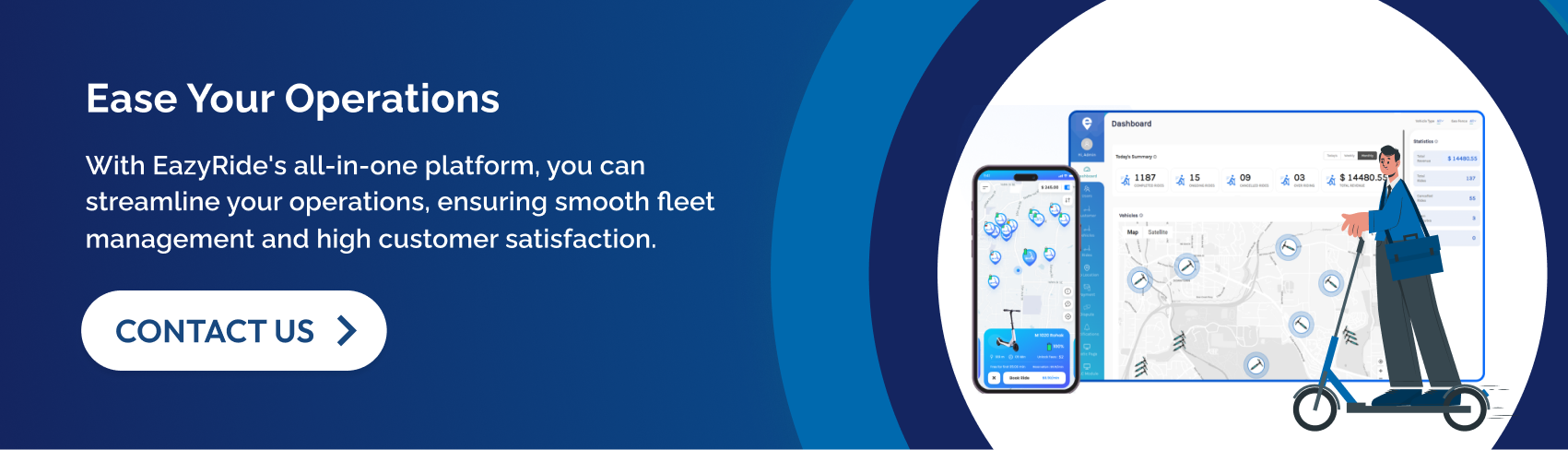
Starting and managing a micro mobility franchise can be complex. But with EazyRide, you can ease every aspect of your operations, from fleet management to customer experience.
Here’s how EazyRide’s all-in-one platform helps you launch and scale a successful micro mobility business.
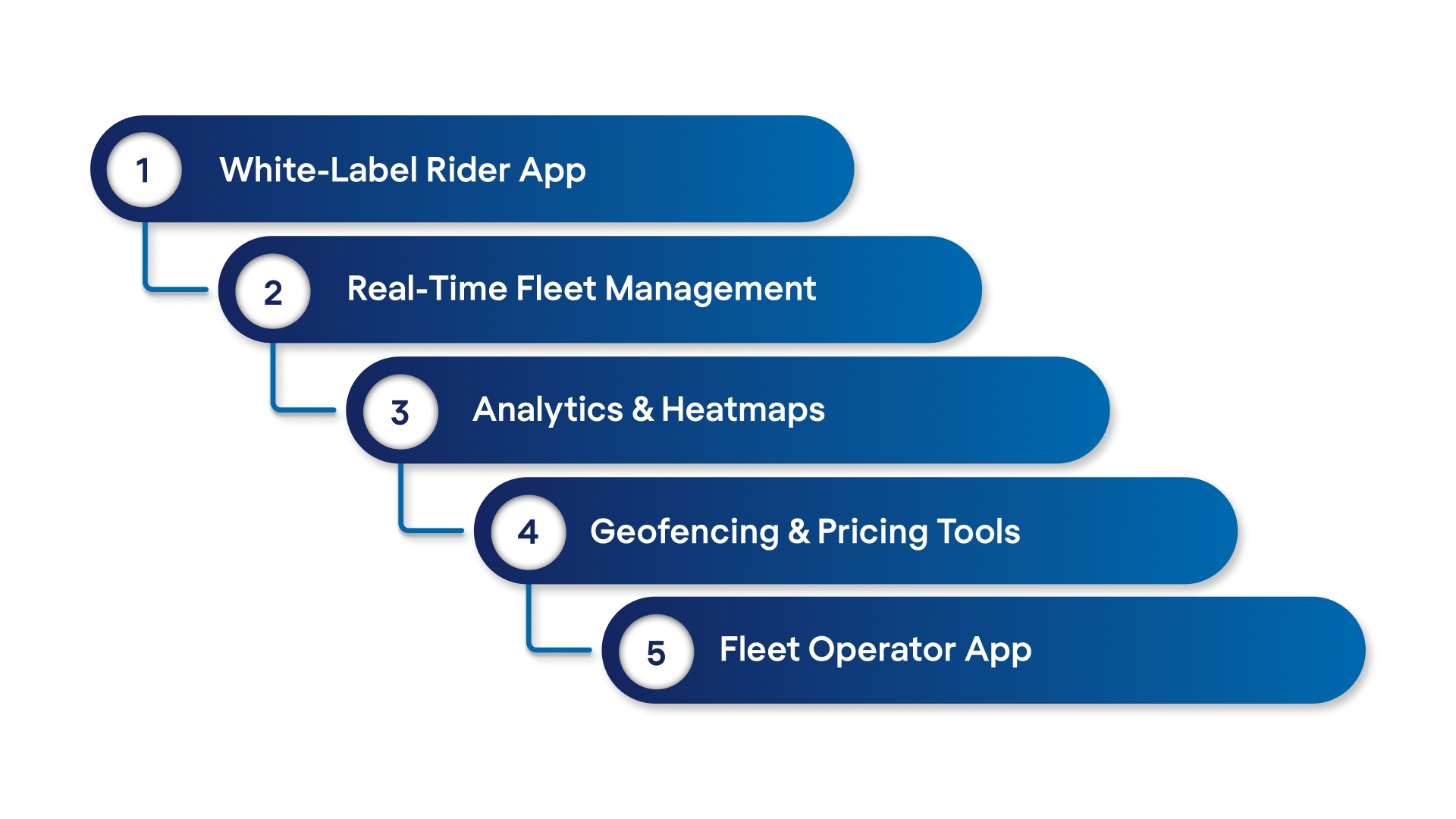
- White-Label Rider App: One of the biggest advantages is the ability to brand the rider app as your own. With a white-label rider app, you can provide your customers with a user-friendly experience and build brand loyalty as your business grows.
- Real-Time Fleet Management: EazyRide’s admin dashboard gives you the power to track and manage your entire fleet in real time. With real-time insights, you can ensure that your fleet is delivering a great service to customers.
- Analytics & Heatmaps: EazyRide’s platform provides actionable data that helps you make smarter decisions about fleet operations, customer engagement, and profitability. This will optimize operations, reduce costs, and increase profitability.
- Geofencing & Pricing Tools: EazyRide’s geofencing tools give you the flexibility to set ride zones, speed limits, and pricing rules. This flexibility enables you to tailor your service to the specific needs of your region while ensuring compliance with local regulations.
- Fleet Operator App: This app ensures that your on-the-ground team can manage daily tasks with ease. Features include task assignment, navigation, and maintenance tracking to manage operations with minimal manual effort and maximum efficiency.
With these tools and features, you can scale confidently, knowing that your franchise is operating within legal boundaries and following best practices.
Conclusion
Now you know how micro mobility franchises offer significant opportunities with low overhead, scalability, and sustainability. With the right tech platform, such as EazyRide, you can easily manage and scale your fleet, meet local regulations, and provide a seamless experience for your customers.
The market is growing, cities are investing in infrastructure, and consumers are increasingly demanding eco-friendly transportation. There’s never been a better time to start your micro mobility business.
So why wait? Schedule a demo with us today and gain access to the tools you need to get your micro mobility franchise off the ground.
FAQs
1. What key metrics should I track from day one when launching a micro mobility franchise?
When launching a micro mobility franchise, focus on tracking fleet utilization (trips per vehicle per day), idle time, maintenance costs, and customer acquisition costs. These metrics offer valuable insights into operational efficiency, fleet performance, and overall profitability, enabling you to make informed, data-driven decisions from the outset.
2. How do I determine whether to use a station-based, free-floating, or hybrid model for my micro mobility business?
The right model depends on your location. Station-based works best for fixed sites, such as campuses, while free-floating suits high-density urban areas, and hybrid offers flexibility. Evaluate local infrastructure, city regulations, and your target customer’s needs to choose the most efficient model for your franchise.
3. What regulatory and compliance challenges should I prepare for when launching a micro mobility franchise in the U.S.?
You’ll need to navigate local permits, geofencing requirements, and data reporting obligations. Some cities mandate shared mobility licenses, set speed limits, or require the sharing of usage data, while ensuring that sufficient insurance coverage is also essential for compliance and reducing legal risk.
4. How can I decide between starting a micro mobility business independently vs. joining a franchise model?
Franchising offers a proven model with support, brand recognition, and a faster launch, but it comes with fees and requires profit sharing. An independent business provides full control and profit, but it requires additional investment in technology, operations, and brand-building from scratch.
5. How do I use analytics and heatmap data to optimize fleet deployment and reduce idle vehicles?
Analytics and heatmaps help you pinpoint high-demand areas and underutilized zones. By adjusting fleet deployment based on real-time data, you can minimize idle vehicles and optimize vehicle usage, resulting in increased customer satisfaction and improved profitability.


