
 AllAnalytics and research

 29 August, 2025
 Laws for Operating a Scooter in Los Angeles: A Complete Guide
Looking to grow your fleet of electric scooters or launch a new micromobility venture in Los Angeles? It’s an exciting goal, but the path to success isn’t without its challenges. As the city adopts micromobility, you’re not just dealing with traffic and demand. You’re also operating in a market shaped by changing laws, regulations, sustainability concerns, and shifting public expectations.
It’s natural to feel a bit overwhelmed, but don’t worry, you’re not alone. This guide will help you understand key aspects of operating scooters in Los Angeles, including logistics, safety, and the regulations impacting both riders and businesses.
Quick Summary
- To operate shared mobility devices in Los Angeles, it is necessary to acquire a permit, secure insurance, and adhere to regulations concerning fleet size and deployment.
- Use tools like geofencing and in-app reminders to guide riders to legal areas and manage speed limits.
- Conduct regular inspections and allow users to report issues for quick scooter repairs and recharging.
- Offer subscription programs for businesses and pay-per-ride options for casual riders to improve accessibility.
Why Micromobility is the Future of Transportation in LA
Los Angeles has long been known for its traffic jams and sprawling urban design. Scooters are offering a flexible and quick alternative to traditional transportation, helping riders bypass congestion and reduce travel times. With traffic worsening and environmental concerns growing, micromobility solutions provide a greener, faster, and more cost-effective way to travel through LA’s crowded streets.
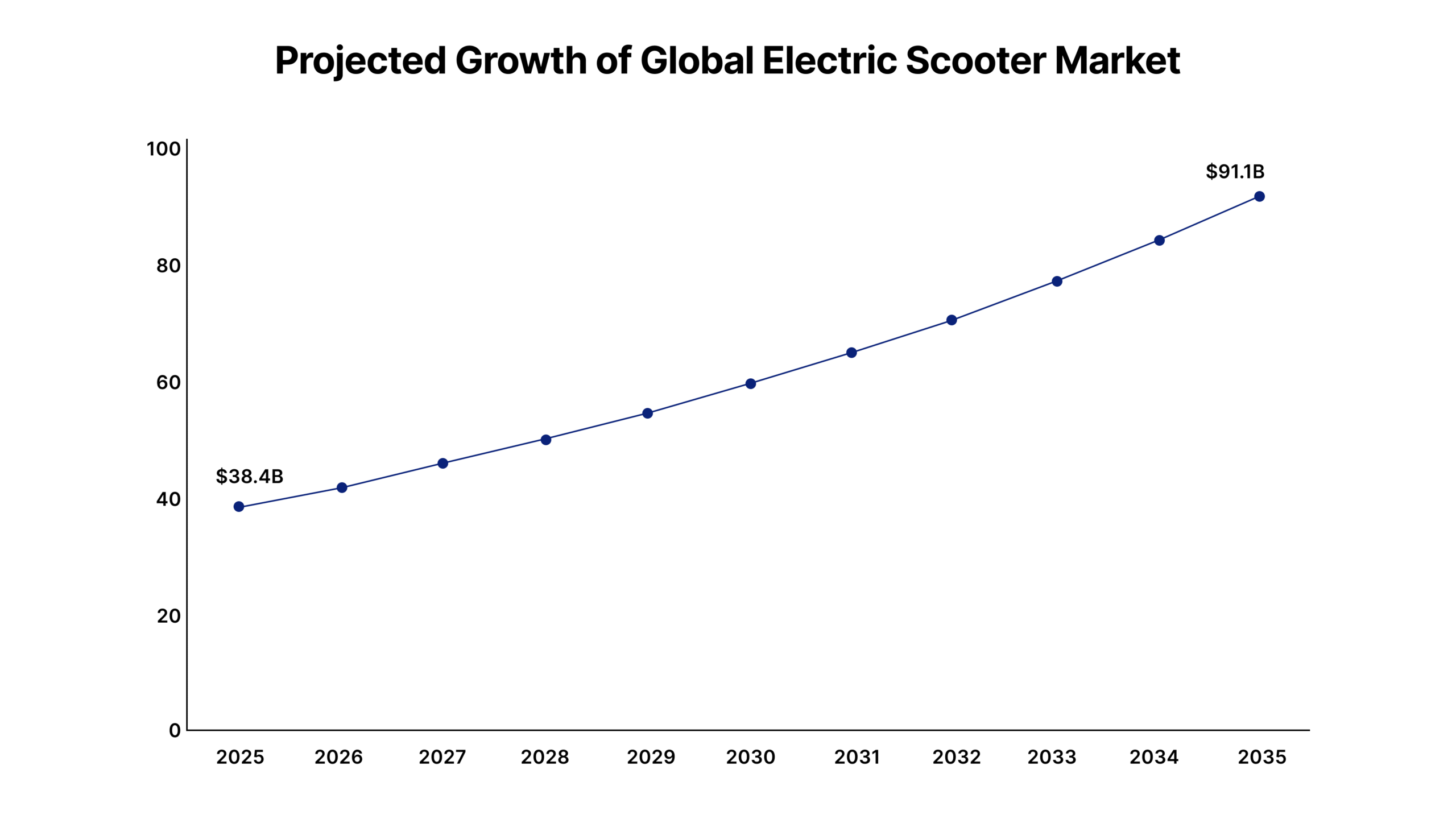
This shift is reflected in the global electric scooter market, which is projected to grow from $38.4 billion in 2025 to $91.1 billion by 2035, at a CAGR of 9.1%. The growth is driven by increasing urbanization and a rising demand for low-emission, convenient travel options.
For business leaders, understanding this expanding market and its technological potential is crucial. The rising demand for scooters in Los Angeles presents clear opportunities for fleet operators, entrepreneurs, and businesses. Those who can utilize the necessary technology and infrastructure will be best positioned to capitalize on this growth.
Benefits of Scooters for Urban Mobility and Business Growth
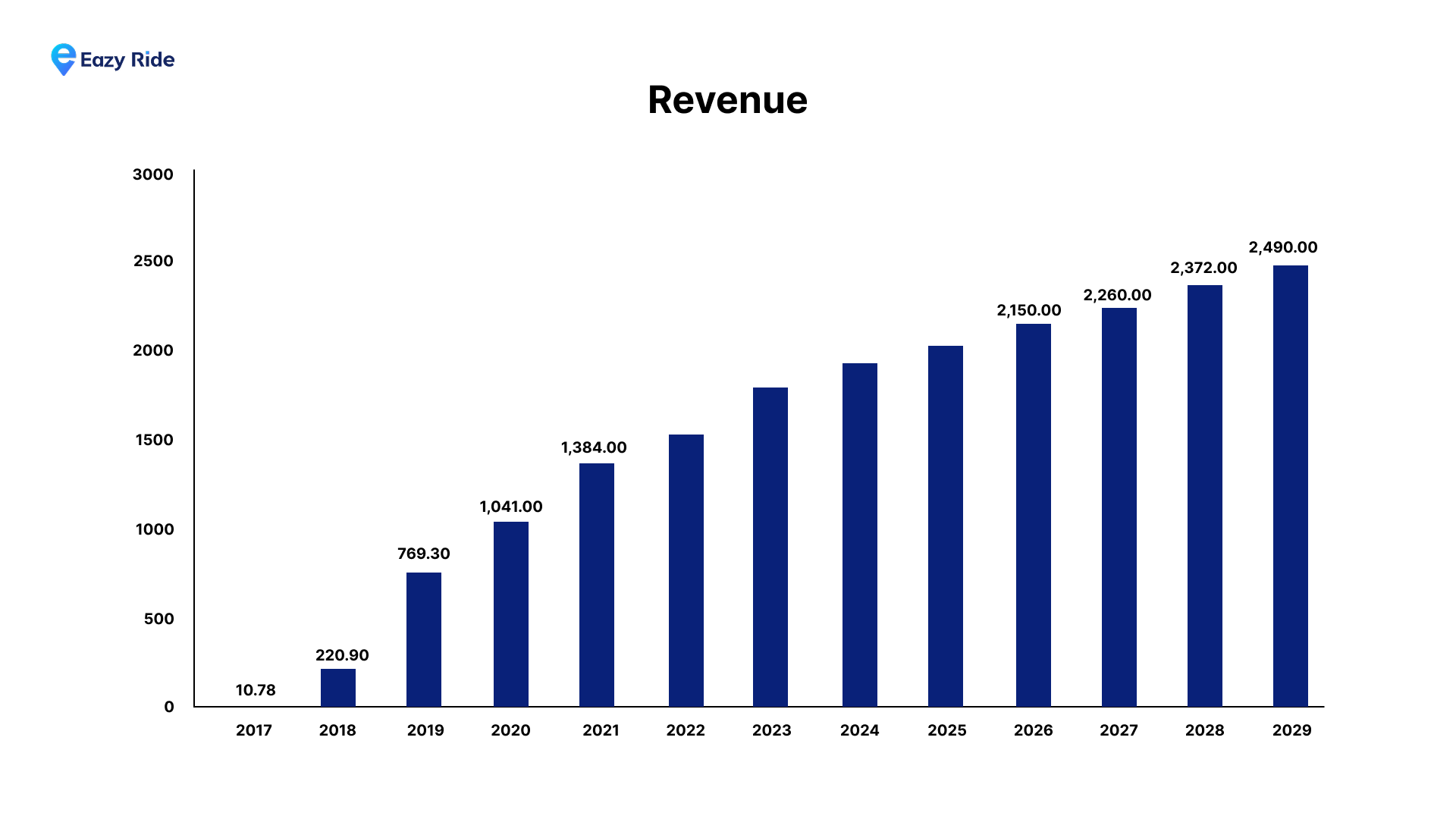
The global number of e-scooter users is projected to reach 107.4 million by 2029, with user penetration growing from 1.2% in 2025 to 1.3% by 2029. This surge in popularity highlights the transformative impact scooters are having on urban mobility, offering an eco-friendly and cost-effective transportation solution.
As e-scooters continue to gain traction, they not only improve mobility for residents and visitors but also unlock new business opportunities. Below are some key benefits driving this growth:
- Sustainability and Green Initiatives: As cities focus on cutting carbon emissions, scooters in Los Angeles offer a cleaner alternative to traditional vehicles. Businesses that adopt these scooters showcase their eco-consciousness, appealing to both consumers and regulators.
- Cost-Effective for Commuters and Businesses: Operating scooters in Los Angeles costs significantly less than traditional vehicles. They require minimal infrastructure and resources, making them an efficient and affordable mobility solution for businesses.
- Convenient and Flexible: Scooters in Los Angeles provide on-demand transportation accessible via mobile apps. This flexibility benefits tourists, employees, and residents, enhancing mobility in the city’s busy urban environment.
- Attracting a New Generation of Consumers: Millennials and Gen Z in Los Angeles prefer tech-driven, eco-friendly transport like scooters. They value the convenience, environmental benefits, and affordability these scooters provide.
Legal Requirements for E-Scooter Rental Businesses
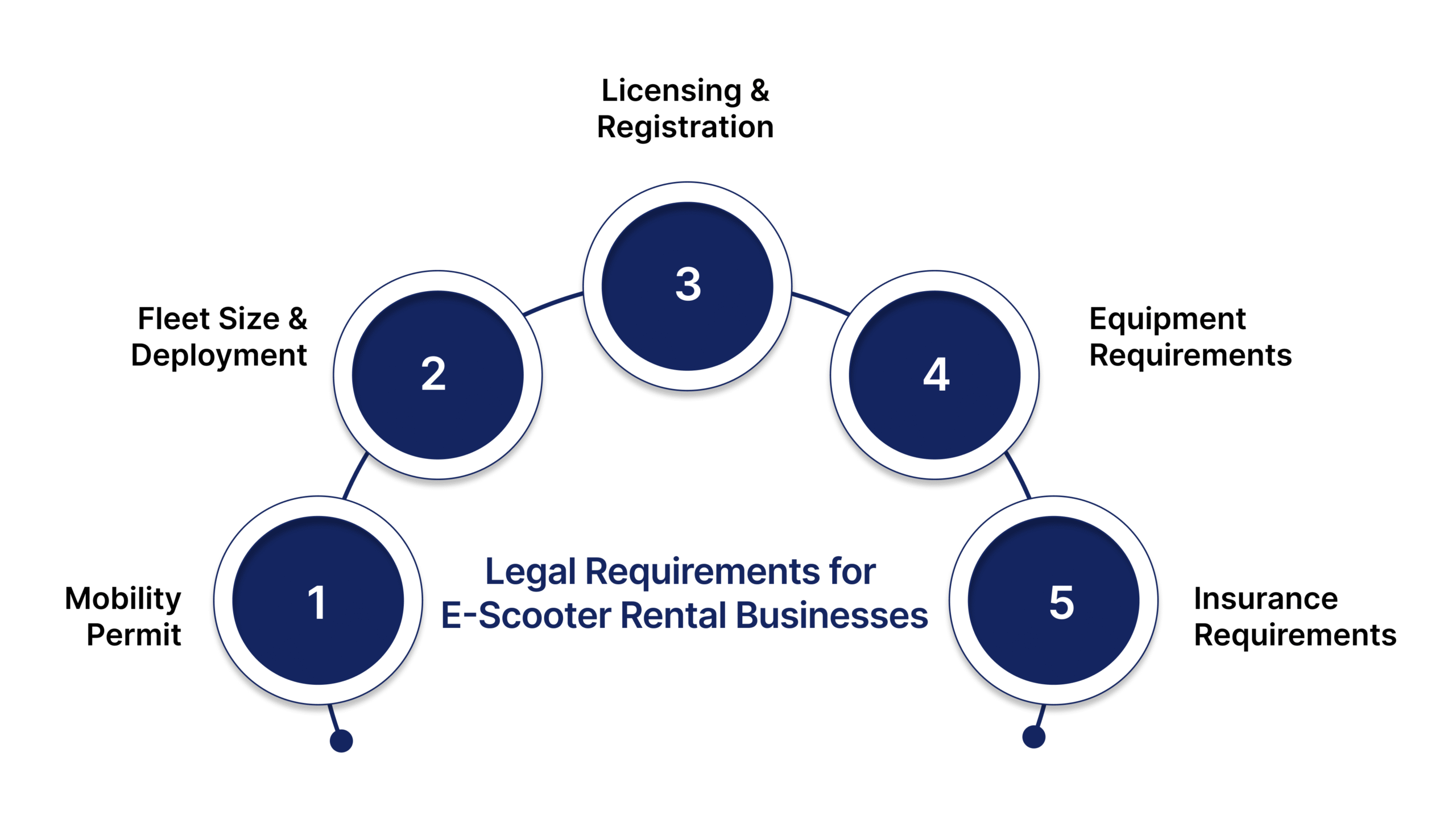
Operating an e-scooter rental business in Los Angeles requires compliance with specific legal requirements to ensure the safety, sustainability, and smooth operation of your fleet. Below are key regulations that every operator must follow to stay within the law and avoid penalties.
1. Obtain a Shared Mobility Device Permit
As amended by Ordinance No. 186,955, your business must secure a Shared Mobility Device Permit from the City of Los Angeles. This process includes:
- Registering with the Los Angeles Department of Transportation (LADOT).
- Complying with operational guidelines set forth by the city.
Failure to obtain this permit can result in fines and the removal of your scooters from public spaces.
2. Fleet Size and Deployment
The City of Los Angeles may impose limits on the number of e-scooters allowed for deployment in specific areas, with a focus on balancing access across neighborhoods. Operators are required to deploy scooters in underserved regions and may need to adjust their fleet sizes based on demand and local regulations.
3. Licensing and Registration
Motorized scooters do not require registration or a driver’s license to operate. However, riders under 18 are obligated to wear a helmet that meets safety standards, which must comply with U.S. Department of Transportation (DOT) or Consumer Product Safety Commission (CPSC) guidelines. In contrast, mopeds require both a valid driver’s license for the operator and vehicle registration with the Department of Motor Vehicles (DMV).
4. Equipment Requirements
Scooters must be equipped with functioning brakes, a white front light visible from 300 feet away, red reflectors on the rear, and side reflectors visible in low-light conditions. These are mandatory for riding at night or in poor visibility conditions. While rearview mirrors and turn signals are not required, they are recommended for added safety.
5. Insurance Requirements
Operators must carry commercial general liability insurance with minimum coverage as specified by the City of Los Angeles.
- Motorized Scooters: No insurance required for scooters that don’t require registration.
- Registered Mopeds and Scooters: Liability insurance for bodily injury and property damage is required.
Additional coverage, such as comprehensive, collision, and uninsured motorist insurance, is recommended. Verify the exact requirements during the Shared Mobility Device Permit application process.
To successfully launch and operate a scooter-sharing business in Los Angeles, it’s essential to understand both the key strategies for effective management and the legal framework that governs the use of scooters. Let’s explore the critical aspects of operating a scooter program within the city.
Key Strategies and Laws for Operating Scooters in Los Angeles
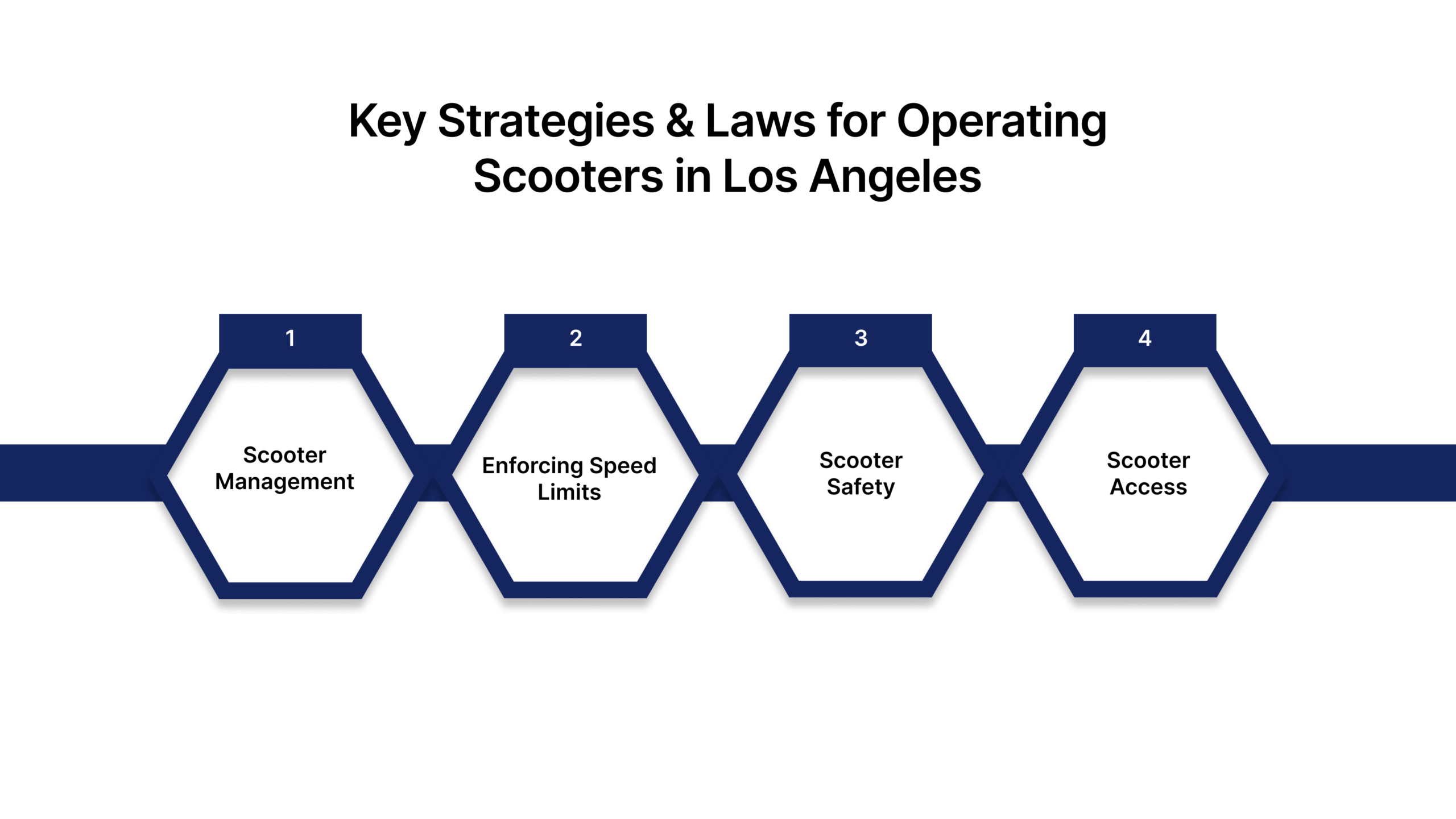
Running a scooter-sharing program requires careful planning and adherence to local laws. The strategies below focus on legal use, speed limits, maintenance, and flexible access, ensuring safety and compliance for both riders and operators.
1. Managing Safe and Legal Scooter Use
As a fleet operator, it’s crucial to ensure users know where scooters can be legally ridden. In Los Angeles, scooters are allowed in bike lanes and on streets, but riding on sidewalks is prohibited. Using technology to guide users to safe riding zones is essential for compliance.
How to Manage This:
- Geofencing Technology: This technology restricts scooter usage to designated areas, such as bike lanes or streets. This technology ensures that users stay within legal boundaries, enhancing both safety and compliance with local laws.
- In-App Reminders: Incorporate location-based reminders or alerts within the app to notify users of the legal areas they should ride in. This will help users quickly understand where they can and cannot go.
2. Enforcing Speed Limits
For safety, e-scooters in Los Angeles can be ridden on roads with speed limits of 25 mph or less, as well as in bike lanes and paths. Riding on streets with higher speed limits is only allowed in Class II or designated bike lanes. Additionally, e-scooters are restricted to a maximum speed of 15 mph.
How to Manage This:
- Speed-Limiting Technology: Equip your scooters with automatic speed restrictions that adjust according to the local area. In crowded areas or near pedestrian zones, the scooter’s speed should be limited to a safe level.
- In-App Alerts: Utilize the fleet management app to notify riders when they are approaching the speed limit, providing a gentle reminder to adjust their pace.
3. Ensuring Scooter Maintenance and Safety
Regular maintenance is essential for the smooth operation of your fleet and the safety of riders. Broken scooters can lead to accidents and negative user experiences.
How to Manage This:
- Routine Inspections: Schedule regular checks to ensure the scooters are in good condition. This includes checking brakes, tires, batteries, and lights.
- Repair and Recharging Stations: Designate specific locations for scooter repairs and recharging to streamline operations.
- User-Reported Issues: Allow users to report any issues directly via the app for quicker resolution and to ensure road safety.
4. Offering Flexible Scooter Access and Payment Options
For businesses looking to integrate scooters into their transportation programs, offering flexible access and payment solutions is essential. Whether you’re providing scooters for employees on a corporate campus or offering bulk rentals for tourist attractions, having customizable options is key to meeting diverse needs.
How to Manage This:
- Subscription or Membership Programs: For businesses integrating scooters into daily operations, offering subscription or membership models can provide flexibility and cost savings for employees or guests.
- Pay-Per-Ride Options: For one-time riders, such as tourists, provide pay-per-ride options to allow easy, no-commitment rentals, thereby increasing accessibility and convenience.
By implementing these strategies, you can create a smoother, safer experience for both riders and fleet operators while ensuring compliance with local regulations.
Also Read: The Future of Electric Vehicles: Business Opportunities to Watch in 2025–2026

As a fleet operator, it’s crucial to ensure that riders comply with local e-scooter laws, as violations can result in significant fines. Let’s explore penalties riders could face for not following the rules.
Penalties for Violating E-Scooter Laws in Los Angeles
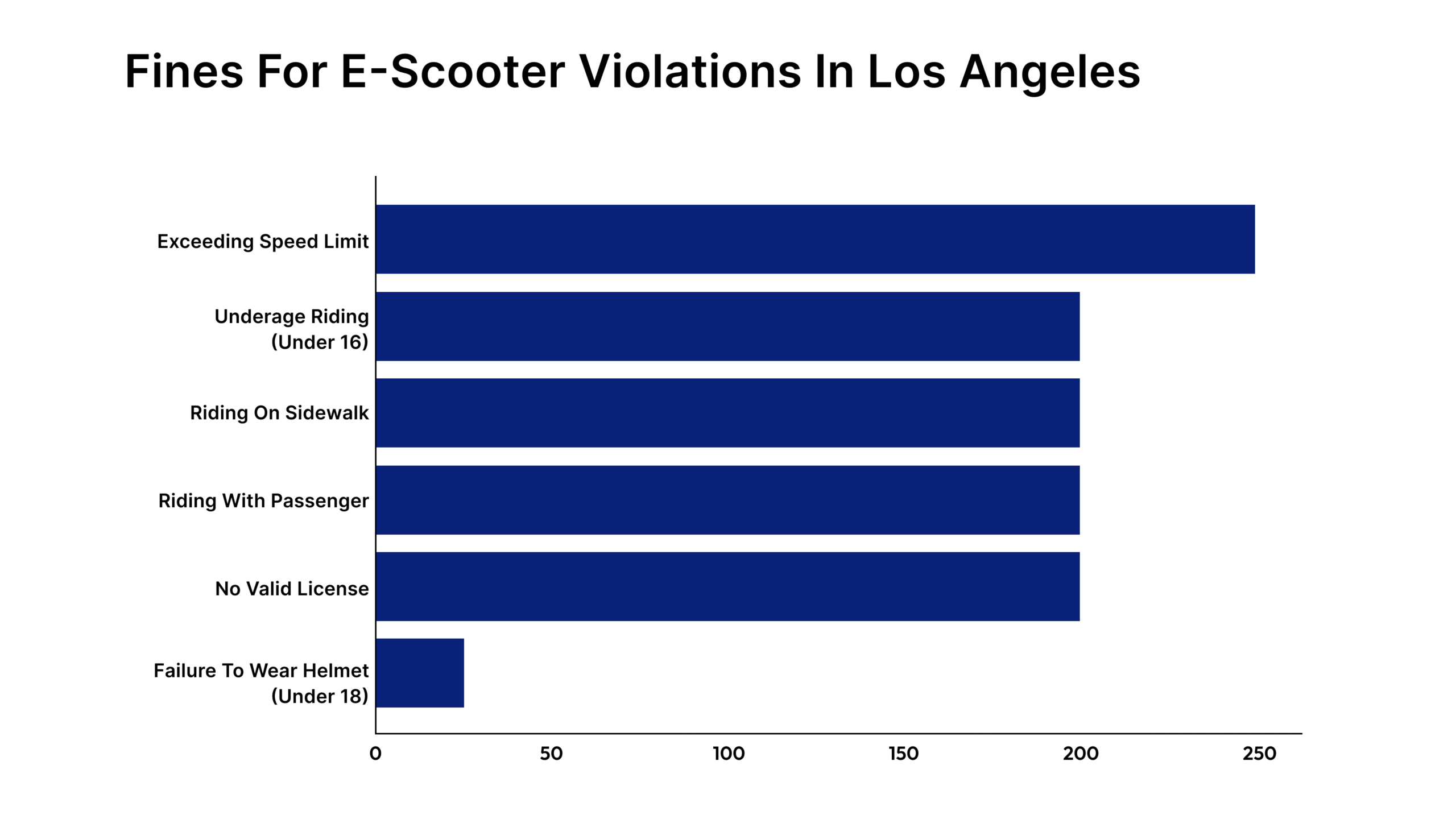
If a rider is caught breaking Los Angeles’s e-scooter laws, they can expect fines for various violations. Here are the penalties riders could face for not following the rules:
- Exceeding the speed limit: Fines up to $250
- Riding under the age of 16: Fines up to $200
- Riding on a sidewalk (except when parking): Fines up to $200
- Riding with a passenger: Fines up to $200
- Riding without a valid driver’s license or learner’s permit: Fines up to $200
- Failure to wear a helmet (for riders under 18): Fines up to $25
Ensure you follow these regulations to avoid costly penalties while enjoying your e-scooter ride.
EazyRide: Built for the Realities of Scooter Sharing
Managing an electric scooter-sharing business is more than just getting riders on the road. It’s about controlling what happens behind the scenes. EazyRide simplifies that complexity with a suite of tools built specifically for operators who need control, visibility, and flexibility.
Here’s what makes EazyRide a practical choice:
- White-Label Rider App: A customizable iOS and Android app where users can find, unlock, and ride vehicles. It includes an in-app wallet, map integration, ride history, and a help center, ready for your brand.
- Admin Dashboard: One central place to manage fleet size, pricing, geo-boundaries, user data, promotions, and real-time analytics. Built for better oversight and faster decisions.
- Fleet Operator App: For your ground team to rebalance, charge, and maintain vehicles. Agents can scan QR codes, check status, and log maintenance on the spot.
- Analytics & Heatmaps: Understand your business with AI-powered insights into trip frequency, idle zones, peak hours, and revenue patterns. These data points help you place the right vehicle in the right place at the right time.
- Geofencing & Zonal Control: Set ride zones, no-go areas, parking zones, and speed-limited regions to align with local rules and ensure smooth operations.
EazyRide simplifies day-to-day operations, helping you maintain control and minimize downtime for a smoother experience. Its versatile tools cater to various industries, including urban commuting, corporate campuses, universities, residential communities, tourism, resorts, and golf courses.
Conclusion
Operating a scooter-sharing business in Los Angeles may present its challenges, but with the right approach, it can be an enriching opportunity. By maintaining your scooters, meeting rider needs, and using efficient tools, you can stay compliant and keep operations running smoothly. As Los Angeles’s scooter market grows, adapting to regulations and rider demands is key to staying competitive and delivering a seamless, reliable service.
If you’re an entrepreneur or business leader looking to manage your scooter fleet more efficiently in Los Angeles, EazyRide provides a comprehensive solution. Its platform features real-time tracking, geofencing, and customizable rider apps to simplify operations and enhance user experience.
Contact us today to learn how EazyRide can redefine your fleet management and help your scooter business succeed in Los Angeles.
FAQs
1. Are there insurance requirements for e-scooter operators?
Yes, operators are required to carry commercial general liability insurance. The city specifies the minimum coverage amount, which should be verified during the permitting process.
2. Are there specific requirements for equitable access to e-scooters?
Yes, operators must ensure that e-scooters are accessible in underserved areas. The Los Angeles Department of Transportation (LADOT) monitors deployment to ensure equitable distribution across the city.
3. Are there any restrictions on carrying passengers on e-scooters?
Yes, carrying passengers on e-scooters is prohibited. Only the rider is allowed on the scooter.
4. What happens if I don’t comply with the local regulations?
Failure to comply with local regulations can result in fines, penalties, or the removal of your scooters from public spaces. It’s crucial to stay up to date with city laws to ensure your operations remain compliant.
5. Do I need a permit to operate a scooter rental business in Los Angeles?
Yes, to legally operate a scooter rental business in Los Angeles, you must obtain a Shared Mobility Device Permit from the City of Los Angeles. This process includes registering with the Los Angeles Department of Transportation (LADOT) and adhering to city-specific operational guidelines.


