
 AllAnalytics and research

 29 August, 2025
 Essential Elements of Fleet Safety Programs
Fleet safety is a critical, yet often overlooked, aspect of fleet management. While businesses invest in operational efficiency and vehicle maintenance, many still fall short in ensuring comprehensive safety protocols are in place.
According to the 2025 State of Fleet Management survey, only 5% of fleets achieve near-perfect maintenance compliance. In fact, many fleets hover below 75% compliance, leaving them exposed to higher accident risks and costly downtime. These gaps in compliance reveal a bigger issue: without a formalized safety strategy, even experienced fleets are vulnerable to preventable risks.
This is where a dedicated fleet safety program can make all the difference. Fleet safety programs provide a structured approach to managing safety risks, and ensuring the business is better equipped to manage the evolving challenges of fleet management.
In this blog, we’ll dive into the key components of a fleet safety program, why it’s essential, and how you can measure its success to create a safer and more efficient fleet.
Key Takeaways
- A fleet safety program is essential for reducing risks and improving operational efficiency by ensuring that both drivers and vehicles are managed effectively.
- Key elements of a successful fleet safety program include clear safety policies, driver training, maintenance protocols, and the use of advanced technologies like telematics and real-time monitoring.
- Measuring the success of a fleet safety program involves tracking accident rates, driver behavior, vehicle health, and operational efficiency to assess improvements over time.
- Fleet safety programs not only protect employees and assets but also reduce legal liabilities, insurance costs, and downtime, contributing to long-term business success.
- Continuous improvement through data-driven insights and a strong safety culture ensures that fleet safety standards remain high and evolve with changing operational needs.
What is Fleet Safety?
Fleet safety refers to the set of practices, strategies, and technologies aimed at minimizing risks to drivers, passengers, pedestrians, and vehicles within a fleet. It involves creating and implementing safety measures to reduce accidents, enhance vehicle performance, and maintain legal compliance. A strong fleet safety program ensures the long-term viability and efficiency of fleet operations, while also safeguarding employees and assets from unnecessary risks.
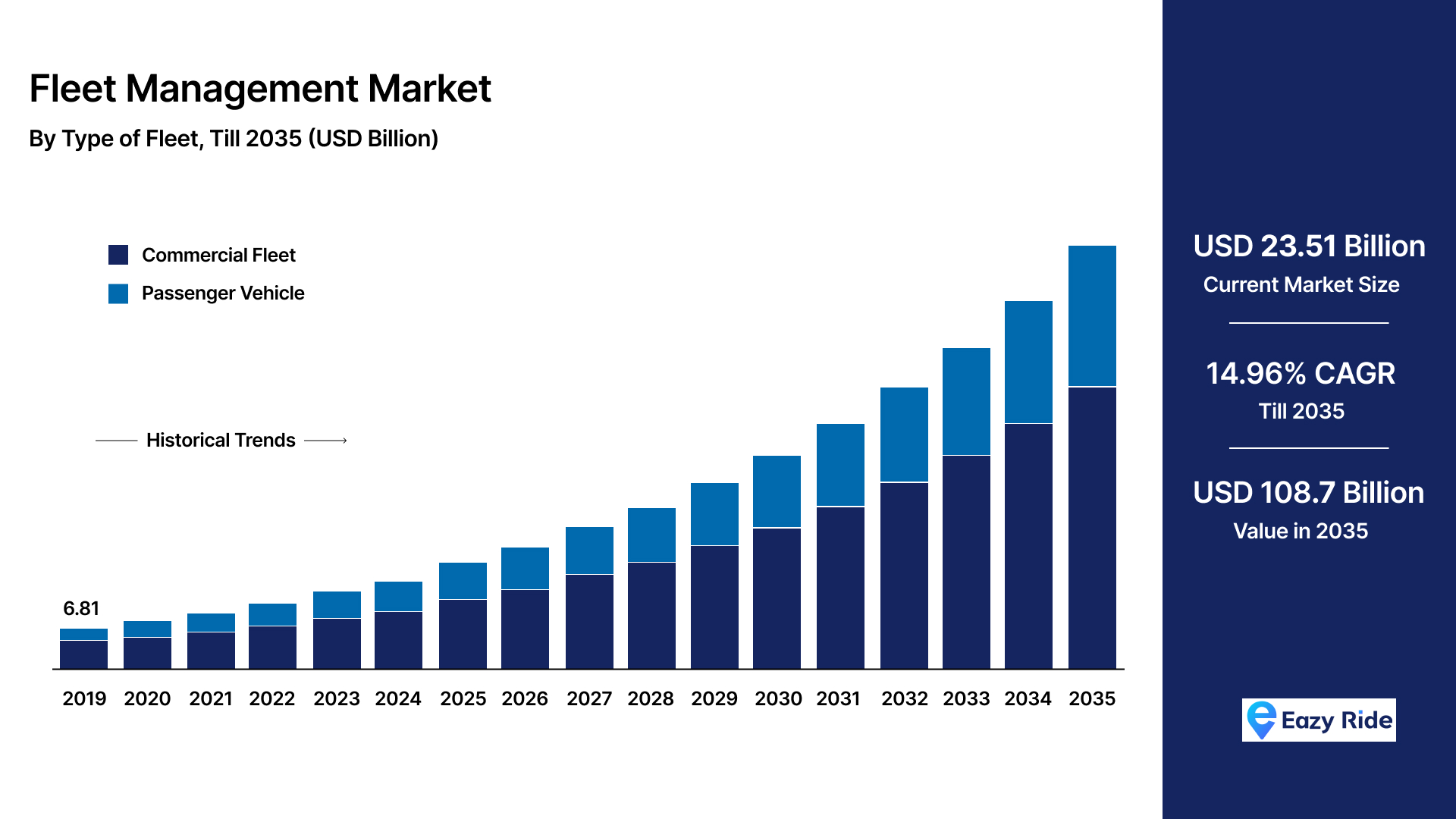
Fleet management is necessary to streamline the operation of vehicles, monitor driver behavior, ensure compliance with safety regulations, and reduce costs associated with accidents, maintenance, and insurance. By integrating fleet management systems, businesses can optimize vehicle usage, improve safety, and enhance overall operational efficiency.
Objectives of a Fleet Safety Program
A fleet safety program is designed to achieve several key objectives that contribute to a safer and more efficient operation:
- Risk Mitigation: Identifying and managing potential risks is key to preventing accidents. By using data and monitoring tools, businesses can spot issues early and take preventive actions before they lead to incidents.
- Improved Driver Health and Safety: Ensuring the well-being of drivers is crucial. Providing regular health assessments and managing factors like fatigue can greatly reduce the risk of accidents caused by impaired driver health or concentration.
- Enhanced Operational Efficiency: Optimizing fleet operations not only ensures safety but also improves overall performance. Efficient route planning and vehicle utilization reduce the chances of accidents while also cutting down on operational costs.
- Legal and Regulatory Compliance: Following safety regulations and standards is essential to avoid legal penalties and ensure the fleet operates within the bounds of the law. Keeping up with regulatory modifications and ensuring compliance helps maintain a secure and lawful operation.
- Cost Reduction: Reducing the costs associated with accidents, vehicle repairs, and insurance premiums is an ongoing objective. Proactive maintenance and monitoring can help minimize unexpected breakdowns and accidents, lowering long-term costs.
- Driver Accountability and Performance Tracking: Tracking driver performance is essential to promote safe driving behavior. By using telematics and driver scoring systems, fleet managers can monitor and encourage safe driving practices, leading to fewer incidents.
- Continuous Improvement: A fleet safety program should evolve over time. Regularly reviewing safety performance, learning from incidents, and implementing new strategies ensures that the fleet’s safety standards are always improving.

With clear objectives in mind, it’s now time to understand why these safety measures are so vital to your fleet’s success. Let’s get into why a fleet safety program matters in the first place.
Why is a Fleet Safety Program Important?
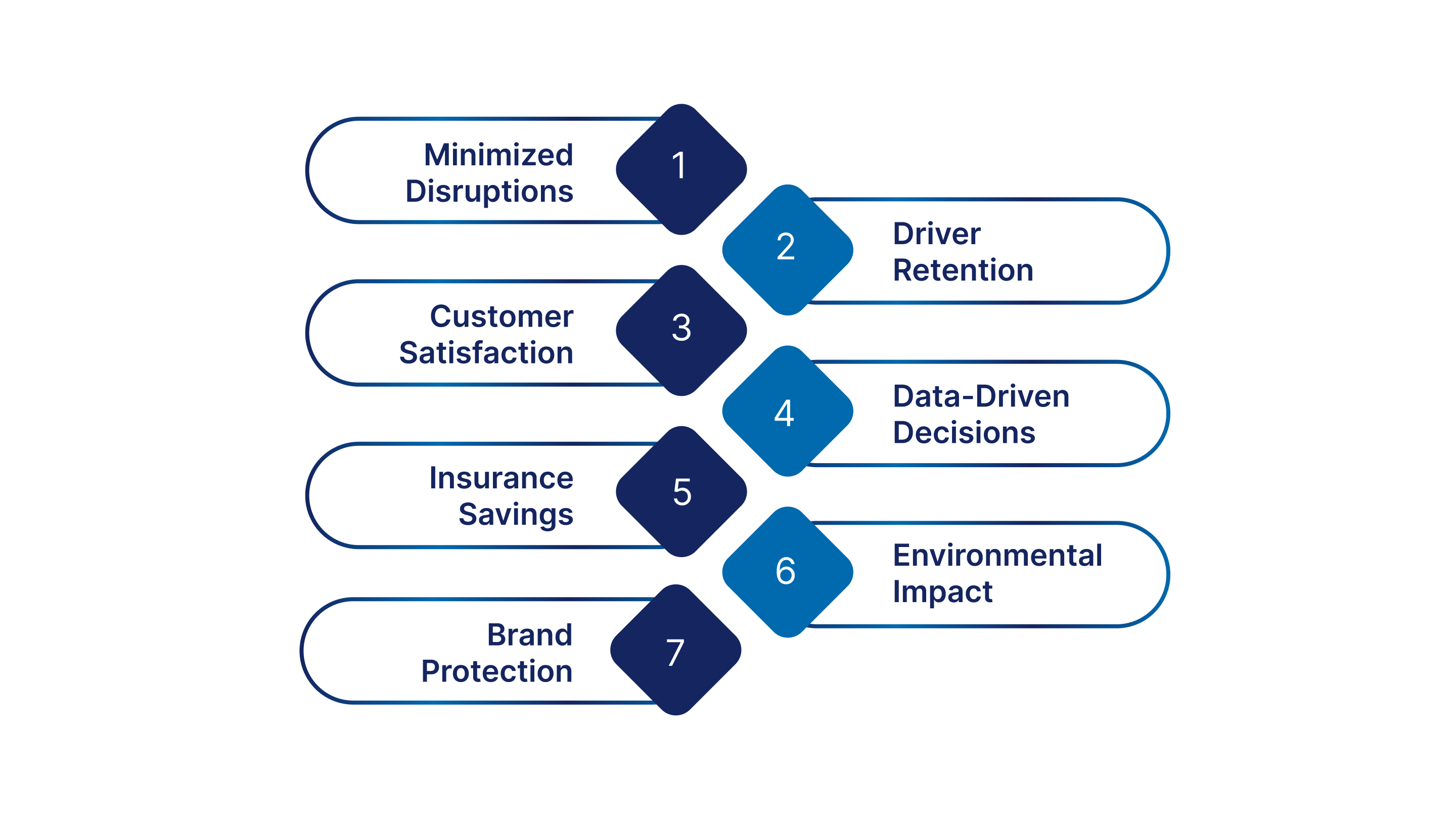
A fleet safety program is essential for ensuring the safe operation of vehicles and protecting both the people using them and the assets involved. Implementing a robust safety program not only prevents accidents but also reduces operational disruptions, legal liabilities, and long-term costs:
Key Reasons Why a Fleet Safety Program is Important
- Boosts Productivity with Fewer Disruptions: Fleet safety programs minimize the number of accidents and breakdowns, which directly translates to less downtime for vehicles and drivers. This leads to more consistent service and improved overall productivity.
- Helps Retain Skilled Drivers: Drivers value workplaces that prioritize their safety. By providing comprehensive training and using safety-focused technology, you show employees that their well-being matters, which can improve retention rates and reduce turnover.
- Enhances Customer Satisfaction: A fleet that operates smoothly, without incidents or delays, improves customer satisfaction. Consistent, on-time service builds trust and loyalty, making safety a key competitive advantage for businesses in industries like logistics or shared mobility.
- Provides Valuable Data for Decision-Making: With the integration of telematics and real-time tracking, fleet safety programs collect data that not only helps improve safety but also provides actionable insights into driver performance, fuel efficiency, and operational bottlenecks, enabling smarter business decisions.
- Improves Insurance Rates and Reduces Claims: A company with a documented fleet safety program and fewer accidents can negotiate lower insurance premiums. Insurers often reward businesses that can demonstrate a commitment to safety, making it a cost-effective strategy in the long run.
- Minimizes Environmental Impact: Fleet safety programs often incorporate best practices for reducing fuel consumption and vehicle wear. With regular vehicle maintenance and optimal driving behavior, businesses can decrease carbon footprint and contribute to sustainable missions, while also cutting down on operational costs.
- Protects Brand Reputation and Legal Standing: Accidents can damage your reputation and lead to costly lawsuits. A fleet safety program helps prevent accidents and mitigates legal risks, protecting your business from both financial loss and negative publicity.
As you can see, the benefits of a fleet safety program extend far beyond just accident prevention. But how do you make sure that your program is actually working and delivering results?
7 Essential Elements of Fleet Safety Programs
Ensuring the safety of your fleet is not only essential for the protection of your drivers and vehicles but also for the long-term success of your business. A well-structured fleet safety program is crucial for reducing accidents, preventing costly downtime, and promoting a culture of safety.
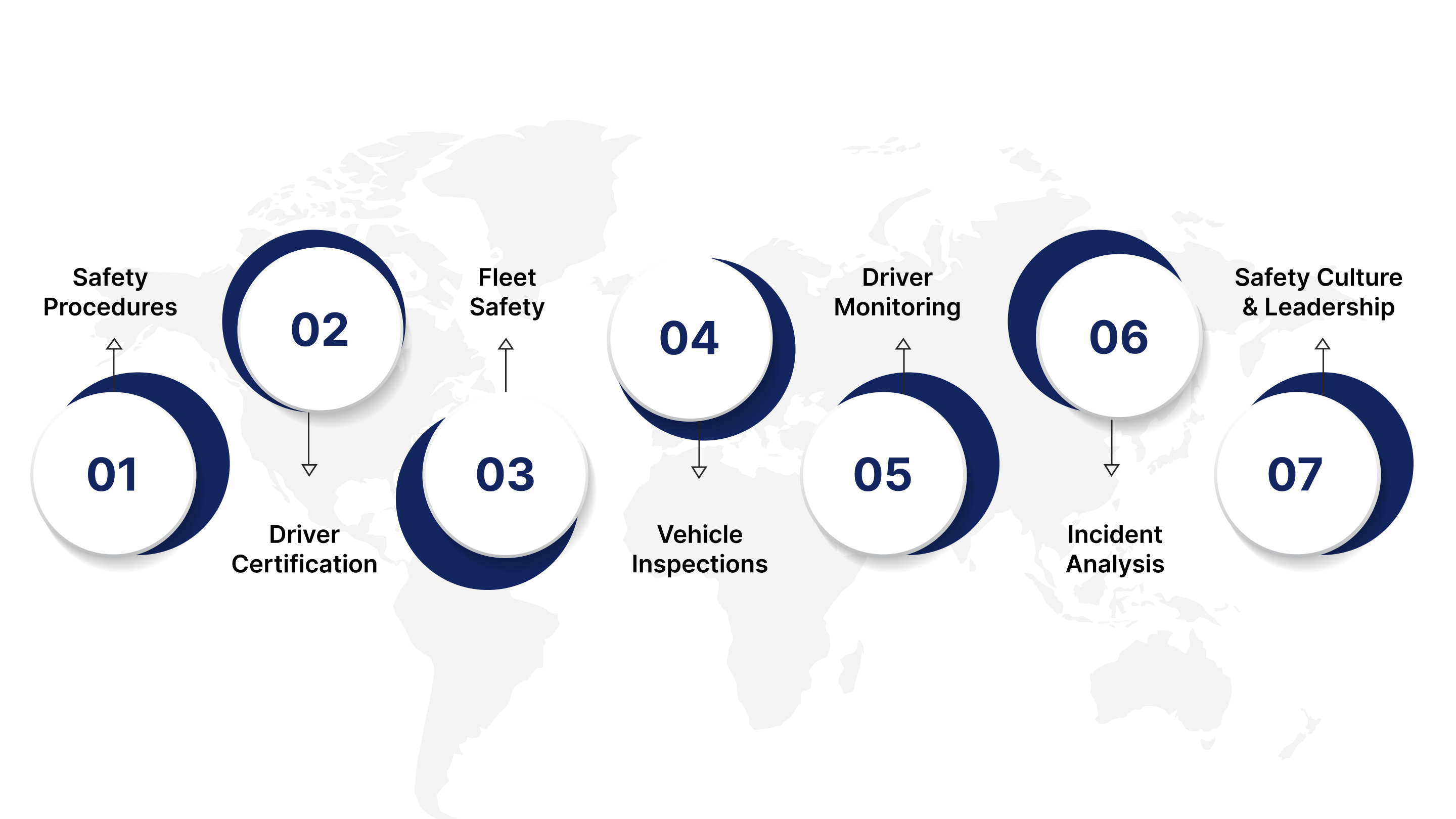
Whether you’re managing a fleet of bikes, e-scooters, or cars, the following elements should be integrated into your fleet safety program to ensure optimal safety and efficiency.
1. Clear Safety Policies and Procedures
A solid fleet safety program begins with clear and concise safety policies and procedures. These guidelines should outline the expectations for safe driving, vehicle maintenance, and handling specific fleet operations.
Key Components of Safety Policies:
- Driver Behavior Guidelines: Establish rules on speeding, alcohol, and mobile phone usage while driving.
- Vehicle Maintenance Protocols: Define routine checks for tire pressure, brakes, lights, and other safety-critical components.
- Emergency Procedures: Outline steps for drivers to follow in case of an accident or breakdown.
Clear, well-communicated policies ensure that all drivers and fleet managers know the safety expectations and their role in maintaining safety standards.
2. Regular Driver Training and Certification
Ongoing driver education and training are essential for ensuring that your fleet drivers remain safe on the road. Regular training helps drivers stay up to date with new safety technologies, regulations, and best practices.
Key Training Focus Areas:
- Defensive Driving: Teach drivers to anticipate and respond to potential hazards.
- Accident Prevention: Provide training on techniques to avoid collisions and reduce risk.
- Fleet Safety Technologies: Train drivers on the use of telematics, geofencing, and real-time tracking tools.
By equipping your drivers with the right knowledge and skills, you minimize the risk of accidents and enhance overall fleet safety.
3. Use of Fleet Safety Technology
Advancements in technology have greatly improved the safety of fleet operations. Integrating safety technologies can help monitor driving behavior, vehicle health, and even predict potential risks before they happen.
Essential Fleet Safety Technologies:
- Telematics Systems: Real-time data on driver speed, braking, and overall driving behavior.
- Dash Cams: Provide visual evidence in case of accidents and help review incidents for training purposes.
- Automatic Collision Alerts: Alerts that notify fleet managers of potential collisions and provide real-time assistance.
Investing in these technologies not only enhances safety but also provides data-driven insights to improve decision-making and fleet management.
4. Vehicle Maintenance and Inspections
Regular vehicle maintenance is a key pillar of any successful fleet safety program. A well-maintained vehicle is less likely to experience mechanical failures, ensuring both safety and reliability.
Maintenance Best Practices:
- Scheduled Inspections: Conduct regular inspections on all vehicles, including checking brakes, tires, lights, and other safety systems.
- Proactive Maintenance: Replace worn-out parts and perform routine maintenance to avoid unexpected breakdowns.
- Documentation: Keep detailed records of maintenance schedules, repairs, and inspections for each vehicle.
Consistent vehicle checks help avoid accidents caused by mechanical failure, ensuring your fleet remains safe and operational.
5. Driver Monitoring and Feedback Systems
Continuous monitoring of driver performance and providing regular feedback can lead to improved driving habits and safer fleet operations.
Key Monitoring and Feedback Methods:
- Telematics Data: Use data from telematics systems to track metrics like speed, harsh braking, and acceleration.
- Driver Scoring Systems: Implement a driver scorecard to track safety behaviors and encourage improvement.
- Incentives for Safe Driving: Offer rewards for drivers who consistently adhere to safety guidelines.
Monitoring your drivers and providing constructive feedback helps in fostering a safety-conscious driving culture within your fleet.
6. Incident Reporting and Analysis
In the unfortunate event of an accident, it’s important to have a clear system in place for reporting and analyzing incidents. This process allows you to address the root causes of accidents and take corrective actions.
Steps for Incident Reporting:
- Immediate Reporting: Ensure drivers report accidents or safety-related issues immediately through a centralized system.
- Investigation: Analyze the incident to determine the cause and whether it was preventable.
- Corrective Actions: Implement changes in training, policies, or procedures to avoid similar incidents in the future.
A well-structured incident reporting and analysis system helps identify areas for improvement and strengthens your fleet safety program over time.
7. Safety Culture and Leadership
Building a safety-first culture starts with leadership. When leaders demonstrate a commitment to safety, it sets the tone for the entire organization.
Building a Safety Culture:
- Leadership by Example: Ensure that fleet managers and supervisors lead by example in adhering to safety protocols.
- Employee Involvement: Encourage drivers to participate in safety initiatives and offer suggestions for improvements.
- Regular Safety Meetings: Hold safety meetings to discuss performance, challenges, and best practices.
Creating a culture where safety is prioritized and valued by everyone in the organization leads to improved fleet safety outcomes.
Also read: AI-Driven Fleet Management Prediction, Optimization and Automation
Now that we’ve covered the essential components of a fleet safety program, it’s time to explore how you can effectively measure its success and impact on your fleet.
How to Measure the Success of Your Fleet Safety Program
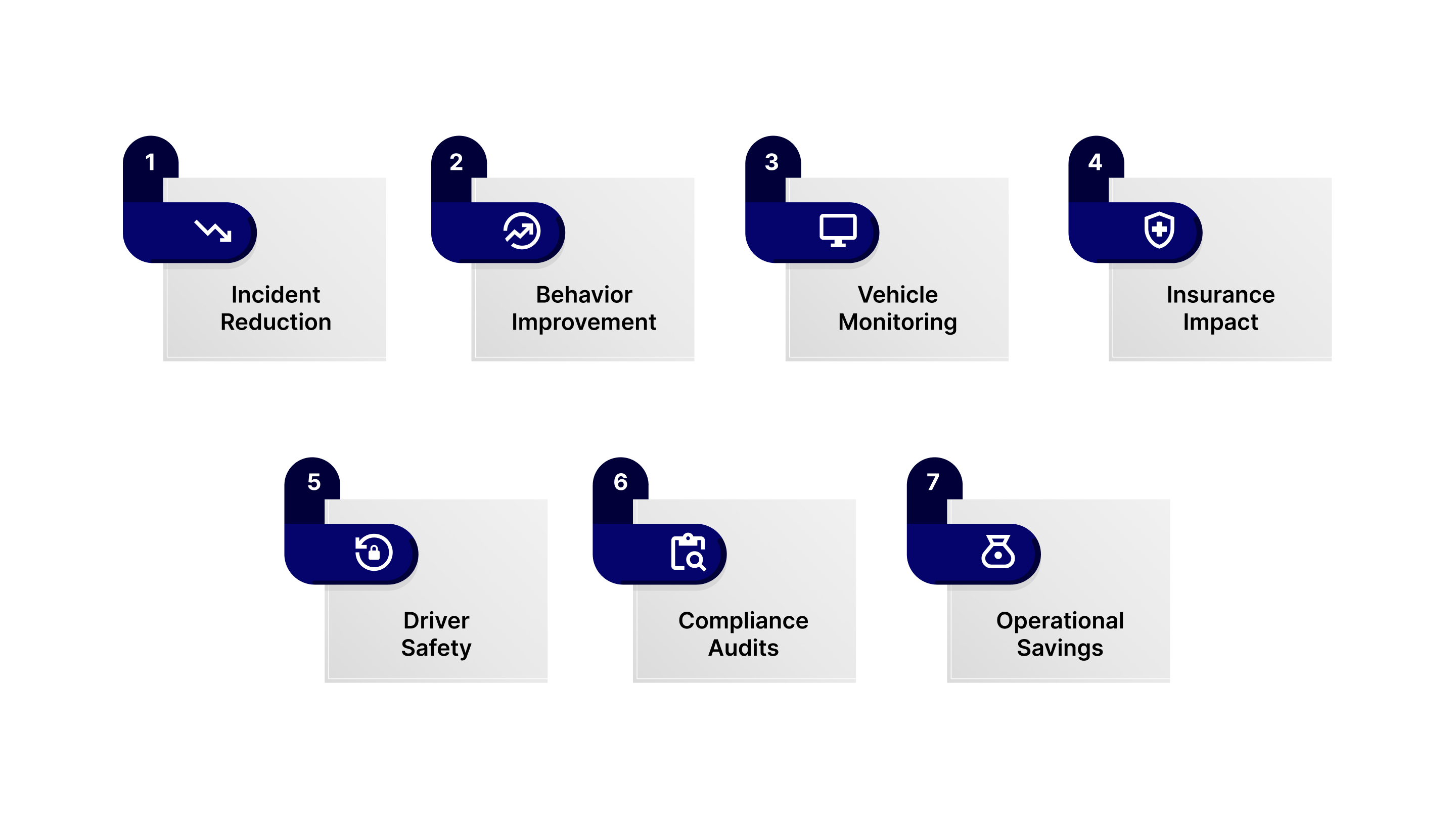
Measuring the success of your fleet safety program goes beyond tracking accident rates; it involves evaluating how effectively the program enhances overall operational efficiency, reduces risks, and promotes a safety-first culture. By leveraging data, technology, and feedback, you can gain valuable insights into your fleet’s safety performance. Here’s how to track and assess the true impact of your safety initiatives:
Key Metrics to Track for Fleet Safety Success:
Reduction in Incident Frequency and Severity
While a decrease in accidents is an obvious measure of success, it’s important to differentiate between minor and severe incidents. Use telematics data to track not only the number of incidents but also the types of accidents (e.g., fender benders vs. major collisions). For example, if minor collisions or near-misses decrease over time, it indicates that the safety measures are effectively preventing more serious accidents from occurring.
Driver Behavior Analysis and Improvement
Driver behavior is at the core of fleet safety. By tracking specific metrics such as speed violations, harsh braking, and rapid acceleration through telematics, you can evaluate whether drivers are following safe practices.
A fleet safety program’s success can be measured by the degree to which driver behavior improves over time, reducing high-risk behaviors. In addition, set specific goals for reducing risky driving behaviors, such as a decrease in harsh braking incidents in the next quarter and monitor progress.
Maintenance and Vehicle Health Monitoring
Fleet safety is also about vehicle readiness. A key indicator of success is the reduction in vehicle breakdowns and emergency repairs. Implement predictive maintenance tools that alert you to potential issues before they cause problems.
By tracking the frequency of unexpected breakdowns and comparing maintenance costs before and after implementing your safety program, you can gauge how well it’s keeping your fleet in optimal condition. An efficient safety program should help reduce costly repairs and downtime, contributing to a smoother operation.
Impact on Insurance Claims and Premiums
Insurance premiums are a strong financial indicator of the effectiveness of your fleet safety program. If your program is successful, you should see a decrease in claims over time, leading to reduced premiums.
Analyze the cost savings from reduced insurance claims and compare it against the cost of implementing your safety program. For example, a significant reduction in claims may justify the investment in telematics or advanced safety technologies, such as collision avoidance systems, and offer a solid return on investment.
Driver Engagement and Safety Awareness
Measuring the engagement level of your drivers is crucial for understanding the effectiveness of your safety training programs. Conduct regular surveys or hold focus groups with drivers to assess their perception of safety measures and whether they feel empowered to follow safety protocols.
Additionally, tracking participation in safety-related training programs and offering incentives for safe driving behavior can help measure how committed your drivers are to maintaining a safe fleet. High engagement levels and positive feedback can indicate that the safety culture is being effectively ingrained in your workforce.
Suggested read: Fleet Maintenance and Management Guide 2025
Regulatory Compliance and Audit Performance
Compliance with safety regulations is not just a legal necessity; it’s a critical aspect of any fleet safety program. Regular internal audits and third-party assessments should be conducted to ensure your fleet is adhering to local, state, and federal regulations.
Key compliance metrics include timely vehicle inspections, valid driver licenses, and accurate reporting of safety-related incidents. Success can be measured by tracking your fleet’s audit performance—fewer compliance violations and smoother audits show the program is on track.
Cost Savings and Operational Efficiency
Beyond the financial savings from reduced accidents and insurance premiums, consider the broader impact of fleet safety on your bottom line. A decrease in vehicle downtime, fewer accidents, and better fleet performance can translate into increased operational efficiency and cost savings.
Measure these savings over time by tracking key operational metrics like on-time delivery rates, fuel consumption, and vehicle utilization. If your safety program is successful, you should see improvements in these areas as well, reflecting an overall enhancement in fleet operations.
Tracking these metrics will give you valuable insights into your fleet’s safety performance. Ready to take your fleet safety to the next level? Let’s explore how EazyRide can help you optimize your program.
Enhance Your Fleet Safety with EazyRide
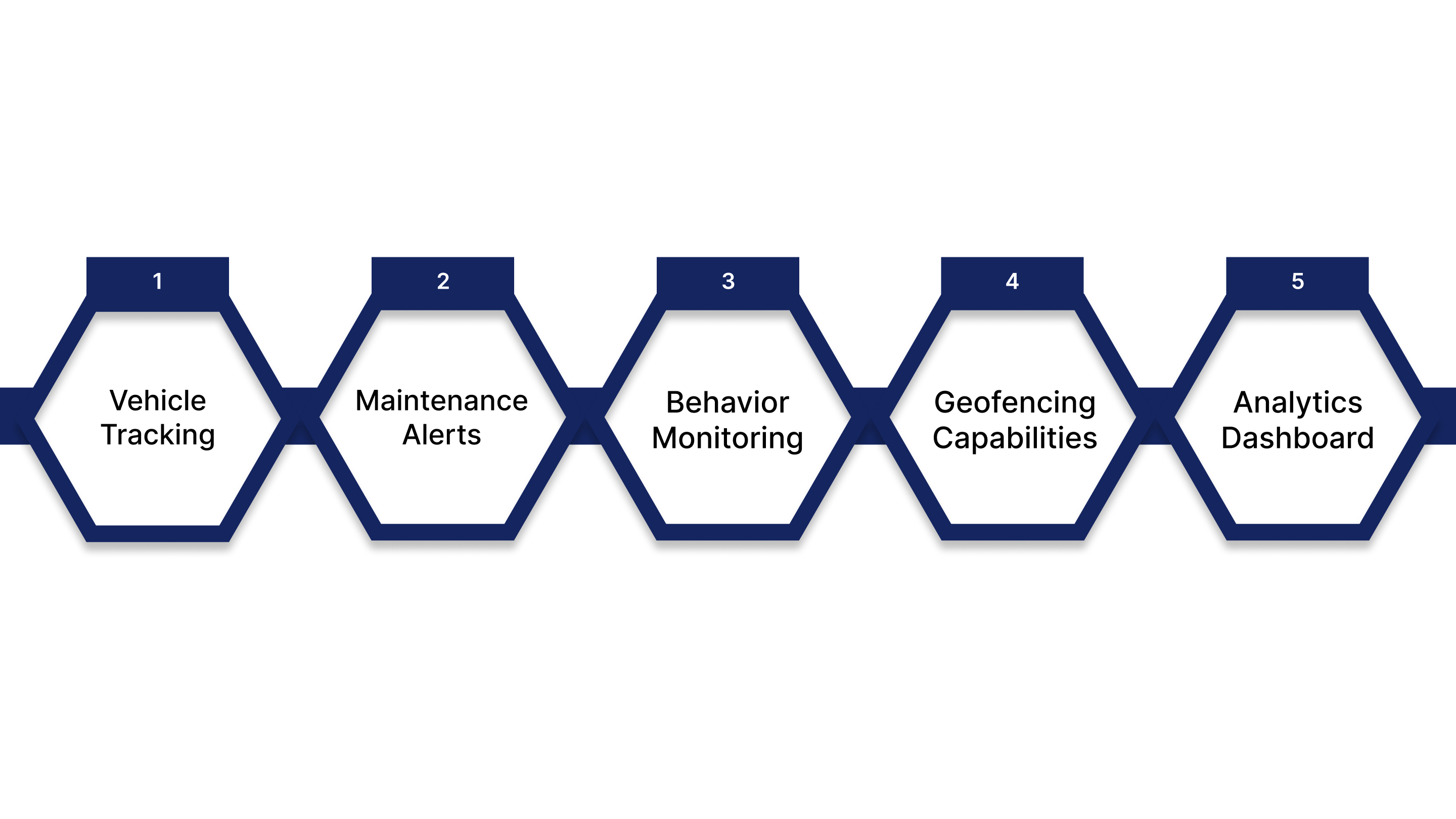
Ensuring the safety of your fleet is critical, but managing it efficiently can be challenging. EazyRide’s all-in-one fleet management platform is designed to help you track and optimize every aspect of your fleet safety program. With advanced telematics, real-time vehicle monitoring, driver behavior analysis, and maintenance tracking, EazyRide provides the tools you need to measure and enhance fleet safety.
Key Fleet Safety Features:
- Real-Time Vehicle Tracking: Monitor the exact location and status of each vehicle, enabling prompt responses to incidents and efficient fleet management.
- Predictive Maintenance Alerts: Receive timely notifications about potential maintenance issues, allowing for proactive servicing and minimizing unexpected breakdowns.
- Driver Behavior Monitoring: Analyze driving patterns to identify and address unsafe behaviors, promoting safer driving practices across your fleet.
- Geofencing Capabilities: Set virtual boundaries to ensure vehicles operate within designated areas, enhancing security and compliance.
- Comprehensive Analytics Dashboard: Access detailed reports on fleet performance, incident trends, and maintenance history to inform data-driven decisions.
Take control of your fleet’s safety today with EazyRide. Get started and see how our platform can help you create a safer, more efficient fleet that reduces risks and enhances performance.
Conclusion
A comprehensive fleet safety program is more than just a set of rules. It’s a strategic framework that drives operational efficiency, reduces risks, and enhances the overall health of your fleet. By implementing the right safety policies, providing consistent driver training, leveraging advanced technologies, and continuously evaluating performance, your business can achieve a safer, more reliable fleet. However, managing fleet safety effectively requires the right tools to monitor, track, and optimize every aspect of your operations.
Ready to take control of your fleet’s safety? EazyRide’s all-in-one fleet management platform offers real-time tracking, predictive maintenance alerts, and driver behavior analytics, helping you optimize your fleet’s safety and efficiency.
With our scalable solutions, you can take the next step toward building a safer and more reliable fleet, reducing risks and improving operational performance. Get started today!
FAQs
1. How can fleet safety programs improve company-wide culture?
A well-implemented fleet safety program can foster a culture of responsibility and accountability across the organization. It ensures that safety isn’t just a priority for drivers but is ingrained in every employee’s mindset, from management to support staff. This cultural shift can lead to better compliance, improved teamwork, and a stronger focus on overall operational safety.
2. How can fleet safety programs contribute to environmental sustainability?
A focus on safe and efficient fleet operations can reduce fuel consumption, optimize routes, and lower carbon emissions. By promoting safe driving behaviors like reduced idling and encouraging the use of eco-friendly vehicles, fleet safety programs contribute to the organization’s environmental goals while also cutting down on fuel-related costs.
3. What technologies can complement a fleet safety program beyond telematics?
In addition to telematics, fleet safety can be enhanced by technologies like dash cams, automatic braking systems, and collision avoidance sensors. These tools provide real-time alerts, record incidents, and even help prevent accidents by providing the driver with timely warnings, ultimately reducing the chances of accidents and improving the overall safety of the fleet.
4. What impact can a fleet safety program have on employee retention?
A well-structured safety program can enhance employee satisfaction and retention by showing drivers that their well-being is a priority. Offering continuous safety training, providing appropriate safety equipment, and ensuring safe working conditions contribute to job satisfaction and can help businesses retain skilled drivers, reducing turnover rates.
5. How can fleet managers ensure ongoing improvement in fleet safety?
To ensure continuous improvement, fleet managers should regularly review performance data, analyze accident trends, and seek feedback from drivers. Implementing safety challenges, offering incentives for safe driving, and staying updated with new safety technologies and industry standards can also help refine the fleet safety program over time.


