
 AllMicro Mobility Model

 19 June, 2025
 Mobility Industry Trends 2026: What’s Changing for Operators and Cities
EVs replacing gas pumps. Cars driving themselves. Urban commutes powered by shared e-scooters. Mobility is no longer just about getting from point A to B—it’s about doing it smarter, cleaner, and more connected than ever before. With groundbreaking shifts in electric vehicles, autonomous driving, and shared mobility, the automotive industry is in the midst of a revolution.
But with so many changes happening at once, it’s not always easy to tell which trends will truly shape the future. For businesses and investors, staying informed about these shifts is key to staying relevant and making the right moves in a fast-changing market.
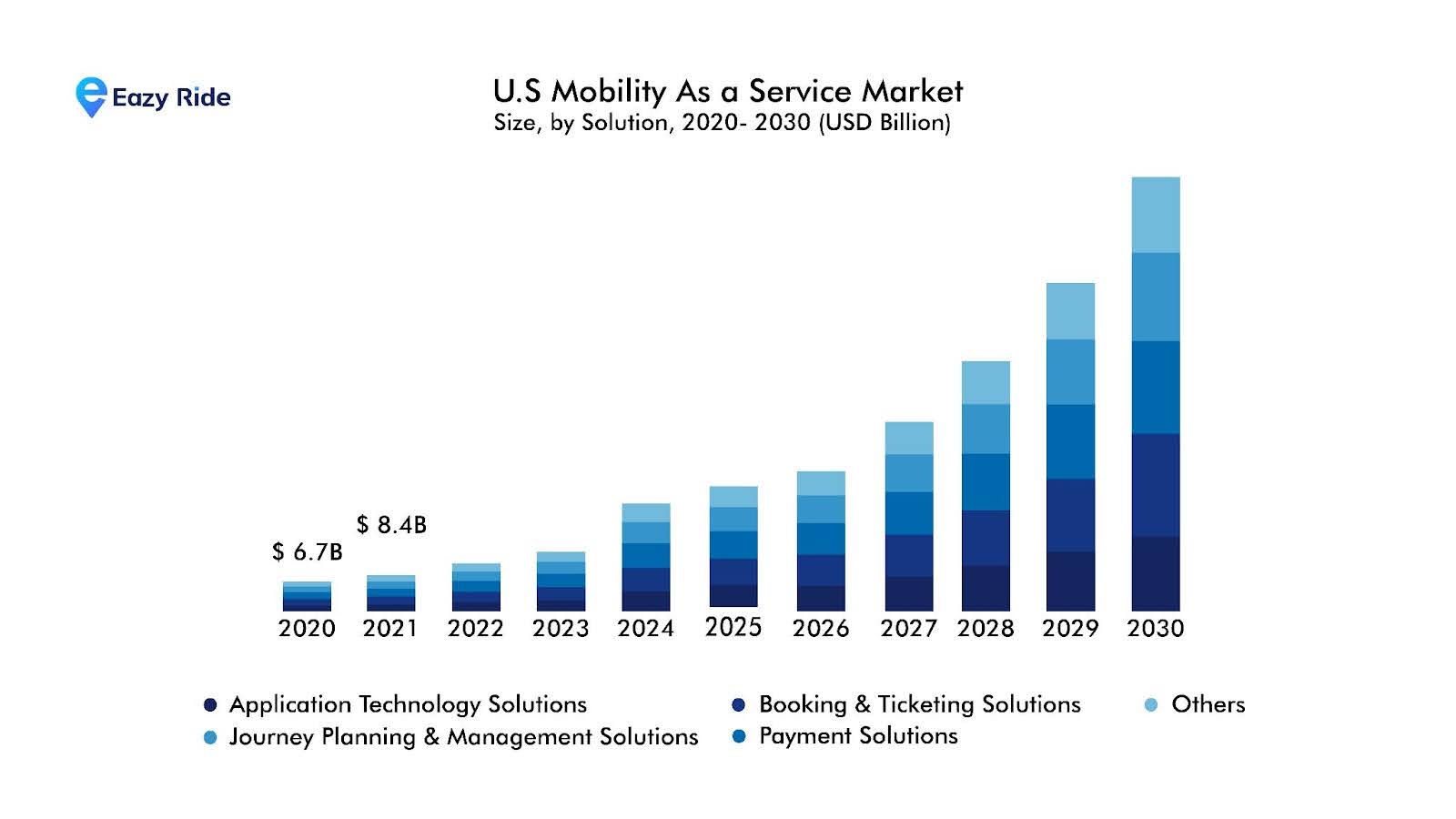
Recent trends indicate significant growth in electrification and shared mobility, with the U.S. mobility-as-a-service market set to expand at a CAGR of 39.3% from 2023 to 2030. These advancements offer new opportunities for companies to innovate and meet shifting consumer demands.
In this blog, we’ll explore the key trends transforming the mobility sector, offering insights into the technologies and business models that will define the future of mobility.
What Does “Mobility” Mean in the Automotive Industry?
In its simplest form, mobility refers to the ability to move freely or be easily moved. In the automotive industry, it involves the seamless movement of people and goods through interconnected systems, where vehicles, infrastructure, and digital technologies work together to enhance efficiency and sustainability.
It also includes the development of systems and services that support how people and goods travel from one place to another.
Key elements of mobility in the automotive sector include:
- Vehicles and Infrastructure: This includes various transportation options, from cars and trucks to buses, as well as the necessary infrastructure like charging stations, roads, and highways that support these vehicles.
- Digital Transformation: Technologies such as electric vehicles (EVs), self-driving cars, and shared mobility services are reshaping how we travel, making transportation smarter and more accessible for everyone.
As the mobility industry evolves, these innovations open up exciting opportunities for businesses. Whether you’re just starting a mobility business or looking to grow an existing one, staying informed about these shifts will help you stay competitive and meet your customers’ changing needs.
Let’s study the key trends shaping the mobility industry’s future now.
6 Key Tech Trends Driving Change in the Mobility Sector
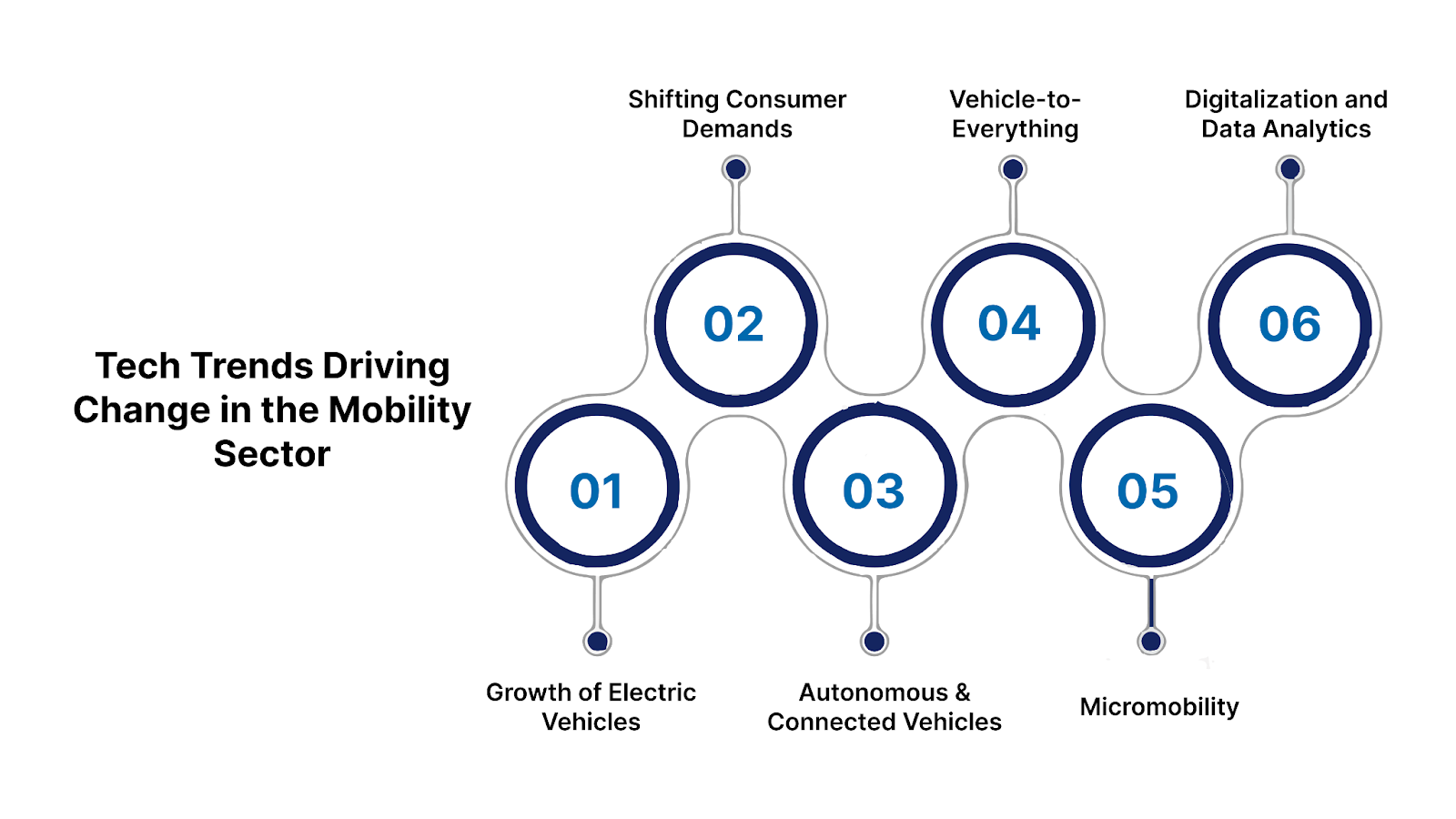
The mobility sector is changing quickly, driven by groundbreaking technological advancements and a shift in consumer behavior.
From electrification and autonomous driving to Mobility-as-a-Service (MaaS), these changes are reshaping how you move and interact with transportation.
Below are the key tech trends that are redefining the future of mobility:
1. The Rise of Electric Vehicles (EVs) and Electrification in the Mobility Industry
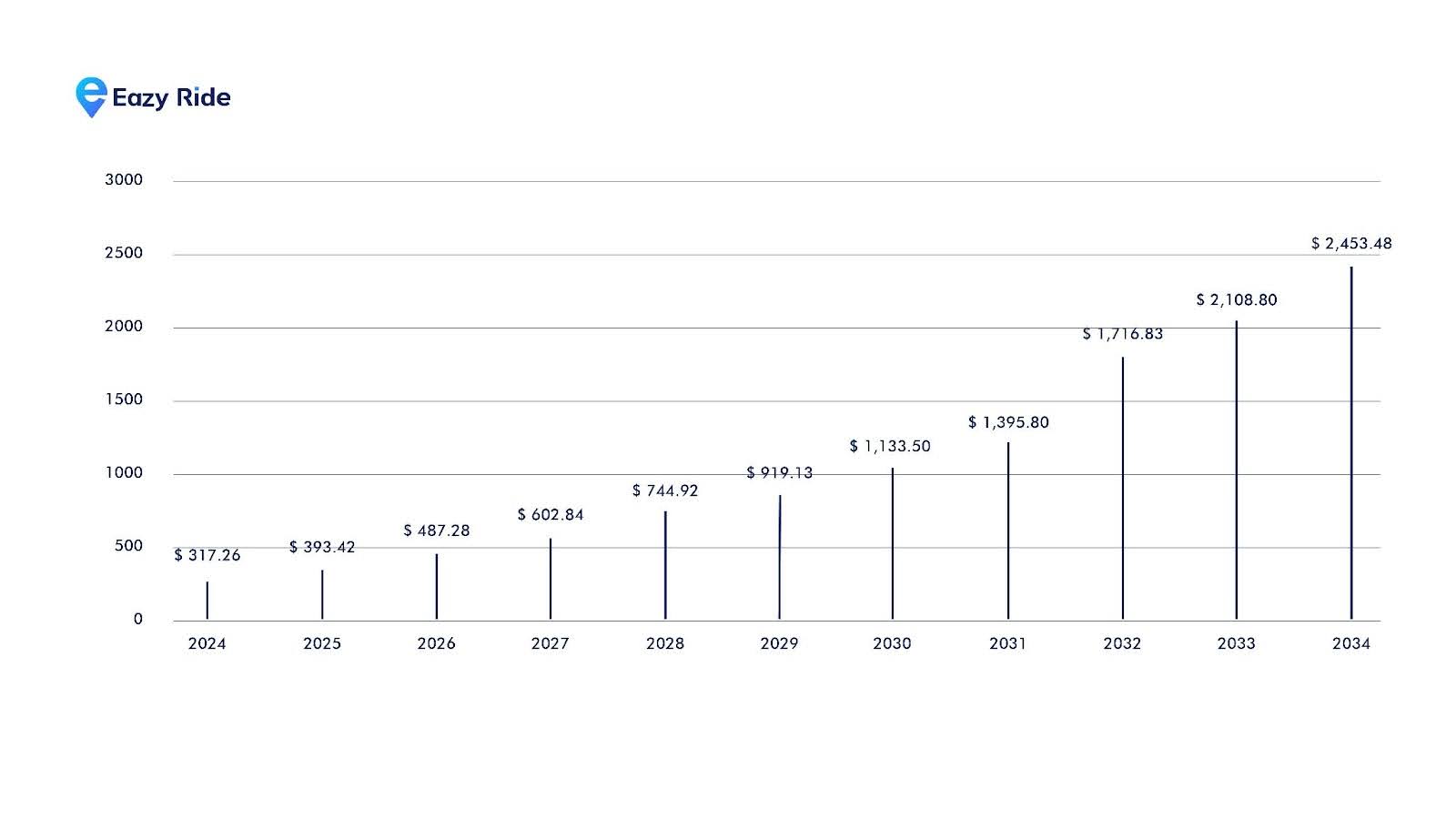
This graph showcases the EV market size from 2024 to 2034 in USD billion.
The mobility industry is undergoing a significant transformation with the rapid adoption of electric vehicles (EVs).
As governments implement stricter emissions regulations and consumer demand for cleaner, more sustainable transportation increases, you, as a fleet operator or mobility service provider, have a key opportunity to integrate EVs into your fleet.
Key Drivers for Your Fleet:
- Environmental Responsibility: Transitioning to EVs helps you meet regulatory requirements while improving your brand image in the market.
- Operational Efficiency: Lower maintenance costs and fewer moving parts make EVs a cost-effective long-term investment for your fleet.
- Battery Advancements: Breakthroughs in battery technology are improving energy density, reducing charging times, and making EVs more accessible.
Optimize your electric fleet with EazyRide and its advanced multi-vehicle support and geofencing capabilities. Enhance efficiency and sustainability today.
As a fleet operator, adopting EVs will help you reduce operational costs and stay competitive in the growing mobility sector.
2. Shifting Consumer Demands: The Growth of Shared Mobility and MaaS
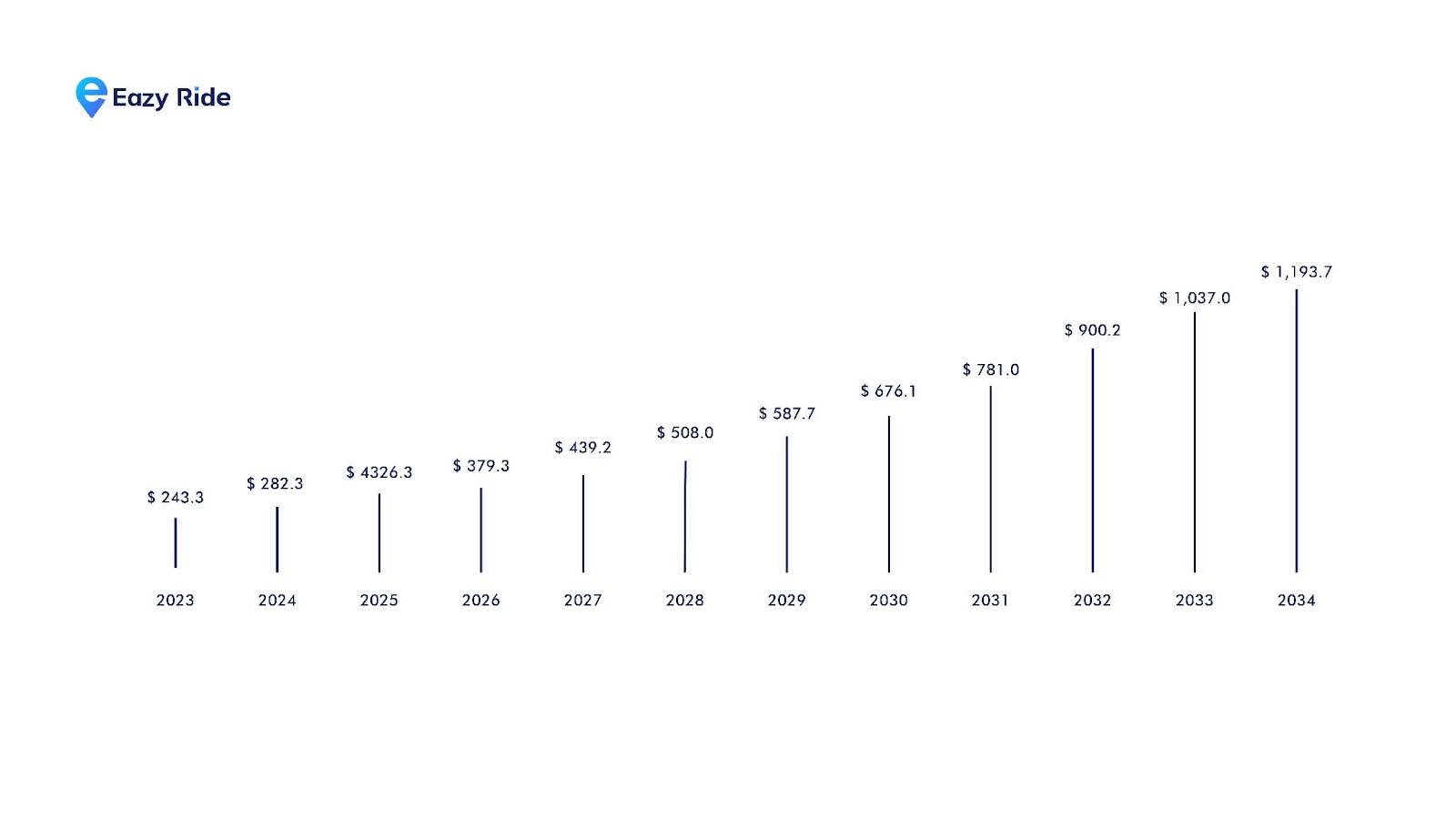
The graph showcases the shared mobility market revenue in USD billion.
Consumer preferences are evolving, with a growing number of individuals and businesses opting for shared mobility solutions over private vehicle ownership. This shift is driving the growth of Mobility-as-a-Service (MaaS) platforms, which offer integrated transportation options all on a single platform.
How MaaS Can Benefit You as an Entrepreneur or Fleet Operator:
- Convenience: MaaS platforms give your users access to a variety of transportation options, including ride-hailing, e-scooters, and public transit, all through a single app.
- Cost-Efficiency: Shared mobility reduces the need for vehicle ownership, benefiting both your rental business as well as your customers.
Market Growth:
- The global MaaS market is expected to grow by $456.64 billion from 2023 to 2027, reflecting the increasing demand for on-demand mobility solutions.
Elevate your shared mobility services with EazyRide, and its group ride features and seamless multi-vehicle management. Deliver convenience and flexibility to your users
As entrepreneurs and fleet operators, integrating MaaS solutions into your services will allow you to stay ahead of the curve in urban mobility. By integrating various services, MaaS will also enable your users to find the most efficient routes and payment methods for their trips.
3. Autonomous Vehicles (AVs) and Connected Mobility
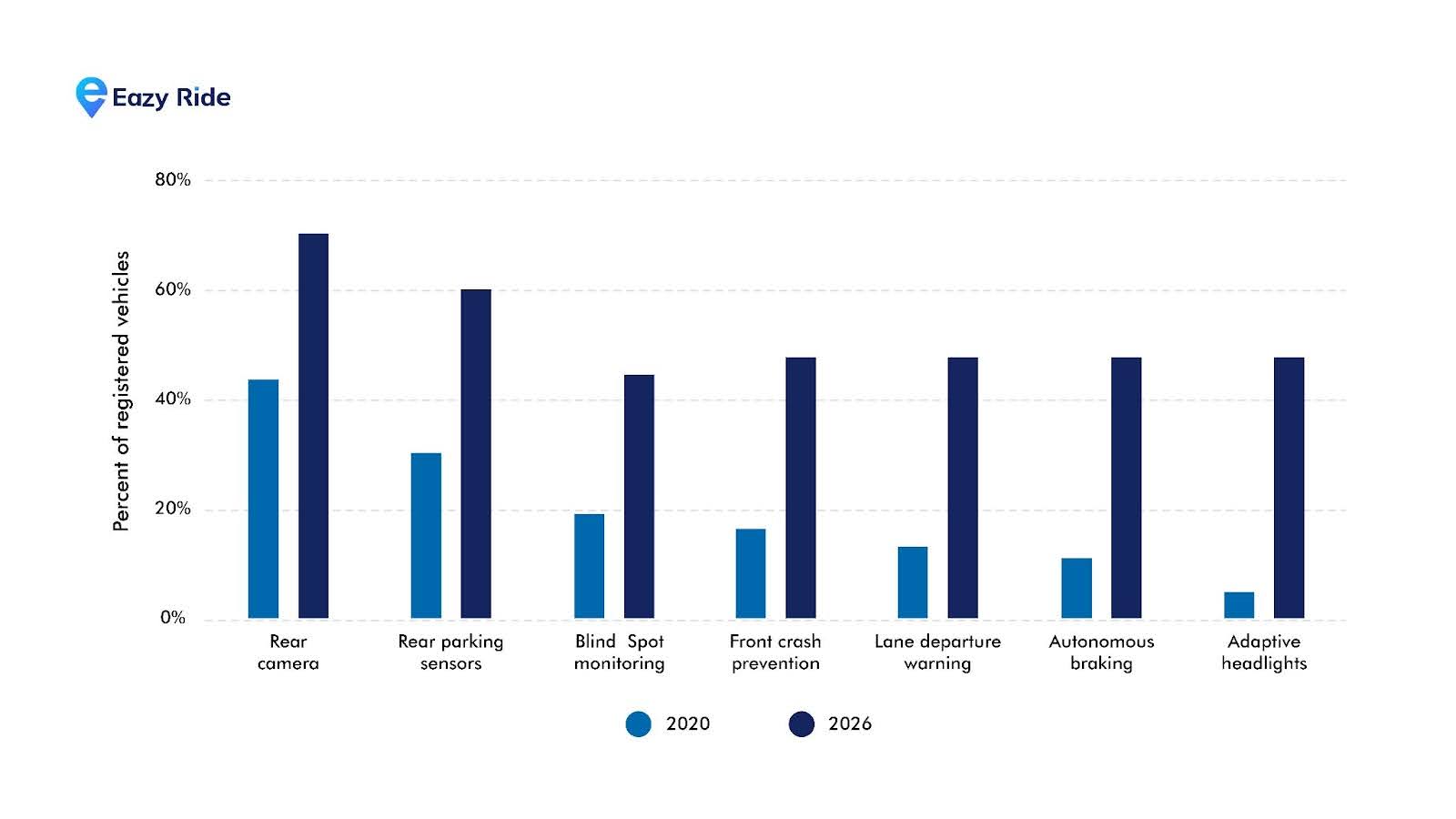
This graph showcases the estimated percentage of registered vehicles by ADAS features from 2020 to 2026.
Autonomous vehicles (AVs) are transforming the mobility sector by improving efficiency and safety. With advancements in AI and vehicle-to-everything (V2X) connectivity, AVs are becoming increasingly viable for you as a mobility service provider, fleet operator, and institutional buyers looking for innovative solutions.
Benefits of AVs for Your Business & Fleet:
- Cost Reduction: By adopting AVs, you can reduce the need for human drivers and lower operational costs.
- Safety: AVs are equipped with AI-driven systems and advanced sensors that enhance safety, minimizing the risk of accidents.
- Efficiency: Real-time data from AVs enables you to optimize routes, saving both time and money.
Market Potential:
- The autonomous vehicle market is forecasted to grow at a CAGR of 38.8%, reaching USD 1,808.44 billion by 2030, thanks to companies increasingly investing in AV technologies.
This integration of connected mobility will lay the foundation for a new era of transportation, one that is safer, more efficient, and accessible to a broader range of users you cater to.
4. Vehicle-to-Everything (V2X): Enhancing Connectivity and Safety
V2X (Vehicle-to-Everything) communication is transforming how vehicles interact with their surroundings. This real-time communication improves safety, traffic flow, and operational efficiency, offering significant value for you as a fleet operator or mobility service provider.
V2X Benefits for Your Fleet:
- Safety: V2X allows vehicles to communicate with nearby infrastructure, pedestrians, and other vehicles, enhancing coordination and avoiding accidents.
- Efficiency: It optimizes traffic flow by adjusting routes based on real-time data from connected systems, reducing congestion.
- Fleet Coordination: Using geofencing and location tracking, you can manage your fleet more efficiently, improving operational control.
Market Growth:
- The V2X market is expected to grow at a CAGR of 51.9%, driven by the increasing adoption of autonomous vehicles and the demand for smarter cities.
Enhance safety and connectivity with EazyRide’s geofencing technology and real-time location tracking. Ensure smarter and safer journeys for all.
V2X technology will be instrumental in improving the overall transportation ecosystem, providing your drivers with enhanced safety features and allowing cities to better manage traffic flows.
5. Micromobility: E-Scooters and E-Bikes Revolutionizing Urban Travel
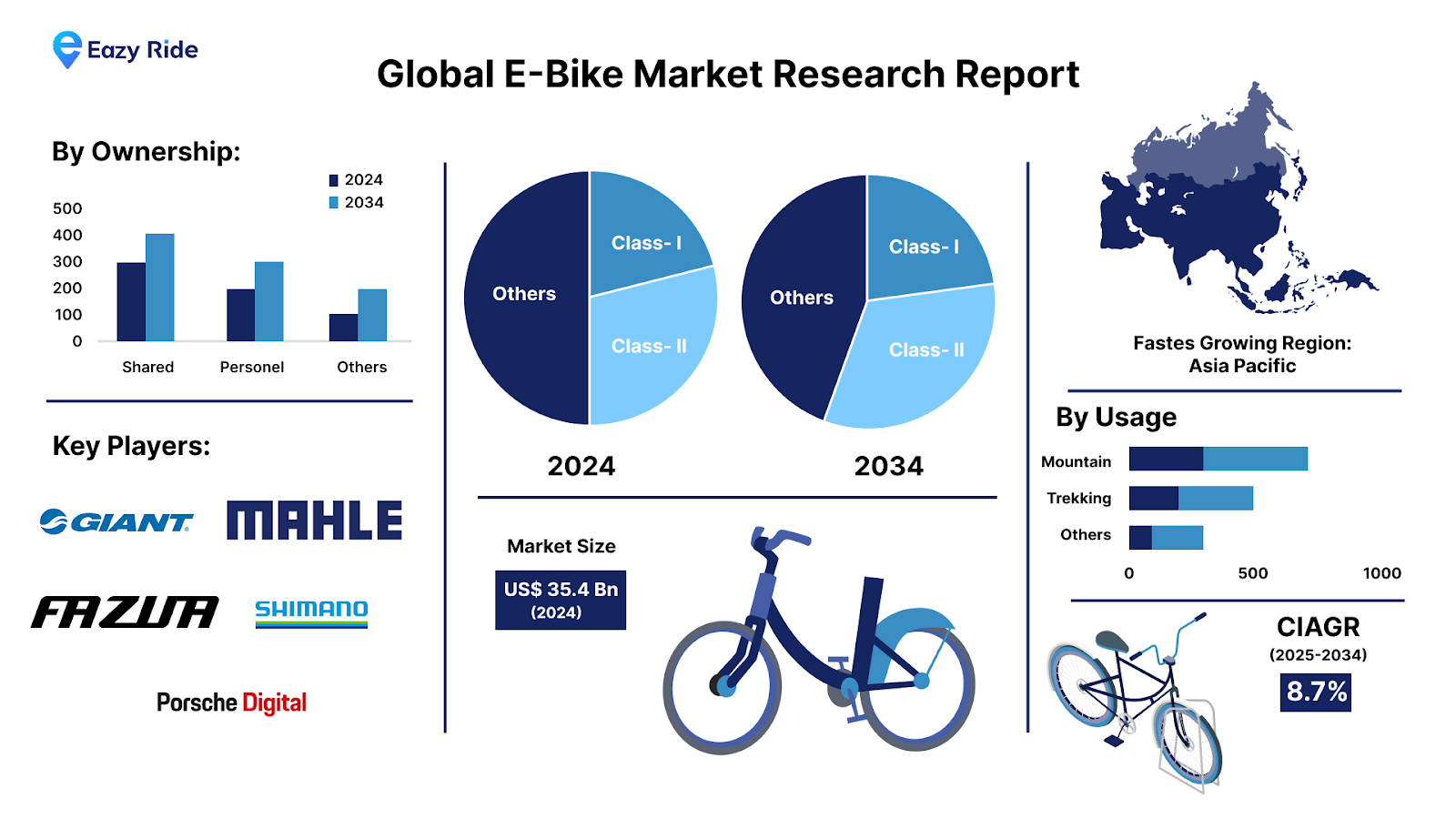
Micromobility solutions like e-scooters and e-bikes are transforming how people travel in urban areas. These small, electric vehicles provide an eco-friendly and cost-effective alternative to cars, especially for short-distance travel.
For entrepreneurs and fleet operators like yourself, offering these services provides a unique opportunity in the growing urban mobility market.
Why You Should Invest in Micromobility:
- Sustainability: Micromobility reduces reliance on private cars, contributing to lower emissions and improving urban air quality.
- Convenience: E-scooters and e-bikes are ideal for short trips, offering flexibility to your users in urban environments.
- Scalability: Fleet operators like you can easily manage and scale micromobility solutions across multiple locations.
Market Expansion:
- The global e-bike market is projected to grow at a CAGR of 13.5%, reaching USD 52.37 billion by 2030, highlighting the growing demand for sustainable transportation solutions.
Expand your micromobility offerings with EazyRide, utilizing its multi-location-based features to expand your business.
Offering micromobility services will allow you to tap into the growing demand for last-mile connectivity and sustainable travel options.
6. Digitalization and Data Analytics: Optimizing Operations in the Mobility Industry
Digitalization and data analytics are transforming the mobility sector by enhancing operational efficiency and driving innovation. Using AI, IoT, and real-time data, you can make data-driven decisions that optimize fleet management, improve customer experiences, and reduce operational costs, ensuring you have a competitive advantage.
Key Advantages od Digitalization & Data Analytics for Your Fleet:
- Real-Time Data: Track your fleet’s performance, optimize routes, and reduce costs by making data-driven decisions.
- Predictive Maintenance: Proactively manage vehicle maintenance, minimizing downtime and improving service reliability.
- Personalized Services: Usage of AI to offer tailored services based on user behavior, improving customer satisfaction.
With EazyRide, you get a powerful admin dashboard, real-time analytics, and automated maintenance tracking to streamline fleet operations and drive smarter, data-led mobility decisions.
By embracing digital tools, you will stay competitive in the mobility sector while enhancing fleet performance and customer satisfaction. As data-driven technologies evolve, they will optimize individual travel experiences and improve your fleet operations, ensuring long-term success.
Finally, let’s understand how a platform like EazyRide can help you embrace these trends.
EazyRide: Empowering the Future of Mobility
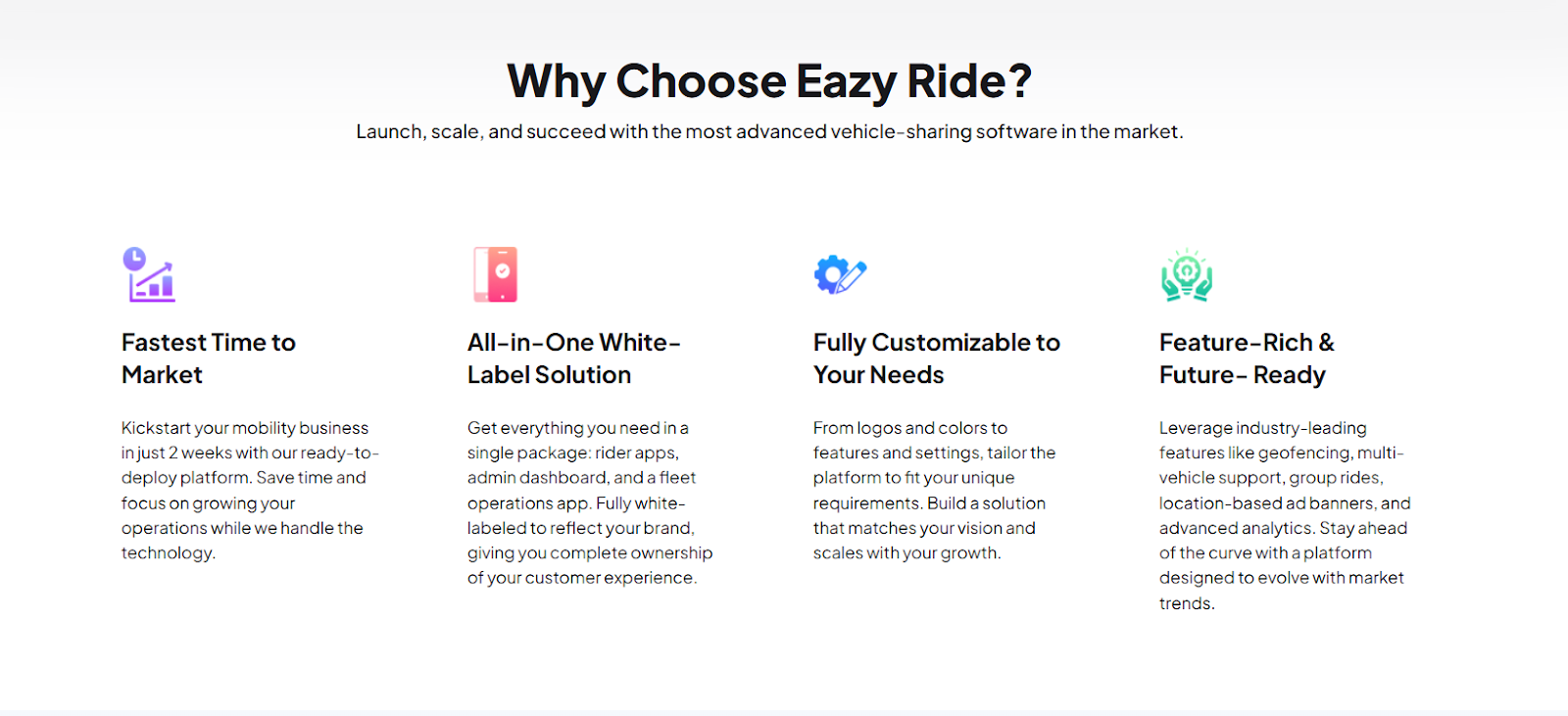
As the mobility industry continues to evolve, embracing digital transformation is essential for staying competitive. EazyRide offers a comprehensive, white-label platform designed to meet the dynamic needs of modern mobility providers.
Key Features:
- Real-Time Fleet Management: Monitor and manage your vehicles, riders, and trips in real-time with detailed logs, ensuring seamless operations.
- Advanced Analytics & Reporting: Gain deep insights into performance metrics, customer behavior, and financial reports to make data-driven decisions.
- Predictive Maintenance: Utilize data analytics to proactively address maintenance issues, minimizing downtime and enhancing service reliability.
- Dynamic Fare Management: Implement flexible pricing strategies, including time-based rates and subscriptions, to optimize revenue and meet market demands.
- Offline Mode (Bluetooth Integration): Maintain seamless operations even in areas with limited connectivity, ensuring uninterrupted service delivery.
- In-App Wallet & Invoicing: Streamline payment processes with integrated wallet functionality and automated invoicing, enhancing user convenience.
- White-Label Customization: Launch fully branded Android and iOS apps tailored to your business identity, providing a cohesive user experience.
By integrating these features, EazyRide empowers mobility companies to optimize operations, enhance user satisfaction, and drive innovation in the mobility sector.
FAQs
1. What are mobility industries?
The mobility industry is divided into three sub-sectors: the flow of goods, which involves transport, logistics, supply chains, and fleet management; the flow of information, including telecom and internet optimization; and the systems that enable both physical and digital movement across industries.
2. What is Mobility as a Service (MaaS)? Can you provide examples?
Mobility as a Service (MaaS) integrates various transport modes into one digital platform. Examples include public transport, bike-sharing, car rentals, and ride-sharing services, all available in one app for greater convenience and flexibility.
3. What are some examples of urban mobility?
Urban mobility includes both non-motorized options like walking, biking, and scooters, as well as motorized options like cars, buses, motorcycles, and metros. These modes form a complex network, helping people navigate cities efficiently.
4. What is an example of community mobility?
Community mobility refers to how people move within their local community, using transportation such as driving, walking, bicycling, or public transport like buses or ridesharing services, making transportation accessible for all.
5. How do you explain mobility?
Mobility refers to the ability to move freely and easily. However, mobility can also refer to general movement, whether it’s physical or through other means like transportation.


