
 Analiz ve araştırma
 9 September, 2026
 Mikro Mobilite Kullanım Örnekleri: Gerçek Dünyada Gelir Getiren 14 Uygulama
“Kullanım senaryoları” hakkındaki çoğu makale, size bir yazılım projesi için aktörler çizmeyi ve senaryolar yazmayı öğretir. Bu makale farklı. Eğer paylaşımlı bir elektrikli bisiklet, elektrikli scooter veya elektrikli moped filosu işletiyorsanız veya kurmak istiyorsanız, kullanım senaryosu, bir sürücünün telefonunu çıkarıp, bir aracı kilidini açıp, size yolculuk için ödeme yaptığı somut, gelir getiren durumdur. Bu durumu doğru bir şekilde ele alırsanız, filo kendi kendini finanse eder. Yanlış yaparsanız, hareket halindeki hurda yığınına dönüşür.
Görüştüğümüz operatörlerin çoğu, filo büyüklüğünden ziyade kullanım oranının kar marjlarını ne kadar belirlediğini hafife alıyor. Bu nedenle bu kılavuz dört şey yapıyor: Mikro mobilite kavramını tanımlıyor, bir sistem mühendisinin yapacağı gibi bir kullanım senaryosunun kapsamını nasıl belirleyeceğinizi gösteriyor, sürekli olarak kâr getiren 14 uygulamayı adım adım açıklıyor ve çoğu rakibin sunamayacağı birinci elden bir veri noktası veriyor: kullanım oranı ve birim ekonomisinin bunlar arasında gerçekte nasıl farklılık gösterdiği.
Önemli Noktalar
- Bir kullanım senaryosu, tekrarlanabilir ücretli yolculuk durumudur.
- Kullanım oranı karı belirler: günde 3 veya daha fazla sefer gerçekleştirin.
- Kampüs içi ve kampüs dışı servis filoları günlük 4-8 sefer gerçekleştiriyor.
- Ölçeklendirmeden önce aktörün ve coğrafi sınırın kapsamını belirleyin.
- Sabit gelir sağlayan bir ürünü, mevsimlik gelir getiren bir ürünle birleştirin.
Mikromobilite Nedir?
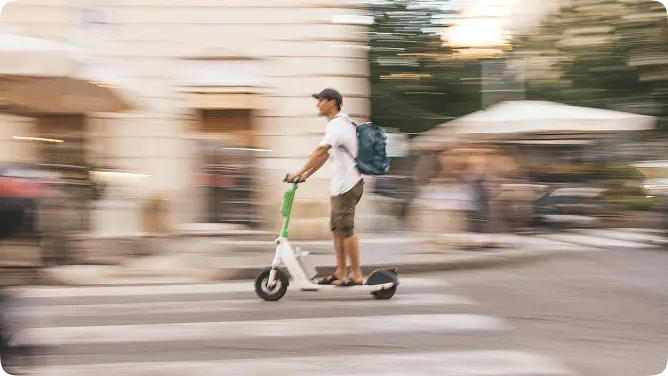
Mikromobilite, genellikle beş milin altında ve düşük hızda yapılan kısa şehir içi yolculuklar için tasarlanmış, paylaşımlı, hafif, çoğunlukla elektrikli ulaşım araçlarıdır. Elektrikli scooter’lar, elektrikli bisikletler, elektrikli mopedler ve istasyonlu veya istasyonsuz paylaşımlı bisikletler gibi araçları düşünün. Araçlar küçük, yolculuklar kısa ve asıl amaç, zaten baştan beri araba yolculuğuna değmeyecek bir alternatifi sunmaktır.
Bu kategori, şehirlerin yoğun nüfuslu olması ve arabaların son kilometre için uygun olmaması nedeniyle ortaya çıkmıştır. Park yeri azdır. Trafik sıkışıklığı süreklidir. Arabayla iki millik bir yolculuk, aynı yolculuğu elektrikli bisikletle yapmaktan daha uzun sürebilir. Mikromobilite bu boşluğu dolduruyor: araç paylaşımından daha ucuz, yürümekten daha hızlı ve neredeyse her yere park edilebilecek kadar küçük. Aşağıdaki her kullanım senaryosunun arkasındaki talep motoru budur ve yüzlerce şehrin artık paylaşımlı ulaşım programları yürütmesinin nedeni de budur. Birçok operatör, hizmeti sürdürülebilir ulaşımın çevresel faydalarıyla birleştiriyor, çünkü her bir araç yolculuğunun yerini alan araç kullanımı, yolcuların kendilerini iyi hissetmelerini sağlayacak gerçek bir emisyon azaltımı anlamına geliyor.
Mikro-mobilite kullanım örneği nedir?
Mikro mobilite kullanım senaryosu, belirli koşullar altında tekrar tekrar tamamlanmış ve ücretli bir yolculuk üreten, yolcu ile mobilite sisteminiz arasında tanımlanmış bir etkileşimdir.
Sistem mühendisliğinden dürüstçe ödünç alınan bir kullanım senaryosu, bir aktörün bir hedefe ulaşmak için bir sistemle nasıl etkileşim kurduğunu açıklar. Bu, paylaşımlı mobiliteye sorunsuz bir şekilde aktarılabilir. Aktörler (yolcular, ayrıca filo operatörleri, mülk yöneticileri ve belediye kurumları gibi ikincil aktörler), bir sistem (araçlar, uygulama, coğrafi sınır, ödeme) ve bir hedef (A’dan B’ye ulaşmak) vardır. Değişen şey, sistemin fiziksel, hava koşullarına maruz kalan ve pil kısıtlamalı olmasıdır. Bu nedenle, iyi bir kullanım senaryosu yalnızca etkileşimi değil, aynı zamanda onu karlı hale getiren çalışma aralığını da tanımlar.
Pratikte, tam olarak tanımlanmış bir kullanım senaryosu altı soruyu yanıtlar:
- Aktör. Kim biniyor? Bir öğrenci mi, bir turist mi, bir depo çalışanı mı, bir yemek kuryesi mi?
- Amaç. Hangi yolculuk sorununu çözüyorlar? Son kilometre, kampüs içi ulaşım, keyifli gezinti, vardiyalı işe gidiş-dönüş mü?
- Kapsam. Nerede ve ne zaman? Coğrafi sınır, saatler, mevsim.
- Araç çeşitliliği. Elektrikli scooter, elektrikli bisiklet, elektrikli moped veya oturmalı scooter mı? Menzil ve hız hedefe uygun olmalı.
- Tetikleyici ve süreç. Seyahati ne tetikliyor? Bir trenin gelmesi, bir vardiyanın bitmesi, bir misafirin giriş yapması.
- Başarı şartı. Hangi rakam bunun işe yaradığını kanıtlar? Genellikle araç başına günlük yolculuk sayısı artı tekrar yolcu oranı.
Bunlardan herhangi birini kaçırırsanız, kullanım senaryosu sadece bir umuttan ibaret kalır. Bu yüzden, yazılıma kıyasla burada yazılı hale getirmek çok daha önemlidir: gerçek donanım ve gerçek sermaye söz konusudur.
Kullanım Senaryosu ve Kullanıcı Hikayesi: Operatörler Neden Bunları Karıştırıyor?
İki terim de aynı yazılım kökeninden geldiği için, operatörler bunları gelişigüzel kullanıyor ve ardından yanlış planlama yapıyorlar. İşte net ayrım:
| Boyut | Kullanım Durumu | Kullanıcı Hikayesi |
|---|---|---|
| Kapsam | Sürekli tekrar eden durum | Bir sürücünün tek etkileşimi |
| Örnek | “Ulaşım merkezi ile iş parkı arasındaki son kilometre ulaşımı” | “İşe gidip gelirken trenim gelmeden önce bir bisiklet ayırtmak istiyorum.” |
| Kim kullanıyor? | Filo stratejisi, şehir izinleri, birim ekonomisi | Uygulama ve ürün tasarımı |
| Cevaplar | Buraya konuşlanmalı mıyız, ve nasıl? | Bu uygulama bu yolcu için ne yapmalı? |
| Seviye | İşletme ve operasyonlar | Arayüz ve özellik |
Filoları, coğrafi sınırları ve izinleri kullanım senaryolarına göre planlarsınız. Uygulama özelliklerini ve yolcu akışlarını kullanıcı hikayelerine göre tasarlarsınız. Bir kullanıcı hikayesini iş senaryosu olarak ele alırsanız, güzel bir uygulama ve boş bir filo elde edersiniz. Bir kullanım senaryosunu özellik spesifikasyonu olarak ele alırsanız, aslında kimsenin kullanmadığı bir dağıtım için şehir izni alırsınız.
Mikromobilite Araçları: Hangisi Yolculuğa Uygun?
Yolculuğun fiziksel koşulları aracı belirlemeli, tersi değil. Dört araç tipi neredeyse her türlü görevlendirmeyi kapsar:
- Elektrikli scooterlar. Düz zeminde bir milden kısa mesafeler için en iyisi. Ucuz, denge ayarı kolay, yoğun kampüsler ve şehir merkezleri için ideal.
- Elektrikli bisikletler. 1 ila 3 mil arası mesafeler ve engebeli şehirler için vazgeçilmez ulaşım aracı. Daha yüksek ödeme isteği, daha uzun yolculuklar, daha güçlü işe gidip gelme sadakati.
- Elektrikli mopedler (oturmalı). 3 ila 6 mil arası mesafeler veya iki kişilik yolculuklar için. Daha yüksek hız, yolculuk başına daha yüksek gelir, daha fazla düzenleyici denetim.
- Paylaşımlı bisikletler. Bütçe veya kuralların elektrikli bisiklet filolarını sınırladığı birçok belediye programının temelini oluşturan, istasyonlu veya istasyonsuz pedal bisikletleri.
En iyi operatörler her kullanım senaryosunda tek bir araç tipi kullanmazlar. Bir kampüs için scooter gerekir. Tepelik bir turistik sahil şeridi için elektrikli bisikletler gerekir. Bir teslimat sözleşmesi için mopedler gerekir. Aracı sefere uygun hale getirmek, günde 6 sefer yapmakla 1 sefer yapmak arasındaki farkı yaratır.
Mikro Mobilite Kullanım Senaryosunun Kapsamını Belirleme (Adım Adım)
Kullanım senaryosu yazmak, sistem mühendislerinin kullandığı disiplinli sürecin fiziksel işlemlere uyarlanmış halidir. Para harcamadan önce tek bir sayfada tamamlayın.
1. Oyuncunun adını ve asıl görevini belirtin. “Scooter seven insanlar” demeyin. “Son otobüsten sonra saat 23:00’te işi bitiren ikinci vardiya depo işçileri” gibi bir şey deneyin. Burada ayrıntılandırma her şeyi yönlendirir.
2. Hedefi bir yolculuk olarak ifade edin. Başlangıç noktası, varış noktası, mesafe, sıklık. “0,8 mil, istasyondan ofise, günde iki kez, haftada beş gün.” Bunu bu kadar kesin bir şekilde ifade edemiyorsanız, henüz bir kullanım senaryonuz yok demektir. Henüz incelemediğiniz bir pazarınız var.
3. Coğrafi sınırı ve çalışma saatlerini belirleyin. Kapsam, kullanım senaryolarının başarılı olup olmayacağını belirler. Çok geniş olursa araçlar mahsur kalır. Çok dar olursa seyahatler engellenir. Sınırı, park kurallarını ve çalışma saatlerini belirleyin.
4. Hedefe uygun araç kombinasyonunu seçin. Bir milden kısa mesafeler için elektrikli scooter’lar, daha uzun veya engebeli yollar için elektrikli bisikletler, iki kişiyle veya 3 ila 6 mil arası mesafeler için ise oturarak kullanılan elektrikli mopedler tercih edilebilir.
5. İkincil aktörleri belirleyin. Mülk yöneticileri, kampüs tesisleri, ulaşım kuruluşları ve şehir düzenleyicileri, uygulamanın şekillenmesinde önemli rol oynar. Gereksinimleri (park alanları, hız sınırları, veri paylaşımı) kullanım senaryosuna kısıtlamalar getirir. Bunları erken aşamada belirleyerek yeniden başlatmalardan kaçınabilirsiniz.
6. Bir başarı ölçütü ve bir durdurma eşiği belirleyin. Araç başına günlük sefer sayısını belirleyin. Yeniden dengeleme, yeniden fiyatlandırma veya geri çekilme yapacağınız sayıyı önceden belirleyin. Başarısızlık koşulu olmayan bir kullanım senaryosu sessizce para kaybettirir.
Mikro Mobilite Alanında Gerçekten Fayda Sağlayan 14 Kullanım Senaryosu
Bunlar, operasyonel açıdan en kolaydan en zora doğru sıralanır. İlk küme en hızlı karı sağlar çünkü yolcu tabanı sabittir ve yolculuklar tahmin edilebilir. Bunların birçoğu, şehirler ve kampüsler için mikro mobilite çözümlerine ilişkin daha kapsamlı kılavuzumuzdaki kampüs ve şehir modelleriyle örtüşmektedir.
Bağımlı ve Tekrarlayan Talep (en yüksek güvenilirlik)
- Son kilometre ulaşım bağlantısı. Yolcular, tren veya otobüs durağı ile nihai varış noktaları arasındaki mesafeyi kapatırlar. Sık, öngörülebilir, hava koşullarından etkilenmeyen: karlı mikromobilite sisteminin temel taşı. Filo gerçek bir toplu taşıma omurgasına bağlı olduğunda en iyi şekilde çalışır; bu nedenle çok modlu toplu taşımayı besleyen mikromobilite merkezleri kendi başına bir dağıtım modeli haline gelmektedir.
- Üniversite ve kolej kampüsü. Binalar ve konutlar arasında kısa mesafeler kat eden, yoğun, genç ve uygulama tabanlı bir kullanıcı kitlesi. Genellikle en yüksek kullanım oranına sahip ortam.
- Kurumsal ve iş yeri servis araçlarının yerine geçiyor. Çalışanların binalar, otoparklar ve toplu taşıma araçları arasında ulaşımını sağlıyor. İşverenler bazen bu hizmeti sübvanse ederek gelirleri istikrara kavuşturuyor.
- Depo, liman ve büyük tesisler arası iç taşımacılık. Uzun iç mesafeleri kat eden işçiler. Kısmen kapalı alanda çalışıldığında hava koşullarına maruz kalma oranı düşük ve vardiya bazlı talep son derece öngörülebilir.
- Hastane ve tıp kampüsü dolaşımı. Personel ve ziyaretçilerin geniş kampüsler arasında geçişi. Tekrarlayan, zaman açısından kritik ve yeterince hizmet alamayan hizmetler.
Varış Noktası ve Boş Zaman Talebi (seyahat başına yüksek gelir, daha mevsimsel)
- Turizm ve tatil beldesi döngüleri. Ziyaretçiler kıyı şeritlerini, tarihi bölgeleri ve turistik yerleri geziyor. Yüksek ödeme isteği, güçlü mevsimsellik. Takvimi düzeltmek için bunu sabit bir kullanım senaryosuyla birleştirin.
- Etkinlik ve mekan hareketliliği. Stadyumlar, festivaller ve kongre merkezleri kalabalıkları kısa süreliğine hareket ettiriyor. Dengeleme açısından zor, etkinlikler sırasında ise karlı.
- Konut topluluğu ve ana planlı geliştirme projesi. Sakinler büyük kompleksler içinde ve yakındaki perakende alanlarına taşınıyor. Mülk sahipleri genellikle ortak finansman sağlıyor, bu da kar marjlarını artırıyor.
Kamu Hizmetleri ve Ticari Talep (B2B, daha istikrarlı kar marjları)
- Yemek ve kargo teslimat filoları. Kuryeler otomobil yerine elektrikli bisiklet ve elektrikli motosiklet kullanıyor: mikromobilitede en net ticari kullanım örneği; tüketicilere yolculuk başına değil, teslimat operatörlerine araç başına satılıyor.
- Yerel işletmeler için filo yönetimi hizmeti. Otellere, spor salonlarına ve kampüslere, düzenli sözleşmelerle yönetilen filolar kiralıyoruz. Öngörülebilir gelir, daha hafif yeniden dengeleme.
- Belediyelerin ortak ulaşım programları. Şehir tarafından onaylanmış izinli uygulamalar. Düzenlemeler yoğun, ancak kalıcı ve yüksek hacimli.
- Turizm işletmecisi beyaz etiket çözümü. Bir tur şirketinin veya otel markasının kendi markalı kiralama hizmetini platformunuzda destekliyoruz. Teknolojiye siz sahipsiniz; talebe onlar sahip. İşletmeciler bunu genellikle tekrarlanabilir, çok lokasyonlu bir modele dönüştürüyorlar.
Gelişen ve Özel Talep
- Kırsal ve banliyö bölgelerindeki toplu taşıma çölü. Sabit toplu taşımanın bir güzergahı haklı çıkaramadığı yerlerdeki boşlukları doldurmak. Daha düşük yoğunluk, ancak neredeyse hiç rekabet yok ve güçlü sivil destek.
- Lojistik ve mikro dağıtım için ilk ve son kilometre. Yoğun kentsel merkezlerde sadece insanları değil, malları da son kilometreye taşımak: en hızlı büyüyen alan.
Şehir İçi Ulaşımı Yeniden Şekillendiren Şirketler
Pazarı sıfırdan icat etmenize gerek yok. Lime, Bird, Tier, Voi ve Lyft gibi tüketici odaklı işletmeler, paylaşımlı scooter ve bisikletlerin yoğun şehirlerde gerçek bir hacim oluşturduğunu kanıtladı. Teslimat platformları, kuryeleri arabalar yerine elektrikli bisikletlere bindirerek B2B tarafını kanıtladı. Ve giderek büyüyen bir beyaz etiketli işletme grubu, küresel bir tüketici markası olarak görünmeden oteller, kampüsler ve tatil köyleri için markalı filolar işletiyor.
Yeni bir işletmecinin alması gereken ders, Lime kopyalamak değil. Bu şirketlerin hangi kullanım alanları için en çok mücadele ettiklerini (yoğun şehir merkezleri, toplu taşıma hatlarına yakın koridorlar) ve hangilerini açık bıraktıklarını (kampüsler, tatil köyleri, depolar, kırsal kesimdeki boşluklar) fark etmektir. Açık bırakılan alanlar genellikle odaklanmış bir işletmecinin daha hızlı para kazandığı yerlerdir.
Mikromobilite’nin Avantajları
Peki, bunların herhangi birinin neden izin ve sürücü tabanı gerektirdiğini açıklayalım: Dört avantaj bu kategoriye giriyor:
- Maliyet. Kısa bir mikro mobilite yolculuğu, araç paylaşımından daha ucuzdur ve genellikle araba kullanmanın ve park etmenin gerçek maliyetinden daha avantajlıdır.
- Trafikte hız. Yoğun şehirlerde üç milden kısa mesafeler için, küçük ve çevik araçlar büyük ve sıkışmış araçlardan daha iyidir.
- Alan ve park sorunu. Bir arabanın park alanına on scooter sığabiliyor. Şehirler bunu fark ediyor.
- Emisyonlar. Her araba yolculuğunun yerini alan elektrikli araç kullanımı, ölçülebilir bir emisyon azalması anlamına gelir; bu nedenle belediye programları giderek daha çok elektrikli araç kullanımını tercih etmektedir.
Desteklediğimiz uygulamalarda, coğrafi sınırlama (geofencing) manuel denetime kıyasla park ihlallerini %40’a kadar azalttı; bu da çoğu zaman belediye iznini korumakla kaybetmek arasındaki farkı oluşturuyor.
Mikromobilite Tehlikeleri ve Riskleri
Dürüst bir kullanım senaryosu, başarısızlık modlarını açıkça belirtir. Gerçek riskler teorik değil, operasyoneldir:
- Sürücü güvenliği. Hız, yol paylaşımı ve kask takmama durumları kazaların çoğuna neden oluyor. Hız sınırları ve coğrafi olarak belirlenmiş yavaşlama bölgeleri önemlidir.
- Pil ve yangın riski. Kalitesiz veya hasarlı piller gerçek bir tehlikedir. Şarj disiplini tartışılmaz bir konudur ve lityum pil güvenliği ve şarjı hakkındaki bu kılavuzu okumaya değer.
- Hırsızlık ve vandalizm. Araçlar açık havada bulunur. IoT takibi ve coğrafi sınırlama kayıpları sınırlandırır.
- Mevzuat değişiklikleri. Bir şehir, hız sınırlarını, park kurallarını veya araç filosu sınırlamalarını çok az bir süre içinde değiştirebilir. Uyumluluk güncellemeleriniz günler sürüyorsa, risk altındasınız demektir.
İstisnaları göz ardı eden bir yazılım kullanım senaryosu hatalara yol açar. Bu riskleri göz ardı eden bir mikro mobilite kullanım senaryosu ise yolda kalan, arızalanan veya el konulan araçlara neden olur.
Bilgi Kazanımı: Kullanım Senaryolarında Gerçekte Kullanım Nasıl Görünüyor?
Genel geçer tavsiyeler (“talep olan yere konuşlandırın”) rakamlar olmadan işe yaramaz. Kârlı bir kullanım durumunu gösteriş amaçlı bir filodan ayıran tek ölçüt kullanım oranıdır: araç başına günlük sefer sayısı. Bu eşiğin altında, gelir asla şarj etme, yeniden dengeleme, bakım ve sermaye geri kazanımını karşılamaz. Bu eşiğin üzerinde ise, çark dönmeye devam eder. Bu sayının güvenilir bir şekilde ölçülmesi, takip ve maliyet kontrolü için telematik sistemlerinin size sunmak üzere tasarlandığı şeydir.
İşte kullanım oranları ve birim ekonomisinin tipik olarak nasıl bir seyir izlediğine dair genel bir bakış. Bunları planlama ölçütleri olarak değerlendirin, garanti olarak değil. Coğrafi sınırlandırmanız ve fiyatlandırmanız bunları büyük ölçüde etkiler.
| Kullanım senaryosu | Tipik kullanım (sefer/araç/gün) | Mevsimsellik riski | Yükün yeniden dengelenmesi | Marj istikrarı |
|---|---|---|---|---|
| Üniversite kampüsü | Yüksek (4-8) | Süre odaklı | Düşük | Güçlü |
| Son kilometre ulaşımı | Yüksek (4-7) | Düşük | Orta | Güçlü |
| Kurumsal / iş parkı | Orta-yüksek (3-6) | Düşük | Düşük | Güçlü |
| Depo / tesis | Orta-yüksek (3-6) | Düşük | Düşük | Çok güçlü |
| Teslimat filosu (B2B) | Çok yüksek (8-15) | Düşük | Operatör tarafından yönetilen | Çok güçlü |
| Turizm / tatil beldesi | Değişken (1-6) | Çok yüksek | Yüksek | Uçucu |
| Etkinlik / mekan | Ani yükselişler (zirveler) | Olay odaklı | Çok yüksek | Uçucu |
| Belediye halkı | Orta (2-5) | Ilıman | Yüksek | Düzenlemeye bağlı |
| Kırsal / geçiş çölü | Düşük-orta (1-3) | Ilıman | Orta | Gelişmekte Olan |
Çoğu “kullanım senaryosu” makalesinin gözden kaçırdığı stratejik nokta: En karlı operatörler tek bir kullanım senaryosu seçmiyor. Sabit bir ana kullanım senaryosunu (kampüs, toplu taşıma, depo) yüksek değerli mevsimlik bir kullanım senaryosuyla (turizm, etkinlikler) birleştiriyor. Ana kullanım senaryosu, yıl boyunca kullanım oranını başabaş noktasının üzerinde tutuyor. Mevsimlik katman ise, fırsat varken yüksek gelir elde ediyor. Tek bir kullanım senaryosuna odaklanan bir filo bir kumar gibidir. Birleştirilmiş bir filo ise bir işletmedir. Filo çalışma süresini iyileştiren bir mobilite kontrol paneli, bölge başına kullanım oranını izlemenizi ve bir kullanım senaryosu kritik eşiğin altına düşmeden önce yeniden dengelemenizi sağlar.
Bağlantı ve Nesnelerin İnterneti (IoT): Kullanım Senaryolarının İşleyişini Sağlayan Katman
Yukarıdaki her kullanım senaryosu, aracın çevrimiçi olduğunu varsayar. Bağlantı kesilirse, coğrafi sınırlama başarısız olur, takip devre dışı kalır ve kilit açma süreleri uzar. Bu nedenle her araç, konum, pil ve kilit durumunu neredeyse gerçek zamanlı olarak bildiren bir IoT SIM kartı ve bir kontrol ünitesi taşır. Çoklu ağ SIM kartları önemlidir çünkü bir şehirde dolaşan bir scooter, bağlantının kesildiği bir noktada haritadan kaybolmamalıdır. Donanım belirtiyorsanız, GPS ve IoT bağlantısına sahip bir scooter uygulaması burada önem kazanır. Bağlantı bir özellik değil, park halindeki bir aracı takip edilebilir, kilidi açılabilir ve gelir getiren bir varlığa dönüştüren şeydir.
Mikromobilite’nin Geleceği
Planlamaya değer üç değişim var. Birincisi, entegrasyon: mikromobilite, bağımsız bir ulaşım aracı olmaktan ziyade, giderek artan bir şekilde toplu taşıma uygulamalarına ve çok modlu yolculuklara entegre oluyor. İkincisi, sadece insanlar değil, mallar da: son kilometre lojistiği ve mikro dağıtım, en hızlı büyüyen alan. Üçüncüsü, şehirler pilot izinlerden korunaklı şeritlere ve park alanlarına geçerken, daha sıkı düzenlemeler ve daha kalıcı altyapı. Önümüzdeki birkaç yılda kazanacak olan operatörler, beş yıl önceki değil, şimdiki dünyaya yönelik planlama yapanlardır.
Tek Bir Platformda Birden Fazla Kullanım Senaryosuna Güç Verme
Yazılımınız aynı anda birden fazla kullanım senaryosunu çalıştırabiliyorsa, bu senaryoları bir arada kullanmak işe yarar. EazyRide, elektrikli scooter’ları, elektrikli bisikletleri ve mopedleri tek bir hesaptan yönetir; böylece kampüs içi ve mevsimlik turizm amaçlı kullanımlar iki ayrı tedarikçi yerine tek bir kontrol paneli altında yer alır. Bölge kurallarındaki değişiklikler, herhangi bir yazılım güncellemesi olmadan gerçek zamanlı olarak her araca yansıtılır; bu da bir şehir kuralları değiştirdiğinde 48 saatlik uyumluluk süresi içinde kalmanızı sağlar. 10’dan fazla IoT donanım markasını destekleyen karma filoların, sözleşmeyi imzaladıktan yaklaşık 14 gün sonra kullanıma hazır hale geldiğini gördük.
Sıkça Sorulan Sorular
En karlı mikro mobilite kullanım alanı hangisidir? Genellikle en karlı olanı, araç başına günde 8 ila 15 sefer gerçekleştiren teslimat filosu hizmetidir. Tüketici filoları için ise, son kilometre taşımacılığı ve üniversite kampüsleri öngörülebilir kullanım açısından öne çıkmaktadır.
Araç başına günlük kaç sefer başabaş noktası sağlıyor? Çoğu tüketici işletmecisi, başabaş noktası tabanını günlük araç başına 3 veya daha fazla sefer olarak hedefliyor. Lansmandan önce gerçek sermaye ve işletme maliyetlerinden kendi eşiğinizi belirleyin.
Bir filo birden fazla kullanım senaryosuna hizmet edebilir mi? Evet, ve en iyi operatörler bunu yapıyor. Kampüs gibi sabit bir gelir kaynağıyla turizm gibi mevsimlik gelir kaynağını bir araya getirmek, tüm takvim yılı boyunca kullanım oranını dengeliyor.
Peki, hangi araçlar mikromobilite kapsamına giriyor? Mikromobilite, yaklaşık 500 kilogramın altındaki hafif araçları kapsar: elektrikli scooterlar, elektrikli bisikletler, elektrikli mopedler ve paylaşımlı bisikletler. Çoğu yolculuk beş milin altında, düşük hızda, genellikle saatte 20 milin altında gerçekleşir.
Kullanım senaryosu ile pilot uygulama arasındaki fark nedir? Kullanım senaryosu, belgelenmiş bir durumu ve ekonomik yönlerini ifade eder. Pilot uygulama ise, bu durumun belirli bir süreyle sınırlandırılmış gerçek dünya testidir. Önce kullanım senaryosunu yazın, sonra pilot uygulamayı gerçekleştirin.
Bir Kullanım Senaryosunu Çalışan Bir Filoya Dönüştürün
Her karlı uygulama, iyi tanımlanmış bir kullanım senaryosuyla başlar: doğru aktör, doğru coğrafi sınır, doğru araç karışımı ve gerçekten ulaşabileceğiniz bir kullanım hedefi. Kazanan operatörler en çok araca sahip olanlar değil. Durumu tam olarak tanımlayan ve bu araçların hareket halinde kalmasını sağlamak için birbirini tamamlayıcı kullanım senaryolarını bir araya getirenlerdir.
Bulunduğunuz yere, kullanıcı tabanınıza ve gelir hedeflerinize en uygun mikro mobilite kullanım senaryosunu değerlendiriyorsanız, 30 dakikalık bir filo incelemesi, bir haftalık tedarikçi görüşmelerinden çok daha iyidir. Tek bir dolar bile sermaye yatırmadan önce, beyaz etiketli bir araç paylaşım platformunun sizinle birlikte dağıtımın kapsamını nasıl belirlediğini görün.


