
 AllAnalytics and research

 29 May, 2026
 How Telematics Navigation Optimizes Modern Fleet Operations?
Most shared mobility operators have telematics data. Far fewer use it to make daily routing and rebalancing decisions. The gap between “we collect GPS pings every 15 seconds” and “we routed the service van around the gaps this morning” is where the actual margin lives, and it’s a workflow problem, not a hardware problem.
This post is the operational layer: how telematics navigation turns vehicle-state data into daily routing, rebalancing, and dispatching decisions for a shared-mobility fleet. It’s the third post in our fleet-ops series. For the device-category breakdown of which on-board hardware to install, see our smart fleet on-board devices guide. For the broader fleet-management discipline and when fleet size justifies a platform, see fleet management for shared mobility operators. This post is what you do with the data once the hardware is in and the platform is running.
Key Takeaways
- Telematics only helps if you act on the data.
- Live routing cuts van mileage 20-30% in month one.
- Geofence pushes beat slow firmware deploy cycles.
- Catch faults early to prevent roadside breakdowns.
- Run scooters, e-bikes, and mopeds in one account.
What telematics navigation actually means for shared mobility

Telematics navigation is the operational layer that takes raw vehicle state (GPS, battery, IMU, fault codes) and turns it into routing, rebalancing, and dispatching decisions. In a shared-mobility context, that means three specific workflows:
- Rebalancing routing. Which vehicles do we move from low-demand zones to high-demand zones, in what order, with which service van. The single biggest variable cost line in shared mobility ops.
- Maintenance dispatching. Which vehicle needs the brake check today, where is the closest field tech, and what route gets them there with the least drive time.
- Compliance and zone enforcement. Which vehicles are outside their permitted operating zone right now, and what enforcement action triggers (alert, throttle, immobilize).
That’s the working scope. It’s narrower than “fleet management” (which includes procurement, finance, and HR) and broader than just “vehicle tracking” (which is the data layer underneath). Most shared-mobility ops teams underuse this layer because the dashboard shows data but doesn’t prompt action.
The 6 telematics features that actually move daily operations
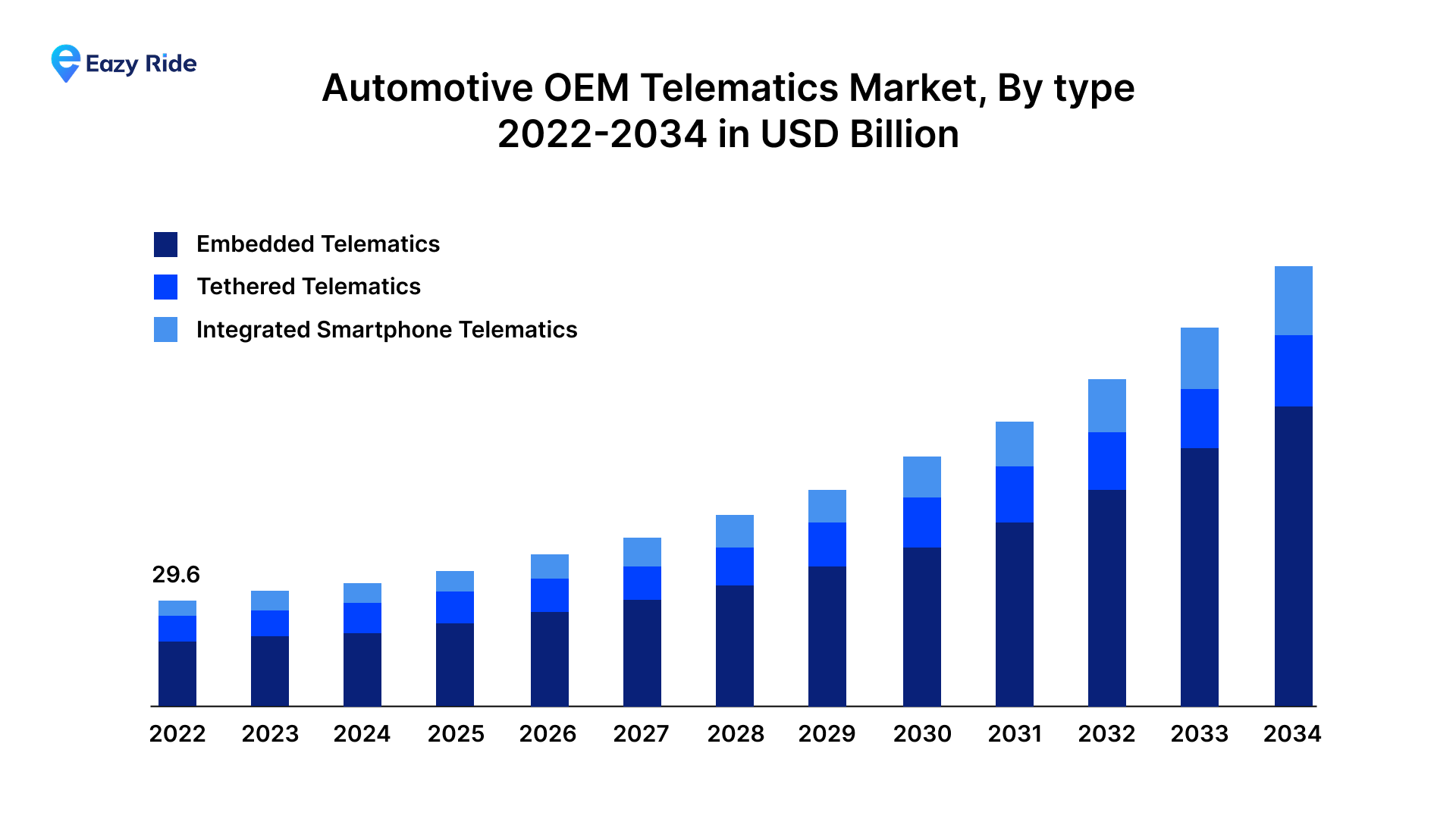
Stripped to what matters for operator P&L on a shared-mobility fleet. Each of the six features below has a specific operational decision it drives. Anything that doesn’t drive a decision is dashboard decoration.
1. Real-time GPS plus IMU
Vehicle location refreshed every 15-30 seconds, plus accelerometer data that detects falls, hard handling, and unusual movement patterns. This is the data spine for every other workflow on this list. Use case: route the service van around live vehicle positions, not yesterday’s snapshot.
2. Live route optimization for rebalancing
The platform takes current vehicle positions, demand-forecast hex grids, and van capacity, then suggests which vehicles to move where in which order. Done right, this is the single highest-ROI workflow you can deploy. Most operators see rebalancing van mileage drop 20-30% in the first month when they actually use real-time hex-grid data instead of intuition.
3. Driver and rider behavior monitoring
For shared mobility, this is mostly about rider behavior (zone breaches, dangerous handling, speed-zone violations) and field-tech routing (driver behavior on the service van side). Less about coaching individual drivers and more about flagging vehicles that get rough handling repeatedly and need an early inspection.
4. Maintenance and vehicle-health alerts
Battery state-of-health, brake-wear indicators, motor controller faults, tire-pressure (where fitted). The point is to route the field tech to the next-most-broken vehicle, not the closest one. A degraded brake caught in week one costs about $15 to fix. The same fault caught after riders complain costs $80 plus downtime.
5. Real-time geofencing and zone management
Zone changes (no-park areas, speed-restricted segments, service boundaries) push to every vehicle in real time. Operators using EazyRide’s geofencing module report up to 40% fewer parking violations versus manual enforcement, with most of the gain in the first 30 days. The mechanism: instead of waiting for a city complaint to escalate, the rider gets an in-app warning the moment they cross the line, and the vehicle refuses to end the trip in a no-park zone.
6. Per-vehicle, per-zone analytics
Revenue per vehicle, utilization rate, cost per ride, parking compliance rate, all rolled up by zone. Without this, you cannot tell which zones are profitable and which are draining the fleet. The point isn’t to generate reports nobody reads; it’s to make a weekly reallocation decision based on real numbers.
Where this fits in the day-to-day operator workflow
The six features above only matter if they fit into actual daily decisions. Here is the workflow most ops teams run once telematics navigation is live.
Morning (depot, 5-7am): Field tech checks the rebalancing dashboard for the day’s reallocation plan, picks up the vehicles flagged for maintenance, and dispatches based on optimized routing.
Midday (live ops, 11am-2pm): Ops manager reviews live utilization heatmaps and triggers ad-hoc reallocations into high-demand zones. Geofence breach alerts go to the field team for immediate response.
Evening (closeout, 6-9pm): Daily KPI snapshot reviewed: rides per vehicle, parking violation rate, maintenance ticket count. Anomalies flagged for tomorrow morning’s dispatch.
Weekly cadence: Per-zone P&L review. Underperforming zones get either a reallocation, a pricing nudge, or a permanent fleet shrink. Top-performing zones get inventory added if vehicle availability allows.
That workflow is what telematics navigation makes possible. Without the workflow, the data is just a dashboard nobody opens.
Book a free 30-minute routing review. Bring your last 30 days of trip data and we’ll walk through which two routing decisions are most likely to move your van-mileage line in the next quarter. 30 minutes, no slides.
A brief note on adjacent use cases
The same telematics-navigation workflow applies, with different specifics, to campus mobility programs, resort fleets, and corporate-shuttle operations. The vehicle types, geographies, and rider populations differ; the data-to-decision logic is the same. Resort and campus operators we work with typically run shorter average trips and more predictable demand patterns, which makes the rebalancing-decision math simpler but not less important. Tourism markets see bigger seasonal swings and benefit most from dynamic pricing layered on top of the routing decisions.
Common roadblocks (and how to actually fix them)
| Roadblock | Fix |
|---|---|
| Telematics data lives in a dashboard nobody opens | Define one daily and one weekly operational meeting that requires pulling the dashboard. Workflow first, software second. |
| Integration with existing IoT hardware is broken | Confirm before purchase that your platform supports your hardware brand’s telemetry schema. EazyRide integrates with 10+ IoT brands out of the box. |
| Data security and rider privacy concerns | Encryption at rest and in transit; clear data-retention policy; comply with CCPA and equivalent regional regulations. |
| Field team resists new workflow | Show them the routing time saved. A field tech doing 30 service stops a day usually saves 60-90 minutes after a week with optimized routing. |
| Maps and geofence data go stale | Push zone changes through the platform admin (no firmware deploy); audit the geofence map monthly against city updates. |
| Reports look impressive but don’t drive decisions | Cut the dashboard to 5 KPIs (utilization, cost per ride, parking violations, maintenance tickets, revenue per zone). More than that is noise. |
The most common failure mode is the one at the top of that table. Operators buy the system, hit the dashboard once a week, and never integrate the data into real workflows. The platform doesn’t fix that; the operations meeting does.
What to require from your platform vendor
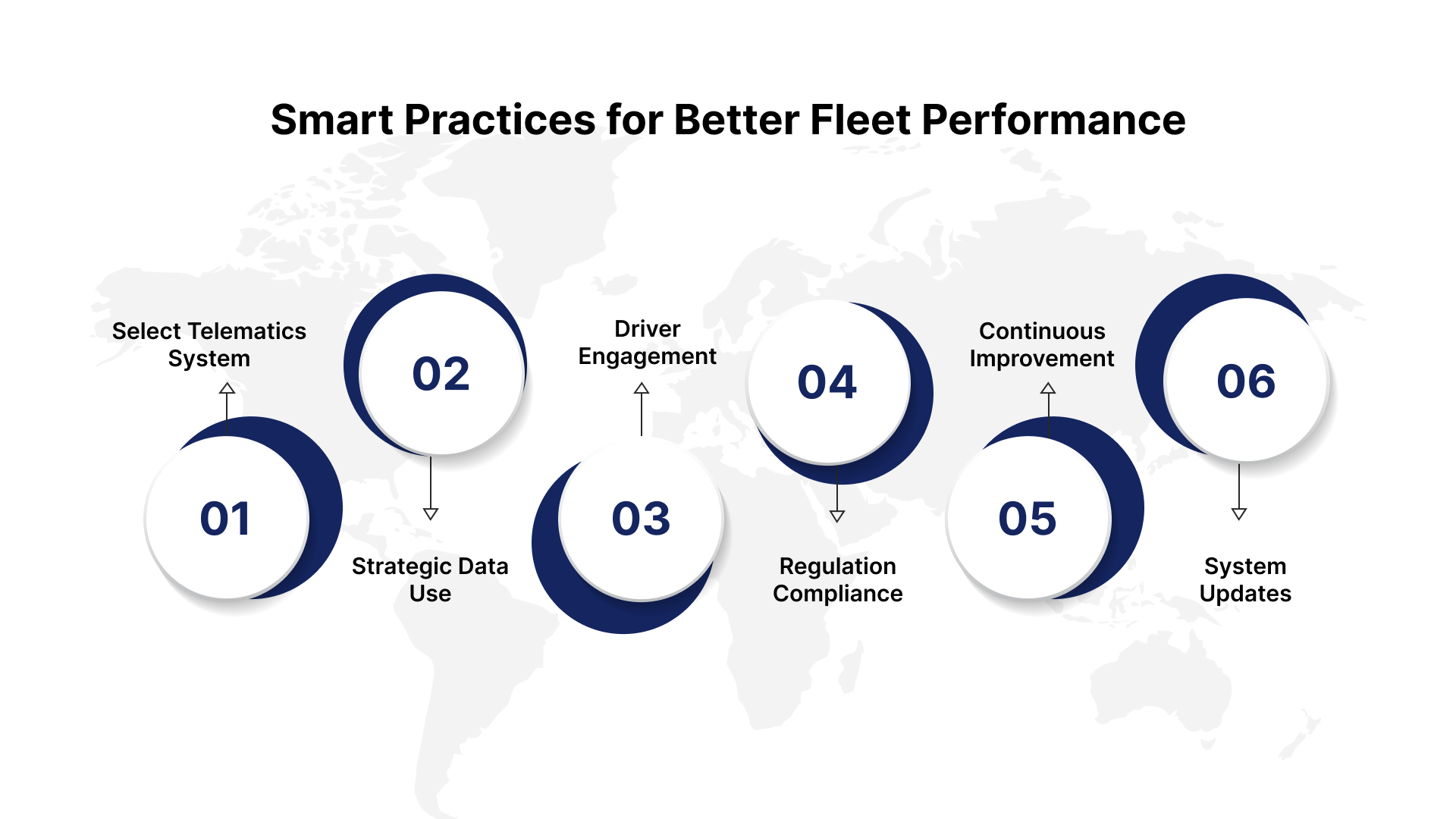
Six requirements that separate a real telematics-navigation platform from a glorified GPS dashboard:
- Real-time geofencing without firmware updates. Zone changes push to every vehicle in real time. EazyRide’s geofencing module reports up to 40% fewer parking violations versus manual enforcement.
- 10+ IoT hardware brand integrations out of the box. Pick the scooter or e-bike hardware that fits your geography without committing to a single OEM.
- Multi-vehicle in one account. E-scooters, e-bikes, and mopeds under one admin dashboard, one billing engine, and one rider app, so a mixed-vehicle fleet does not need parallel software stacks.
- Per-vehicle, per-zone P&L. Revenue, cost, utilization, and parking compliance broken down to the unit. Not fleet-level summaries.
- 14-day go-live from contract. A mature platform should be operational within two weeks of contract signing; permits, not the platform, are usually the longer pole.
- Payment processing across US, UK, EU, and Middle East. No second integration when you expand markets.
If a platform cannot demonstrate each of these in 5 minutes of a live demo, the data layer might be solid but the operational layer is not.
Book a free fleet routing review. Tell us your fleet size and current rebalancing workflow; we’ll show you the two operational changes most likely to move your van-mileage line.
What’s next for telematics navigation in shared mobility
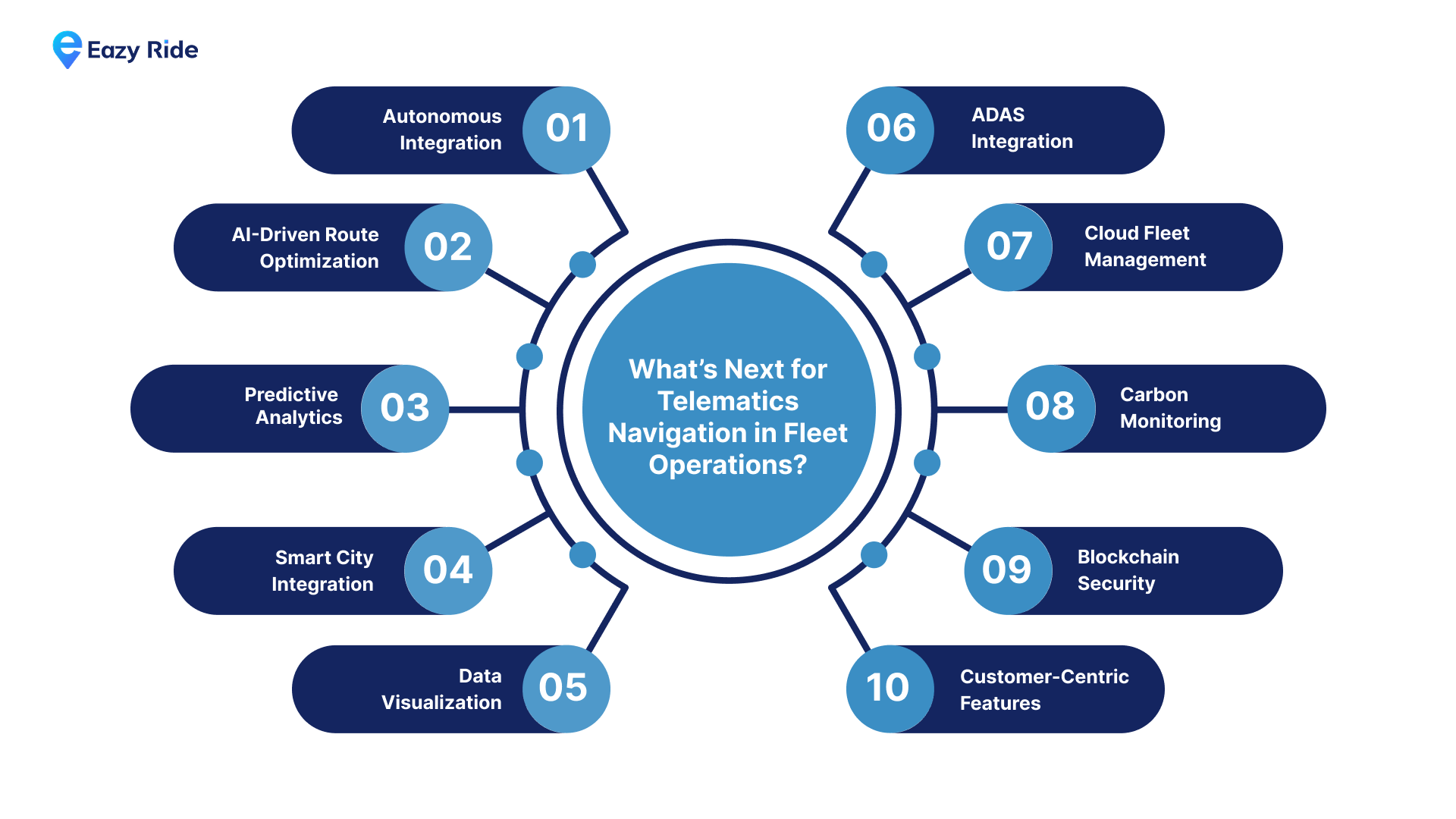
Three shifts to plan against in the next 18-24 months.
Predictive demand routing replacing reactive rebalancing. Right now most operators rebalance based on yesterday’s data and intuition. Predictive demand models trained on rider trip history are getting good enough to deploy at a 50-vehicle fleet, which used to be the cutoff for “too small to bother.” The operator who deploys this 6 months ahead of competitors in a given market gets a measurable utilization edge.
Smart-city zone-rule integration. US cities are moving toward standardized MDS (Mobility Data Specification) feeds for zone, speed-limit, and parking rules. The platforms that consume these feeds automatically will save operators the manual update cycle that today consumes hours per month.
Battery cost economics changing the swap workflow. Lithium-ion battery packs hit $99/kWh in 2025, the second consecutive year below the $100 threshold often used as the EV TCO crossover point (BloombergNEF, December 2025). Cheaper batteries mean swap workflows are now standard rather than premium; the telematics-navigation layer should route battery-swap dispatch alongside maintenance dispatch.
FAQs
How does telematics actually reduce fuel costs?
Telematics navigation routes the service van around live vehicle positions and demand zones. Most operators see 20-30% lower van mileage in the first month.
What features improve safety on a shared fleet?
Real-time geofencing for speed-restricted zones, IMU-based fall detection, and automated alerts for off-route vehicles. The geofence layer prevents most parking violations before they generate a city complaint.
How does telematics support route planning?
Telematics combines live vehicle positions, demand forecasts, and traffic data to recommend rebalancing and maintenance routes. The output is a daily dispatch plan, not just a map.
Is telematics easy to set up for small fleets?
Yes. Most modern platforms are plug-and-play with the IoT hardware on each vehicle. Mature deployments typically go live within 14 days of contract signing.
How does telematics support predictive maintenance?
The platform tracks battery state-of-health, brake wear, and motor faults from the on-board sensors and flags vehicles for service before they fail. Field techs route to highest-priority units first.
Telematics navigation is the operational layer that makes everything else in shared mobility work better. The hardware on each vehicle produces the data. The fleet management platform stores and surfaces it. Telematics navigation is what turns that data into a daily routing decision, a maintenance dispatch, or a geofence push. Operators who run that loop honestly get a 20-30% rebalancing efficiency lift in the first month. Operators who collect the data and never act on it get an expensive dashboard.
The decisive question is whether your daily ops meeting actually pulls from telematics data, or whether the dashboard is a once-a-week curiosity. Get that habit right and the rest of the platform earns its keep.
Book a free telematics navigation review with EazyRide. Bring your last 90 days of trip data and your current rebalancing workflow; we’ll walk through which two routing decisions will most move your year-one P&L.
Related reading


