
 AllMicro Mobility Model

 29 August, 2025
 Fleet Tracking System Reviews 2025: Best GPS Platforms Rated
If you browse most “fleet tracking system reviews,” you’ll see polished features and marketing speak but rarely real numbers. That matters. Tracking accuracy, routing transparency, and real-time data don’t just improve convenience. They directly affect your bottom line.
Fleets using GPS tracking report up to 20–30% savings on fuel and lower maintenance expenses, thanks to optimized routes and reduced idle time. Also, for many operators, a GPS-enabled fleet achieves positive ROI in 6–12 months via fuel, maintenance, and labor efficiencies.
Yet most online reviews don’t show how well these systems perform under real-world conditions: mixed fleets, shifting routes, urban congestion, or multi-city operations.
That’s the problem this blog solves. Instead of broad claims, we give you:
- Real operator-focused reviews
- Performance metrics that matter
- Clear comparisons across fleet types
If you manage a fleet, whether 5 or 500 vehicles, you deserve a tracking solution that delivers clarity and savings. Skip the hype and let’s look at what matters for your growth plan.
Key Takeaways:
- GPS accuracy affects profitability. Fleets with GPS can save 20–30% on fuel, labor, and routing when tracking is reliable.
- Operators judge tools by real performance, not feature lists – ping rate, routing, zone control, and reporting matter most.
- Each platform fits a different fleet type, so the “best” system depends on your vehicles and routes.
- Weak tracking slows your break-even by hiding idle time, inflating labor hours, and limiting visibility.
- EazyRide is the top fit for micromobility, offering precise LEV tracking, heatmaps, geofencing, and rider-integrated data.
The Hidden Costs of Choosing the Wrong Tracking System
Before looking at fleet tracking system reviews, you need to understand the financial penalty of choosing a weak or outdated GPS platform. Most fleets feel these losses daily, but they rarely connect them back to tracking accuracy.
Here’s what poor tracking really gets U.S. operators in 2025:
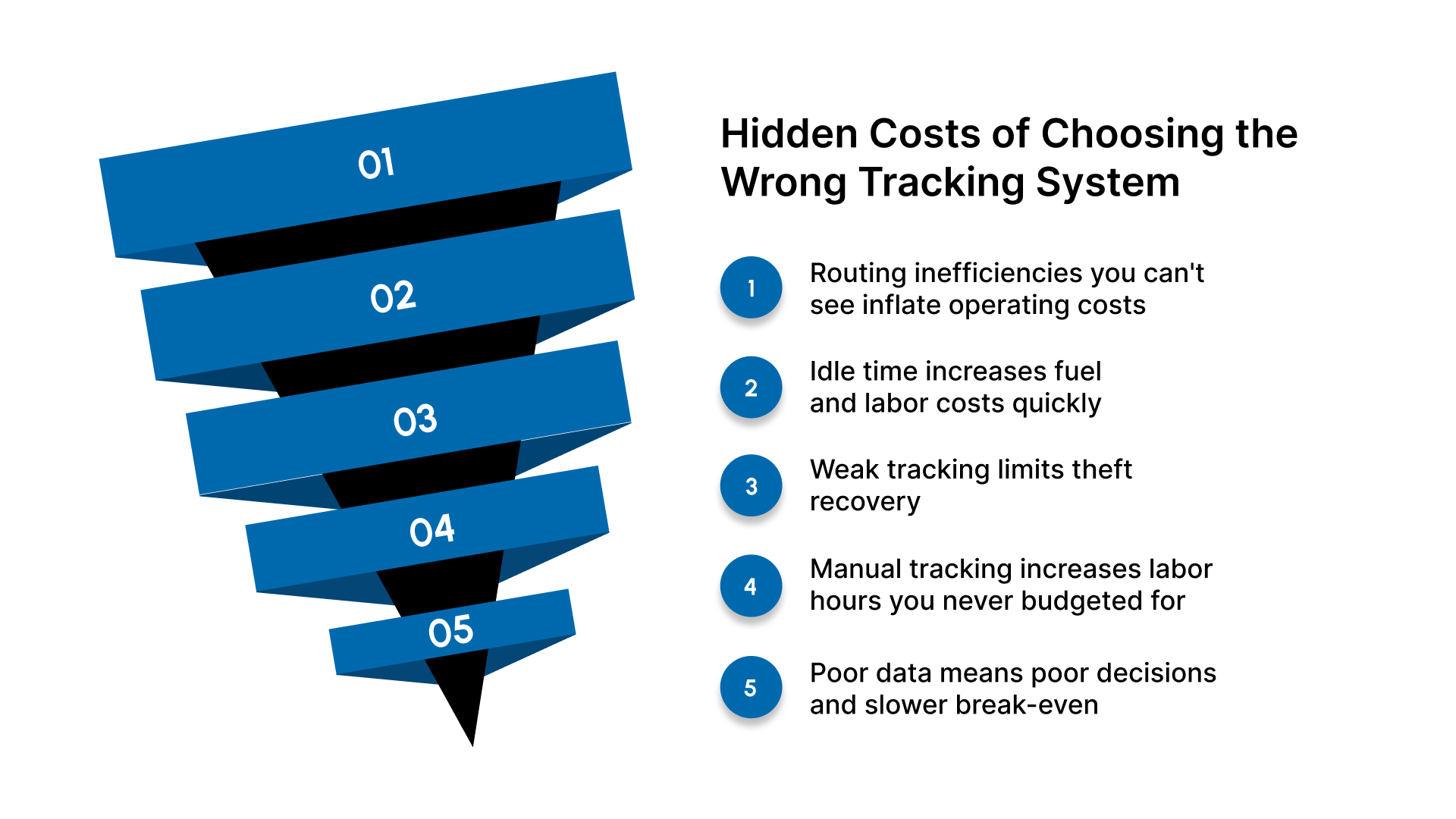
Routing inefficiencies you can’t see inflate operating costs
When GPS data is slow, inaccurate, or inconsistent, dispatchers make decisions blindly. Inefficient route planning can increase operating expenses due to fuel, field staff hours, and vehicle wear.
Idle time increases fuel and labor costs quickly
Fleets with poor or no tracking spend far more on wasted hours. Without accurate GPS, idle time becomes invisible and expensive.
Weak tracking limits theft recovery
Vehicle and asset theft costs U.S. businesses billions each year. Fleets equipped with accurate real-time GPS recover stolen assets at a much higher rate, while poorly tracked vehicles often go unrecovered or take days to locate.
Manual tracking increases labor hours you never budgeted for
Dispatchers and field teams lose valuable time calling drivers, manually checking status, or physically locating vehicles.
Poor data means poor decisions and slower break-even.
Without reliable GPS data:
- You can’t measure route efficiency
- You can’t analyze utilization
- You can’t improve driver or rider behavior
- You can’t forecast maintenance trends
- You can’t scale with confidence
This directly slows your break-even timeline and makes expansion riskier.
What Operators Actually Look for in a Fleet Tracking System?
After you understand the hidden costs of weak tracking, the next question is simple:
What should you actually look for when evaluating a fleet tracking system?
Most comparison sites list surface-level features. But real operators, especially in the U.S., judge systems by how well tracking improves daily operations.
Here’s what matters most.
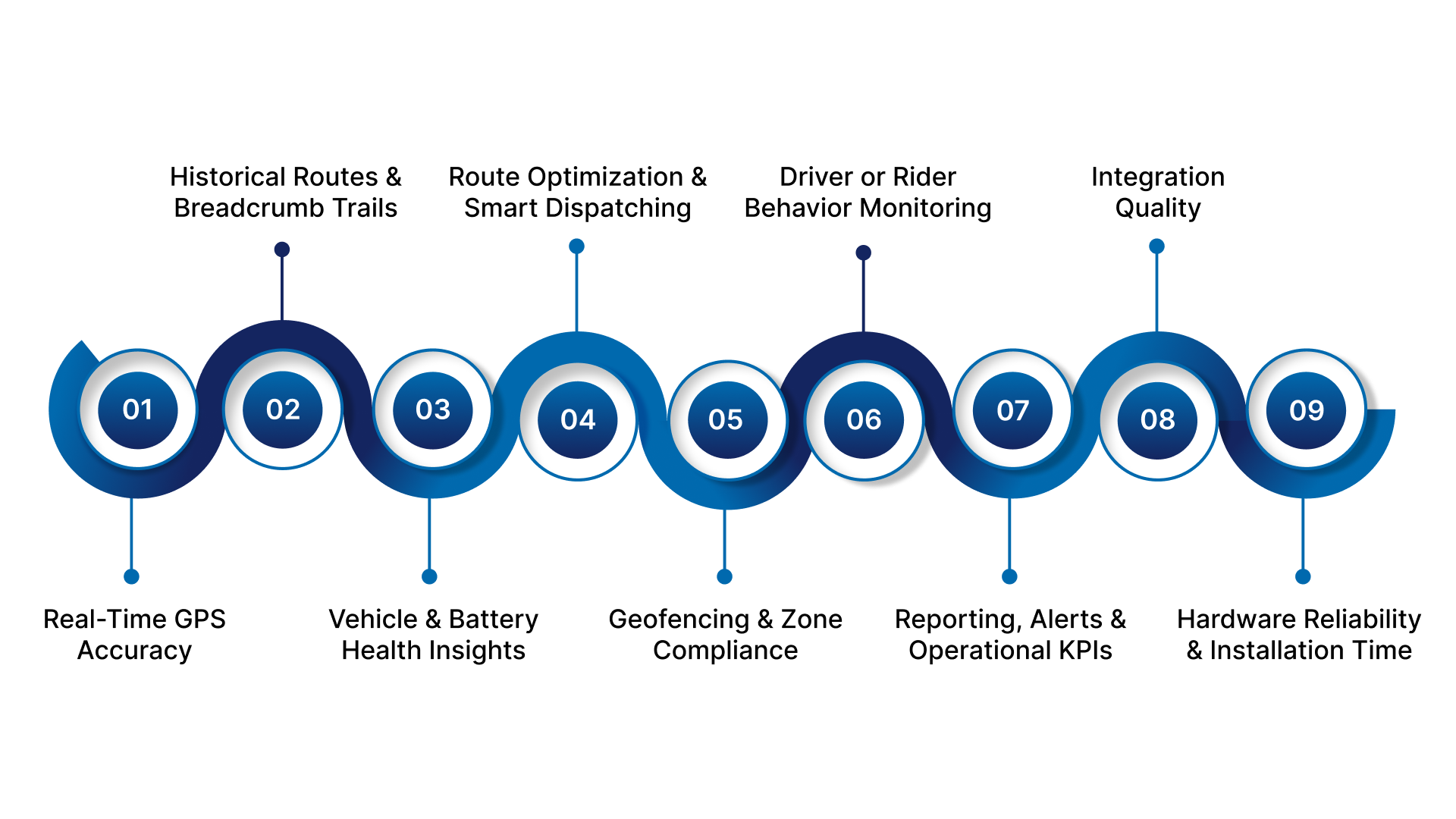
1. Real-Time GPS Accuracy
Tracking frequency (every 1–10 seconds), positional accuracy, and map reliability decide how valuable your data really is. Slow or inconsistent updates break routing, dispatch, and theft recovery.
Operators ask: “Can I trust the map in front of me, or do I need to call the driver?”
2. Historical Routes & Breadcrumb Trails
The best systems let you review full driving/ride trails with timestamps, stops, speed changes, and zone interactions. This is essential for:
- Driver behavior review
- Route optimization
- Incident verification
- Compliance audits
Breadcrumb quality is one of the most overlooked but important parts of any GPS platform.
3. Vehicle & Battery Health Insights
For fuel vehicles:
- Engine diagnostics
- Idling behavior
- Fuel burn patterns
For EV and micromobility fleets:
- Battery cycles
- Charge levels
- Health degradation trends
- Temperature impact
A fleet tracking system that only shows dots on a map is already behind.
Also Read: When to Replace Fleet Vehicles and Why It Matters
4. Route Optimization & Smart Dispatching
Systems with AI-assisted routing or intelligent dispatching consistently deliver faster ROI. Good GPS data should reduce:
- Drive time
- Idle time
- Labor hours
Operators can wonder: “Does this tool help me move faster with the same number of people?”
5. Geofencing & Zone Compliance
A strong system automates compliance instead of relying on manual oversight. This includes:
- No-go zones
- Speed-limited zones
- Parking boundaries
- Campus or city-defined riding/driving areas
6. Driver or Rider Behavior Monitoring
For micromobility fleets, it also includes riding patterns, harsh braking, and misuse zones. This is essential for:
- Insurance
- Safety
- Performance management
- Reducing accidents
- Lowering operational risk
7. Reporting, Alerts & Operational KPIs
Operators don’t want dashboards full of charts. They want daily, weekly, and monthly insights that answer:
- “Which vehicles are underperforming?”
- “Where are we losing money?”
- “Where is demand highest?”
Strong systems provide alerts before a minor issue becomes a costly one.
8. Integration Quality
A tracking system without integrations becomes a data silo. Modern fleets want tracking systems that plug into:
- Maintenance software
- Dispatch tools
- Billing systems
- Rider apps
- Fuel or charging systems
- Safety tools
9. Hardware Reliability & Installation Time
Downtime during installation is an overlooked cost for busy fleets. Tracking hardware should be:
- Durable
- Easy to install
- Hard to tamper with
- Supported nationwide in the U.S.
Suggested Read: 8 Essential Fleet Management Features for Optimal Efficiency
Now that the criteria are clear, it’s time to see how the top platforms perform when those expectations are applied to real fleets.
Fleet Tracking System Reviews 2025: Top GPS Platforms Rated
Below are 10 of the most widely used fleet tracking systems in 2025, reviewed through an operator-first lens: accuracy, reliability, support, and fit for different fleet types.
1. EazyRide – Best for Micromobility & Shared LEV Fleets
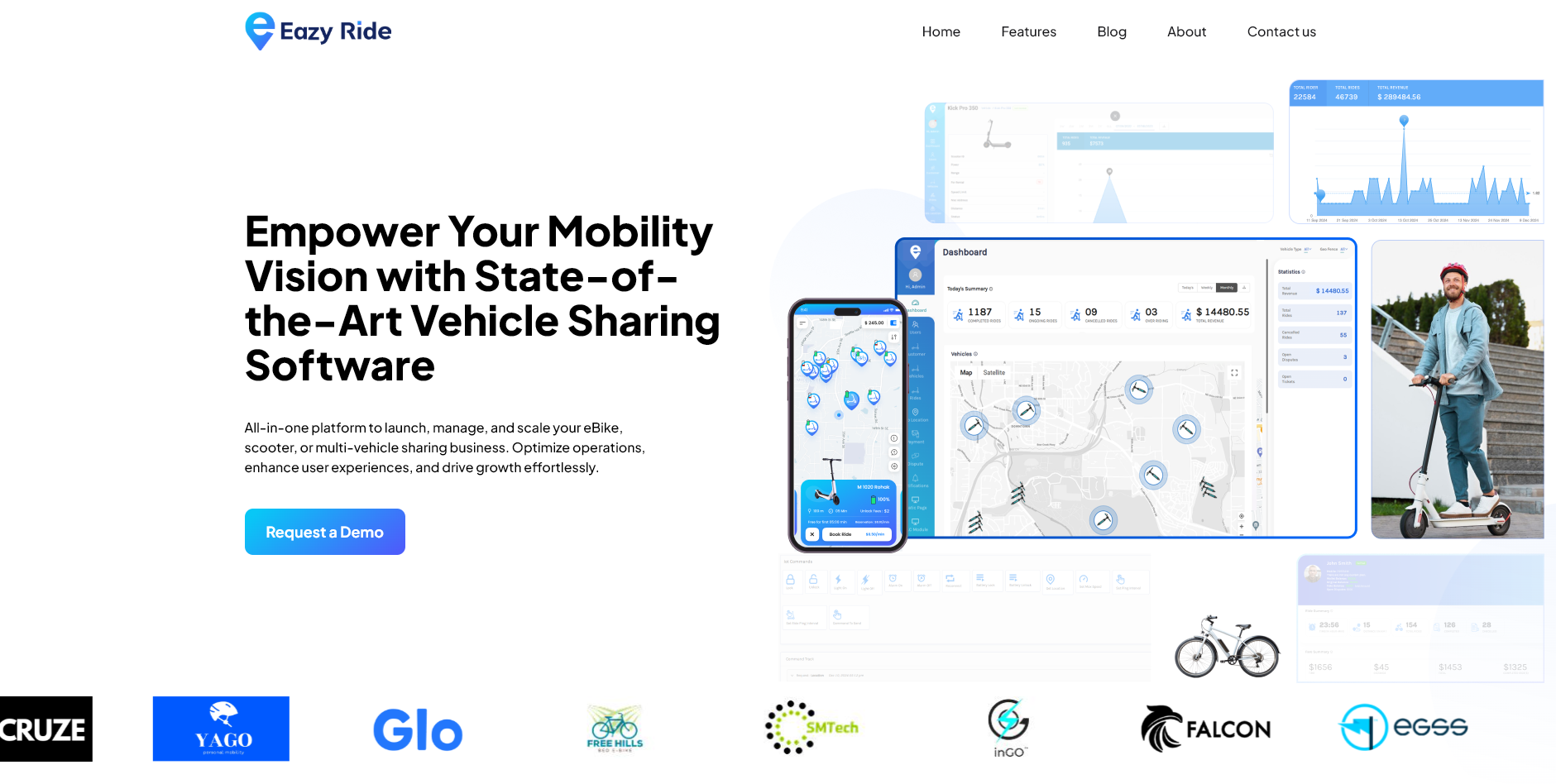
EazyRide is different from everything else on this list. While the others focus mainly on trucks, vans, and service fleets, EazyRide is explicitly built for shared micromobility and light-electric vehicles: bikes, e-bikes, scooters, and small electric fleets.
Highlights:
- Real-time tracking for shared bikes, scooters, and LEVs, integrated directly with rider activity and bookings.
- Admin dashboard with live trips, locations, and fleet status, plus heatmaps and advanced analytics for demand and usage.
- White-label rider app, so customers track, unlock, and pay inside your brand.
- Geofencing and zone tools are designed for city rules, campuses, resorts, and private communities.
Watch-outs:
- Not intended for heavy trucking or long-haul operations.
- Best suited when you need both fleet GPS + rider experience, not just internal tracking.
Review snapshot:
Profiles on review platforms describe EazyRide as a shared micromobility platform that helps operators manage fleets and track bookings and earnings in real time, with strong branding and geofencing capabilities highlighted in user feedback.
2. Samsara – Best for Large Fleets Wanting Unified GPS + Safety
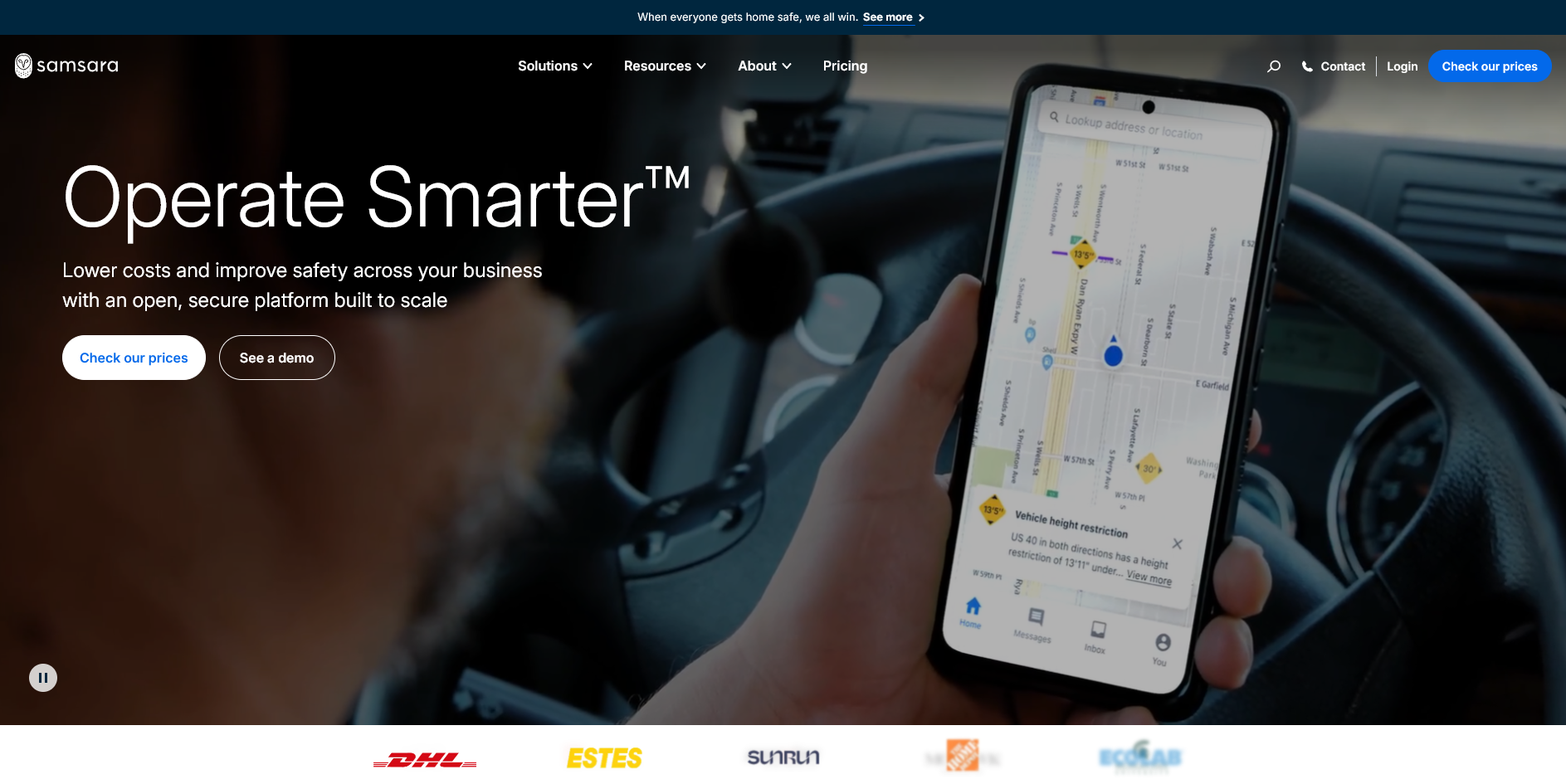
Samsara is one of the most visible names in GPS fleet tracking and consistently ranks as a top leader on G2 for Fleet Tracking and Fleet Management, based on thousands of verified reviews.
Highlights:
- Real-time GPS with “helicopter view” maps, smart overlays, and live location sharing.
- Integrated dashcams, driver behavior insights, maintenance alerts, and ELD.
- Mobile app rated highly by users for reliability and ease of use.
Watch-outs:
- A hardware-first model and a rich feature set can feel heavy and costly for very small fleets.
Review snapshot:
Samsara is often rated as one of the highest-scoring fleet tracking platforms on G2’s grids, but some reviews point to pricing and occasional support frustrations.
3. Geotab – Best for Data-Heavy Fleets and EV Tracking
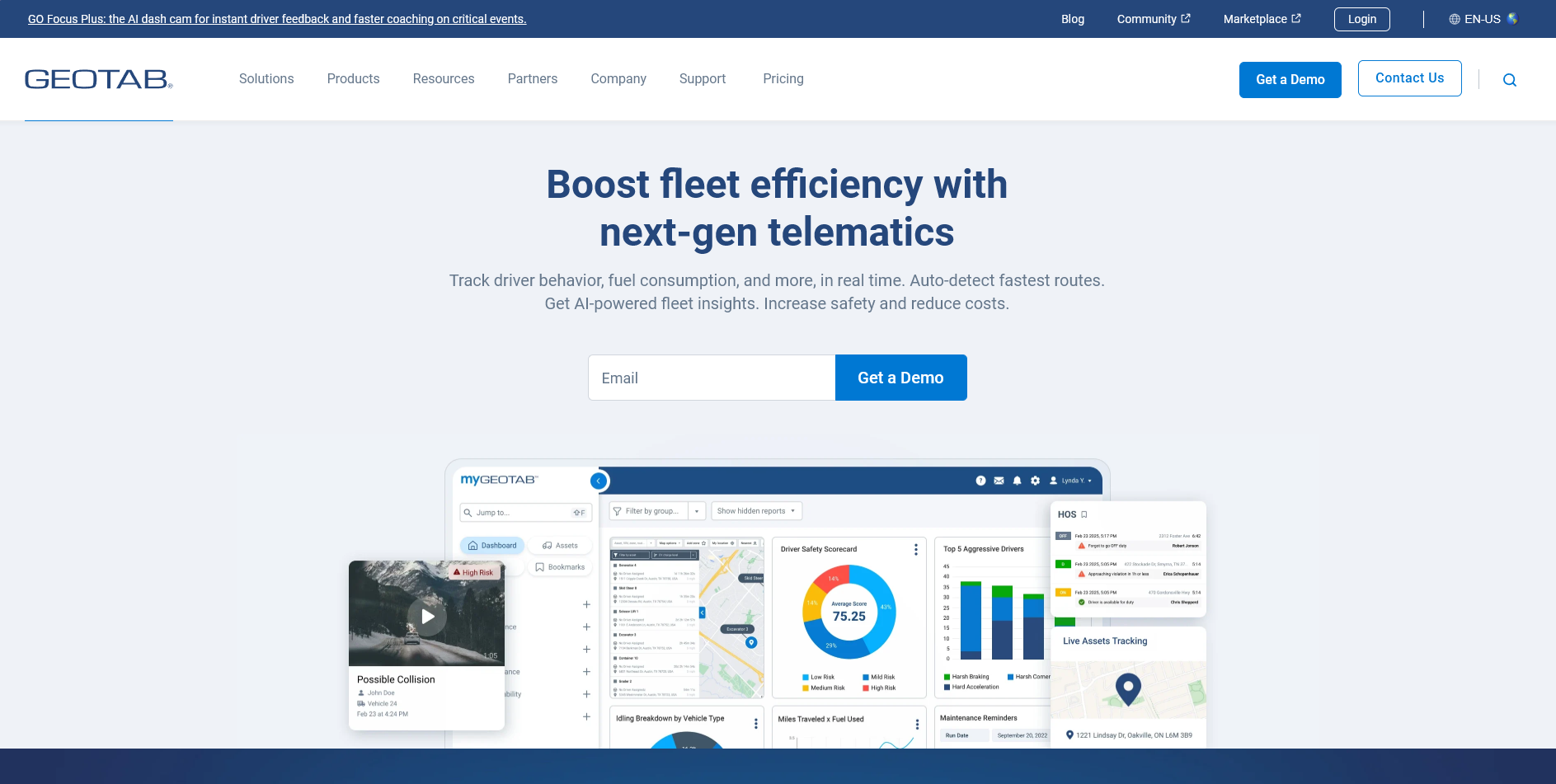
Geotab is known for deep telematics and strong EV support. Customers highlight its precise GPS tracking and powerful analytics.
Highlights:
- Advanced GPS tracking with detailed trip history and customizable reports.
- Excellent EV support: battery health, energy usage, and range monitoring.
- Highly rated on G2 (around 4.4/5 across categories like Fleet Tracking).
Watch-outs:
- UI can feel technical; best leveraged by teams comfortable with data.
Review snapshot:
Operators often give Geotab 8–9/10 likelihood to recommend, citing strong support and reporting, especially for mixed and EV fleets.
4. Verizon Connect – Best for Fleets Needing Tracking + Field Operations
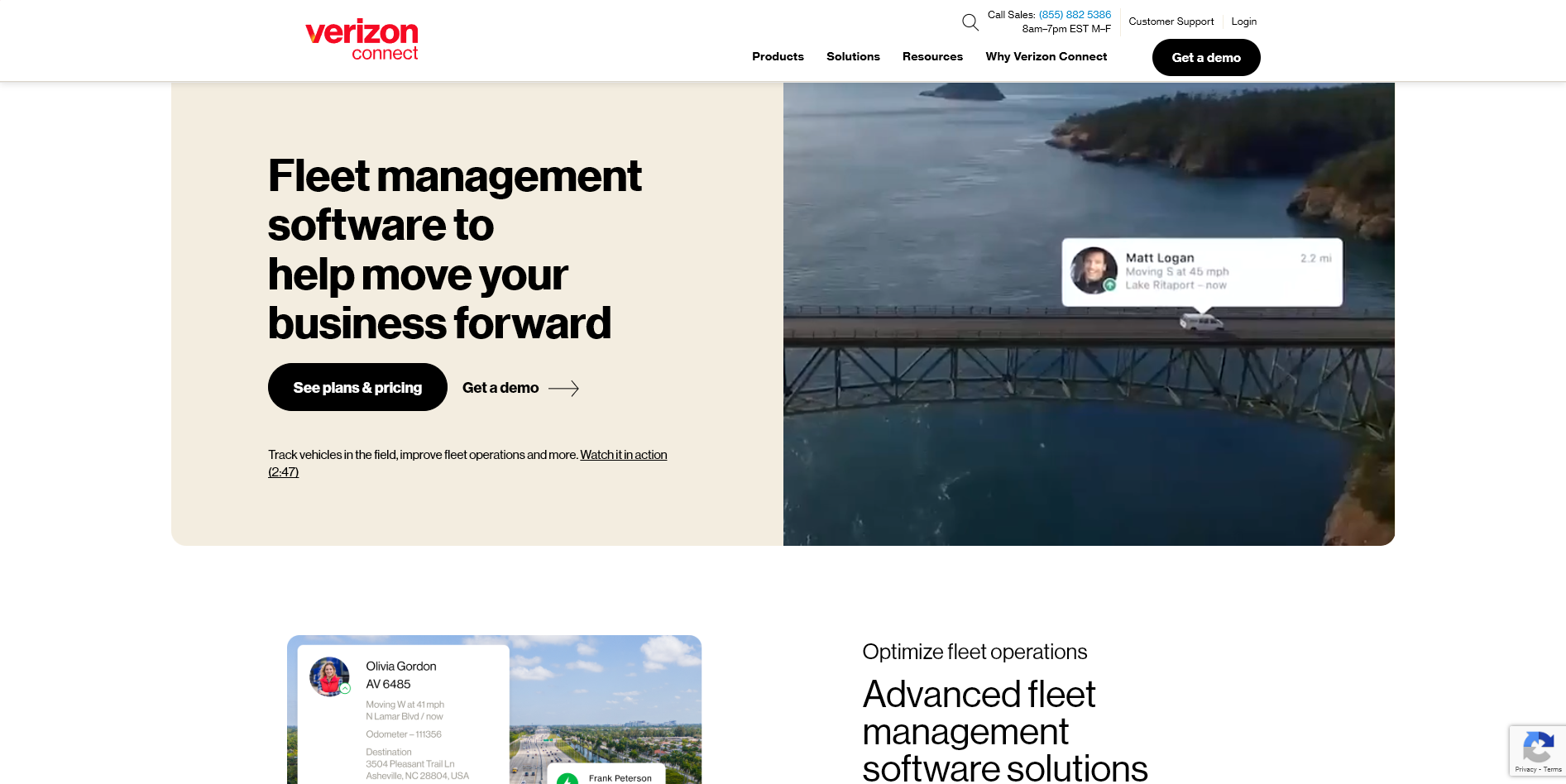
Verizon Connect (Reveal) combines GPS tracking with route, field, and mobile workforce tools. Many reviewers appreciate the mapping quality and diagnostics insights.
Highlights:
- High-resolution maps with clustering, ETAs, diagnostics, and fuel insights.
- Strong tools for monitoring driving behavior, productivity, and maintenance.
Watch-outs:
- Reviews frequently mention rigid contracts and slow support responses, so buyers should read the terms carefully.
Review snapshot:
On G2, Verizon Connect sits around the upper-mid 3.x range out of 5, reflecting a mix of satisfied long-term users and frustrated customers citing support and contract issues.
5. Teletrac Navman (TN360) – Best for Real-Time Tracking + Insights
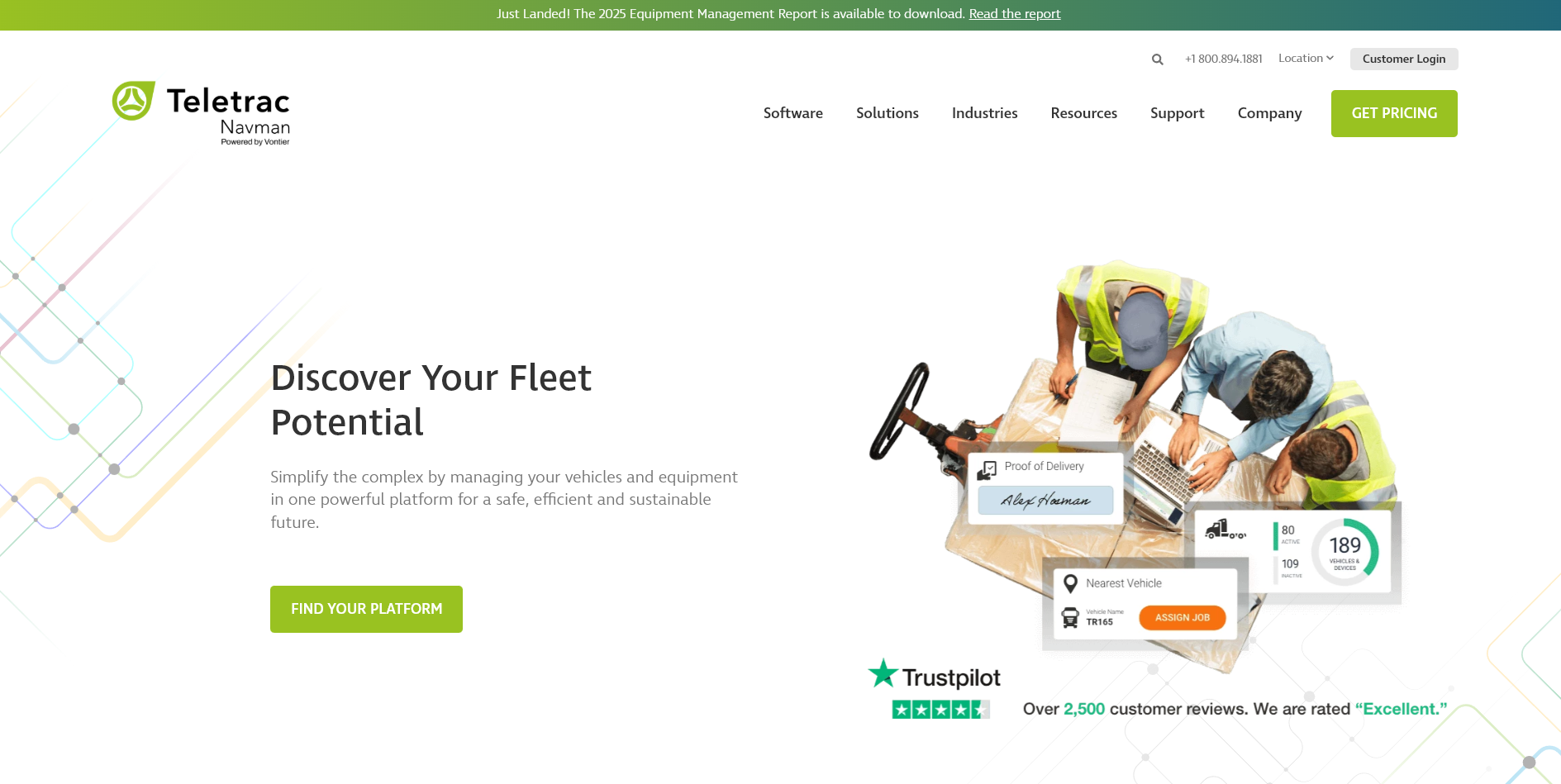
Teletrac Navman’s TN360 platform focuses on real-time GPS tracking, driver behavior, and AI-driven insights. It’s frequently recommended for fleets seeking visibility and data-driven decision support.
Highlights:
- Live map showing vehicles, jobs, driver status, and alerts in one view.
- Driver behavior monitoring, maintenance alerts, and job workflows.
- Machine-learning-driven insights and even features like Alexa integration for performance queries.
Watch-outs:
- Best suited for fleets ready to invest time in setup and training to fully leverage analytics.
Review snapshot:
Expert reviews and user feedback in 2025 describe TN360 as a strong choice for tracking + analytics, with some users praising theft recovery and real-time accuracy.
6. Motive (formerly KeepTruckin) – Best for Safety-Focused GPS + Video
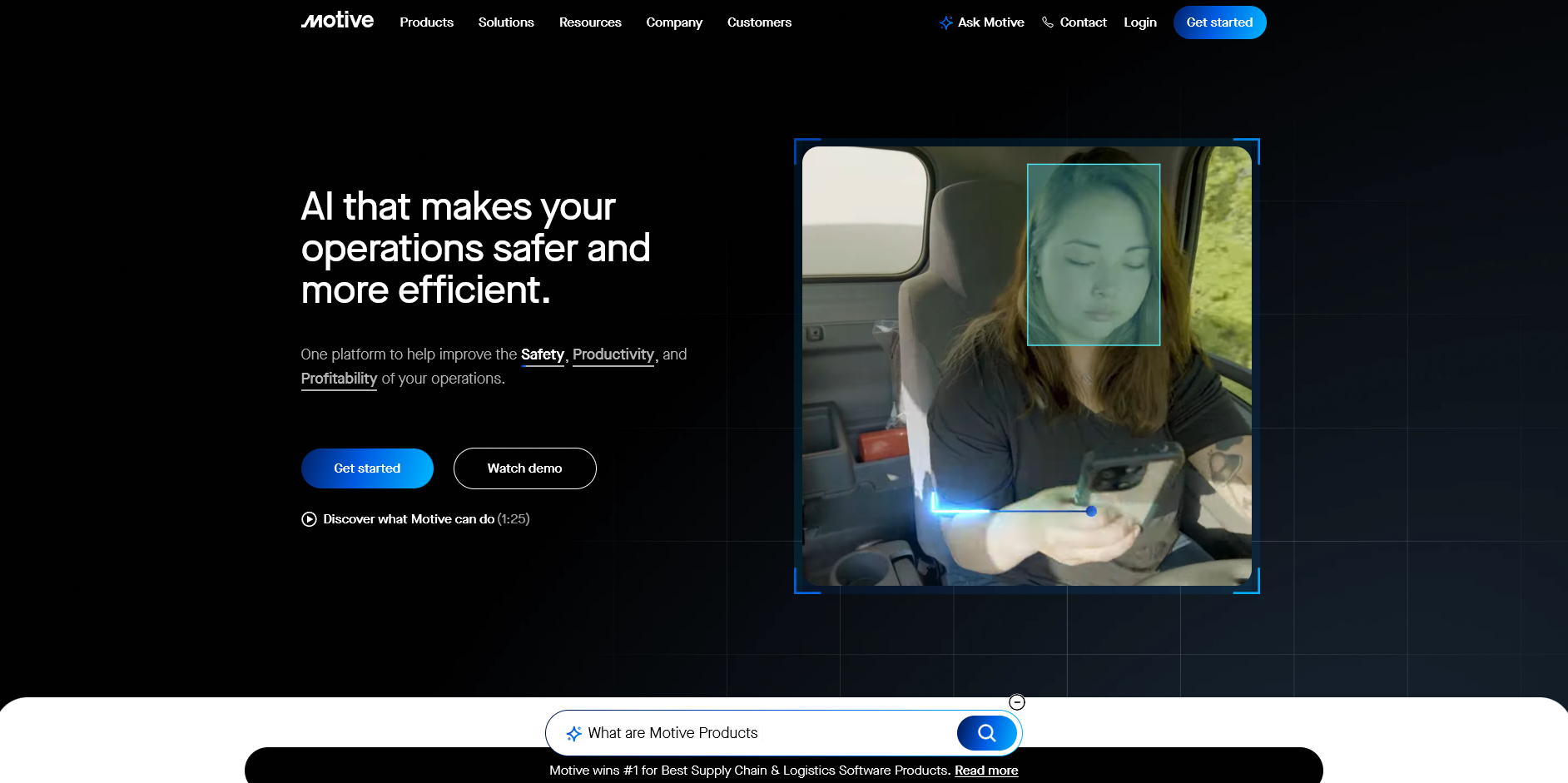
Motive combines accurate GPS tracking with AI dashcams and compliance tools. Many operators call it a “one-stop platform” for monitoring, safety, and ELD.
Highlights:
- Real-time and historical GPS, with detailed trip replay. AI dashcams and coaching workflows to improve driver behavior.
- ELD/HOS tracking and integrated compliance tools.
Watch-outs:
- Stronger fit for trucking and heavy commercial fleets than for very small or non-road fleets.
Review snapshot:
Editorial reviews in 2025 typically score Motive above 9/10, praising its GPS reliability and safety features, though some users note occasional hardware or support issues.
7. Azuga – Best for Safety-Driven Tracking with Driver Scoring
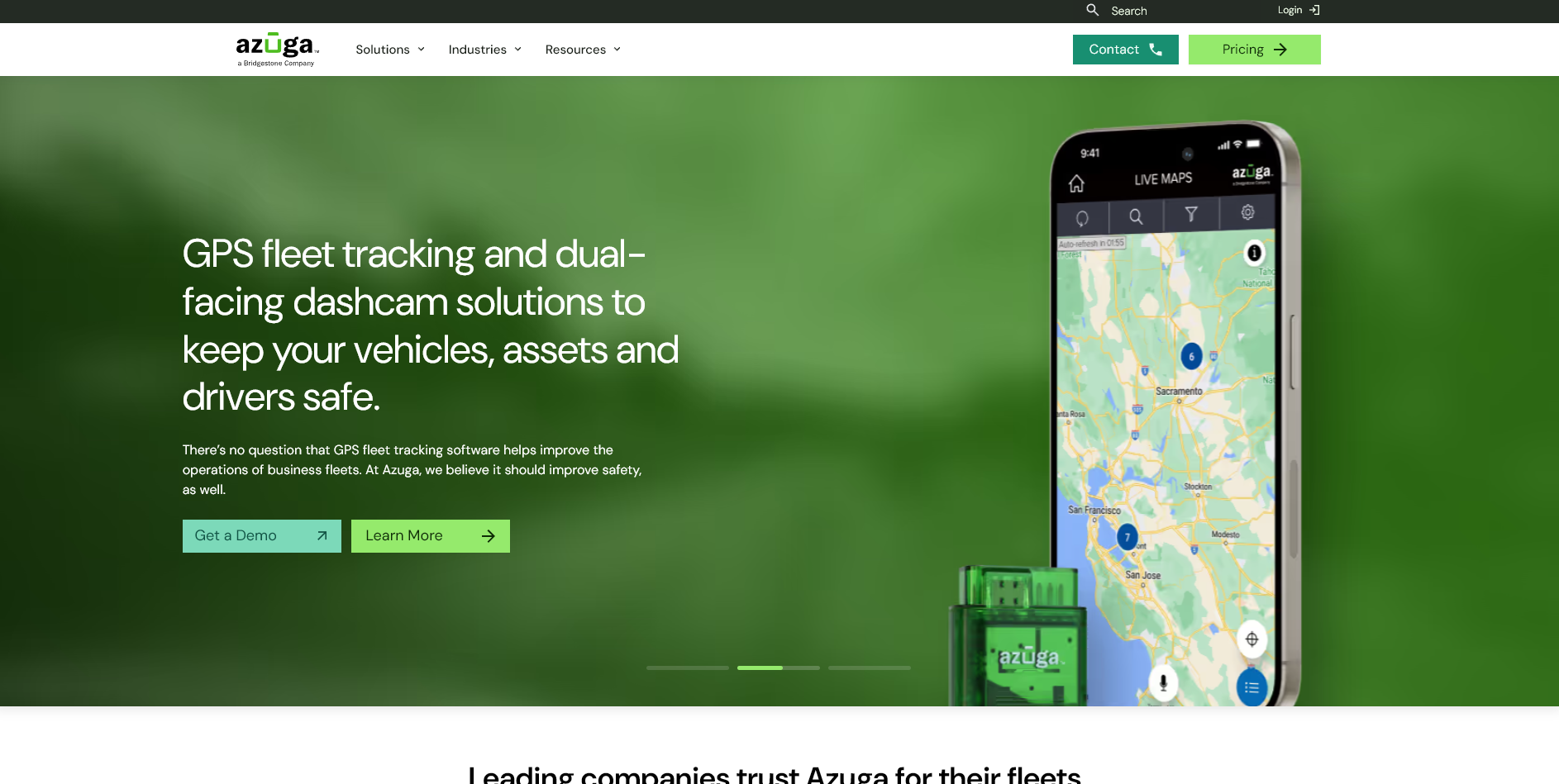
Azuga markets itself as a simple, affordable GPS fleet tracking platform with a strong focus on driver behavior and gamification.
Highlights:
- Real-time GPS, geofencing, and trip history.
- Driver scoring and reward programs that encourage safer driving.
- Often praised for ease of use and for making drivers more accountable.
Watch-outs:
- Some users report contract rigidity and frustrations when trying to cancel or change plans, so read the terms closely.
Review snapshot:
On Capterra, Azuga Fleet typically sits around 4.2–4.3/5 with a decent “likelihood to recommend,” combining many positive safety-focused reviews with a minority of very negative experiences about contracts and app stability.
8. Lytx – Best for Video-First Tracking and Risk Management
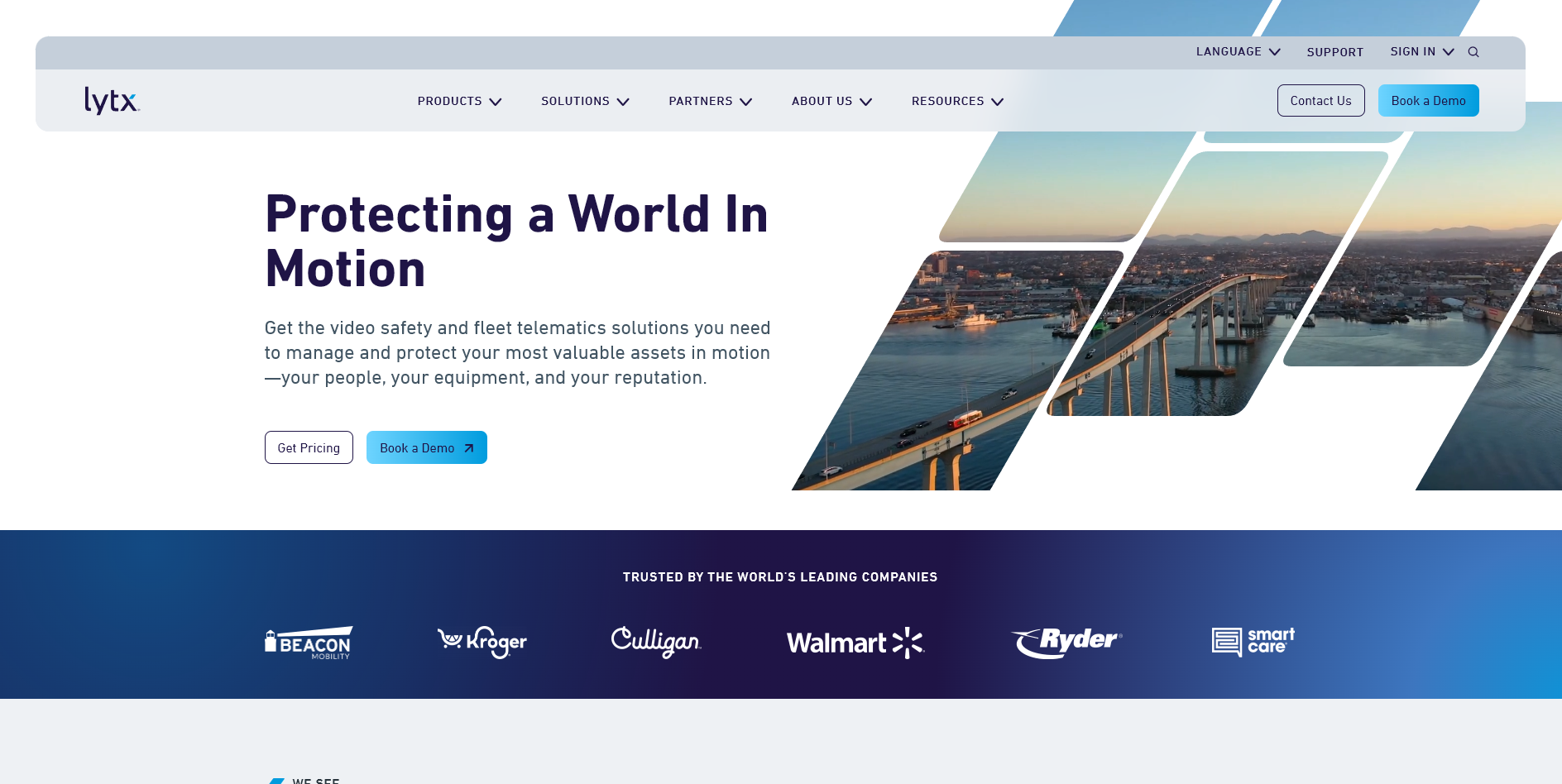
Lytx is best known for video telematics and safety, but it also offers a fleet tracking layer that pairs GPS with camera context.
Highlights:
- Real-time GPS combined with on-road video for full context.
- Safety and risk scoring, incident review, and coaching workflows.
- Well-regarded for improving safety culture and reducing claims.
Watch-outs:
- Focused more on safety + video than deep maintenance or routing.
- Hardware + cloud video storage can increase total cost.
Review snapshot:
Recent reviews typically rate Lytx around 4.3/5, highlighting strong safety outcomes and accurate event detection, with cost and deployment complexity as the main concerns.
9. Quartix – Best for Simple, Budget-Friendly Vehicle Tracking
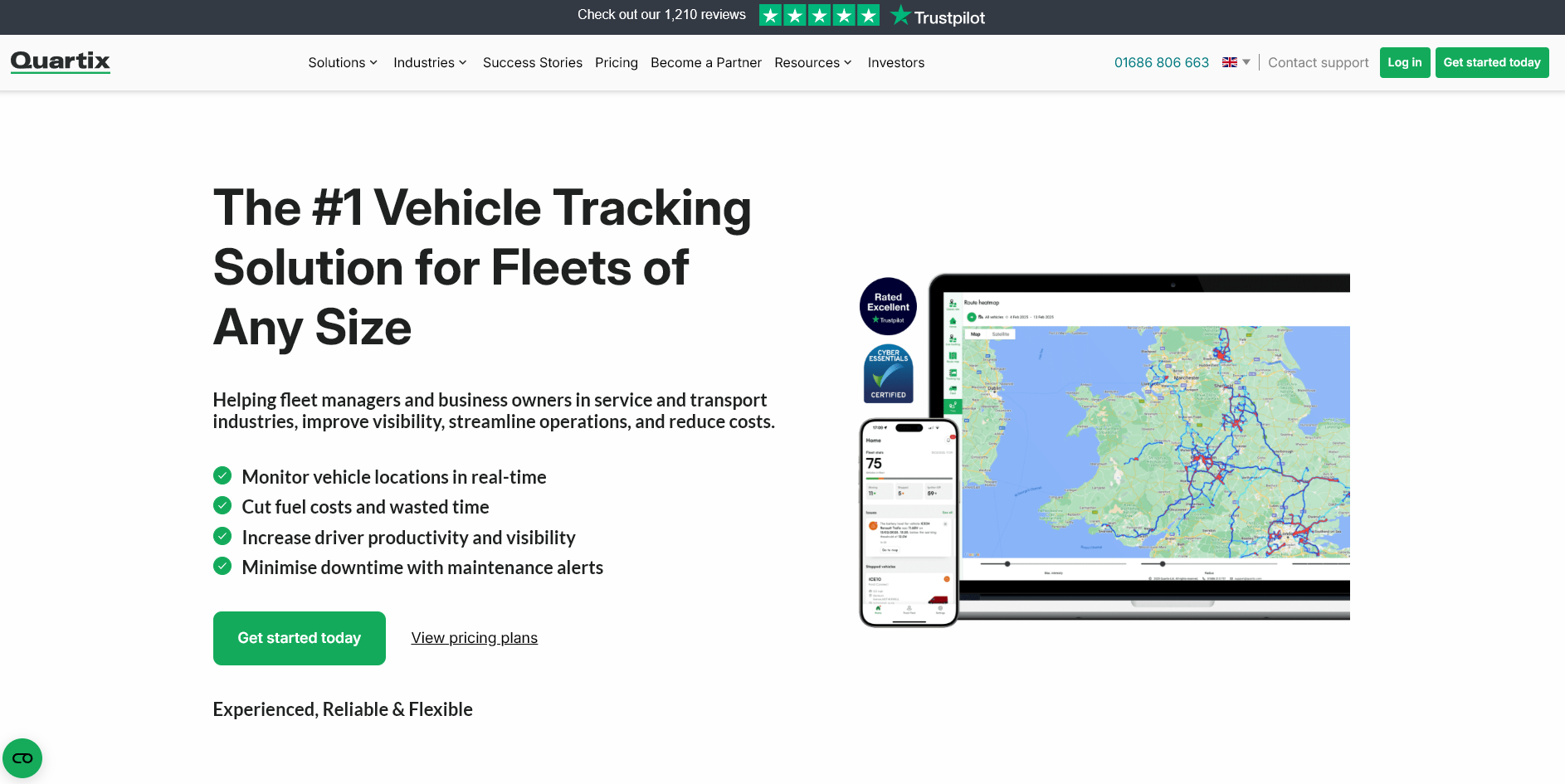
Quartix positions itself as a straightforward, affordable fleet-tracking solution, popular with SMEs that mainly care about “where are my vehicles and when did they arrive.”
Highlights:
- Real-time vehicle tracking with simple trip and driver logs.
- Easy-to-read reports emailed to managers (time on site, routes, stops).
- Often praised for value and simplicity.
Watch-outs:
- Less suitable if you need deep analytics, fuel tracking, or complex integrations.
- Some negative reviews mention contract or service frustrations, so check the terms.
Review snapshot:
Quartix is typically seen as “great for simple tracking, not for heavy analytics”, making it a good option for local service or contractor fleets that don’t want a heavy platform.
7. Fleet Complete (Powerfleet) – Best for “Single Screen” Visibility
Now part of Powerfleet in some regions, Fleet Complete focuses on giving operators a single interface for vehicle and crew visibility.
Highlights:
- GPS tracking, asset tracking, and basic productivity metrics in one platform.
- Flexible, modular approach that can scale with added capabilities.
Watch-outs:
- User reviews frequently point to GPS signal drops and platform reliability issues, along with low scores on some review sites.
Review snapshot:
Some fleets appreciate the visibility and pricing, while others rate it poorly (around 1–2/5 on specific platforms) due to tracking glitches and support frustrations. It’s a “try only if tested thoroughly in your environment” option.
You’ve now seen how the top GPS platforms stack up in the real world: where they shine, where they struggle, and which fleets they truly serve.

Why EazyRide Stands Out for Micromobility GPS Tracking?
Most fleet tracking systems on the market were built for trucks, vans, or traditional service fleets. They work well for roads and engines, but not for micromobility. EazyRide fills that gap.
It is purpose-built for bikes, e-bikes, scooters, carts, and other LEVs, where GPS accuracy, zone control, rider trips, and on-ground operations matter far more than ELD logs or fuel metrics.
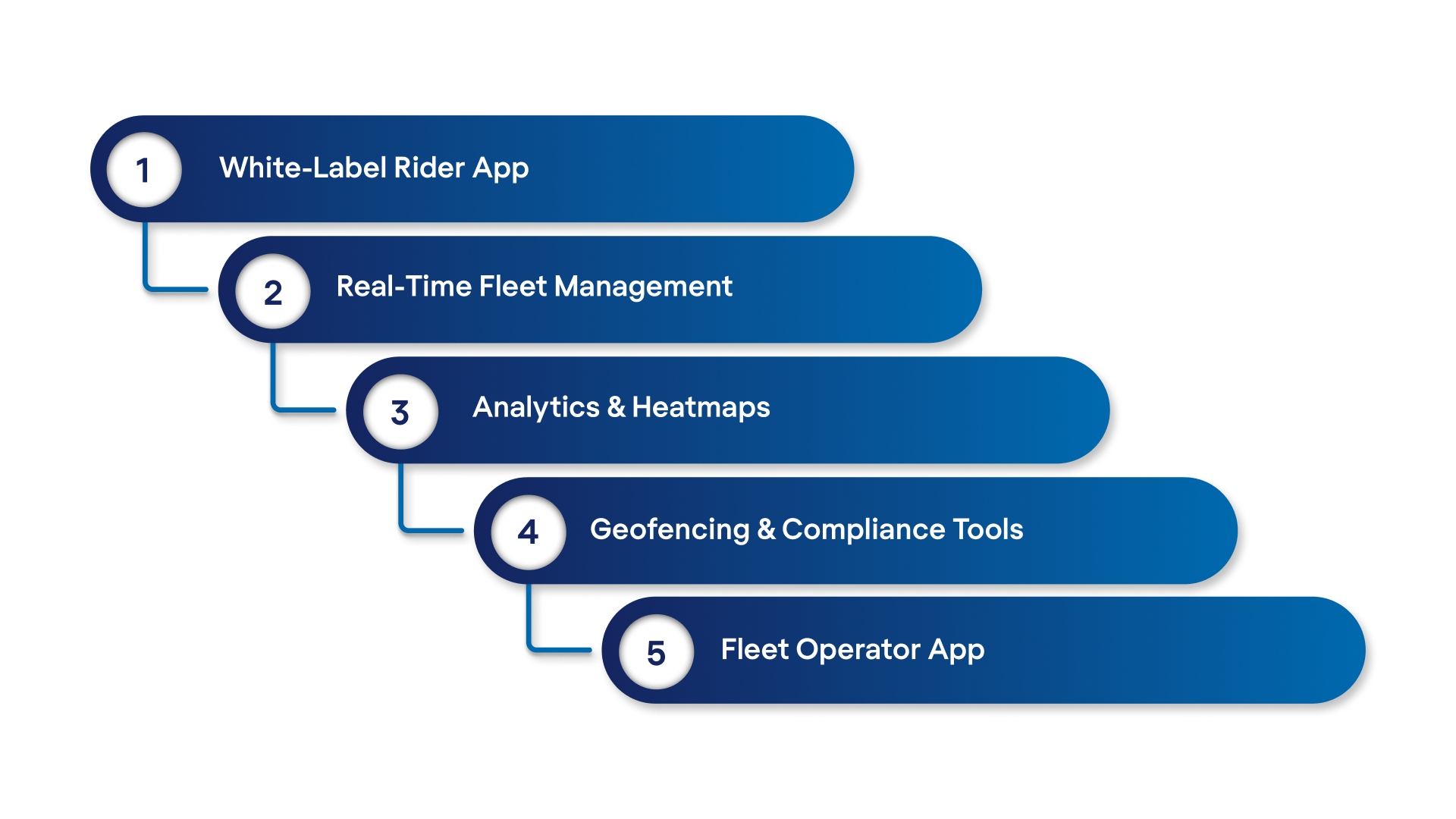
Here’s how EazyRide aligns directly with micromobility operations:
- White-Label Rider App: Can fully customize with your branding. You can offer a seamless, professional experience for customers while keeping your business’s identity front and center.
- Real-Time Fleet Management: Admin dashboard provides real-time data on all your bikes – tracking battery levels, location, and usage patterns. Optimize fleet deployment and maximize bike usage.
- Analytics & Heatmaps: Detailed analytics that help you understand customer behavior, peak demand times, and revenue patterns. You can improve fleet efficiency, increase customer satisfaction, and drive higher revenue.
- Geofencing & Compliance Tools: Ensure your e-bikes stay within permitted operating areas to help you stay compliant with local regulations. You can minimize regulatory risk, ensure safe riding, and guarantee compliance.
- Fleet Operator App: Simplifies daily operations for your on-the-ground team. From rebalancing bikes to managing maintenance schedules, this app centralizes all tasks in one place.
Traditional GPS tools focus on engines, drivers, and fleets of roads.
EazyRide focuses on rider behavior, battery health, charging cycles, rebalancing efficiency, and much more. These are the factors that determine whether a micromobility fleet actually runs smoothly and profitably.
Conclusion
Choosing a fleet tracking system is not about finding the platform with the longest feature list. It is about selecting the one that gives you clearer visibility, tighter control, and faster profitability.
The reviews show that each platform serves a different kind of fleet. Trucking fleets need depth in safety and telematics. Field service teams need routing and dispatch. Enterprise operations need integrations and compliance. And micromobility fleets need accuracy, zone control, and rider-connected data that general GPS tools don’t provide.
Your best choice is the system that aligns with the way your vehicles move, the terrain you operate in, and the outcomes you’re targeting this year.
If you want a no-pressure recommendation based on your routes, fleet size, or vehicle mix, Eazyride can help you narrow it down. Reach out to us today and choose the best one for your plan!
FAQs
1. How accurate are fleet GPS tracking systems in real-world conditions?
Most modern systems update every 1–10 seconds, but accuracy depends on hardware quality and cellular coverage. Premium platforms like Samsara and Geotab typically deliver sub-10-meter accuracy, which is reliable enough for routing, dispatch, and incident verification.
2. What’s the difference between fleet tracking and full telematics?
Fleet tracking shows real-time location and trip history. Telematics adds engine diagnostics, driver behavior data, maintenance alerts, and sometimes video. If you only need the area, tracking is enough. For safety or compliance, telematics matters.
3. Do small fleets really need a tracking system?
Yes, even fleets under 20 vehicles see measurable savings. Tracking reduces idle time, improves dispatching, and cuts manual coordination. Many small operators recover the software cost within a few months through fuel and labor efficiencies.
4. How much do fleet GPS tracking systems cost per vehicle?
Most platforms range from $10 to $45 per vehicle per month, depending on hardware, reporting depth, and add-ons like dashcams. Lighter “tracking-only” tools cost less; safety-heavy or compliance-heavy tools cost more.
5. Which tracking features matter most for electric or micromobility fleets?
Battery state of charge, trip trails, sub-meter GPS accuracy, and geofencing are essential. Micromobility fleets also rely on heatmaps, rider behavior insights, and zone compliance – features general truck-focused systems rarely offer.


