
 AllMicro Mobility Model

 8 August, 2026
 Solar E-Scooters for Fleet Operators in 2026: What Actually Works
Operators in sunny regions ask the same question every spring. Campuses in the U.S. Southwest, resorts on the Mediterranean, city programs across the Middle East: with 300-plus days of sun, isn’t a solar scooter the obvious buy? The honest answer is more careful than the pitch.
A solar scooter, the kind with panels bolted to the deck, adds roughly 1-5 km of range on a good day. Useful in a few narrow cases. A rounding error in most. And for nearly every fleet chasing lower emissions, there’s a cheaper path to the same result that the product reviews never mention.
This guide covers what “solar scooter” actually means in 2026, the range and ROI math most buyers skip, what you can really buy right now and what it costs, and the four situations where solar-integrated models genuinely pay off.
Key Takeaways
- A solar scooter adds 1-5 km per sunny day.
- Charging stations beat panel scooters on payback.
- Best fit: off-grid resorts and grant pilots.
- Rooftop solar charges standard fleets far cheaper.
- One dashboard tracks solar and standard scooters.
What a Solar Scooter Actually Means in 2026
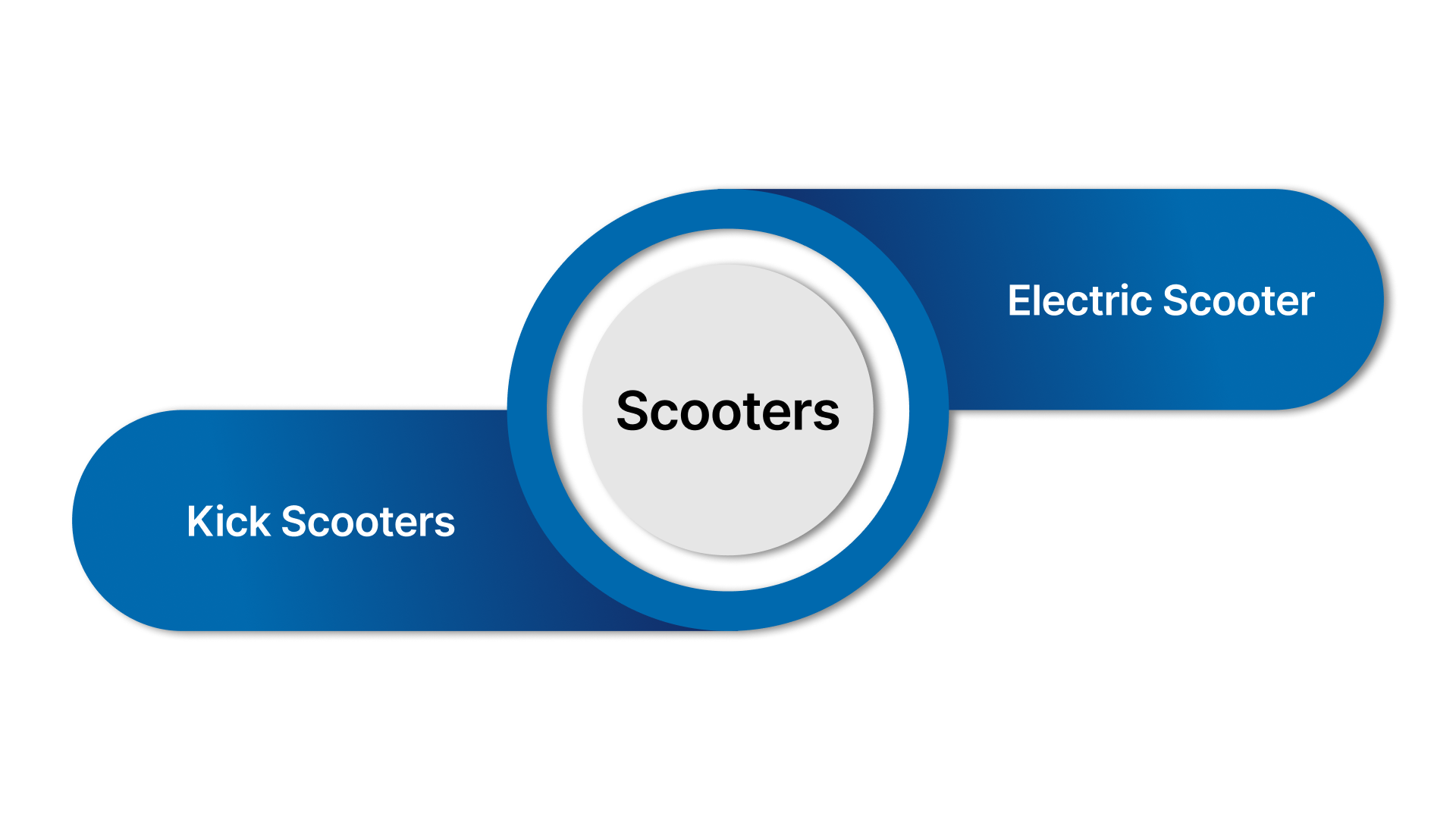
“Solar scooter” gets thrown around loosely. For an operator writing a purchase order, it means one of three very different things, each with its own economics.
Panel-integrated scooter. Solar panels are mounted on the deck, stem, or rear fender and charge the battery through the day, parked or moving. This is the model most reviews photograph, and the one with the toughest unit economics.
Standard scooter plus a solar charging station. No panels on the scooter. You build a solar array (rooftop, parking canopy, or ground-mount) at your hub, and it charges an ordinary battery-electric fleet. The scooters are identical to any other model you’d run.
Hybrid retrofit. Standard scooters with aftermarket solar kits added on. That market is small, mostly DIY, and rarely fleet-ready.
Most operators searching for a “solar scooter” actually want option two. They just haven’t reached the part of the spec sheet where that math becomes obvious. If you’re weighing total cost across options, our fleet management cost analysis walks through the same trade-offs for a full fleet.
The Physics: Why a Solar Scooter Adds So Little Range
The math behind a panel-integrated scooter is unflattering, and buyers rarely see it spelled out. Here it is.
The battery side. A shared-fleet scooter battery holds 400-700 Wh. A normal rental cycle of 20-30 km uses most of it.
The panel side. A kick-scooter deck is about 0.15-0.3 m². Add the stem and fender and total flat panel area tops out near 0.3-0.4 m². At 15-20% efficiency for the lightweight, vehicle-grade panels you’d actually mount, peak output is roughly 30-80 W.
Real-world output. Peak needs direct overhead sun, clean panels, no shade, ideal angles. In real conditions, cloud, dust, tilt mismatch, output drops to 30-50% of peak. Net delivery lands between 100 and 500 Wh on a sunny day.
What that buys in range. Fleet scooters draw 15-25 Wh per kilometer. So a solar scooter delivers about 1-5 km of extra range per sunny day. For a campus rider doing one 3 km loop, that can cover the day. For a city fleet running 20-plus km per scooter, it’s noise.
This isn’t a failure of solar. It’s a small surface collecting a low-density source. Physics doesn’t bend for a marketing deck.
The Honest ROI Math for Fleet Operators
This is the section most solar scooter articles skip. Three ways to spend the money, three very different returns.
Option A: panel-integrated solar scooter
- Hardware premium: roughly $200-500 per unit over a standard scooter.
- Grid cost recovered: about $20-50 per unit per year, depending on local rates and real sun capture.
- Per-unit payback: 4-10 years.
- Fleet refresh cycle: typically 2-3 years.
- Verdict: payback outlasts the refresh cycle for most fleets. Skip it unless brand value, off-grid need, or grant funding closes the gap.
Option B: solar charging station plus standard scooters
- Install cost: $5,000-15,000 for a small rooftop array that charges 50-plus scooters a day.
- Grid cost recovered: about $1,000-2,500 per year on a 50-scooter fleet.
- Payback: 4-8 years.
- Bonus: the array keeps generating after the scooters retire. Arrays run 20-25 years; scooters last about three.
- Verdict: better unit economics. The array becomes infrastructure, not per-vehicle hardware.
Option C: better fleet management software first
- No hardware spend.
- ROI measured in months: tighter rebalancing routes, geofencing that cuts violations, one dashboard for every vehicle type.
- Verdict: highest return for any fleet not already tuned on the software side. Solar can wait.
In deployments we’ve supported, the fast-payback win is rarely the panel. Operators running real-time geofencing that pushes zone rules to every vehicle report up to 40% fewer parking violations versus manual enforcement. That’s the kind of return that should land before any solar pilot. If your rebalancing is still manual or your dashboards are split by vehicle type, fix that with fleet management software built for scooter operations first, then talk solar.
Scoping a green fleet or a solar pilot in 2026? A 30-minute fleet review will hand you a real ROI model faster than a week of vendor calls. Book a free demo before you sign anything.
What a Solar Scooter Actually Costs to Buy in 2026
Here’s the part the ROI tables leave out: the buy-side market itself. If you go looking for a production solar scooter, you’ll find three tiers, and none of them are one-click simple.
Boutique European builders. Small workshops in Italy, Spain, Portugal, and the UK produce limited runs of solar-integrated kick scooters and Vespa-style mopeds. Volumes run 100-500 units a year, lead times 3-6 months, after-sales support uneven. Expect a premium model to land well above a standard fleet scooter once you factor the panel and the low production volume.
Asian OEMs with white-label options. A few Chinese and Indian OEMs offer a solar-deck option on existing platforms. The premium is lower, around 15-20%, but quality varies and integration with Western fleet software is rarely tested at scale.
Aftermarket and DIY kits. Panels-and-cables packages that bolt onto a scooter you already own. Hobbyist-grade, no fleet warranty, and they void most manufacturer warranties on the base scooter. Not viable at fleet scale.
The practical takeaway: plan for thin model selection, long procurement, and software gaps. The hardware is moving faster than the operator-grade tooling around it. Verify availability and warranty terms in writing before the purchase order goes out. If you’re weighing hardware spend against building your own stack, the build vs white-label cost breakdown is worth reading first.
Information gain most reviews miss: cost per extra kilometer. Take a $350 panel premium delivering 3 km of extra range on a sunny day. Over a three-year fleet life with, say, 250 sunny days a year, that’s about 2,250 bonus kilometers, or roughly $0.16 per kilometer of “free” solar range, before you count the grid electricity you’d have paid anyway (a fraction of a cent per km). The panel isn’t buying cheaper energy. It’s buying independence from a plug, which is only worth paying for when the plug is genuinely hard to reach.
Where a Solar Scooter Actually Makes Sense
Solar-integrated models do have a real fit zone. It’s narrower than the marketing claims. These four scenarios are where the numbers work.
Off-grid resorts and eco-properties. Remote islands, glamping sites, beach resorts with detached cabins, places with no grid at the scooter corral. Here the comparison isn’t solar versus grid. It’s solar versus trenching electrical to a remote corral. Solar pays back fast.
Remote campus deployments. Universities and corporate campuses with corrals far from existing power face the same math. A solar canopy can beat a 200 m conduit run plus permitting.
Brand-led eco-tourism. When “solar” branding directly drives bookings or sponsor revenue, the premium pays back through marketing value, not energy savings.
Grant-funded pilots. Smart-city grants and EU/UK clean-mobility programs routinely cover the 20-30% solar premium. If the grant pays the gap, you capture the brand value without eating the ROI hit.
For everyone else, rooftop solar at your warehouse plus standard scooters delivers the same emissions outcome with better economics. A solar scooter and a solar-powered fleet are not the same thing.
Running Solar and Standard Scooters on One Platform
Whatever you decide on charging, the management layer shouldn’t care. EazyRide builds the platform operators use to run e-scooter, e-bike, and moped services, and it behaves the same whether a scooter charges from the grid, an array, or a panel on its deck.
For an operator running a solar pilot, that means a few concrete things:
- One admin dashboard tracks utilization, rebalancing, and revenue for solar and standard scooters in a single account.
- Zone rule changes push to every vehicle in real time, no firmware update, regardless of charging method.
- Support for GPS and IoT integration across 10-plus hardware brands out of the box, so you’re not locked in if you pilot a small solar batch beside a larger standard fleet.
- A 14-day average deployment from contract signing, whether the fleet is 20 solar scooters at a resort or 200 standard scooters in a city.

We’ve found that operators who pilot solar well almost always start with a 20-50 unit batch in one high-sun site before scaling. The ones who order 200 solar units up front usually wish they’d run the small pilot first. If real-time tracking and cost control are the reason you’re eyeing solar in the first place, telematics for micromobility SMEs is a better starting point than the panel.
FAQs
Does a solar scooter cut my fleet’s grid bill?
Barely. Panel-integrated models save $20-50 per unit a year. A solar charging station feeding standard scooters saves $1,000-2,500 on a 50-scooter fleet, far more per dollar spent.
Can I retrofit my scooters with solar panels?
Not for a real fleet. Aftermarket kits are hobbyist-grade, void manufacturer warranties, and rarely integrate with fleet software. Buy purpose-built solar scooters or build a charging station instead.
How much range does a solar scooter add?
About 1-5 km per sunny day in real conditions, not lab peak. Useful for short campus or resort loops. A rounding error on city fleets doing 20-plus km daily.
Are solar scooters worth the price premium?
Usually not. The 20-30% premium takes 4-10 years to recover, but most fleets refresh scooters every 2-3 years. Worth it only with off-grid need, brand value, or grants.
When should a fleet pilot solar scooters?
When the site is off-grid, your brand sells sustainability at a premium, or a grant covers the hardware gap. Otherwise, optimize software and operations first.
The Bottom Line
A solar scooter works for two operator types: off-grid resorts and grant-funded pilots. For everyone else in 2026, a solar charging station plus standard scooters wins on ROI and emissions per dollar. The operators who get this right don’t ask “should I buy solar scooters?” They ask “where does solar belong in my charging infrastructure?” Then they make the smaller, smarter spend.
Not sure where solar fits in your fleet plan? Talk to us before you sign a purchase order.


