
 AllAnalytics and research

 25 July, 2025
 Fleet Management Cost Analysis: A Guide to Smarter Scaling
Do you really know what your fleet is costing you? Understanding where your money goes isn’t just number crunching; it’s the foundation for smarter growth, better margins, and fewer surprises.
We know how overwhelming it can feel when costs seem to rise faster than your revenue, especially when you’re juggling maintenance, staffing, insurance, and expansion plans all at once. It’s not just operational; it’s emotional, too, because every extra expense cuts your growth potential.
Have you spotted the hidden expenses that might be cutting into your profits? You might have big plans to expand, but without a clear picture of where your money’s going, that growth can quickly turn into a burden.
From acquiring vehicles to maintaining, insuring, and keeping them running efficiently, managing costs effectively is what helps you stay competitive and profitable.
In this guide, we’ll walk you through the key types of fleet costs, common challenges, and, most importantly, practical ways to control your expenses as you scale.
Here’s what it takes to manage fleet costs effectively and how to do it right as you scale.
The global fleet management market is projected to reach USD 55.6 billion by 2028. This shows its growing importance in reducing operational costs, improving asset utilization, and streamlining logistics for businesses.

Source: MarketsandMarkets
Key Takeaways
- Hidden costs like battery wear, inefficient routing, and insurance creep can silently drain profits.
- Total Cost of Ownership (TCO) helps make smarter decisions about scaling and replacements.
- Preventive maintenance and smart routing reduce downtime and save money.
- Use real-time data to cut charging, labor, and vehicle replacement costs effectively.
Why Knowing Your Fleet Costs Helps You Scale Smarter?
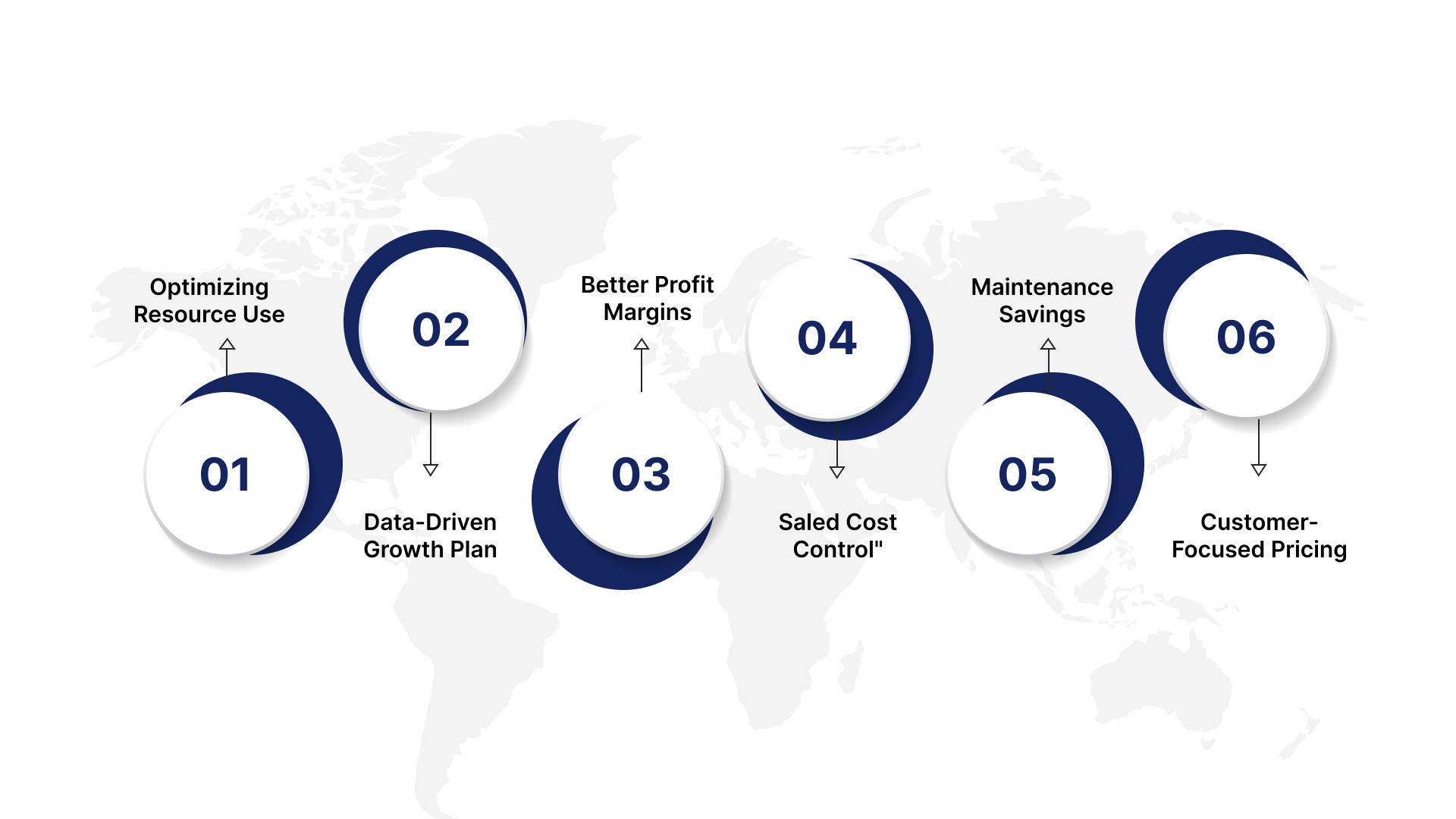
As an urban entrepreneur or fleet operator, understanding your costs provides the clarity you need to simplify operations. This helps you avoid costly missteps and make confident, informed decisions.
Here’s why getting a clear view of your fleet costs is key to scaling smarter:
Smarter Use of Resources
When you have a clear view of your fleet’s operating costs, it becomes much easier to allocate your resources wisely. You can decide when to add vehicles based on real metrics, such as demand, profitability, or uptime.
This lets you expand with confidence, not guesswork. Tourism-focused fleets can use cost tracking to manage seasonal peaks and protect margins during high-demand periods.
Better Profit Margins
Knowing your numbers means you’re in control of your bottom line. Small improvements, such as reducing idle time, optimizing routes, or minimizing maintenance downtime, can significantly boost your profit margins without compromising service quality.
Preventive Maintenance & Long-Term Savings
A solid understanding of maintenance patterns helps you shift from reactive fixes to planned servicing. Predicting when a vehicle needs attention reduces emergency repairs, keeps your fleet running smoothly, and extends vehicle lifespan, saving you money over time.
Smarter Pricing That Keeps Customers Coming Back
When you know your true operational costs, you can set pricing that makes sense for both your business and your customers. Whether it’s flexible pay-per-ride models or longer-term plans, your pricing will stay competitive, profitable, and attractive to users.
To get a clearer picture of what’s driving up expenses, it helps to break down the core costs involved in running a micro-mobility fleet.
Also Read: Essential Fleet Management Checklist.

What Are the Main Costs of Running a Fleet?
The global fleet management market size is expected to reach $41.11 billion by 2029, reflecting the growing demand for smarter and more efficient mobility operations.

Source: BusinessResearchCompany
Managing a fleet comes with different types of expenses that can directly affect your profits. These costs generally fall into two main categories: fixed costs and variable costs. Understanding how each one works and keeping them under control is key to running your fleet efficiently and protecting your bottom line.
Fixed Costs in Fleet Management
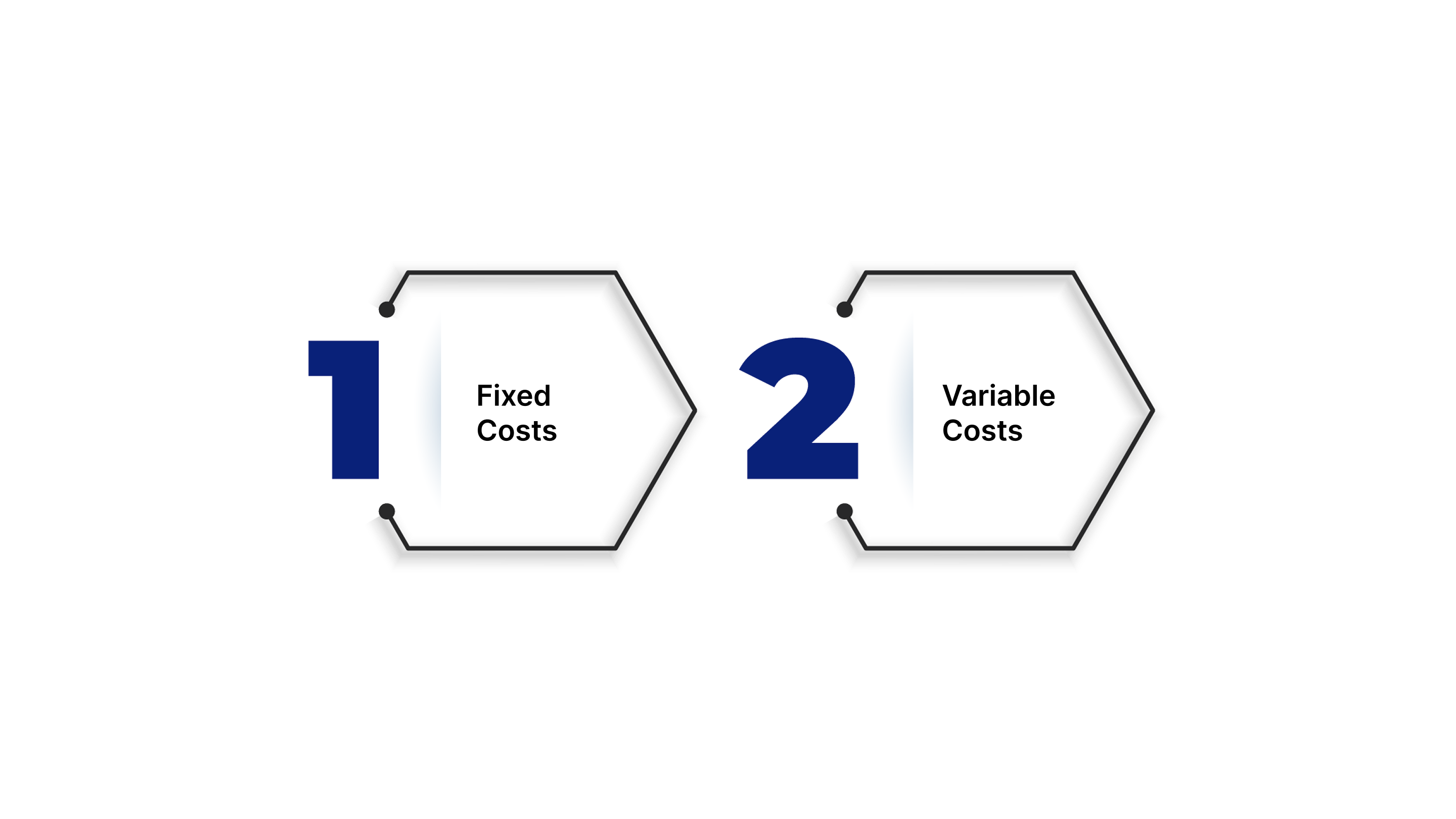
Fixed costs are regular expenses that remain constant regardless of the level of fleet usage. Whether your vehicles are out on the road every day or sitting idle for a week, these costs stay the same.
They’re necessary for keeping your operations running and staying compliant with local regulations. For example, if you operate 100 e-scooters, you’ll still need to cover costs such as insurance premiums, vehicle registration, warehouse or parking space rent, and employee salaries (including administrative or operational staff).
The fixed costs in fleet management include:
1. Vehicle Acquisition and Depreciation
Buying or leasing vehicles is one of the largest fixed costs for any fleet. Once your vehicles are in use, they begin to lose value over time due to wear and tear, age, and market changes. While depreciation isn’t a cash expense, it reduces the value of your fleet.
2. Insurance and Liability Costs
Insurance covers essential risks, such as accidents, theft, and third-party damage, with premiums typically paid monthly or annually. These costs stay the same whether your vehicles are active or idle.
Maintaining proper coverage is key for legal compliance and protecting your business from unexpected losses.
3. Fleet Management Software and Technology
Around 80% of fleet managers use GPS tracking to make their vehicles run more efficiently. To do this, they usually use fleet software that provides GPS, vehicle health updates, and live tracking. This fleet software often comes with monthly or yearly subscription costs.
These costs don’t change based on how much your fleet is used, but the software helps improve efficiency, reduce errors, and support better decision-making. This makes it a worthwhile fixed investment.
4. Regulatory Compliance Costs
Legal requirements like vehicle registration, permits, inspections, and licenses come with annual costs that remain stable regardless of usage. These are non-negotiable expenses that ensure your fleet remains compliant and avoids potential fines or service interruptions.
By clearly understanding and tracking these fixed costs, fleet operators can plan ahead, build realistic budgets, and make smarter long-term decisions about growth and operations.
Variable Costs in Fleet Management
Variable costs change based on the level of activity in your fleet. These expenses are directly tied to the frequency of vehicle use, the distance traveled, and the day-to-day operational demands.
Since usage levels can shift, these costs often vary from month to month. However, with smart planning and good tracking, you can manage and reduce them effectively.
For example, in a shared e-scooter fleet, charging and maintenance costs typically rise during busy months like summer, when usage is high, and drop during slower times like the monsoon.
The variable costs in fleet management include:
1. Fuel and Charging Costs
Fuel and charging are among the biggest variable costs for any fleet. In fact, fuel costs constitute up to 40% of total fleet operating costs.
For fuel-powered vehicles, expenses depend on distance, fuel efficiency, and market prices. In electric fleets, charging costs vary based on electricity rates and energy use.
The more vehicles you have on the road, the higher these costs will be. Using energy-efficient models, planning smarter routes, and promoting eco-driving can help keep spending under control.
2. Maintenance and Repairs
The average annual maintenance cost per vehicle in a fleet is approximately USD 0.15 per mile driven. As mentioned earlier, maintenance costs scale with vehicle usage, making preventive planning essential for managing variable expenses.
While wear and tear are unavoidable, a solid preventive maintenance schedule can help reduce breakdowns, avoid downtime, and lower repair costs over time.
3. Labor Costs
Labor includes wages for technicians, rebalancers, drivers (if applicable), and support staff. These costs go up when your fleet is busier and requires more frequent servicing or repositioning.
Smart shift planning, better demand forecasting, and automating routine tasks can help control labor expenses as operations scale.
4. Tires and Consumables
Items such as tires, brake pads, filters, and lubricants wear out more quickly when vehicles are used frequently. Fleets with higher mileage will need to replace these parts more regularly.
By tracking usage patterns, rotating parts, and adhering to maintenance schedules, you can minimize waste and prevent sudden, costly replacements.
5. Vehicle Replacement Costs
Vehicles that are used more heavily or operate in tough environments wear out faster. As a result, replacements become a variable cost tied to usage levels.
By monitoring vehicle performance, planning replacements in phases, and considering leasing options, you can manage this cost more predictably without compromising reliability.
Understanding the main cost categories is just the beginning. Let’s break them down further to see how they truly impact your fleet operations.
You Might Also Like: The Complete Guide to Electric Vehicle (EV) Fleet Management.
Breaking Down the True Costs of Fleet Management
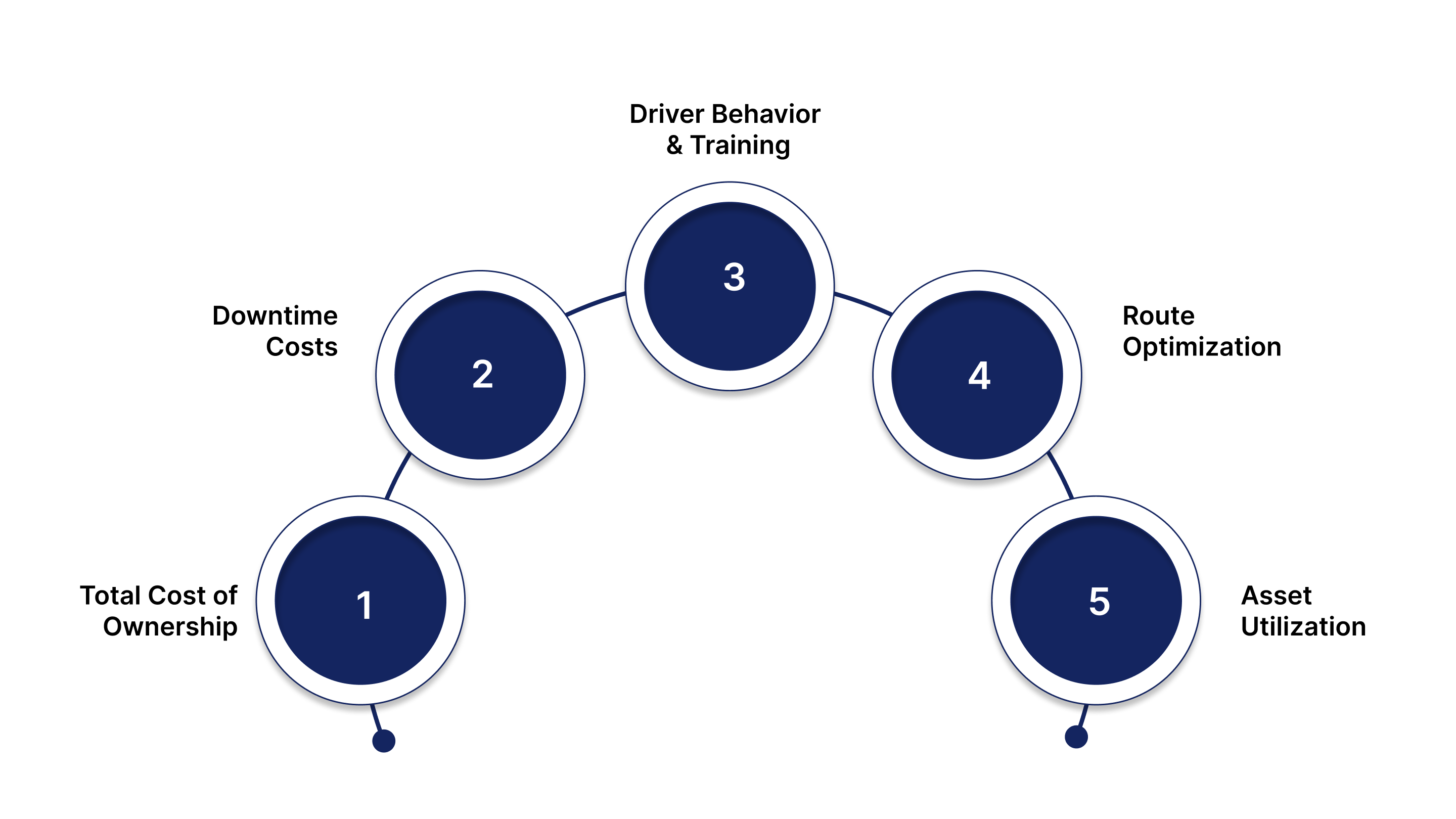
Understanding the real cost of managing a fleet means looking beyond just fixed and variable expenses. It requires a closer look at everything that affects your Total Cost of Ownership (TCO) and how efficiently your fleet runs.
For fleet operators seeking to remain profitable and deliver consistent service, accurately tracking and effectively managing these costs is crucial to long-term success. Let’s break down the true costs of fleet management:
1. Total Cost of Ownership (TCO)
TCO is the complete cost of owning and operating a vehicle over its lifetime. It includes the initial purchase or lease plus ongoing expenses like fuel, maintenance, insurance, depreciation, and final resale or disposal. It includes:
- The purchase or lease price
- Fuel or charging expenses
- Maintenance and repair costs
- Insurance premiums
- Depreciation over time
- Resale or disposal costs
TCO helps you move beyond the sticker price and make smarter decisions when expanding your fleet or comparing vehicle models.
2. Downtime Costs
When a vehicle breaks down or is unexpectedly out of service, it leads to delays, lost income, additional repair costs, and unhappy customers. Downtime means your vehicle isn’t generating revenue but is still incurring fixed costs like insurance and parking.
For instance, if a scooter typically earns $5–$25 per scooter per day, its idle time translates to a direct revenue loss, compounded by potential penalties for service disruption.
Keeping downtime low, real-time monitoring, and predictive tools help you avoid costly interruptions and keep your fleet running smoothly.
3. Driver Behavior and Training
Driving habits have a direct impact on fuel usage, wear and tear on parts, and the risk of accidents. Aggressive moves, such as speeding or hard braking, can increase costs.
Fleet telematics solutions can reduce vehicle idle time by up to 20%. It collects real-time driving data such as speed, braking patterns, and idle time. This allows fleet managers to identify risky or inefficient driving habits and offer corrective training.
Training drivers and using telematics to track driving patterns can lead to safer, more efficient behavior, helping you cut fuel and repair expenses.
4. Route Optimization
Poorly planned routes mean longer trips, more fuel, and extra labor hours. If vehicles are stuck in traffic or going a long way, your costs go up. Using route optimization tools that factor in real-time traffic and weather data helps reduce mileage, improve delivery speed, and lower operational costs.
5. Asset Utilization
Idle vehicles still incur costs even when they’re not in use. You’re paying for insurance, depreciation, and space without getting value in return.
Even if they aren’t generating revenue, they lose value over time and occupy physical or digital tracking space. This makes poor asset utilization a hidden drain on your finances.
Tracking how often and how well each vehicle is used helps you right-size your fleet, rotate assets more effectively, and maximize the value of every vehicle.
In the United States, the total cost of managing a fleet can vary based on factors such as fleet size, vehicle type, and the efficiency of operations.
On average, businesses spend between $10,000 and $12,000 per vehicle each year. This estimate includes both fixed costs and variable expenses.
Once you understand where your fleet spending goes, the next step is to tackle the common cost challenges that can slow growth and find practical ways to address them.
Common Cost Challenges & How to Fix Them
Running a micro-mobility fleet isn’t just about keeping vehicles on the road; it’s also about keeping costs under control. However, without careful management, common cost-related challenges can arise, impacting both your margins and your ability to grow.
Let’s take a look at some of the most common cost challenges in fleet operations and how you can tackle them effectively:
| Challenges | Solutions |
|---|---|
| High Maintenance and Repair Costs | Set up a regular check-up plan, keep an eye on vehicle condition, and fix issues early to avoid sudden problems. |
| Battery Management and Replacement Costs | Check battery condition regularly, charge smartly, and replace batteries according to usage to extend their lifespan. |
| Inefficient Rebalancing and Vehicle Downtime | Use live data to place vehicles better, cut down on labor costs, and plan to rebalance with smarter routes. |
| High Insurance Premiums | Improve safety with routine checks, use safe zones with geofencing, and cut accidents to lower insurance bills. |
| Charging Infrastructure Costs | Place chargers wisely, work with charging partners, and use smart charging to cut energy spending. |
| Labor Costs for Operations | Automate tasks like check-ups, rebalancing, and tracking to reduce manual work and boost speed. |
| Lack of Data-Driven Insights | Use fleet tools to watch performance, track usage, and make better choices to run things smoothly. |
Solving cost challenges is only one part of the equation. Finding smart, sustainable ways to reduce expenses while still delivering a reliable rider experience takes things further.
Also Read: How AI Is Reshaping Fleet Operations for Efficiency & Safety?
Smart Ways to Cut Fleet Costs Without Compromising Service
On average, fleet managers can reduce costs by 15–20% through effective fleet management practices.
If you’re a fleet operator or run a micro-mobility business, following these practices can lower your expenses while keeping your service quality high, both of which are key to staying profitable.
Here are some smart ways to lower fleet costs without affecting service:
Leverage Predictive Analytics for Battery Management
Once you’re collecting usage and maintenance data, you can apply predictive analytics, a method that forecasts future issues based on patterns. For example, you can:
- Predict when a battery might fail based on charge cycles
- Pre-schedule servicing to avoid costly breakdowns.
Adopt Smart Charging Practices
Smart charging systems help by automatically pausing or adjusting the current to maintain optimal charge cycles. Schedule charging during off-peak hours using tools that automate this process.
AI-driven scheduling helps fleets lower electricity costs by automatically shifting charging to off-peak hours. In fact, McKinsey reports that optimized charging strategies can reduce energy bills by as much as 25%.
Monitor each charging session to avoid overcharging or undercharging, protect battery health, and extend battery life.
Maximize Vehicle Longevity
Rotate vehicles regularly, maintain them on schedule, and avoid operating in harsh conditions or rough terrain to reduce wear and extend service life. This reduces repair frequency and delays expensive replacements, keeping your fleet stronger for longer.
Outsource Non-Core Operations
Delegate tasks like rebalancing, maintenance, or customer service to specialized partners. Cut hiring costs, reduce overhead, and benefit from expert tools and processes that deliver faster, more efficient results.
Universities and business campuses can reduce idle fleet time and control fuel costs by tracking vehicle utilization and optimizing asset allocation.
Optimize Rebalancing and Routing
Use smart routing software and live data to reposition vehicles efficiently by analyzing demand, traffic conditions, and vehicle locations in real time. Smart routing software uses real-time GPS data, traffic analytics, and demand forecasting to calculate the most efficient path for vehicle deployment.
Consider demand patterns, traffic, and weather to cut fuel consumption, reduce trip times, and limit wear and tear, making every move count.
Integrate Fleet Management Technology
Integrate fleet management technology by installing software that tracks vehicle health, battery status, and service needs in real time. Automate alerts and maintenance tasks to minimize errors, reduce administrative workload, and boost overall efficiency.
Standardize Your Fleet
Standardize your fleet by using the same vehicle models and parts, which makes repairs easier, staff training quicker, and spare parts management cheaper. This helps to reduce overall maintenance costs and simplify operations.
Incentivize Safe Driving Habits
Reward drivers who practice safe habits by giving them cash bonuses, gift cards, or vouchers to recognize consistent, safe behavior. Provide extra paid time off or flexible scheduling to motivate drivers to maintain high safety standards.
Additionally, utilize behavior tracking to minimize collisions, manage repair and insurance costs, and maintain vehicles in better condition for longer. Fewer accidents mean more uptime and greater savings.
Cost-cutting strategies work best when paired with smart asset decisions. One of the most impactful is knowing the right time to replace a vehicle for better long-term savings.

When Should You Replace a Vehicle to Save More in the Long Run?
As a fleet operator, deciding when to replace a vehicle in your micro-mobility fleet is one of the most important choices you’ll make.
Finding the right time to replace a vehicle helps you strike a balance between costs and efficiency, making your fleet more reliable and profitable.
Let’s look at the key factors that can help you decide the best time to replace your vehicles.
1. Maintenance Costs Are Too High
If a vehicle is constantly in the repair shop or needs expensive fixes, it may be costing more to keep than it’s worth. Frequent breakdowns not only cut your budget but also reduce fleet availability, making it a smarter investment to replace your vehicle.
2. Performance Is Slipping
When a vehicle starts slowing down, losing battery range, or becoming less reliable overall, it affects your service quality. Replacing underperforming vehicles keeps your fleet efficient and ensures riders get a smooth, dependable experience.
3. Operating Costs Are Rising
As vehicles age, they often become less energy-efficient and more expensive to maintain. If charging, servicing, or daily running costs continue to rise, upgrading to newer, more efficient models can help reduce long-term expenses.
4. The Vehicle Is Visibly Worn Out
Over time, even with regular care, vehicles start to show wear from worn tires and weak batteries to rust or damaged parts. If a vehicle is nearing the end of its typical lifespan, replacing it helps maintain the quality and safety of your fleet.
5. Customer Complaints Are Increasing
When riders start reporting more issues, such as low battery life, rough rides, or frequent breakdowns, it’s a clear signal that the vehicle may need to be retired. Keeping customer satisfaction high means ensuring your fleet is in top condition.
6. Technology Is Outdated
Older vehicles may lack features like smart tracking, efficient batteries, or safety updates found in newer models. Upgrading your fleet helps you stay competitive, improve operations, and deliver a better rider experience.
7. It No Longer Meets Regulations
If new local rules or safety standards come into play, older vehicles might fall out of compliance. Updating your fleet to meet these regulations avoids penalties and shows your commitment to safe, legal operations.
You’ve now seen how unpredictable repairs, downtime, and inefficient routing can quietly drain your budget. That’s where EazyRide steps in. Even without a tech team, startups can use plug-and-play tools like EazyRide to manage fleet data and cut costs with ease.
You Might Also Like: Fleet Compliance Guide: Rules, Risks & Best Practices for Business.
Smarter Fleet Cost Control with EazyRide
Fleet costs can add up fast without the right systems in place to track, manage, and optimize every moving part.
EazyRide provides mobility operators with the tools to bring clarity, automation, and real-time insights to their operations. It helps them cut unnecessary expenses and scale more efficiently.
Here’s how EazyRide makes cost control easier and smarter:
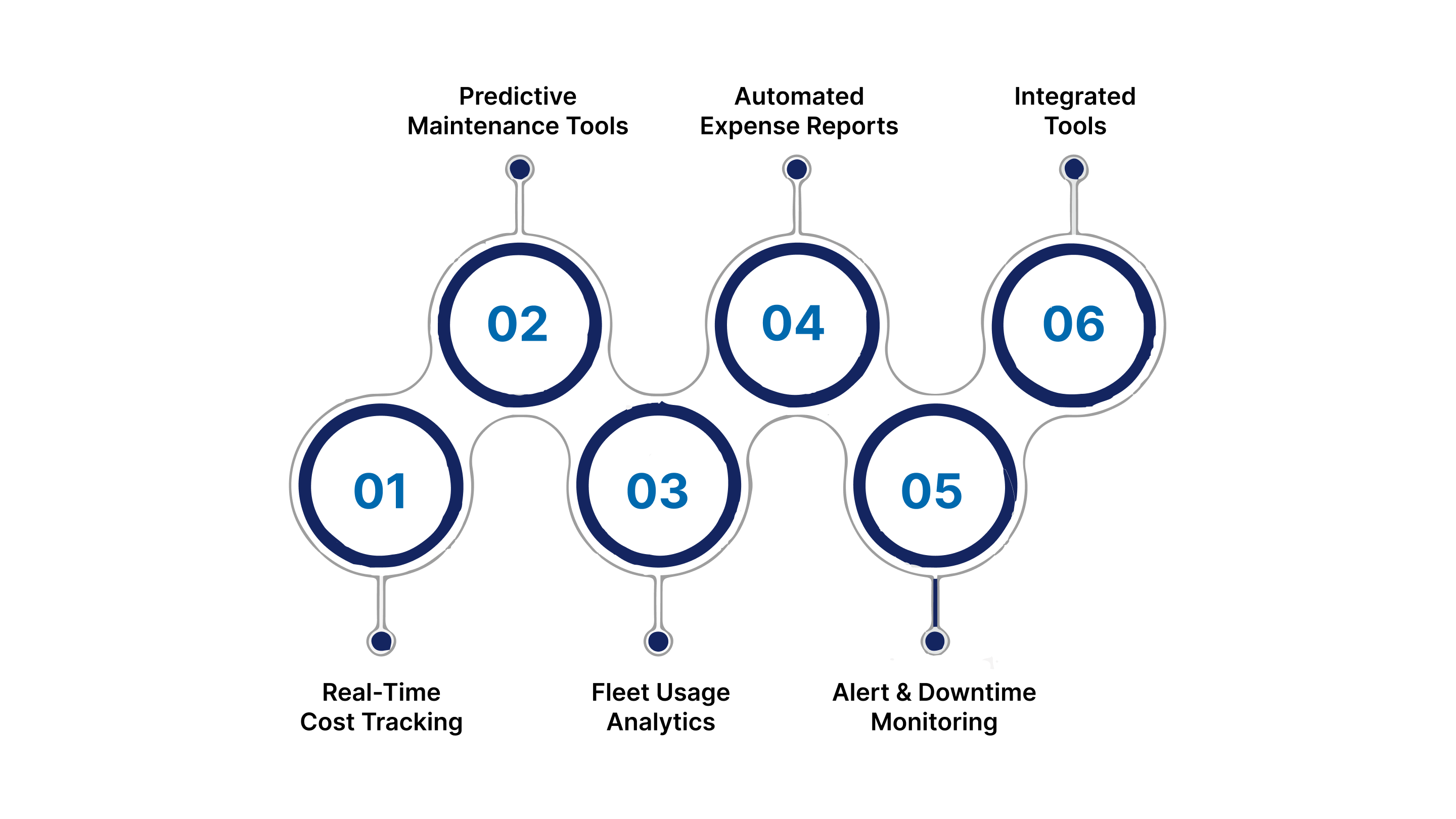
- Real-Time Cost Tracking: Know exactly how much each trip, vehicle, or route is costing you. EazyRide provides trip-level insights that help you spot hidden expenses and improve your profit margins.
- Predictive Maintenance Tools: Reduce surprise breakdowns and extend vehicle life with smart alerts and issue tracking. Stay ahead of repairs, minimize downtime, and keep your fleet on the move.
- Fleet Usage Analytics: Spot underused vehicles, high-demand areas, and inefficient routes. These insights help you rotate assets more effectively and cut out waste from your operations.
- Automated Expense Reports: Access instant summaries of maintenance, usage, labor, and more. Stay on top of your budget and plan your fleet’s growth with confidence.
- Custom Alerts & Downtime Monitoring: Get notified about low batteries, excessive idle time, or unusual activity before it becomes a bigger problem. EazyRide helps you maximize uptime and avoid costly interruptions.
- Integrated Tools for Ground Teams: Give your operations crew a simple mobile app to log maintenance, manage relocations, and complete service tasks faster and with less friction.
With EazyRide, you’re not just managing your fleet; you’re taking control of your costs, improving reliability, and running your business smartly. Run leaner, grow faster, and stay ahead with EazyRide.
Conclusion
As a fleet operator or mobility entrepreneur, understanding your true fleet costs is the foundation for smarter, more sustainable growth.
Analyzing expenses across maintenance, utilization, and vehicle replacement gives you the clarity needed to reduce overhead, improve performance, and scale with confidence.
A proactive cost strategy puts you in control, helping you identify savings, increase uptime, and ensure every vehicle contributes more to your bottom line.
With EazyRide, you get real-time visibility into fleet expenses, actionable analytics, and intelligent tools to streamline operations, all from a single platform.
Start optimizing your fleet and scaling with confidence. Request a free demo to see how EazyRide helps cut costs and accelerate growth.
FAQs (Frequently Asked Questions)
Q1. What are the most common areas of overspending in fleet operations?
A1. Overspending often occurs due to poor route planning, skipped or delayed maintenance, fuel waste, or underutilization of vehicles. Without regular reviews, these issues can go unnoticed and gradually accumulate into significant costs.
Q2. How often should a fleet cost analysis be done?
A2. It’s best to do a cost analysis every month or at least once every quarter. The right frequency depends on how big and active your fleet is. Regular reviews help you catch problems early and keep your cost-saving efforts on track.
Q3. How does fleet cost analysis help grow your business?
A3. Yes, fleet cost analysis helps with the scaling of operations. It provides a clear view of how your fleet is performing and where your money is being spent. With that insight, you can plan growth more wisely and avoid waste or inefficiencies as you scale.
Q4. What KPIs should I track in fleet cost analysis?
A4. Some key metrics to track include the cost per mile or kilometer, fuel efficiency, maintenance cost per vehicle, the frequency of vehicle usage, and total cost of ownership (TCO). These help you measure performance and identify areas for improvement in your operations.


