
 AllAnalytics and research

 29 August, 2025
 How AI-Enabled IoT Is Shaping Mobility Operations?
Today, businesses are under constant pressure to operate more efficiently, reduce costs, and deliver better customer experiences. Whether you’re an entrepreneur, fleet operator, or institutional player, managing real-time operations, tracking data, and anticipating maintenance while scaling is no easy task.
That’s where AI-enabled IoT comes in. This powerful combination is redefining how mobility businesses manage fleets, optimize resources, and serve customers. Let’s see how AI-enabled IoT is more than just a tech upgrade; it’s a smart strategy for running a scalable, future-ready mobility business.
As the global AI in marketing market is projected to reach USD 214 billion by 2033, it’s clear that intelligent automation is going mainstream. In the world of mobility, combining AI with IoT is helping fleets work smarter, from optimizing routes and predicting maintenance needs to making real-time decisions.
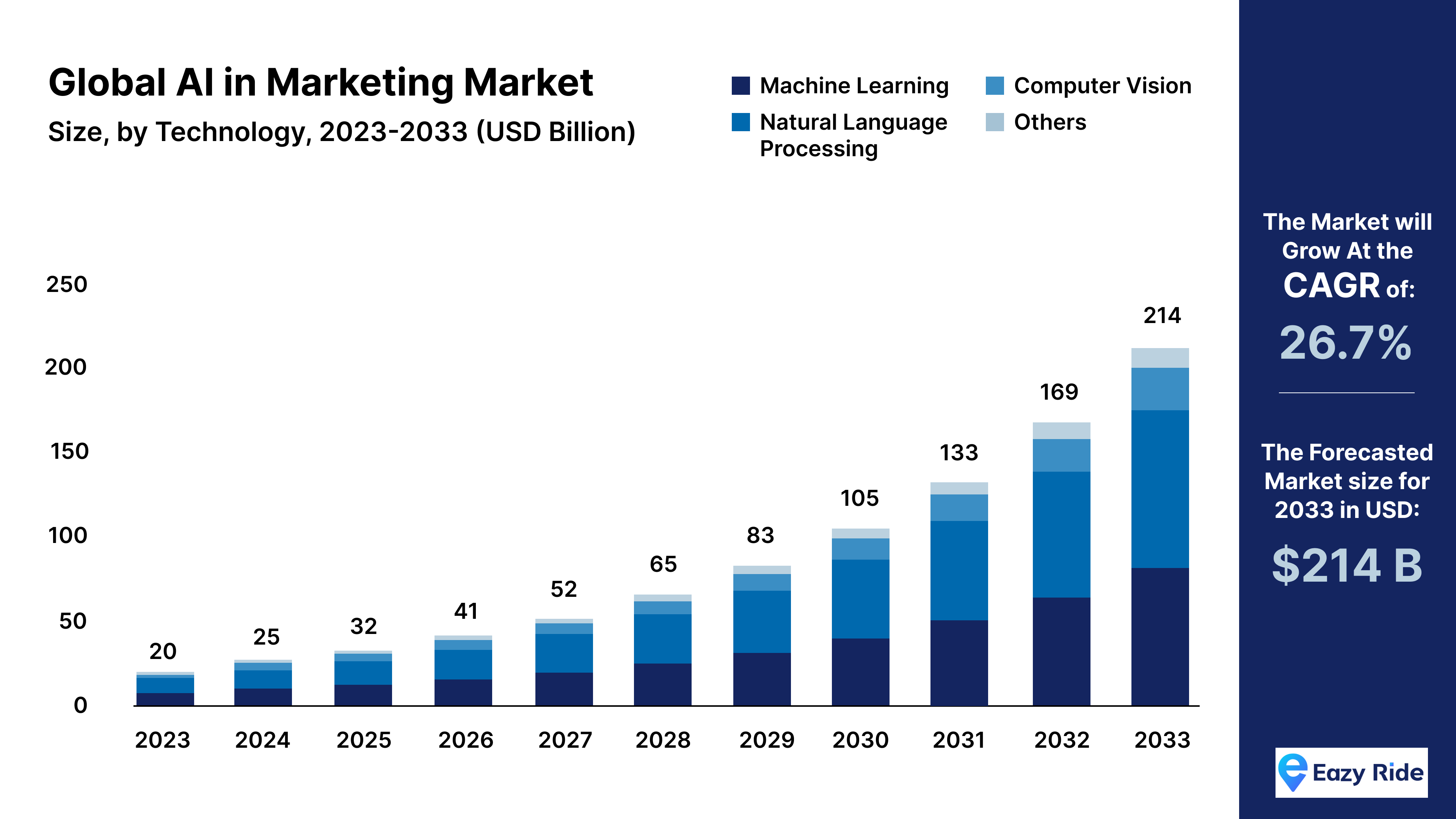
Source: Market.us
Key Takeaways
- AI transforms IoT data into real-time insights for maintenance, route planning, and fleet optimization.
- AIoT automates key operations, reduces downtime, and supports seamless scaling across locations.
- Riders benefit from features like dynamic pricing, smart routing, and personalized offers.
- AIoT enables future-ready mobility with autonomous fleets, sustainable EV operations, and smart city integration.
What Is AI-Enabled IoT?
AI-enabled IoT (AIoT) combines Artificial Intelligence with Internet of Things devices to create smarter, more responsive systems. In the mobility sector, IoT sensors embedded in vehicles, scooters, or bicycles collect data such as location, speed, battery levels, and usage patterns. AI then analyzes this data in real time, transforming it into actionable insights.
This integration allows businesses to automate decision-making, predict issues before they happen, and optimize operations without manual intervention. For mobility providers, AIoT enables predictive maintenance, smarter fleet management, and more personalized rider experiences, all of which contribute to greater efficiency, lower costs, and improved service delivery.
Knowing what AI-enabled IoT means is just the starting point. To truly see its value, it’s important to understand how these two technologies work hand in hand.
How AI and IoT Work Together to Power Mobility?
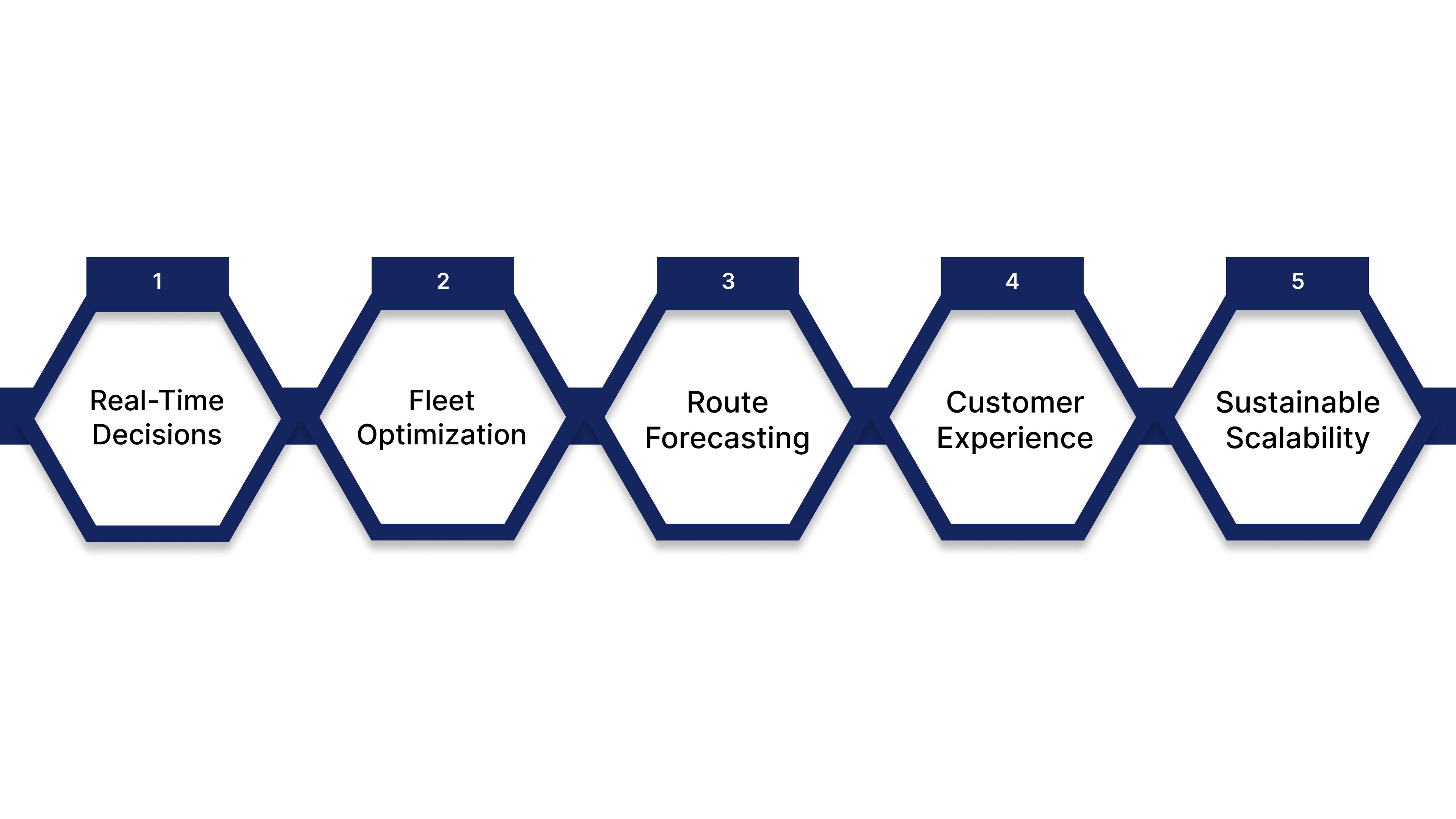
The integration between AI-enabled IoT (AIoT) and mobility operations is reshaping how businesses manage fleets, deliver services, and engage customers. By combining AI with IoT, mobility providers can unfold the full value of real-time data from vehicles, infrastructure, and riders.
This integration transforms raw data into intelligent actions, enabling smarter decisions, greater efficiency, and enhanced user experiences. Here’s how AIoT is actively transforming mobility operations.
Real-Time Data and Smarter Decisions
IoT sensors on scooters, bikes, and e-bikes capture critical data like location, battery levels, and vehicle health. For instance, Bird uses AI-powered IoT to spot issues like low battery or brake problems in real time. It sends instant alerts to the operations team so they can step in before a scooter breaks down on the street.
Using real-time IoT platforms can cut operating costs by up to 25% within just 18 months. These real-time insights enable operators to act quickly, maintain service continuity, and minimize downtime.
Predictive Maintenance for Fleet Optimization
Instead of reacting to breakdowns, AI analyzes sensor data to forecast maintenance needs. Use a scooter equipped with a brake sensor that detects gradual wear; AI can flag this issue before failure occurs.
For example, Lime uses AI to study usage patterns and sensor data from its e-bikes. This helps schedule maintenance for bikes that see the most use, preventing breakdowns and keeping more bikes on the road.
Operators can then schedule repairs proactively, preventing costly fixes and keeping more vehicles road-ready. This approach extends fleet lifespan and reduces unplanned downtime.
Route Optimization and Demand Forecasting
By analyzing rider trends and usage patterns from IoT data, AI can predict where and when demand will spike.
For example, Uber uses AI along with past traffic data to move vehicles to high-demand areas before things get busy, like near stadiums during events. This helps cut down wait times for riders and boosts earnings for drivers.
This ensures better coverage, reduces wait times, and improves revenue through smarter fleet utilization.
Improved Customer Experience
AI-enabled IoT elevates rider satisfaction through real-time updates and personalized features. It can recommend routes based on traffic, suggest local points of interest, or adapt pricing based on demand.
A rider unfamiliar with a city might receive a guided route to a popular destination, while surge pricing during peak hours helps balance demand and boost margins, all in real time.
Scalability and Sustainable Growth
As operations grow, managing larger fleets and more data becomes complex. AIoT makes scaling manageable by aggregating and analyzing data across regions.
For example, a multi-city operator can use AI to spot patterns and reallocate high-performing vehicles to busier zones. This centralized, scalable system ensures consistent service quality, even as fleets and markets expand.
With advanced platforms in place, fleet managers can reduce idle time and administrative workload by up to 30%. It also helps improve resource allocation and boost vehicle utilization, especially as operations grow.
Understanding how AI and IoT team up is important, but seeing it in action brings the concept to life.
Also Read: How IoT Enhances Fleet Management Efficiency
How Mobility Businesses are Using AI-Enabled IoT Today?
The global artificial intelligence market is expected to hit USD 1,811.75 billion by 2030, showing just how fast AI is becoming part of everyday life. AI-enabled IoT (AIoT) is transforming the mobility industry by integrating smart sensors, real-time data, and AI-driven insights to simplify operations and enhance the rider experience.
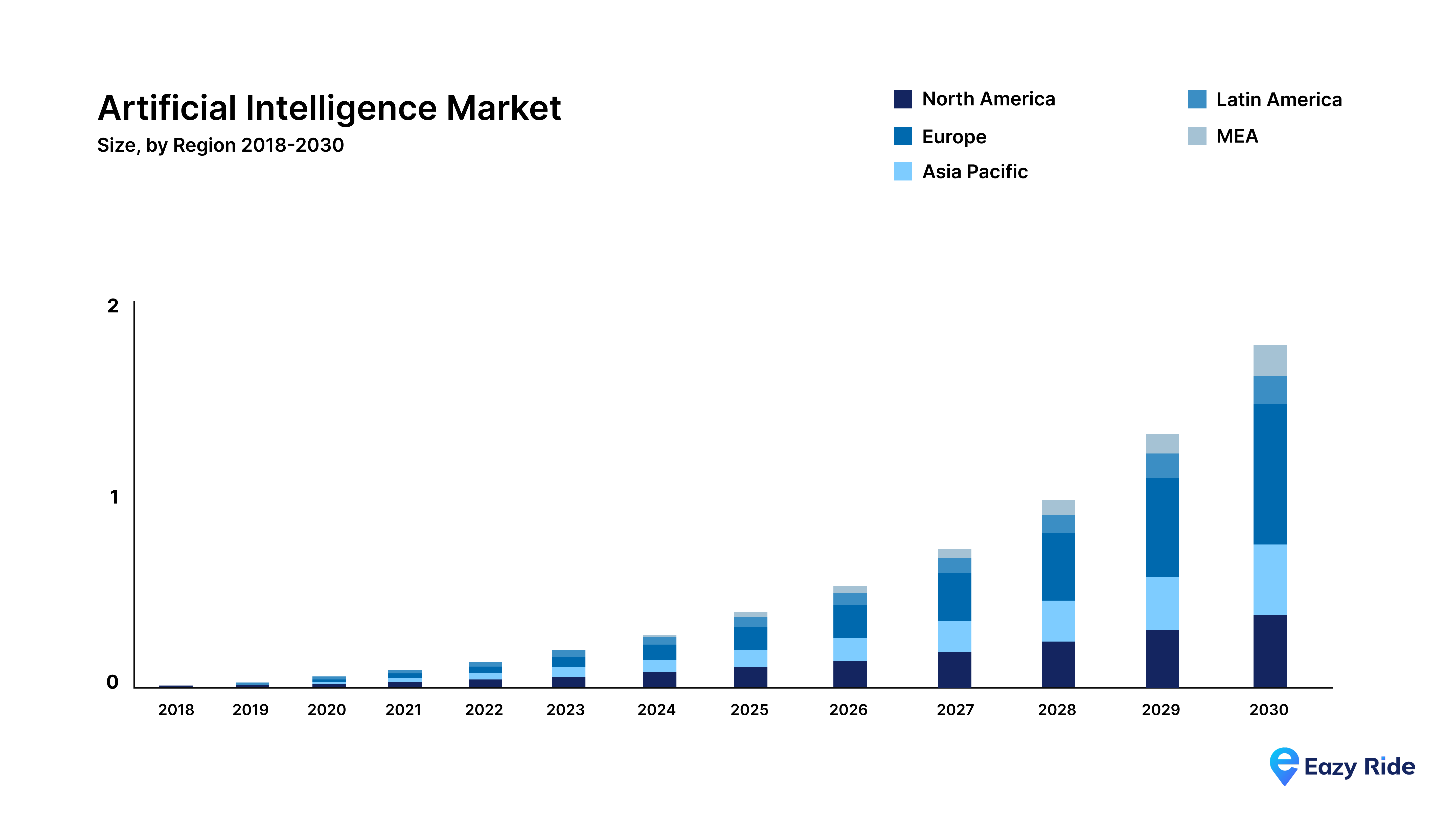
Source: GrandViewResearch
Whether it’s tracking vehicles in real-time, reducing downtime, or personalizing the rider experience, businesses are leveraging this technology in practical ways. Here are some real-world examples of how AIoT is being utilized across the mobility sector.
Smarter Fleet Management and Vehicle Monitoring
The global shared micromobility fleet is expected to grow to 38.2 million vehicles by 2027, reflecting just how fast this space is scaling. To stay competitive, businesses are embracing AIoT, which is revolutionizing the way shared fleets are managed, making operations smarter, faster, and more efficient.
Brands like Lime and Bird use IoT sensors to track real-time data on vehicle location, speed, battery health, and performance. AI processes this data to spot patterns, flag issues early, and schedule preventive maintenance.
For example, if a scooter’s battery starts degrading, AI can alert the operator before it becomes unusable. This helps avoid mid-ride failures, reduces downtime, and extends vehicle life.
Real-Time Fleet Rebalancing and Route Optimization
AI-enabled IoT helps ensure vehicles are always where they’re needed most. Companies like Uber and Lyft rely on this technology to monitor fleet availability and predict demand shifts.
For instance, Lyft uses AI to predict commuter traffic patterns, especially during rush hour, and dynamically repositions its bikes and scooters in cities like Chicago. This helps ensure they’re available right where and when people need them most.
Ask ChatGPT
Enabling Autonomous Mobility
Self-driving vehicles depend on AI and IoT to operate safely. Companies like Waymo use sensors (LIDAR, cameras, GPS) to collect environmental data, which AI processes in real time to make navigation decisions.
For example, a Waymo shuttle can detect pedestrians, read traffic signals, and adjust its route, all without human input. This is laying the groundwork for safer, scalable autonomous transit solutions.
Smarter Parking Systems
Finding parking in busy cities is a daily challenge. AIoT makes it easier with smart parking solutions that detect available spots and guide drivers in real-time.
For instance, San Francisco’s SFpark uses IoT sensors to monitor parking availability and adjust pricing based on demand. This reduces congestion, improves space usage, and enhances the overall driving experience.
Predictive Demand Forecasting
AIoT enables mobility operators to plan more effectively by analyzing historical trends and real-time data to accurately forecast rider demand.
For example, platforms like Ola and Grab use this tech to anticipate busy hours, weather-related surges, or event-based spikes. They can then adjust fleet size, reposition vehicles, or run promotions to meet demand. This keeps riders happy and maximizes revenue.
Supporting Sustainable EV Operations
Electric mobility is another area where AIoT shines. Companies like Tesla use AI to monitor EV health, optimize energy use, and plan efficient charging.
For instance, IoT sensors in EV charging stations track usage patterns, helping operators manage grid demand and improve charging infrastructure. For cities and businesses, this means smoother adoption of EVs and progress toward sustainability goals.
While AI brings powerful capabilities to IoT in mobility, implementing them isn’t always easy.
You Might Also Like: IoT’s Contribution to Environmental Sustainability
What Makes AI-Enabled IoT Hard to Implement in Mobility?
While AI-enabled IoT (AIoT) offers significant advantages for the mobility industry, integrating it into daily operations isn’t without challenges. For entrepreneurs, fleet operators, and institutional players, understanding these hurdles and how to overcome them is crucial to unfolding the full potential of AIoT.
Below are the most significant challenges businesses face when implementing AIoT and their practical solutions.
| Challenges | Solutions |
|---|---|
| Data Privacy and Security Concerns | Implement encryption, data protection protocols, and ensure GDPR compliance. |
| Integration Complexity | Collaborate with technology providers for smooth integration and end-to-end solutions. |
| High Initial Investment Costs | Start small and expand step by step, offer flexible pricing based on usage, and explore government incentives. |
| Data Overload and Analytics Complexity | Use AI-driven analytics platforms that process data in real-time and focus on key KPIs. |
| Lack of Standardization Across Platforms | Partner with IoT providers for interoperability and work on industry standards. |
| Scaling AIoT Solutions for Larger Fleets | Leverage cloud-based solutions and edge computing to scale fleet operations. |
| Regulatory and Compliance Challenges | Collaborate with legal experts and invest in automated compliance tools to stay up-to-date with evolving laws. |
Knowing the hurdles of implementing AI-enabled IoT gives mobility businesses a clearer view of the road ahead. To move forward with confidence, it’s also important to understand the factors that require careful consideration before adoption.
Things to Consider Before Adopting AI-Enabled IoT in Mobility Businesses
AI-enabled IoT (AIoT) is transforming the mobility industry by making fleet management smarter, maintenance more predictive, and rider experiences more seamless. However, before adopting this technology, mobility businesses must consider several key factors. Here’s what to consider to ensure a smooth and effective AIoT integration:
Data Privacy and Security
AI-enabled IoT systems gather large volumes of data from rider details to vehicle health stats, so protecting that data is critical. Businesses must ensure that customer information is handled securely and in accordance with data privacy laws, such as GDPR or CCPA.
Ensure your IoT provider employs strong data protection measures, including encryption and controlled access.
Integration with Existing Systems
For AIoT to deliver value, it needs to work smoothly with your current setup, whether that includes software, hardware, or older systems. Poor integration can slow down operations and increase costs.
So, choose providers that offer easy-to-integrate solutions or are willing to tailor the system to your existing infrastructure.
Scalability of the AIoT Solution
As your fleet expands, your AIoT setup should be able to keep up without compromising performance. A system that can handle more data and operational demands is essential for long-term growth.
Look for cloud-based platforms that scale easily and ensure your data systems can support larger fleets and new service areas.
Cost of Implementation
Rolling out AIoT tech involves upfront costs, such as buying sensors, devices, software licenses, or upgrading infrastructure. While the investment may seem high, long-term value should guide the decision.
Weigh the costs against potential savings from fewer breakdowns, smoother operations, and better customer experiences.
Regulatory Compliance
Mobility businesses face strict rules around data use, vehicle operations, and environmental standards. Any AIoT system you adopt must follow these regulations across different regions.
Stay informed about relevant laws to avoid penalties and potential consequences. Your solution should support compliance and adapt to regulatory changes.
Training and Adoption
Even the best tech is only helpful if your team knows how to use it. Without proper training, staff may underutilize features or make avoidable errors. Invest in user training and choose systems that are intuitive and easy to learn.
Vendor Reliability and Support
The performance of your AIoT solution depends heavily on the vendor behind it. Unreliable support or downtime can quickly disrupt operations. Collaborate with vendors that have a proven track record and provide reliable, 24/7 support.
Long-Term Viability and Future Upgrades
AI and IoT are evolving fast. The system you install today should be ready for tomorrow’s needs without major overhauls. Select a solution that receives regular updates and can adapt to emerging new technologies.
Once the key considerations are clear, businesses can plan their AI-enabled IoT journey with more confidence. However, as technology continues to evolve, it is also beneficial to look ahead and envision its future direction in the world of mobility
Also Read: How Telematics Navigation Optimizes Modern Fleet Operations?
Where AI-Enabled IoT Is Headed in Mobility?
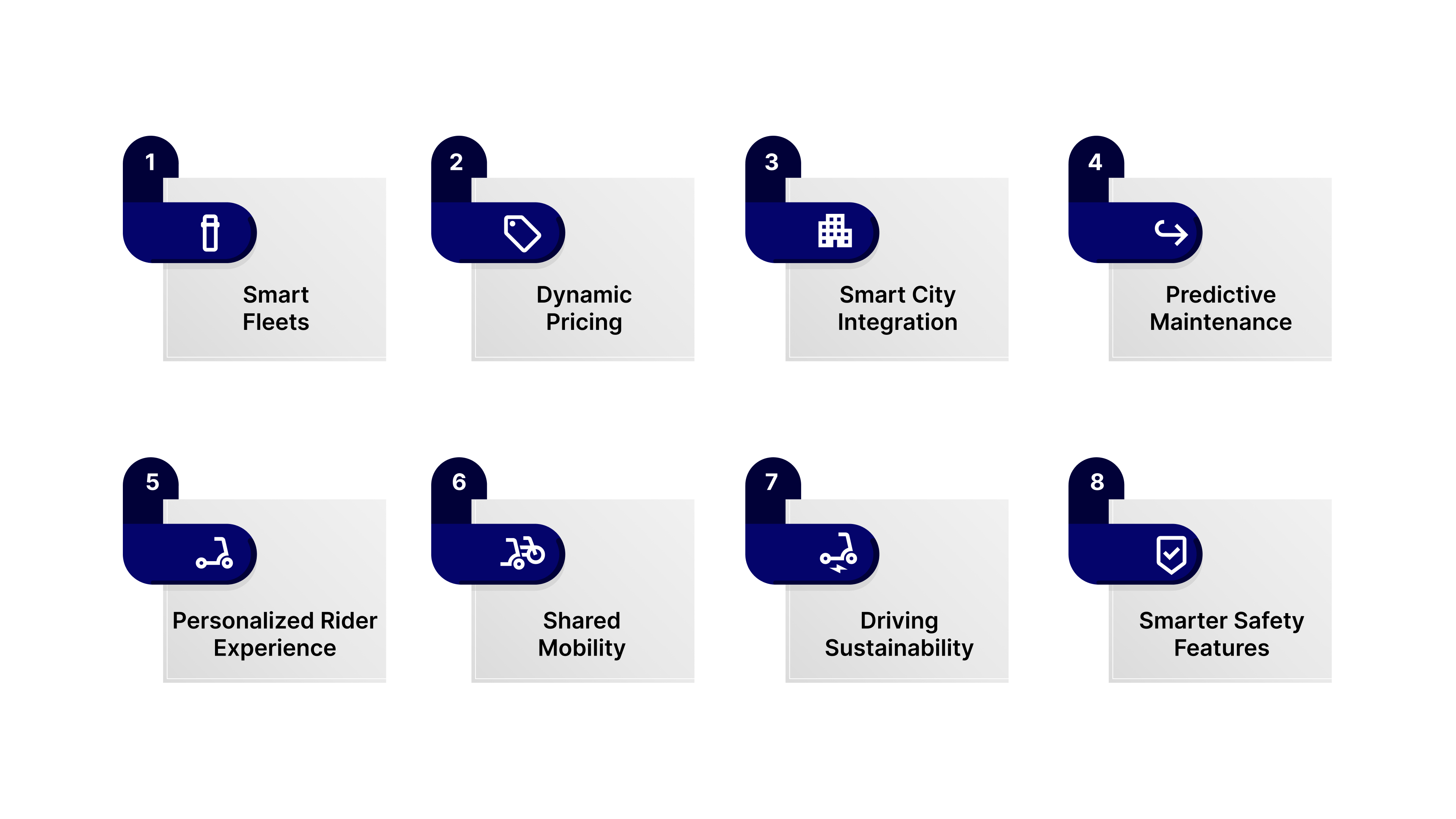
As both AI and IoT continue to advance, we can expect significant changes in how fleets are managed, how customers experience transportation, and how cities develop their infrastructure. Here’s a glimpse into what the future holds and how AIoT is set to transform the mobility space.
Autonomous Vehicles and Smart Fleets
AIoT enables real-time decision-making in autonomous vehicles by processing data from sensors that track health, location, and surroundings. This smooth integration helps fleets adapt quickly to changing road and traffic conditions, boosting efficiency and safety.
The global artificial intelligence (AI) in mobility market is expanding at a compound annual growth rate (CAGR) of 47.3% from 2025 to 2034, driven by advancements in autonomous vehicle technologies.
AI-Driven Dynamic Pricing
AIoT allows real-time fare adjustments based on demand, traffic, and vehicle availability. Predicting usage patterns helps mobility operators offer competitive rates while maximizing revenue.
For instance, intelligent traffic systems are employing AI to adjust toll pricing effectively, optimizing traffic flow and reducing congestion.
Smart City Integration
AIoT connects vehicles with smart infrastructure, such as traffic lights, road sensors, and parking systems, for smoother urban movement. This real-time coordination supports faster commutes, less congestion, and more eco-friendly city planning.
Now, cities are increasingly adopting AIoT technologies to create more efficient, sustainable, and responsive urban environments.
Predictive Maintenance
By analyzing vehicle performance data, AIoT predicts maintenance needs before breakdowns happen. This reduces unplanned downtime, extends vehicle lifespan, and lowers repair costs for fleet operators.
Predictive maintenance powered by AIoT enhances fleet reliability and safety, leading to improved operational efficiency.
Personalized Rider Experience
AIoT learns user preferences to suggest routes, vehicles, and deliver loyalty perks. This creates a smoother, more enjoyable ride experience that keeps users engaged and coming back.
Personalized services powered by AIoT are encouraging increased user satisfaction and loyalty in mobility services.
Electric and Shared Mobility Support
AIoT optimizes EV operations by tracking battery status, usage patterns, and scheduling charging. It ensures that shared electric vehicles are charged, ready, and available when and where users need them.
AI-powered BMS enhance EV performance by accurately estimating the State of Charge (SoC) and State of Health (SoH) of batteries. These systems predict potential issues and take preventive actions before problems arise, extending battery lifespan and reducing maintenance costs.
Driving Sustainability
AIoT helps reduce emissions and energy waste by optimizing routes, minimizing idle time, and improving asset utilization. This directly supports green mobility goals and aligns businesses with environmental regulations.
Smarter Safety Features
AIoT detects potential issues, like crashes, faults, or hazards, and sends instant alerts to users and operators. These proactive safety systems help prevent accidents and build trust in autonomous and shared mobility services.
AIoT enables collision avoidance systems that monitor vehicle speed, road conditions, and surrounding environments to issue predictive alerts before accidents occur.
Transform Your Mobility Business with the Power of AI and IoT
Stay competitive with EazyRide, which combines IoT data and AI-driven intelligence to help you make faster and more informed decisions. Here’s how EazyRide uses AI + IoT to upgrade your operations:
- Real-Time Adaptive Algorithms: Instantly adjust to demand, rider behavior, or vehicle status across your network.
- Self-Learning System: Automatically fine-tune dispatching, routing, and pricing using both past and current data.
- Predictive Safety Features: Spot potential breakdowns early with battery diagnostics and proactive alerts.
- Smarter Inventory Planning: Monitor usage trends to optimize vehicle utilization and enhance availability.
EazyRide combines AI and IoT to make every aspect of your fleet more intelligent over time.
Conclusion
The fusion of AI and IoT is redefining mobility, opening up new possibilities for fleet operators, urban entrepreneurs, and enterprise clients. AIoT helps simplify operations and elevate the rider experience. As your business grows, adopting these technologies is key to staying competitive and future-ready.
With the rising demand for seamless mobility, now is the time to embrace innovation. AI-enabled IoT can help you enhance fleet performance, reduce costs, and deliver the reliable service your customers rely on.
At EazyRide, we understand the evolving needs of mobility businesses. Our white-labeled platform combines AI and IoT to make fleet management simpler and more efficient. Features like real-time analytics, geofencing, and predictive maintenance help you scale faster, run smoother, and stand out in the market.
Ready to future-proof your fleet? Let’s explore how EazyRide can help you move smarter.
You Might Also Like: Understanding IoT Telematics for Smart Fleet Operations
FAQs
Q1. How does AI improve IoT data processing?
A1. AI helps filter, analyze, and act on massive streams of sensor data in real time. This reduces noise and drives smarter, automated decisions.
Q2. How does AI optimize energy use in IoT systems?
A2. AI learns from usage patterns and adjusts device activity to minimize energy waste. For example, it can switch off appliances or optimize HVAC based on occupancy.
Q3. Can AI help reduce IoT network congestion?
A3. Yes, AI can prioritize and route data more efficiently, which improves speed, reduces delays, and keeps the network running smoothly.
Q4. Is AI integration expensive for IoT systems?
A4. While upfront costs may be higher, AI offers long-term savings through automation and efficiency. Cloud-based platforms also reduce the need for expensive hardware.


