
 AllMicro Mobility Model

 29 August, 2025
 8 Essential Fleet Management Features for Optimal Efficiency
Efficient fleet management requires more than just vehicle tracking. It demands a system with key features that optimize routing, maintenance, fuel usage, and compliance. As fleets scale, businesses need tools that reduce downtime, control costs, and improve decision-making through real-time data.
The global fleet management market was valued at $29.3 billion in 2025 and is projected to reach $70.24 billion by 2034, growing at a CAGR of 10.20%. This steady growth reflects how businesses are increasingly turning to advanced systems with specialized features to handle modern fleet demands.
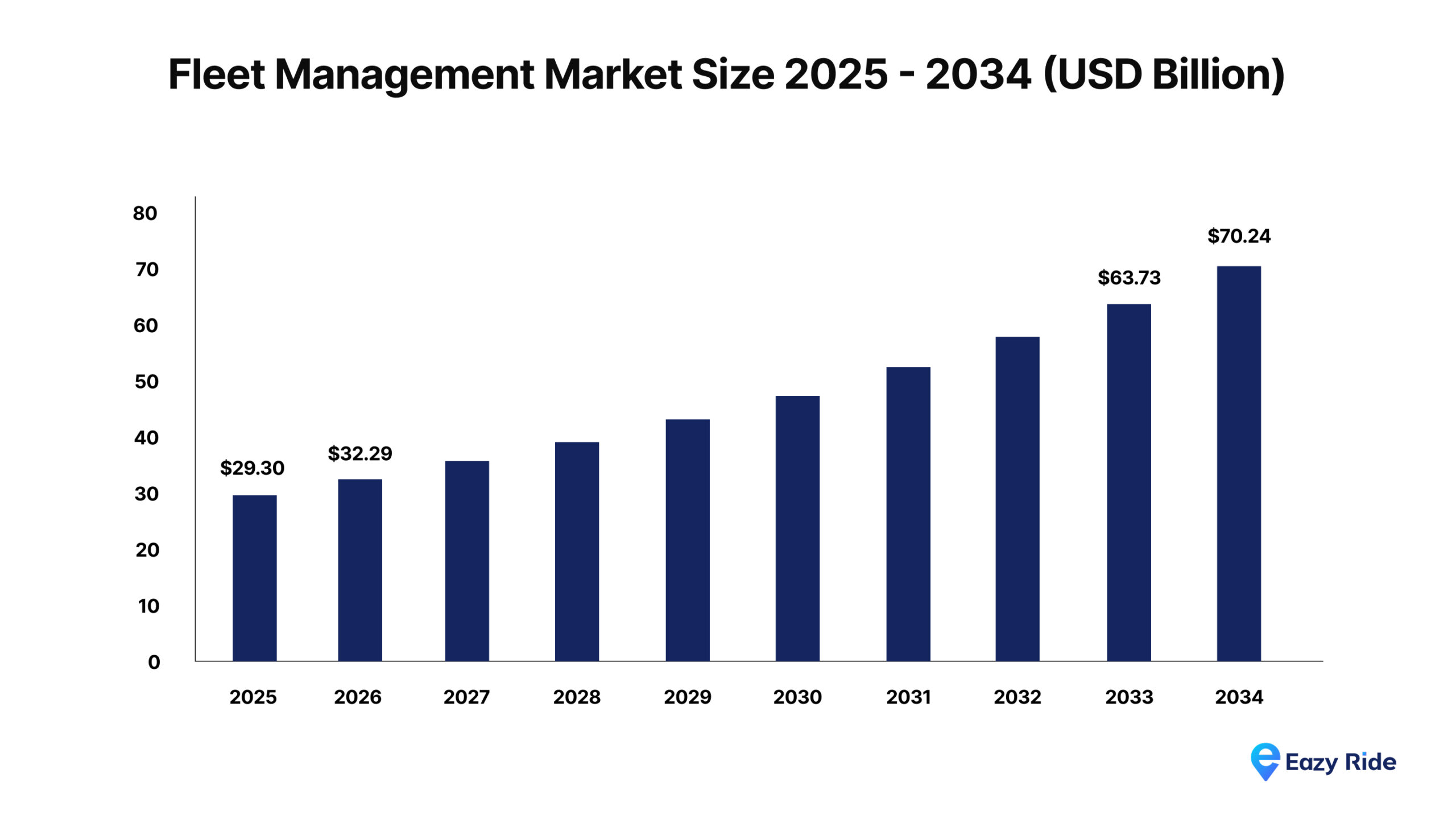
Source: Precedence Research
In this blog, you’ll discover 8 essential fleet management features that enable smarter, more efficient operations. Each feature addresses a critical business need, from tracking and diagnostics to driver performance and cost control.
Key Takeaways
- Fleet Management Software enhances efficiency by tracking vehicle locations, scheduling maintenance, and optimizing routes, leading to cost savings and improved coordination.
- Predictive maintenance detects issues early, reducing breakdowns and prolonging vehicle lifespans.
- Fuel management helps identify inefficiencies and cut fuel expenses.
- Advanced analytics provide insights into fleet performance, highlighting areas for improvement.
- Integration with other business tools ensures seamless data flow and better cross-department coordination.
What is Fleet Management Software: 8 Key Features Explained
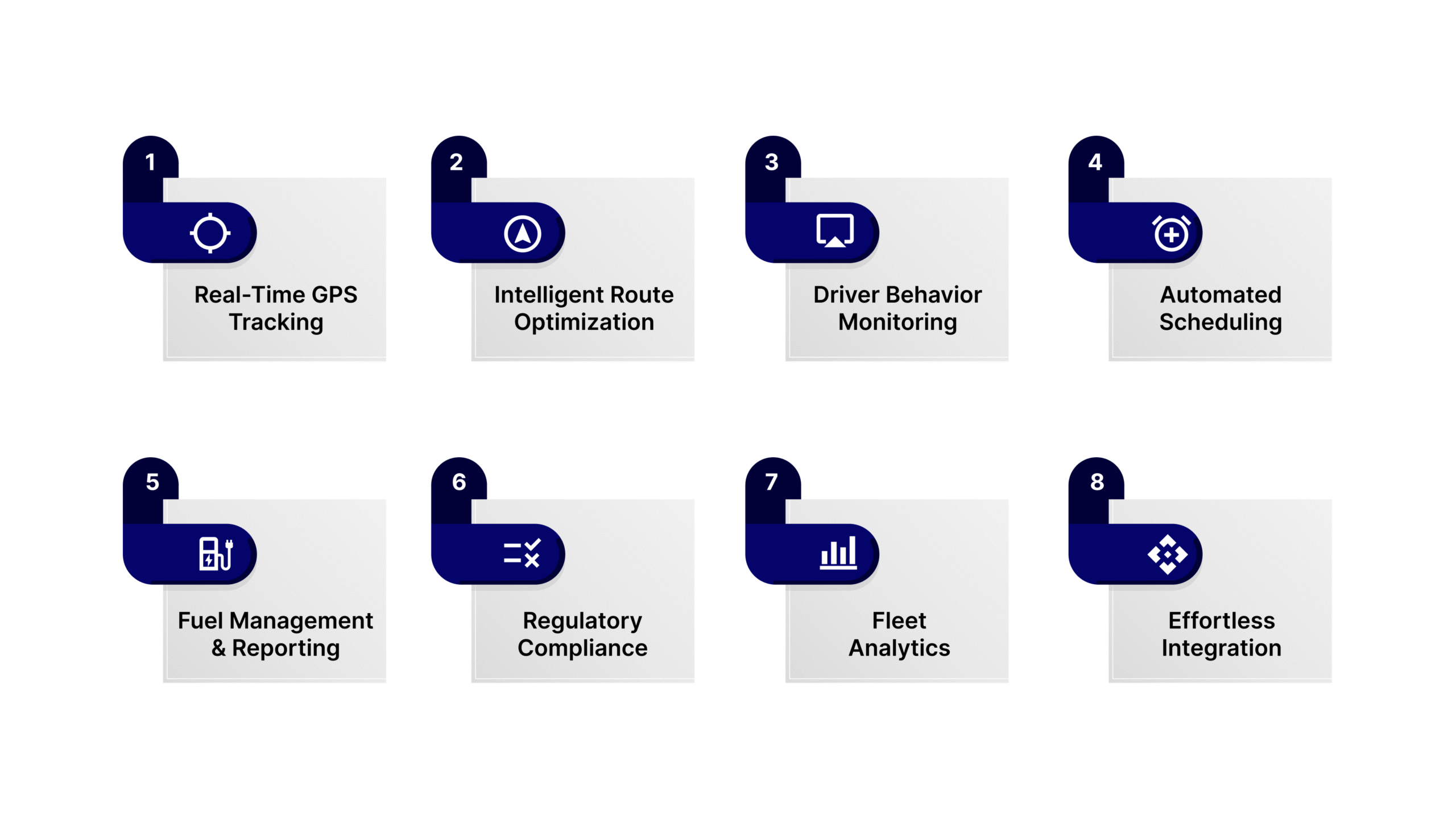
Fleet Management Software (FMS) is a centralized digital solution that enables businesses to monitor, manage, and optimize their vehicle operations efficiently. It offers real-time tracking of vehicle locations, route planning, maintenance scheduling, fuel usage analysis, driver behavior monitoring, and regulatory compliance, all through an integrated dashboard. This helps organizations streamline fleet-related processes, reduce manual oversight, and improve decision-making.
Below are the key fleet management features of modern software and the value they bring to your operations:
1. Real-Time GPS Tracking
Real-time GPS tracking is one of the most fundamental fleet management features, enhancing transparency and responsiveness. By providing live updates on vehicle movements, this feature empowers managers to make informed decisions and quickly respond to on-the-road events.
This feature delivers several key benefits that support smarter fleet operations:
- 24/7 Fleet Visibility: You can monitor the real-time location, direction, and status of every vehicle in the network at any time. This visibility improves oversight and supports more agile, data-driven operations.
- Smarter Route Adjustments: GPS data allows for on-the-fly re-routing based on traffic, weather, or delivery changes, helping reduce unnecessary mileage and fuel consumption while keeping operations lean.
- Enhanced ETA Accuracy: Accurate vehicle tracking leads to better prediction of estimated arrival times. This improves customer communication and satisfaction while minimizing failed deliveries and delays.
- Theft Prevention & Unauthorized Use Alerts: With constant location tracking, managers can detect and respond to unauthorized vehicle use or theft immediately, minimizing risk and protecting assets.
2. Intelligent Route Optimization
Intelligent route optimization is a vital fleet management feature that improves fuel and time efficiency. It calculates the best possible routes based on multiple dynamic factors. This reduces unnecessary driving and ensures timely deliveries, directly impacting overall cost savings and customer satisfaction.
Here are the main ways this feature enhances fleet performance:
- Automated Efficient Routing: Advanced algorithms analyze traffic conditions, weather, delivery windows, and vehicle capacity to automate the most fuel- and time-efficient delivery routes.
- Reduced Vehicle Wear and Tear: By minimizing unnecessary mileage and avoiding congested routes, route optimization lowers the strain on vehicles, extending their lifespan and reducing maintenance costs.
- Improved On-Time Performance: Optimized routes help drivers meet delivery deadlines consistently, enhancing customer satisfaction and strengthening your service reputation.
- Dynamic Route Adjustments: Integrated with real-time GPS data, this feature allows routes to be updated on the fly to respond to sudden changes like traffic jams or new delivery requests.
By integrating real-time data, fleet management software features shift from being reactive to proactive, addressing issues before they grow into bigger problems.
3. Driver Behavior Monitoring
Monitoring driver behavior is a crucial fleet management feature that promotes safety, reduces costs, and ensures regulatory compliance. By tracking key driving patterns, fleet managers can proactively improve driver performance and minimize risks.
Here are the main ways this feature enhances fleet performance:
- Encourages Safer Driving Habits: This feature uses detailed performance scores based on harsh braking, rapid acceleration, speeding, and idling to motivate drivers to adopt safer, more responsible driving habits.
- Lowers Accident Risk and Insurance Costs: Safer driving habits translate into fewer accidents, which can lead to reduced insurance premiums and fewer liability claims.
- Reduces Fuel Consumption: By minimizing excessive idling and speeding, monitoring helps cut fuel waste and lowers overall fuel expenses.
- Identifies Training Needs: Tracking driver performance highlights individuals who may require additional coaching or training, helping improve fleet-wide driving standards.
Driver behavior directly impacts fuel usage, vehicle maintenance, and overall fleet safety, making this feature essential for any modern fleet management system.
4. Automated Maintenance Scheduling
Proactive maintenance is essential to maximize fleet uptime and avoid unexpected breakdowns. Automated maintenance scheduling uses data like mileage, engine hours, or calendar intervals to ensure vehicles are serviced promptly and efficiently.
Here are the main ways this feature enhances fleet performance:
- Prevents Breakdowns and Emergency Repairs: By sending timely service reminders, this feature helps avoid costly and unplanned vehicle failures that disrupt operations.
- Tracks Comprehensive Service History: Maintaining detailed records of each vehicle’s maintenance ensures transparency and supports long-term asset management.
- Extends Vehicle Lifespan: Regular, scheduled maintenance keeps vehicles running smoothly, thereby increasing their usable life and reducing replacement costs.
- Ensures Regulatory Compliance: Automated alerts help fleet managers meet safety and inspection regulations by preventing missed maintenance deadlines.
Integrating automated maintenance scheduling within your fleet management software features reduces downtime and supports seamless fleet operations.
5. Fuel Management and Reporting
Fuel expenses account for a significant portion of fleet operating costs. Effective fuel management and reporting features enable fleet managers to monitor consumption, detect anomalies, and optimize fuel usage for better cost control.
Below are the key features that help manage fuel efficiently:
- Detects Fuel Theft and Inefficiencies: By analyzing fuel data, the system can identify unusual consumption patterns or potential fuel theft, safeguarding company resources.
- Tracks MPG and Fuel Card Usage: Detailed tracking of miles per gallon (MPG) and fuel card transactions for each vehicle ensures accurate monitoring and accountability.
- Optimizes Fuel Purchasing Behavior: Insights from fuel usage data help managers make smarter purchasing decisions, such as choosing cost-effective fueling stations or adjusting refueling schedules.
- Integrates with GPS and Driver Monitoring: By linking fuel consumption data with GPS and driver behavior, this system provides a comprehensive view of how driving habits and routes impact fuel efficiency.
By combining fuel metrics with route and driver insights, these fleet management software features deliver holistic control over fuel expenses and overall costs.
6. Compliance and Regulatory Reporting
Adhering to transportation regulations is essential for legal operation and driver safety. Compliance and regulatory reporting features automate these processes to minimize risks and administrative overhead.
Below are the essential capabilities that streamline compliance management:
- Automated Log Recording and Reporting: This feature captures required data such as Electronic Logging Device (ELD) records, Hours of Service (HOS) logs, and Driver Vehicle Inspection Reports (DVIRs) automatically, ensuring accuracy and timeliness.
- Real-Time Violation Alerts: Fleet managers receive instant notifications of any driver hours or vehicle inspection violations, enabling immediate corrective actions.
- Audit-Ready Digital Records: Maintaining organized, digital compliance records simplifies audits and reduces the risk of costly penalties during inspections.
- Reduces Administrative Burden: By automating data entry and reporting, this feature cuts down on manual work and minimizes human error, freeing up valuable management time.
Compliance goes beyond just meeting regulations; it supports the creation of a safer, more responsible, and accountable fleet.
7. Advanced Analytics and Fleet Insights
Modern fleet management systems generate vast amounts of data daily. Advanced analytics tools transform this raw data into actionable insights, enabling more intelligent decisions that drive business excellence.
Below are some of the key capabilities that empower fleet managers:
- Tracks Key Performance Indicators (KPIs): The system monitors critical KPIs such as cost per mile, vehicle downtime, and utilization rates to provide a clear picture of fleet performance.
- Identifies Workflow Inefficiencies: Visual dashboards highlight bottlenecks and inefficiencies, helping managers quickly pinpoint areas that require improvement.
- Enables Accurate Forecasting: Predictive analytics support resource allocation by forecasting demand, maintenance needs, and process costs, allowing better preparation.
- Supports Strategic Planning and Budgeting: Data-driven insights enable executives to align budgets and strategies with actual fleet behavior, improving overall business outcomes.
By utilizing advanced analytics, fleet managers gain deeper visibility into performance trends and can implement more effective improvements.
8. Seamless Integration Capabilities
For a fleet management system to be truly effective, it must seamlessly integrate with other critical business platforms. This interoperability ensures a unified data flow and improved business performance.
Below are the main benefits of seamless integration:
- Centralizes Fleet and Business Data: Integration consolidates information from ERPs, CRMs, accounting software, fuel card systems, and telematics into a single platform for better visibility.
- Eliminates Data Gaps and Duplication: By syncing data across systems, integration prevents redundant manual entries and reduces errors, saving time and resources.
- Supports Cross-Department Workflows: Smooth data exchange facilitates collaboration between departments like operations, dispatch, finance, and maintenance.
- Enhances Coordination and Decision-Making: Unified systems improve communication and coordination, leading to faster decisions and streamlined fleet management processes.
A fleet management system that integrates well with existing business tools maximizes your technology investment and business impact.
While these features make a difference, fleet management still has its tough spots. Here’s what to watch out for.
Common Fleet Maintenance Software Challenges & Best Practices
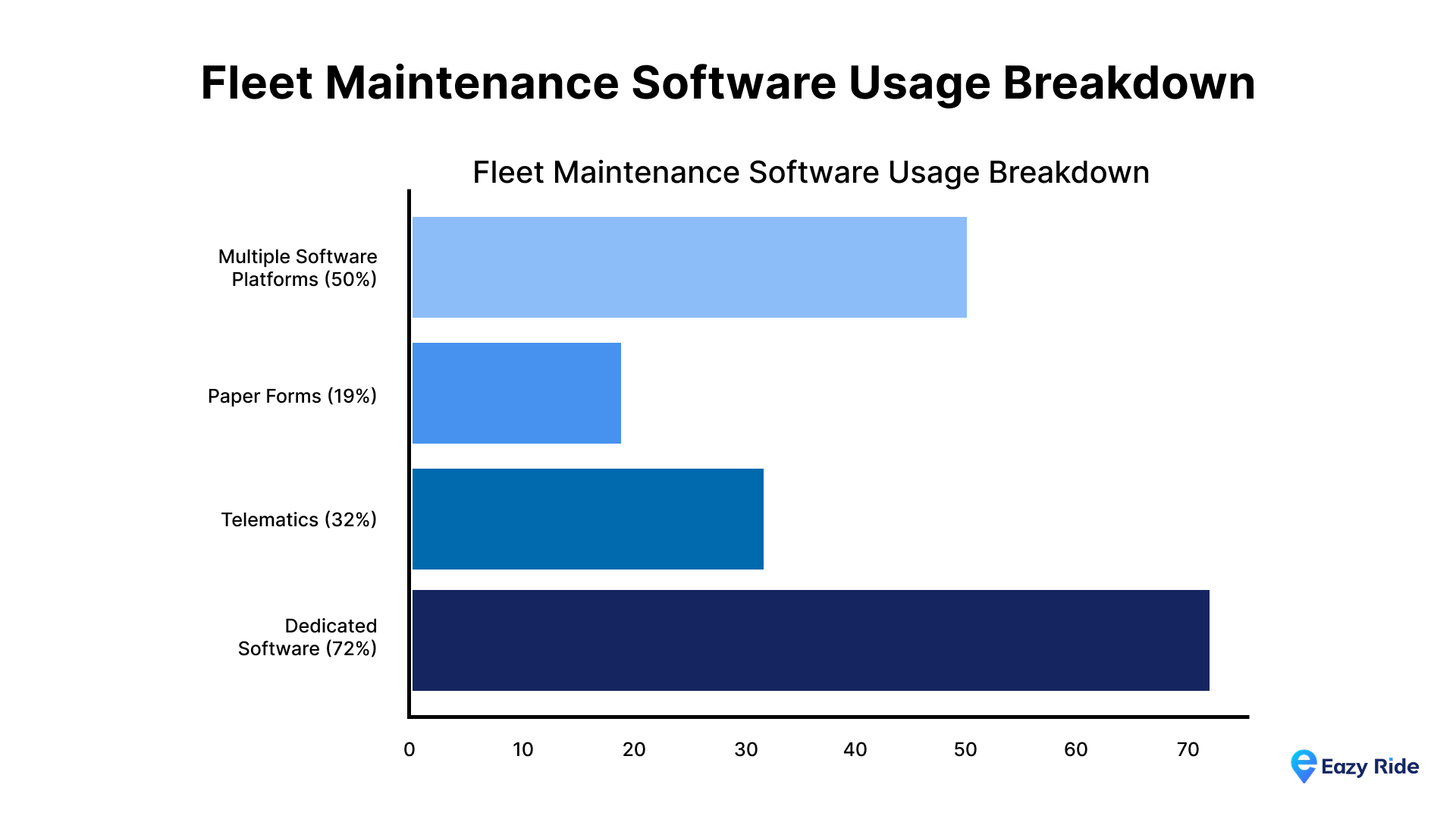
Fleet Maintenance Management Software (FMMS) can boost productivity, but common challenges often limit its potential. 72% of fleets use dedicated software, 32% use telematics, and 19% still rely on paper forms. Over half of fleets manage multiple software platforms, with integration being a top challenge.
1. Inaccurate or Incomplete Data Input
Errors in odometer readings, missed service logs, or delayed sensor data can disrupt maintenance planning and lead to unnecessary costs. If the data feeding the system is unreliable, it compromises the entire maintenance process, leading to missed service opportunities, overlooked repairs, or incorrect scheduling.
Best Practice:
- Deploy OBD-II or CAN bus-integrated sensors to automate mileage and diagnostics data capture.
- Implement data validation rules and alerting for anomalies (e.g., sudden mileage jumps or gaps).
2. User Adoption and Training
Drivers and technicians often resist using Fleet Maintenance Management Software (FMMS) due to poor user experience (UX) or inadequate onboarding. If the system isn’t intuitive or doesn’t align with their daily workflows, adoption can be slow, reducing the software’s effectiveness.
Best Practice:
- Choose software with an intuitive mobile-first UI customized for field users.
- Conduct role-based training, offer microlearning modules, and establish internal FMMS champions to support adoption.
3. High Initial Setup Costs
The capital expenditure for hardware and software licenses can be a significant barrier for small to mid-sized fleets. The high upfront costs associated with implementing FMMS often discourage businesses from adopting these solutions, even though they can improve fleet management.
Best Practice:
- Opt for cloud-based FMMS with modular pricing, allowing you to pay only for the features you need.
- Look for hardware-agnostic solutions that work with existing GPS or telematics devices.
4. Limited Mobile Support
Poor mobile UX or the inability to access data offline can severely limit field usability, especially when drivers or technicians are working in areas with poor internet connectivity. This can result in delays, inefficiencies, and a lack of access to real-time updates, directly affecting fleet operations.
Best Practice:
- Select FMMS platforms that offer native mobile apps with offline capabilities.
- Ensure the app supports real-time push notifications, voice-to-text inputs, and one-tap service logs.
5. Scalability Constraints
As fleets grow in size or geographic spread, some systems struggle to scale effectively. This limitation can lead to performance issues, difficulty in managing a larger number of vehicles, and challenges in maintaining visibility across multiple locations or roles.
Best Practice:
- Choose platforms built on microservices architecture and cloud-native infrastructure to scale horizontally.
- Confirm support for multi-location and multi-role access control, ensuring granular visibility.
Addressing these issues is crucial for maintaining your fleet’s performance and delivering reliable service. EazyRide can help streamline fleet management with real-time tracking, seamless mobile support, and scalable solutions, ensuring optimal efficiency and minimal downtime.
Suggested Read: The Complete Guide to Electric Vehicle (EV) Fleet Management
EazyRide: Advanced Fleet Management Software Solution
EazyRide’s white-labeled app offers a comprehensive suite of tools designed to simplify fleet maintenance and enable smarter operations. With features like real-time tracking, proactive maintenance alerts, and actionable analytics, it helps you maximize uptime, reduce downtime, and keep your riders moving smoothly.
Here’s how EazyRide helps you maintain a smooth-running fleet:
- Admin Dashboard: Manage your entire fleet from a single, user-friendly dashboard. Set pricing, track user activity, and adjust services in real time. You also have the flexibility to launch promotions and fine-tune operations without leaving the dashboard.
- Vehicle Management: Keep track of every vehicle in your fleet, from allocation to maintenance status. This feature allows you to easily manage vehicle health, ensuring that every bike is ready for use.
- Advanced Reporting & Analytics: Dive into real-time data with performance metrics, vehicle utilization statistics, and demand forecasting. This powerful tool helps you make data-driven decisions to optimize fleet operations and predict maintenance needs before they arise.
- Geofencing: Set up geofencing to control where your vehicles can be used and parked. This helps prevent vehicles from going outside designated areas, enhancing security and keeping your fleet within defined boundaries.
- White-Label App: Customize the rider experience with your own branded app. Riders can easily find and pay for bikes and access support, all within an app that reflects your business’s branding and enhances user satisfaction.
EazyRide simplifies day-to-day operations, helping you maintain control and minimize downtime for a smoother experience. Its versatile tools cater to various industries, including urban commuting, corporate campuses, universities, residential communities, tourism, resorts, and golf courses.
Conclusion
Fleet management software is a vital solution for businesses to streamline operations, reduce costs, and improve safety. It offers advanced fleet management features like GPS tracking, route optimization, and compliance management to enhance fleet performance. By utilizing these tools, businesses can improve efficiency and maintain smooth operations.
For businesses looking to optimize their fleet management further, EazyRide is an all-in-one White-Label solution customized for vehicle sharing. With real-time tracking, route planning, and vehicle diagnostics, EazyRide ensures your fleet operates efficiently and seamlessly.
Schedule a demo today and see firsthand how EazyRide can power your fleet!
FAQs
Q: How can I tell if my fleet maintenance plan needs improvement?
A: Frequent breakdowns, rising repair costs, or a decrease in fleet availability are signs that your maintenance plan may need an update. Poor vehicle performance and delays in repairs suggest the need for a more organized approach, which can be addressed by advanced fleet management features like automated maintenance scheduling and performance tracking.
Q: How do I decide on the right maintenance schedule for my fleet?
A: The ideal schedule depends on your fleet’s usage patterns and the manufacturer’s guidelines. Regular vehicle inspections, along with performance data, will help determine the best intervals for tasks like tire checks, battery maintenance, and part replacements. Fleet management features such as real-time data tracking and diagnostics can help optimize these intervals.
Q: How does predictive maintenance help reduce downtime?
A: Predictive maintenance uses real-time data like engine diagnostics and usage patterns to spot issues early. By analyzing these trends, potential failures are identified before they escalate, reducing unexpected breakdowns and minimizing downtime.
Q: Can I manage fleet maintenance without a dedicated team?
A: Yes, features like automated maintenance scheduling and remote diagnostics allow you to monitor and schedule maintenance tasks without a full-time team. These tools ensure your fleet stays operational with minimal hands-on management.
Q: What should I do if a vehicle in my fleet is often out of service?
A: Frequent downtime for a vehicle could be due to inadequate maintenance, excessive use, or a fundamental issue. Review its maintenance history and usage, and consider adjusting its inspection schedule or retiring it from active service if needed. Leveraging fleet management features like tracking and reporting can help identify and address these issues.


