
 AllMicro Mobility Model

 8 August, 2025
 Logistics Mobile Application: Types, Features, Benefits & How to Build
Before COVID-19, logistics ran on systems that, while functional, were far from efficient. Processes were manual: routes were planned on paper, drivers communicated over the phone, and tracking was a matter of guesswork. Then the pandemic arrived, and the cracks in these traditional methods became glaringly obvious. With the sudden rise in e-commerce demand, up nearly 30% in 2020, supply chains couldn’t keep up, exposing how outdated many logistics operations were.
In this chaos, logistics mobile applications became a game-changer. They allowed businesses to adapt quickly by providing real-time tracking, instant route adjustments, and the ability to monitor fleets remotely. What started as a response to the urgent needs of the pandemic has now evolved into a core tool for modernizing logistics. Today, these apps help businesses manage operations more smoothly, get products to customers faster, and meet rising demands in a world that’s changing every day.
In this blog, we’ll explore the different types of logistics mobile applications, their key features, and the real benefits they offer to businesses looking to streamline their operations and stay competitive.
Key Takeaways:
- Logistics mobile apps became essential during the COVID-19 pandemic, enabling real-time tracking, route adjustments, and fleet monitoring.
- Key app types like fleet, delivery, warehouse, and inventory management address specific operational challenges.
- Advanced features such as predictive routing, AI-driven dispatching, IoT integration, and blockchain enhance transparency and performance.
- Benefits include real-time control, proactive problem-solving, end-to-end visibility, and cost efficiency.
- Building an effective app requires defining goals, choosing the right tech stack, focusing on user experience, and ensuring security and compliance.
The Evolution of Logistics Mobile Applications
Logistics has always been a crucial industry, but the way it operates has evolved drastically over the last few decades.
- Pre-2000s – Manual Systems: Logistics operated mainly with paper records, phone calls, and spreadsheets, leading to inefficiencies and delays.
- Early 2000s – GPS Integration: GPS-based tracking introduced real-time location data, while basic mobile apps started offering route navigation and fleet tracking.
- Mid-2000s – Fleet & Delivery Management: Fleet management apps introduced route optimization and driver performance tracking, while RFID and barcode integration enhanced inventory management.
- Late 2000s to Early 2010s – IoT and Cloud Solutions: IoT sensors enabled real-time monitoring of goods and fleet vehicles, and cloud-based platforms improved data sharing and collaboration across supply chains.
- Mid-2010s – AI & Predictive Analytics: AI and machine learning optimized route planning, predictive maintenance, and demand forecasting, leading to smarter decision-making.
- Late 2010s – Geofencing & Automation: Geofencing and real-time data processing improved last-mile delivery and enhanced customer communication with instant updates.
- 2020s – Scalable Cloud-Native Platforms: Cloud-native, scalable platforms became the norm, providing businesses with end-to-end visibility, AI-driven insights, and contactless solutions during the pandemic.
- Today – AI-Driven, Integrated Solutions: Logistics apps now offer fully integrated systems with AI, predictive analytics, and blockchain for transparency, real-time tracking, and seamless operations.
With the evolution of logistics apps in mind, let’s explore the different types of logistics mobile applications and how each one addresses specific operational challenges.
Types of Logistics Mobile Applications
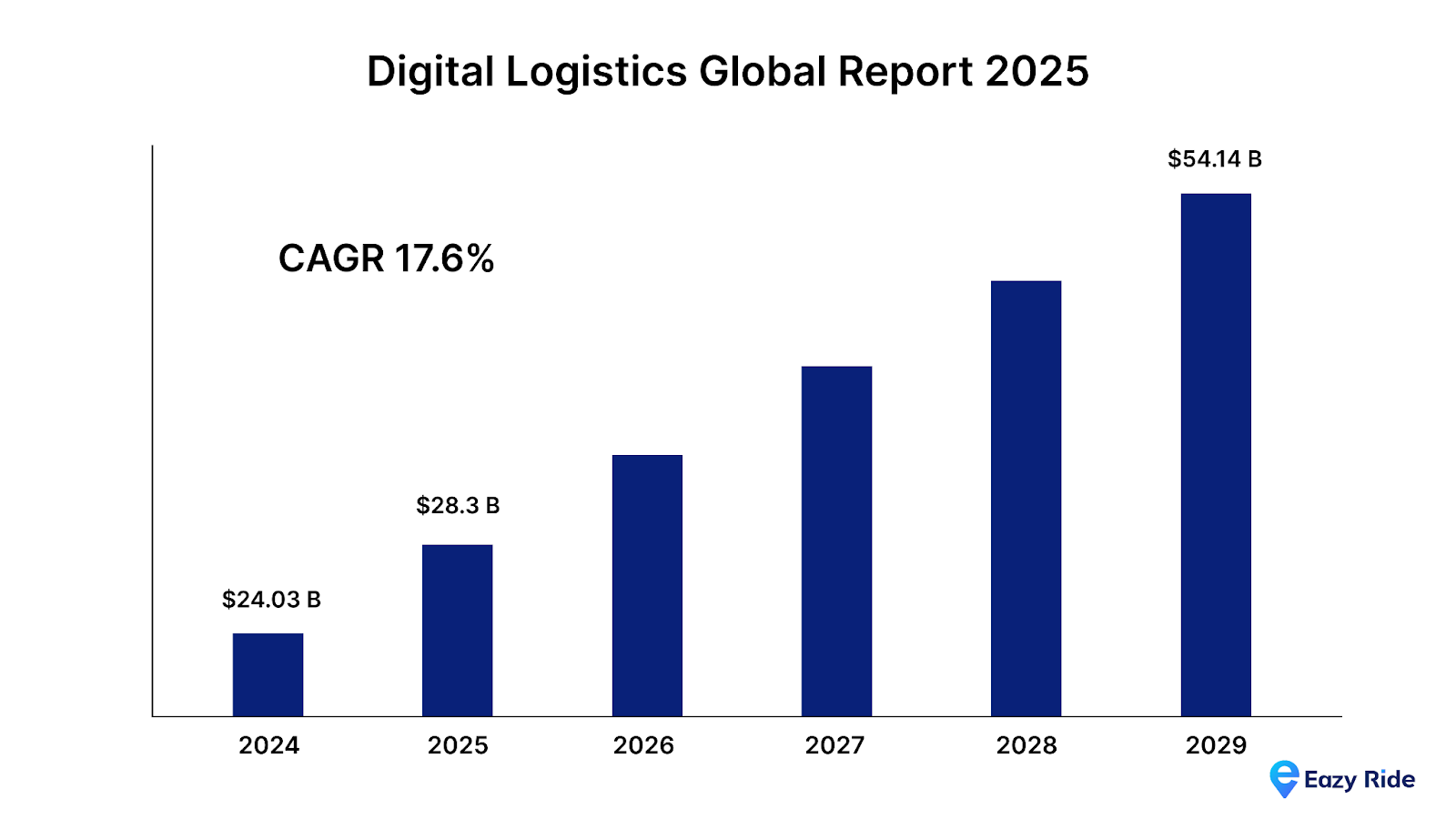
The logistics industry is a complex ecosystem where multiple moving parts must align seamlessly to deliver efficiency, reliability, and cost control.
According to the latest data from the Council of Supply Chain Management Professionals (CSCMP), U.S. business logistics costs reached $2.58 trillion in 2025, maintaining 8.8% of the national GDP.
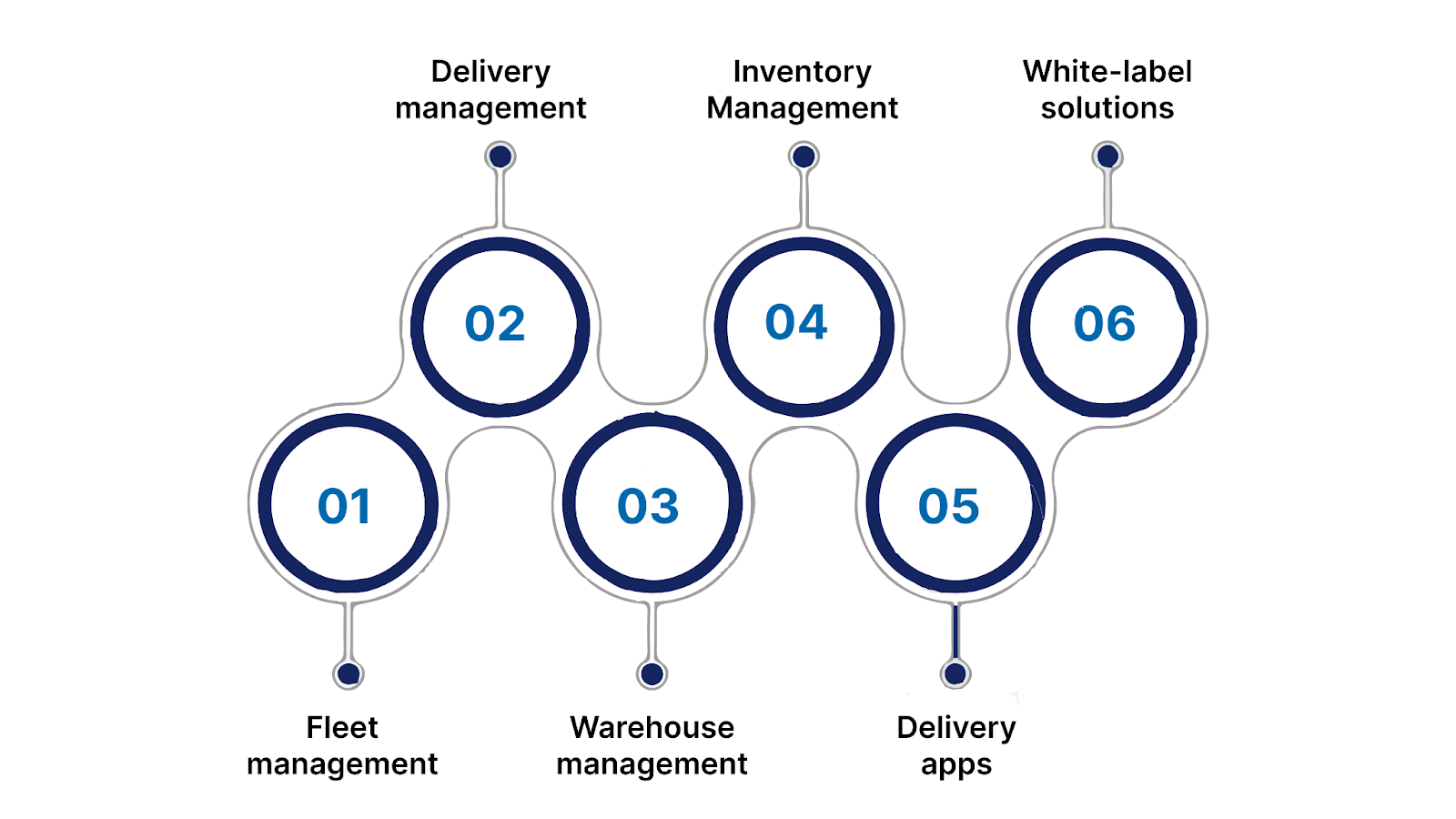
Mobile applications designed for logistics are specialized tools that address distinct operational challenges, each critical to maintaining fluid supply chains and competitive service levels.
Choosing the right type of logistics app depends on the operational focus, scale, and complexity of your business. Here’s a closer look at the primary categories and why they matter:
1. Fleet Management Applications
Fleet management apps are indispensable for operators managing a large number of vehicles. These platforms provide granular control over vehicle tracking, predictive maintenance, driver performance, and fuel consumption, all key factors influencing operational costs and service reliability.
- Real-Time GPS Tracking: Beyond simple location monitoring, these systems integrate traffic data and telematics to dynamically optimize routes, minimizing delays and downtime.
- Preventive Maintenance Scheduling: Using vehicle diagnostics and usage data, fleet managers can preempt costly breakdowns and extend asset life.
- Behavioral Analytics: Monitoring driver habits such as acceleration, braking, and idling enables targeted training, improves safety compliance, and reduces accident-related costs.
- Fuel Efficiency Monitoring: Detailed analytics identify inefficiencies, enabling informed decisions that reduce one of the largest variable expenses.

2. Delivery Management Applications
The last mile represents the most cost-intensive and customer-visible stage of logistics. Delivery management apps orchestrate complex routing, proof of delivery collection, and real-time communication to enhance fulfillment speed and accuracy.
- Advanced Route Optimization: Using AI and machine learning, these applications compute the most efficient delivery sequences, factoring in traffic patterns, delivery time windows, and vehicle capacity constraints.
- Digital Proof of Delivery: Capturing electronic signatures, photos, and timestamps minimizes disputes and supports regulatory compliance.
- Customer Engagement: Transparent, real-time updates reduce uncertainty and increase satisfaction.
- Inventory Integration: Tight synchronization with warehouse systems ensures accurate dispatching and reduces stock discrepancies.
3. Warehouse Management Applications
Warehouses are operational nerve centers. Warehouse management systems (WMS) streamline labor-intensive processes, drive accuracy, and maximize throughput.
- Inventory Visibility: Continuous tracking of goods throughout receiving, storage, and shipping cycles eliminates blind spots and supports just-in-time operations.
- Automated Order Fulfillment: Pick-to-light, voice-directed picking, and automated sorting reduce human error and boost efficiency.
- Data-Driven Space Utilization: Analytics guide optimal shelf arrangement and storage density, crucial for accommodating seasonal spikes and expanding SKUs.
- Technology Integration: Leveraging RFID and barcode scanning accelerates cycle counts and replenishment.
4. Inventory Management Applications
Optimized inventory management is critical to balancing working capital with service levels. Modern apps provide deep insights into stock across multi-site operations.
- Centralized Stock Control: Aggregates real-time data across warehouses, stores, and transit to provide a holistic inventory picture.
- Dynamic Replenishment: Automated alerts and purchase order generation reduce manual intervention and prevent stockouts.
- Supplier Collaboration: Direct integration with supplier systems enables streamlined procurement cycles and better demand-supply alignment.
- Predictive Analytics: Leveraging historical sales, seasonality, and market trends to forecast demand with increasing accuracy.
5. Customer-Facing Delivery Applications
Delivering visibility and control to end customers is no longer optional, it’s a competitive differentiator. These applications provide a direct interface to track, manage, and pay for deliveries.
- Interactive Order Tracking: Real-time geolocation and ETAs reduce support calls and build trust.
- Flexible Payment Solutions: Multiple payment methods coupled with secure processing cater to diverse customer preferences.
- Integrated Support Tools: Chatbots and human support options handle queries efficiently, improving customer experience.
- Proactive Alerts: Automated notifications preemptively communicate delays or changes.
6. Cross-Platform and White-Label Solutions
Rapid market entry and brand consistency drive demand for cross-platform and white-label apps. These solutions offer a fully customizable and scalable foundation without the overhead of developing software from scratch.
- Brand Alignment: Tailoring UI/UX, logos, and workflows to reflect brand identity ensures customer trust and recognition.
- Device Agnostic: Seamless functionality across mobile OS and desktop platforms guarantees accessibility for diverse user bases.
- Feature Flexibility: Modular architectures allow businesses to scale features in line with growth and evolving operational complexity.
- Ecosystem Integration: Open APIs enable smooth connections with payment processors, compliance platforms, and analytics suites.

With that in mind, let’s look at the core features that make a logistics mobile application truly transformative for a business.
Features of a Logistics Mobile Application
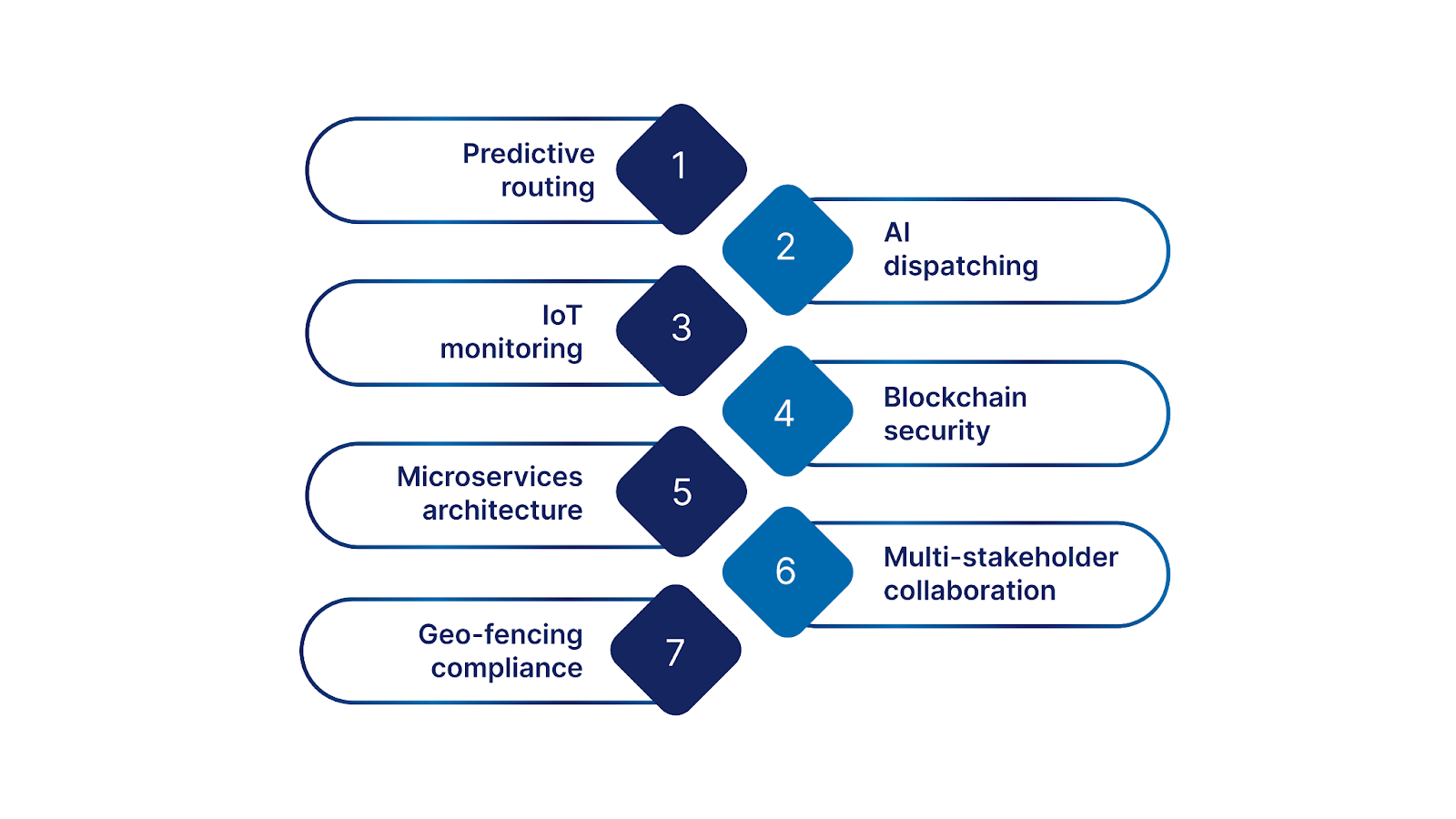
Logistics today demands more than simple tracking and communication. Advanced mobile applications must integrate complex data streams, predictive insights, and flexible operational controls to meet ever-growing customer expectations and intricate supply chain challenges.
Here’s a breakdown of the critical, often overlooked features that distinguish high-impact logistics applications:
- Real-Time Geospatial Intelligence with Predictive Routing: Beyond basic GPS, leading logistics apps combine multi-source geospatial data with predictive analytics. This means anticipating traffic congestion, weather disruptions, or regulatory restrictions before they impact the route. According to Gartner, companies employing predictive routing reduce delivery delays by up to 30%.
- Automated, AI-Driven Dispatching: Modern apps leverage artificial intelligence to dynamically allocate orders to vehicles or personnel based on multiple real-time variables: vehicle location, cargo capacity, driver availability, and historical performance metrics. This approach maximises fleet utilisation, cuts idle time, and improves service reliability. Research by the American Transportation Research Institute highlights that AI-enhanced dispatching can improve delivery times by up to 20%.
- IoT-Enabled Asset and Environmental Monitoring: Integrating IoT sensors into vehicles and cargo enables continuous health monitoring, not only tracking location but also vehicle diagnostics, temperature controls for sensitive goods, and vibration alerts to detect mishandling. McKinsey data shows IoT-driven condition-based monitoring can achieve a 15-20% reduction in maintenance costs. This level of visibility is vital for industries with high-value or perishable cargo.
- Blockchain-Backed Transparency and Security: Emerging logistics applications incorporate blockchain to create immutable, transparent records of shipment provenance, custody transfers, and compliance certifications. This innovation dramatically reduces fraud, paperwork errors, and regulatory friction, particularly crucial in international trade and pharmaceuticals..
- Modular, Scalable Architecture with Microservices: Sophisticated logistics apps use microservices architecture, allowing features to be added, removed, or upgraded independently without system downtime. This flexibility supports rapid scaling and customization, enabling businesses to respond to market shifts or operational expansions seamlessly.
- Real-Time Multi-Stakeholder Collaboration: Top-tier apps facilitate seamless communication across drivers, dispatchers, warehouse staff, and customers within a single interface, reducing delays caused by siloed information. Features like instant messaging, shared task boards, and voice commands integrated with AI assistants enhance coordination and reduce errors.
- Regulatory Compliance and Geo-Fencing with Automated Enforcement: Given the patchwork of transport regulations globally, logistics apps embed compliance frameworks that automate adherence checks, such as driver hours, emission zones, and cargo restrictions. Geo-fencing provides alerts and can enforce operational boundaries by limiting vehicle actions outside authorized zones.
Now that we’ve explored the powerful features that drive logistics apps, let’s discuss the tangible benefits these applications provide to logistics businesses.
Benefits of Logistics Mobile Applications
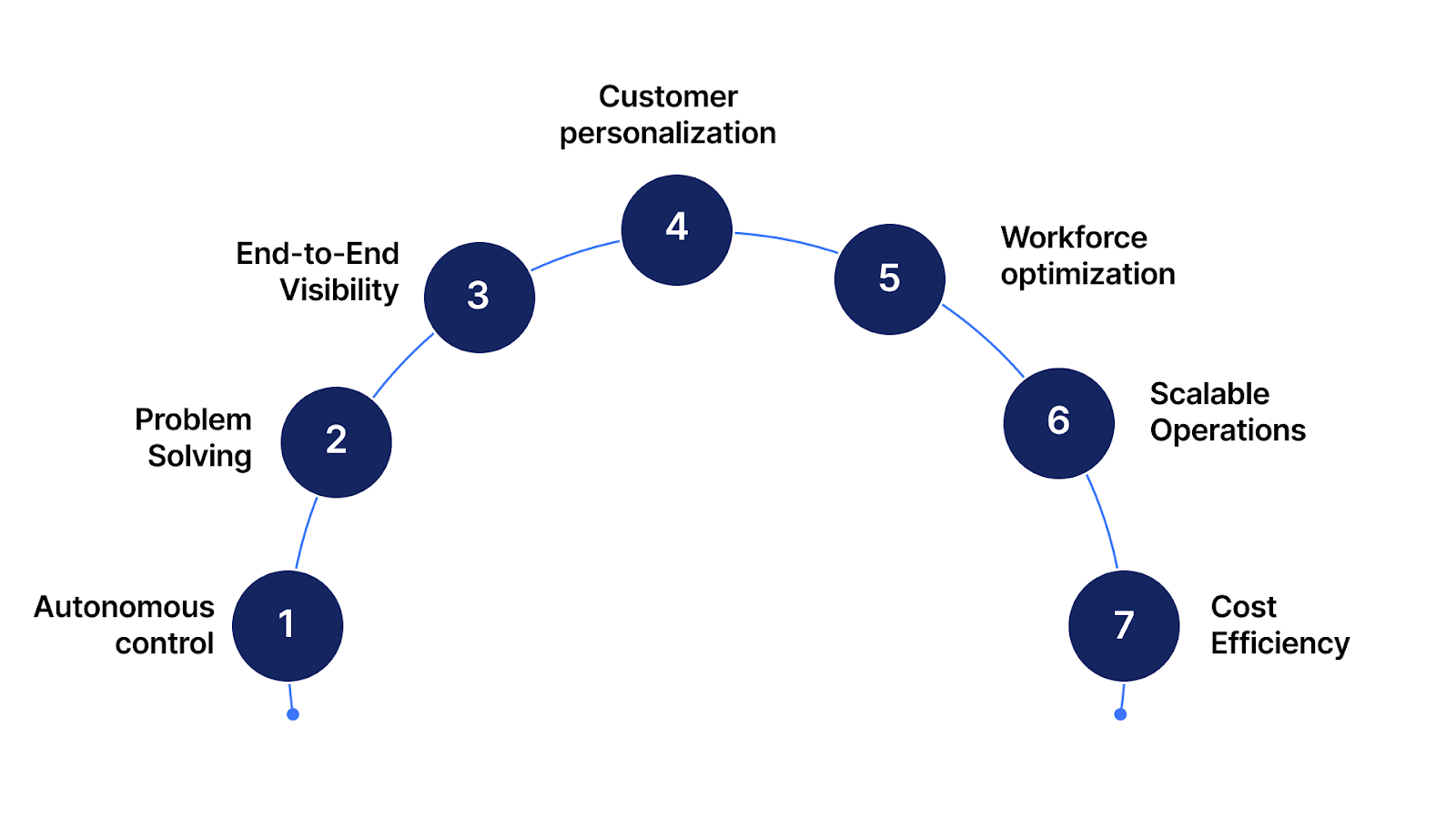
Logistics mobile applications offer transformative benefits that enhance efficiency, flexibility, and customer satisfaction. Key advantages include:
- Real-Time Control & Autonomy: Operators can make instant decisions based on real-time data, improving operational efficiency and reducing last-minute problem-solving.
- Proactive Problem-Solving: These apps use predictive capabilities to foresee issues like delays and misrouted shipments, helping businesses address problems before they affect the supply chain.
- End-to-End Visibility: Seamless integration across the supply chain provides businesses with a complete overview, enabling smarter decision-making.
- Personalized Customer Experiences: Customers can track deliveries, interact with customer service, and receive tailored notifications, improving loyalty and trust.
- Improved Workforce Management: Apps streamline workforce management by tracking driver performance, assigning tasks, and ensuring better resource utilization and accountability.
- Scalable Operations: Logistics apps grow with the business, making it easier to expand fleets, reach new areas, and introduce services without large infrastructure changes.
- Cost Efficiency: By optimizing resources, such as route planning and inventory control, businesses can reduce fuel and storage costs, improving overall efficiency.
Having explored the benefits, you might be wondering: how do you build a logistics mobile application tailored to your specific business needs? Let’s break down the essential steps to take.
How to Build a Logistics Mobile Application
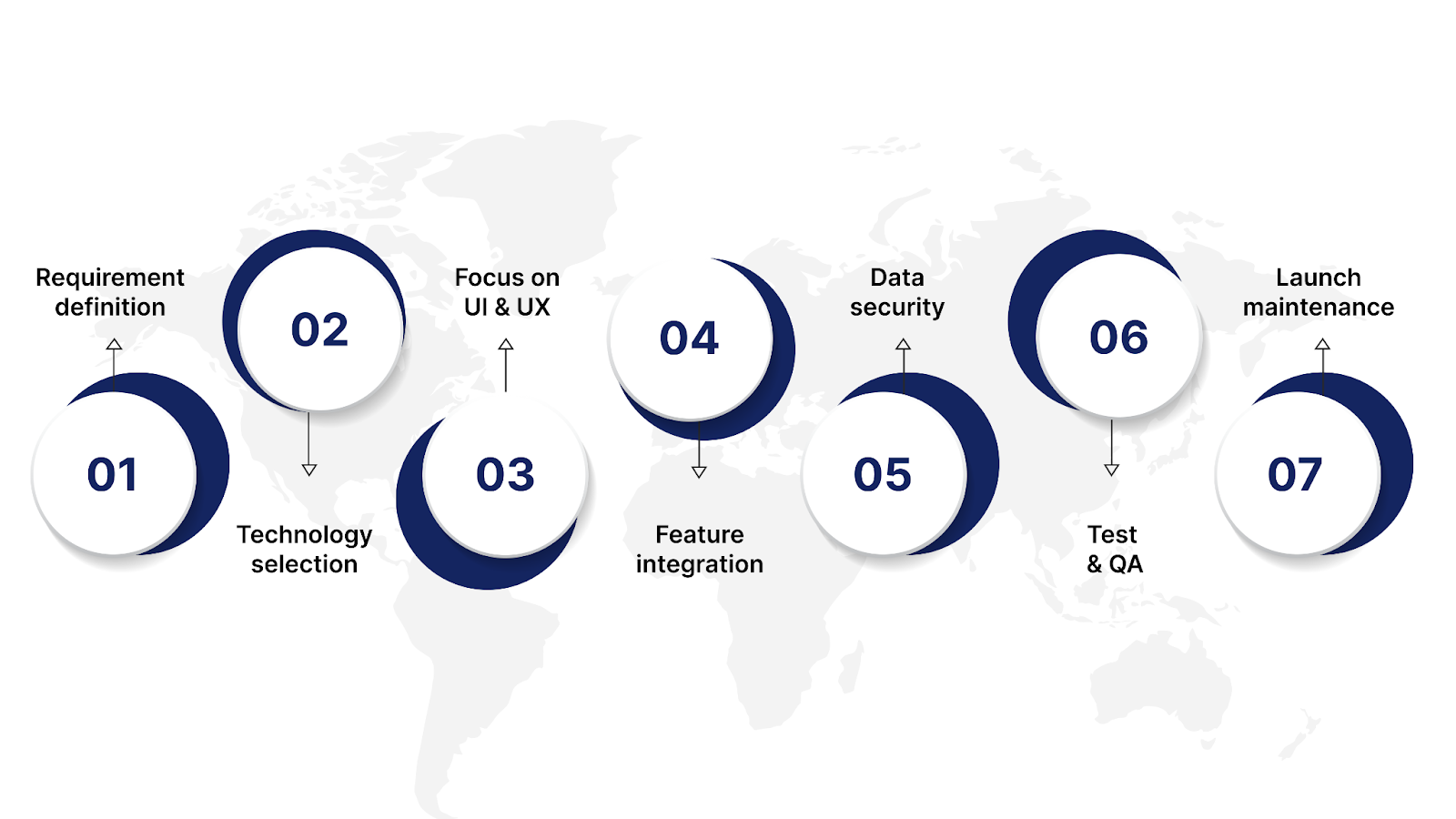
Building a logistics mobile application requires careful planning, expert knowledge of logistics operations, and the right technology stack. Whether you’re developing an app from scratch or optimizing an existing solution, the process involves several key phases, from defining the project’s scope to ongoing maintenance.
Below is a comprehensive breakdown of the steps required to create a successful logistics mobile application:
1. Define Business Requirements and Goals
Before writing a single line of code, it’s crucial to define the core goals of your logistics app. What specific problems will it solve? Who are the end-users, drivers, warehouse managers, or customers? Will the app focus on fleet management, real-time tracking, or a full suite of services? Clear business requirements and goals set the foundation for the app’s development, ensuring it aligns with both operational needs and user expectations.
Key Considerations:
- Will the app support multiple service models (e.g., B2B, B2C)?
- Is scalability a major requirement?
- What features will provide the most value to users?
2. Choose the Right Technology Stack
The choice of technology stack is crucial for the performance, scalability, and security of your logistics app. Depending on the complexity of the app, you might choose a native, hybrid, or cross-platform development approach.
- Native Development: If performance is a top priority, especially for real-time data and GPS tracking, native apps for iOS (Swift) and Android (Kotlin) provide the best performance.
- Cross-Platform Development: If speed to market and lower development costs are important, frameworks like Flutter or React Native can be used to create apps for both platforms simultaneously, without compromising too much on performance.
- Backend Framework: Consider using microservices architecture for scalability. Technologies like Node.js, Django, or Java Spring are popular for backend systems that handle logistics operations like fleet management, tracking, and inventory systems.
Tip: The right technology stack will depend on your app’s scalability requirements, the number of users, and the complexity of the features.
3. Focus on User Interface (UI) and User Experience (UX)
User experience is critical in a logistics app. Drivers, warehouse staff, and fleet managers need to interact with the app efficiently under various conditions, often on the move. Therefore, it’s essential that the app is intuitive, fast, and easy to navigate.
Key UX/UI Design Considerations:
- Simple and Intuitive Design: Keep interfaces minimalistic, with large buttons and clear navigation for on-the-go users.
- Real-Time Data Integration: Display live information like route optimization, inventory status, and fleet location clearly.
- Multitasking Capabilities: Ensure the app allows users to manage multiple tasks (e.g., tracking shipments while communicating with a dispatcher).
- Offline Capabilities: In logistics, real-time internet connectivity isn’t always possible. Ensure that essential features (like vehicle tracking or delivery updates) can function offline and sync when a connection is available.
4. Integrate Key Features and Functionalities
The next step is integrating the core features that will make your logistics app valuable to users. Some essential functionalities to include:
- Real-Time Tracking: Use GPS and IoT sensors to monitor vehicle and shipment location in real time.
- Route Optimization: AI-powered algorithms can suggest optimal delivery routes, taking into account factors like traffic, weather, and fuel efficiency.
- Fleet Management: Integrate features that monitor fleet health, including vehicle maintenance schedules, diagnostics, and performance metrics.
- Inventory and Warehouse Management: Allow users to track inventory levels, stock movements, and automate reordering processes.
- Payment and Billing Integration: Enable seamless transactions for services such as delivery fees or subscription charges.
- Notifications and Alerts: Push notifications for customers and drivers to update on shipment statuses, delays, or emergencies.
- Compliance and Geo-Fencing: Geo-fencing helps ensure drivers follow legal routes, and real-time compliance alerts ensure fleet operations stay within legal requirements (e.g., emission zones).
5. Ensure Data Security and Compliance
Given the sensitive nature of logistics data, from customer information to financial transactions, security must be a priority. Your app should comply with data protection regulations such as GDPR or HIPAA, depending on your geographical location and industry focus.
Key Security Features:
- End-to-End Encryption: All data transmitted between the app and backend systems should be encrypted to protect user privacy.
- Secure Authentication: Implement multi-factor authentication (MFA) to secure access to the app’s sensitive functionalities.
- Regulatory Compliance: For apps handling hazardous materials or medical shipments, ensure compliance with regulations like DOT (Department of Transportation) in the U.S. or EU transport regulations.
6. Test and QA (Quality Assurance)
Testing is one of the most important stages of app development. Logistics apps handle critical tasks like real-time tracking, dispatching, and payment processing, so bugs and downtime can result in significant operational disruptions. Rigorous testing across various conditions (offline scenarios, poor network connectivity, multi-device compatibility) is essential.
Key Testing Areas:
- Functional Testing: Ensure all app features work as expected, from dispatch to real-time tracking and payment processing.
- Usability Testing: Conduct user testing with real-world logistics teams (drivers, warehouse staff) to ensure ease of use.
- Performance Testing: Ensure the app performs well under heavy load, especially during peak times (e.g., holiday shopping season).
7. Launch and Ongoing Maintenance
After thorough testing, the app is ready for launch. However, the work doesn’t end there. Continuous monitoring, bug fixes, and updates are essential for keeping the app functional and relevant as logistics needs evolve.
Ongoing Maintenance Includes:
- Regular Software Updates: Release periodic updates to fix bugs, improve performance, and add new features based on user feedback.
- Scalability Considerations: As your business grows, you may need to scale the backend systems, add more servers, or update features to handle higher traffic volumes.
Having understood the key steps to building a logistics mobile application, it’s time to look at how you can take your fleet management to the next level.
Ready to Revolutionize Your Fleet Management?
Eazyride’s logistics mobile application solutions provide a comprehensive, white-label platform for businesses looking to streamline their fleet management, enhance delivery efficiency, and boost customer satisfaction.
Whether you’re building a fleet management system, optimizing delivery routes, or integrating real-time tracking, Eazyride’s suite of features can help you deploy and scale your logistics services faster than ever.
With AI-driven analytics, predictive maintenance, route optimization, and real-time fleet monitoring, Eazyride empowers you to stay ahead of the competition while reducing costs and improving efficiency. And with a two-week deployment timeline, you can get your logistics operations running quickly, with minimal technical resources.
Get to market faster, operate smarter, and scale seamlessly with Eazyride’s all-in-one logistics platform.
FAQs
1. how can a logistics mobile app enhance communication within the supply chain?
A logistics mobile app improves communication by offering real-time updates between drivers, warehouse teams, and managers. It centralizes data, making it easier to share information, resolve issues quickly, and ensure all stakeholders are on the same page, minimizing delays and errors.
2. What are the security features needed in a logistics mobile app?
A logistics mobile app should include robust security features like data encryption, two-factor authentication, secure APIs, and user access control. These features protect sensitive operational data, customer information, and ensure compliance with industry standards like GDPR.
3. Can logistics mobile apps be integrated with other enterprise systems?
Yes, modern logistics mobile apps are designed to integrate seamlessly with other enterprise systems such as ERP (Enterprise Resource Planning), WMS (Warehouse Management System), TMS (Transportation Management System), and CRM (Customer Relationship Management). This ensures smoother operations and better data flow across the business.
4. How can a logistics app help in reducing environmental impact?
Logistics apps help reduce environmental impact by optimizing routes, reducing fuel consumption, and improving fleet efficiency. Features like predictive routing, fleet performance tracking, and energy-efficient vehicle management contribute to lower carbon emissions and a more sustainable supply chain.
5. What role do customer-facing features play in logistics mobile apps?
Customer-facing features such as real-time order tracking, notifications, and delivery scheduling enhance transparency and build trust. These features improve customer satisfaction, reduce customer service inquiries, and improve delivery accuracy, leading to better customer retention.


