
 AllSharing business

 6 January, 2026
 Dockless Bike Sharing: A Sustainable Urban Solution
Dockless bike sharing lets riders unlock a bike with an app and end the trip anywhere inside a defined operating zone, with no fixed docking station. Location is tracked by GPS, and parking rules are enforced through geofencing.
As cities continue to expand, so do the challenges that come with urban transportation. Traffic congestion, pollution, and the need for more efficient travel options are all pressing concerns. Dockless bike-sharing systems are transforming urban mobility and creating promising business opportunities, providing an effective way to tackle these growing transportation challenges.
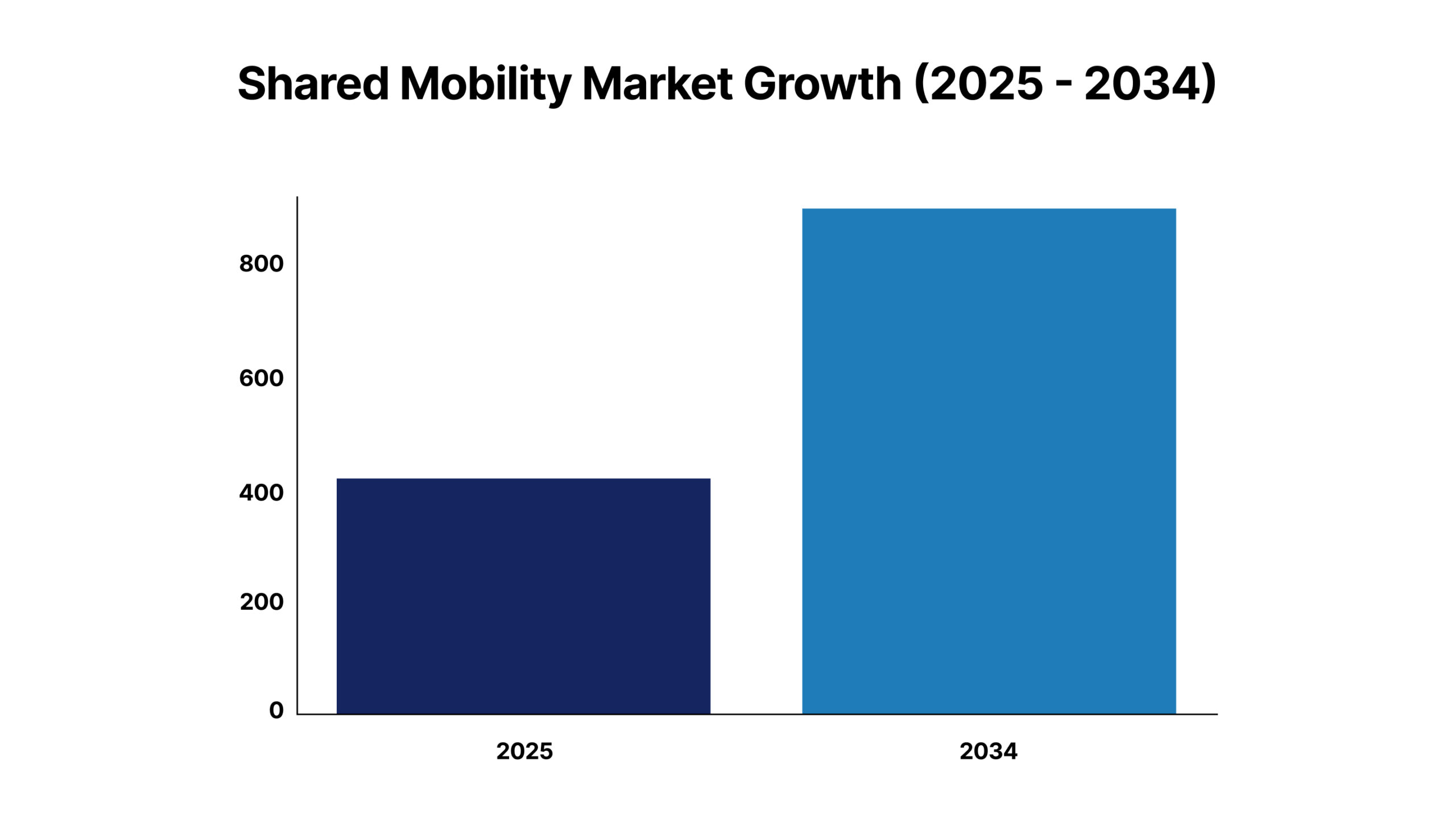
This shift in urban mobility is part of a larger trend, with the shared mobility market valued at over $414 billion in 2025. It is set to more than double by 2034, reaching nearly $886 billion. This growth, reflecting a steady CAGR of 8.8%, points to the sustained global demand for innovative transportation solutions like dockless bike-sharing.
With the right strategy, you can scale your operations profitably, ensure compliance, and position your company for long-term success. Let’s explore how to capitalize on this opportunity.
Quick Summary
- Dockless bike-sharing offers flexible, eco-friendly transportation with minimal infrastructure needs.
- GPS and mobile apps enable bike tracking, unlocking, and seamless payment.
- Key benefits include convenience, scalability, and cost-effectiveness.
- Challenges include theft, bike distribution, and maintenance costs, addressed through IoT, rebalancing, and predictive maintenance.
What is Dockless Bike Sharing
Dockless bike-sharing refers to a system where bicycles are made available for rent without the need for fixed docking stations. Users can pick up and drop off bikes anywhere within a designated area using a smartphone app to unlock and pay for their ride. These bikes are often equipped with GPS, allowing companies to track usage and optimize bike distribution across urban areas.
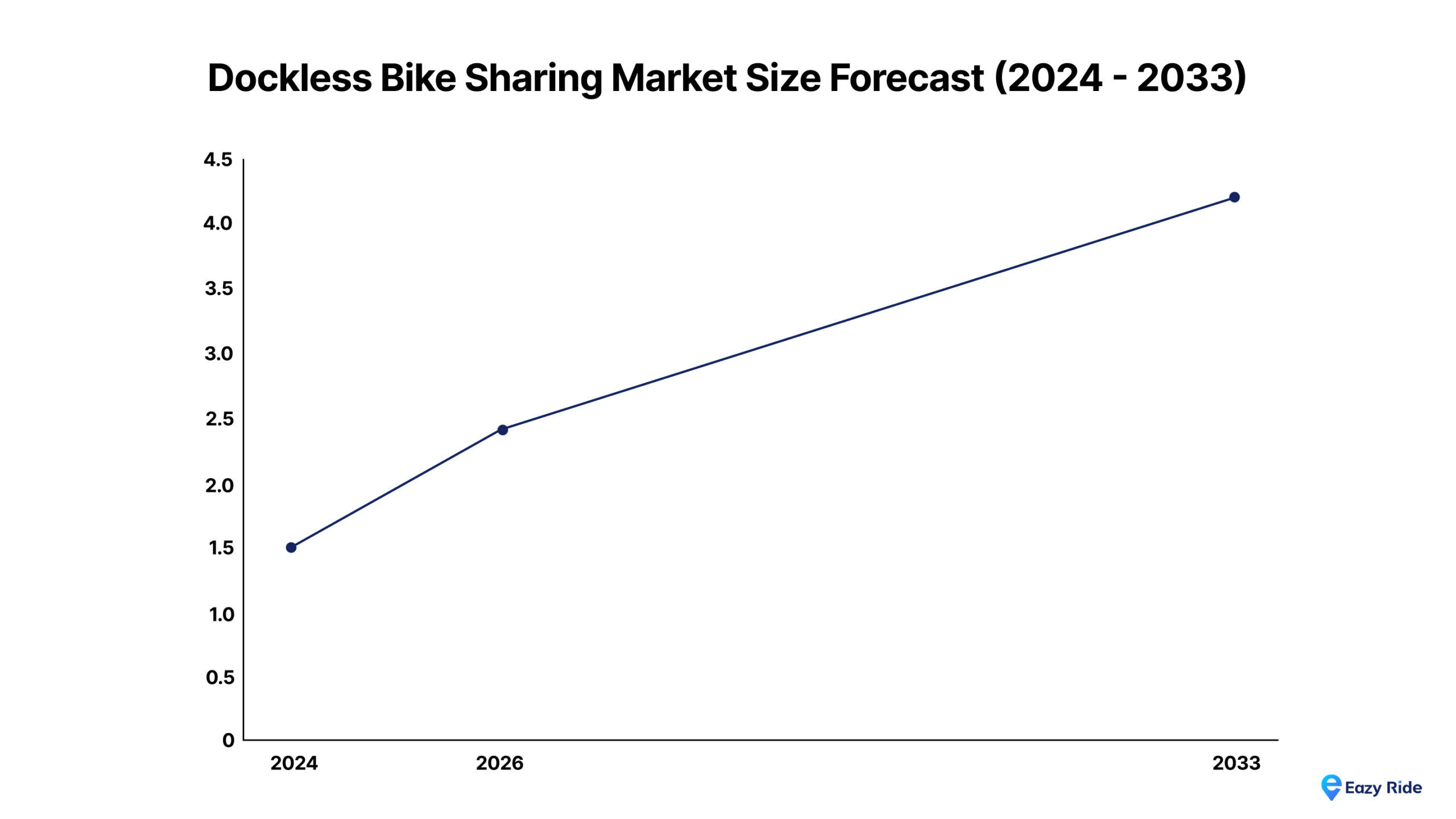
The Dockless Bike Sharing Market size was valued at $1.5 billion in 2024 and is forecasted to grow at a CAGR of 12.4% from 2026 to 2033, reaching $4.2 billion by 2033.
Unlike traditional bike-share systems, which require users to return bikes to designated docking stations, dockless bike-sharing offers greater flexibility and convenience. This makes it ideal for short trips and last-mile connectivity. The flexibility has been a key factor in the system’s rapid adoption in cities worldwide.
How do dockless bike sharing systems operate?
Dockless bike-sharing systems utilize advanced technology to offer a flexible and user-friendly experience. GPS technology plays a vital role by helping users locate nearby bikes and ensuring bikes are dropped off in designated service areas. The app tracks each bike’s real-time location, usage, and availability.
Here’s how the system works:
- Locate a bike: Users find available bikes through the app, which shows their location on a map.
- Unlock the bike: The app uses Bluetooth or QR codes to unlock the bike.
- Ride to your destination: Users can travel anywhere within the service zone.
- Drop off the bike: The app helps users find convenient drop-off points within the designated area.
- Payment & tracking: The app automatically tracks the ride duration and handles payment seamlessly.
This combination of technology and user-friendly interaction makes dockless bike-sharing systems an efficient solution for urban mobility.
Let’s explore how dockless bike-sharing systems enhance urban mobility. These benefits streamline transportation, reduce congestion, and offer sustainable, flexible solutions for cities worldwide.
Key Benefits of Dockless Bike Sharing
Dockless bike-sharing systems provide a range of advantages that enhance urban mobility, making it more efficient and sustainable. With easy access to bikes and minimal infrastructure requirements, this system is transforming the way people move in cities.
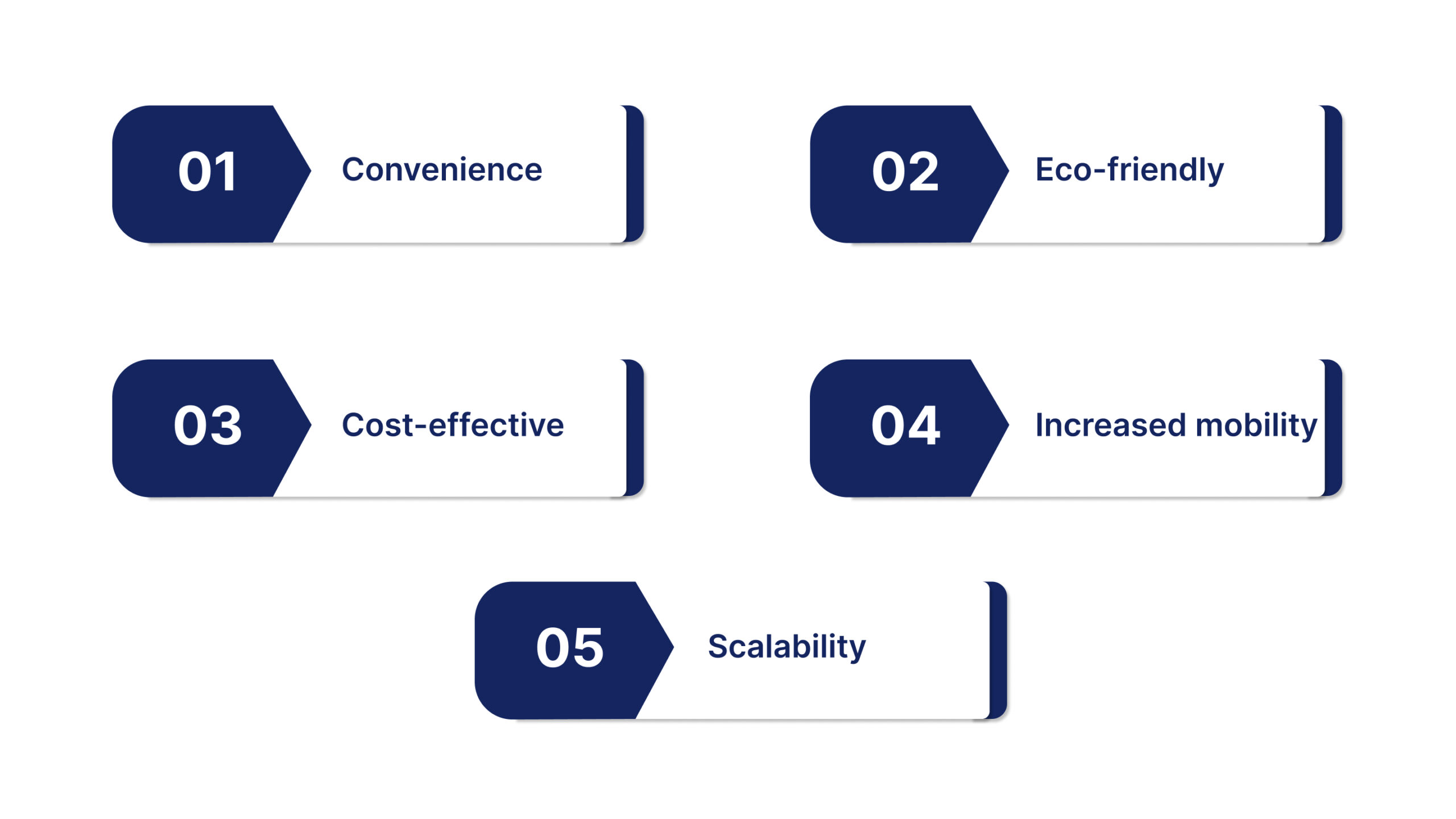
Here are a few of the key benefits of dockless bike-sharing systems:
- Convenience: Users can pick up and drop off bikes anywhere within the designated service area, offering greater flexibility compared to traditional bike-sharing systems.
- Eco-friendly: By promoting cycling over car use, dockless bike-sharing reduces traffic congestion and lowers carbon emissions, contributing to a cleaner environment.
- Cost-effective: For both users and operators, dockless bike-sharing is typically more affordable than traditional transportation options, making it an attractive alternative.
- Increased mobility: The system offers easy access to bikes for short trips, enhancing last-mile connectivity and enabling users to reach their destinations efficiently.
- Scalability: The absence of docking stations makes it easier to expand the service area and introduce more bikes without significant infrastructure investment.
While the promise of dockless bike-sharing systems is undeniable, several key obstacles can hinder their growth. Let’s explore some of the primary challenges and potential solutions.
Challenges Faced by Dockless Bike Sharing Systems
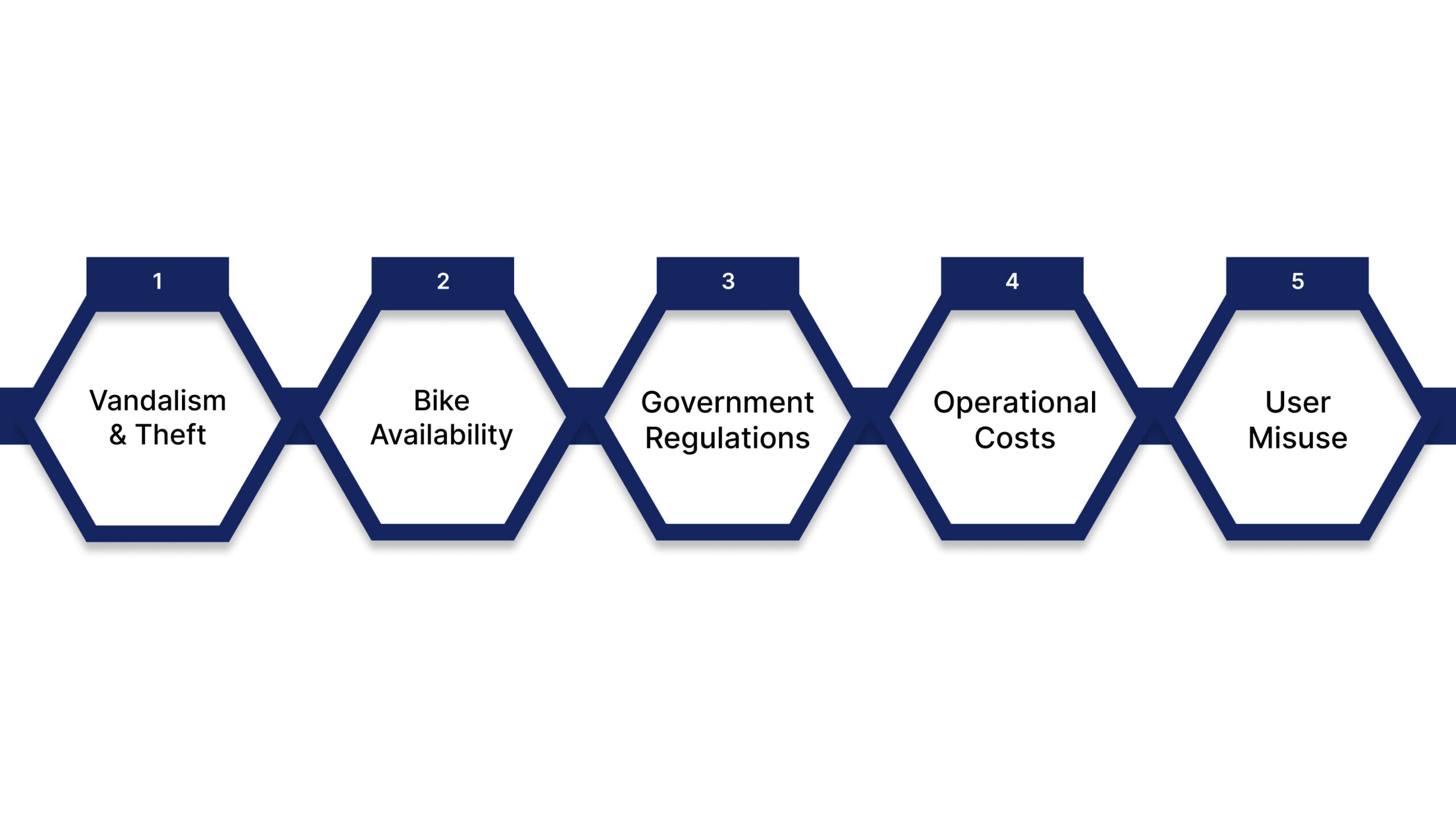
While dockless bike-sharing systems offer numerous benefits, they also face several challenges that need to be addressed for long-term success. Here are some of the key challenges and their potential solutions:
1. Vandalism and Theft
- Challenge: Dockless bikes are more susceptible to theft and vandalism since they are not stored in secure docking stations. This issue is prevalent in many urban areas across the US, where bike-sharing systems operate without fixed locations for bike storage.
- Solution: Implementing GPS tracking on every bike can help recover stolen or damaged bikes. Additionally, using durable materials for bike construction and installing anti-theft locks can help reduce the likelihood of theft. Enhancing security measures, such as implementing surveillance or collaborating with local law enforcement, can also help prevent vandalism.
2. Bike Distribution and Availability
- Challenge: Ensuring bikes are available where they are most needed can be difficult, leading to imbalances in high-demand areas.
- Solution: Operators can leverage data analytics and real-time tracking to monitor demand patterns and strategically deploy bikes. Automated rebalancing systems or partnerships with local transportation services can also help maintain an optimal distribution of bikes.
3. Regulatory and Local Government Issues
- Challenge: Cities may impose regulations that restrict where bikes can be parked or operated, complicating system management.
- Solution: Engaging with local governments early on to discuss policies and collaborate on regulations can help ensure smooth operations. Providing clear guidelines for users about where to park bikes and offering incentives for following the rules can improve compliance.
4. Maintenance and Operational Costs
- Challenge: Regular repairs, bike maintenance, and fleet management can be costly, especially when operating a large fleet.
- Solution: Implementing a robust maintenance schedule, using predictive maintenance powered by IoT technology, can minimize unexpected repairs. Partnering with local repair shops or employing mobile maintenance teams can also reduce downtime and operational costs.
5. User Behavior and Improper Use
- Challenge: Some users may improperly park bikes, block sidewalks, or fail to secure bikes correctly, resulting in operational inefficiencies.
- Solution: The app can incorporate features that encourage responsible behavior, such as penalties for improper parking or incentives for good practices. Additionally, educating users through clear instructions and reminders can help foster better habits.
By addressing these challenges with the right technology, partnerships, and policies, dockless bike-sharing systems can improve their sustainability and service, ensuring they continue to thrive as an efficient and reliable transportation solution.
Advancements in Technology and Operations for Dockless Bikes
Technological advancements and operational innovations are driving the growth of dockless bike-sharing systems, improving efficiency, sustainability, and overall performance. Here are key innovations reshaping the industry, making it more reliable, scalable, and adaptable to urban environments.
1. Smart Bikes and IoT Integration
Bikes are now equipped with GPS, Bluetooth, and IoT sensors that enable real-time tracking, maintenance alerts, and user interaction through mobile apps. This technology allows for more effective fleet management and facilitates the monitoring of bike usage and location.
2. Automated Rebalancing
Using data analytics and machine learning, operators can predict demand patterns and optimize bike distribution across the city. Automated systems can help move bikes to high-demand areas, improving accessibility and reducing inefficiencies.
3. Predictive Maintenance
Advanced algorithms and IoT sensors track the health of bikes, alerting operators to potential issues before they become significant problems. This proactive approach reduces downtime, lowers maintenance costs, and ensures a better user experience.
4. Blockchain for Payments and Security
Some systems are integrating blockchain technology to streamline payments and ensure secure, transparent transactions. This could improve user trust and simplify the payment process.
5. Sustainability Initiatives
Many systems are focusing on using sustainable materials for bike production and increasing the use of electric bikes to provide more efficient options for longer distances.
These innovations enhance user experience and overall system performance, making dockless bike-sharing more reliable, scalable, and adaptable to meet the demands of urban environments.
Also Read: The Future of Mobility: How IoT is Transforming Vehicles
EazyRide: Built for the Realities of Dockless Bike Sharing
Managing a dockless bike-sharing business is more than getting riders on the road. It’s about controlling what happens behind the scenes. EazyRide’s white-label platform simplifies that complexity with a suite of tools built specifically for operators who need control, visibility, and flexibility.
Here’s what makes EazyRide a practical choice:
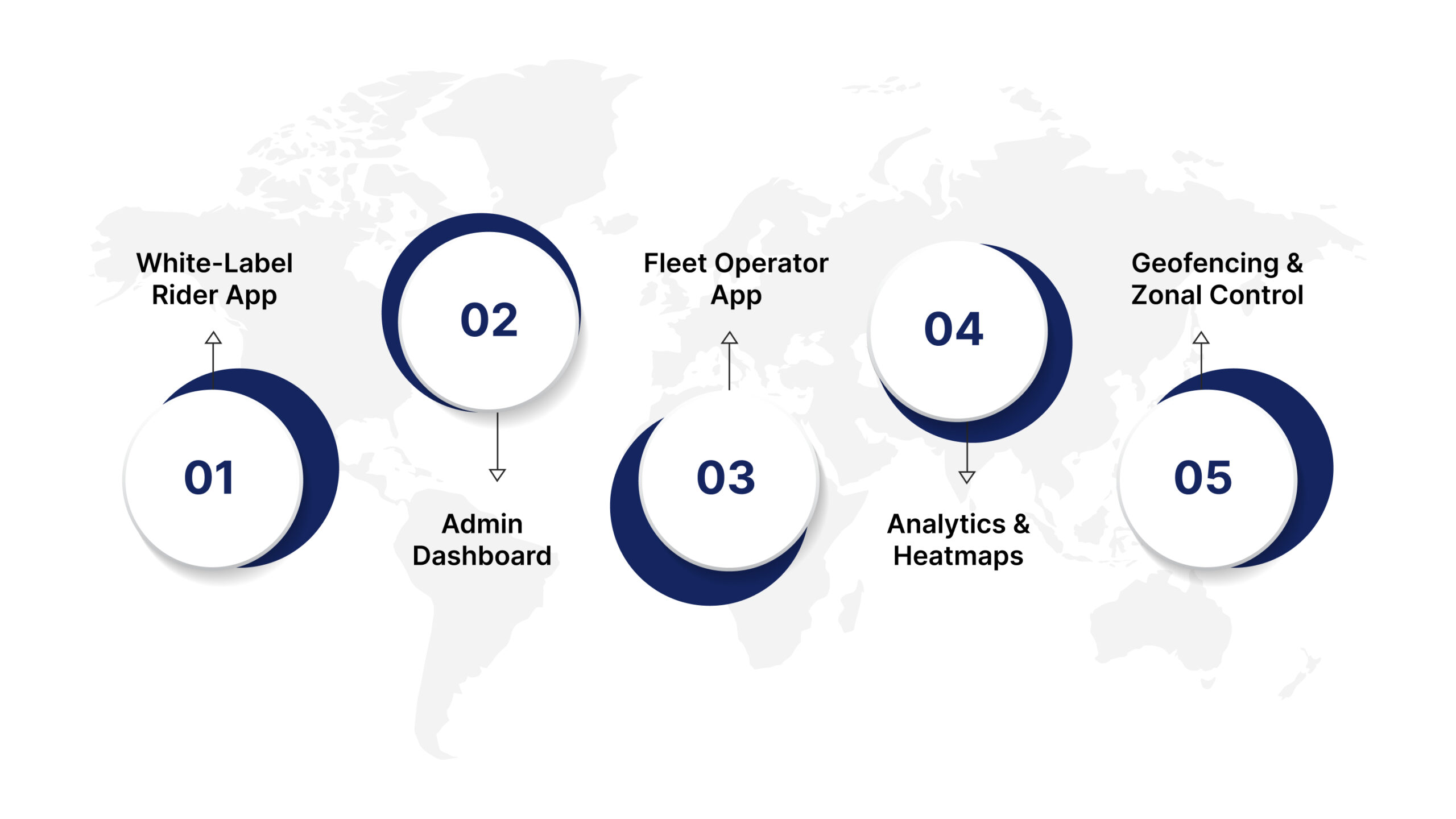
- White-Label Rider App: A customizable iOS and Android app where users can find, unlock, and ride vehicles. It includes an in-app wallet, map integration, ride history, and a help center, ready for your brand.
- Admin Dashboard: One central place to manage fleet size, pricing, geo-boundaries, user data, promotions, and real-time analytics. Built for better oversight and faster decisions.
- Fleet Operator App: For your ground team to rebalance, charge, and maintain vehicles. Agents can scan QR codes, check status, and log maintenance on the spot.
- Analytics & Heatmaps: Understand your business with AI-powered insights into trip frequency, idle zones, peak hours, and revenue patterns. These data points help you place the right vehicle in the right place at the right time.
- Geofencing & Zonal Control: Set ride zones, no-go areas, parking zones, and speed-limited regions to align with local rules and ensure smooth operations.
EazyRide simplifies day-to-day operations, helping you maintain control and minimize downtime for a smoother experience. Its versatile tools cater to various industries, including urban commuting, corporate campuses, universities, residential communities, tourism, resorts, and golf courses.
As micromobility continues to expand into new use cases and regions, EazyRide turns the challenge of scaling into a structured, manageable path forward.
Conclusion
Dockless bike-sharing is rapidly becoming a core element of urban mobility. As cities seek flexible, low-emission transportation options, micro-mobility solutions are reshaping how people move through urban spaces. Infrastructure development, evolving regulations, and rising environmental priorities are accelerating this shift.
As this model scales, operators face new challenges beyond simply putting bikes on the road. Achieving long-term success requires real-time operational visibility, regulatory compliance, and a strong rider experience. EazyRide meets these needs with an all-in-one platform that integrates fleet tracking, zone enforcement, and analytics, helping operators run efficient, compliant, and rider-focused systems.
Want to simplify your dockless bike-sharing operations? Schedule a demo today and discover how EazyRide streamlines shared mobility management, all in one place.
FAQs
1. What are the primary revenue models for dockless bike-sharing systems?
The primary revenue models include pay-per-ride fees, subscription plans, and partnerships with local governments or businesses. Some systems also generate revenue through advertising on bikes or within the app.
2. How do I manage the operational costs of a dockless bike-sharing system?
Operational costs include bike maintenance, fleet management, user support, and rebalancing. To manage these, you can use predictive maintenance, data analytics for optimizing bike distribution, and streamlined processes for repairs and replacements.
3. How can I ensure my bikes are not stolen or vandalized?
Implementing GPS tracking, using durable materials, and installing anti-theft locks on bikes can help prevent theft and vandalism. Additionally, using surveillance or collaborating with local law enforcement can further reduce these risks.
4. How do I attract and retain users for my bike-sharing service?
Offering competitive pricing, a user-friendly app, incentives like discounts or loyalty programs, and ensuring bikes are available in key areas can help attract and retain users. Marketing and partnering with local businesses can also drive awareness.
5. How do I manage bike distribution and rebalancing efficiently?
Use data analytics to monitor bike usage in real-time and predict demand patterns. Automated rebalancing systems and partnerships with local transportation services can help move bikes to high-demand areas.


