
 AllMicro Mobility Model

 1 August, 2025
 IoT Enablement for Mobility: Benefits & How to Build It
IoT enablement is the process of connecting physical assets, such as scooters, bikes and vehicles, to the internet through sensors and trackers. It lets operators monitor location, battery level and status remotely, and send commands to each unit.
In today’s fast-moving world of micro-mobility and shared mobility services, success depends on one core factor: actionable data. Whether you’re running a fleet of e-scooters or offering transport solutions for a resort, operational efficiency directly impacts your ability to grow and scale.
Without clear visibility into your fleet, it becomes difficult to track vehicle usage, schedule maintenance, or understand customer behavior. These gaps lead to inefficiencies that slow down growth. IoT enablement solves this challenge by providing the connectivity and insights needed to run smarter, more responsive mobility operations.
As a fleet operator or urban entrepreneur, you already face the daily demands of managing vehicles, meeting user expectations, and staying compliant. IoT platforms offer the tools to simplify that process, connecting every vehicle, simplifying operations, and turning raw data into strategic decisions.
In this blog, you’ll learn how IoT enablement can improve service delivery, enhance customer experiences, and give your business the data-driven advantage.
As the global IoT market climbs from USD 64.8 billion in 2024 to a projected USD 153.2 billion by 2029, mobility businesses have a massive opportunity to level up. IoT enablement can transform your operations with data, predictive insights, and smarter, safer vehicle ecosystems.
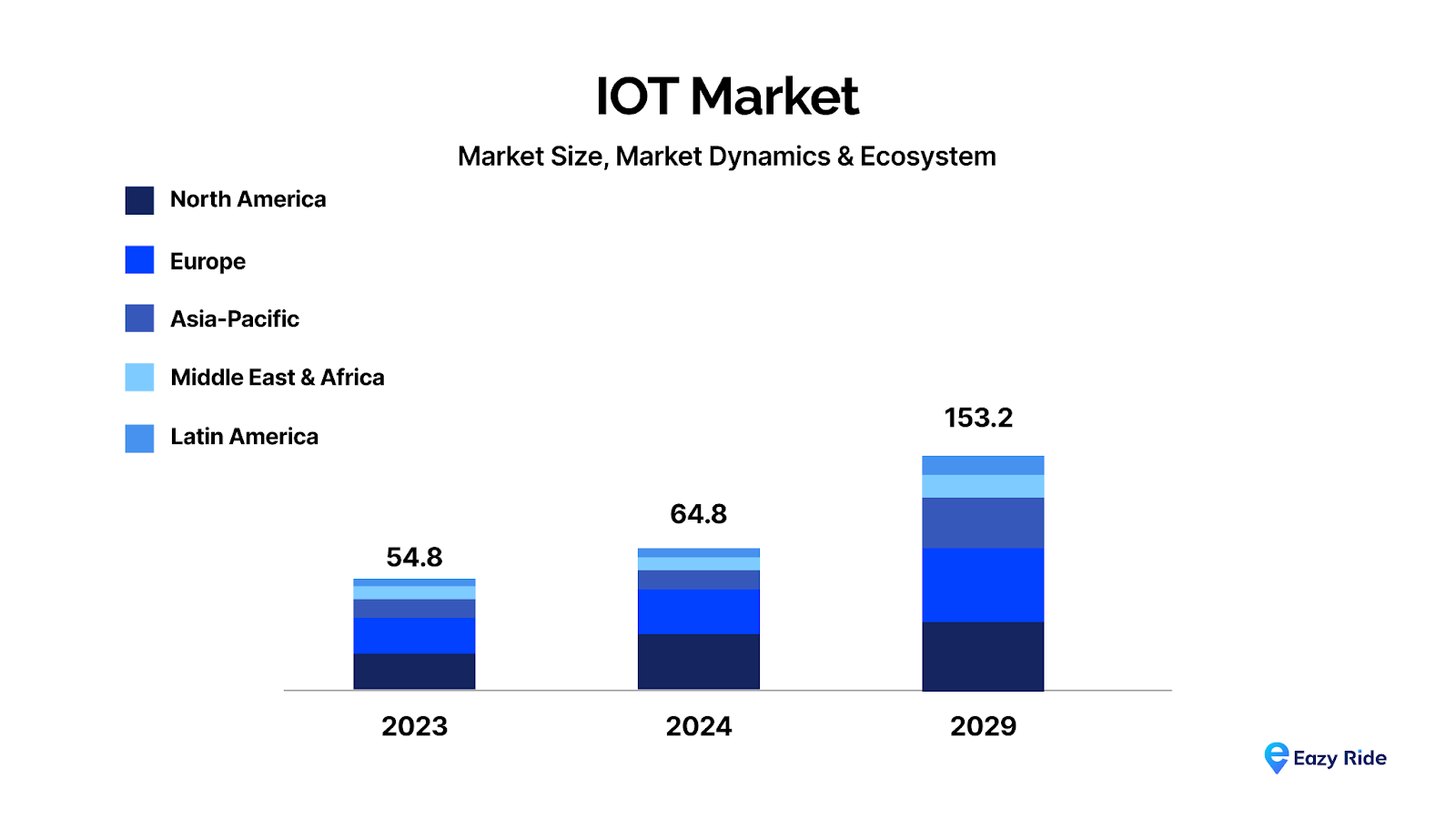
Source: MarketsandMarkets
Key Takeaways
- IoT enablement connects vehicles, sensors, and systems to deliver real-time, actionable data.
- It streamlines operations, cuts costs, and improves user experience with automation and smart insights.
- Choose from platforms like fleet management, telematics, asset tracking, or smart city integrations.
- Build effectively with the right sensors, cloud setup, analytics, API integrations, and strong security.
What is an IoT Enablement Platform?
Running a mobility business involves far more than tracking vehicles and riders. To operate efficiently, you need data that supports informed decisions, streamlined fleet management, and a more positive customer experience.
Managing hundreds or thousands of connected devices, vehicles, and sensors can quickly become complex without the right system in place. An IoT enablement platform brings everything together. Connecting your fleet and devices through the Internet of Things (IoT) allows you to collect, analyze, and act on data.
This platform forms the foundation of modern mobility services, integrating sensors, tracking systems, and cloud infrastructure into one cohesive solution. It gives you full visibility into key areas like vehicle health, location tracking, and customer usage trends, empowering your business to grow with clarity and control.
Why do mobility businesses need IoT platforms?
For entrepreneurs and fleet operators, improving operational efficiency, cutting costs, and delivering a smooth customer experience are top priorities.
Today, managing a fleet without the support of an IoT platform creates unnecessary gaps and inefficiencies. And with connected IoT devices expected to reach 40 billion by 2030, the need for smart solutions is only going to grow.
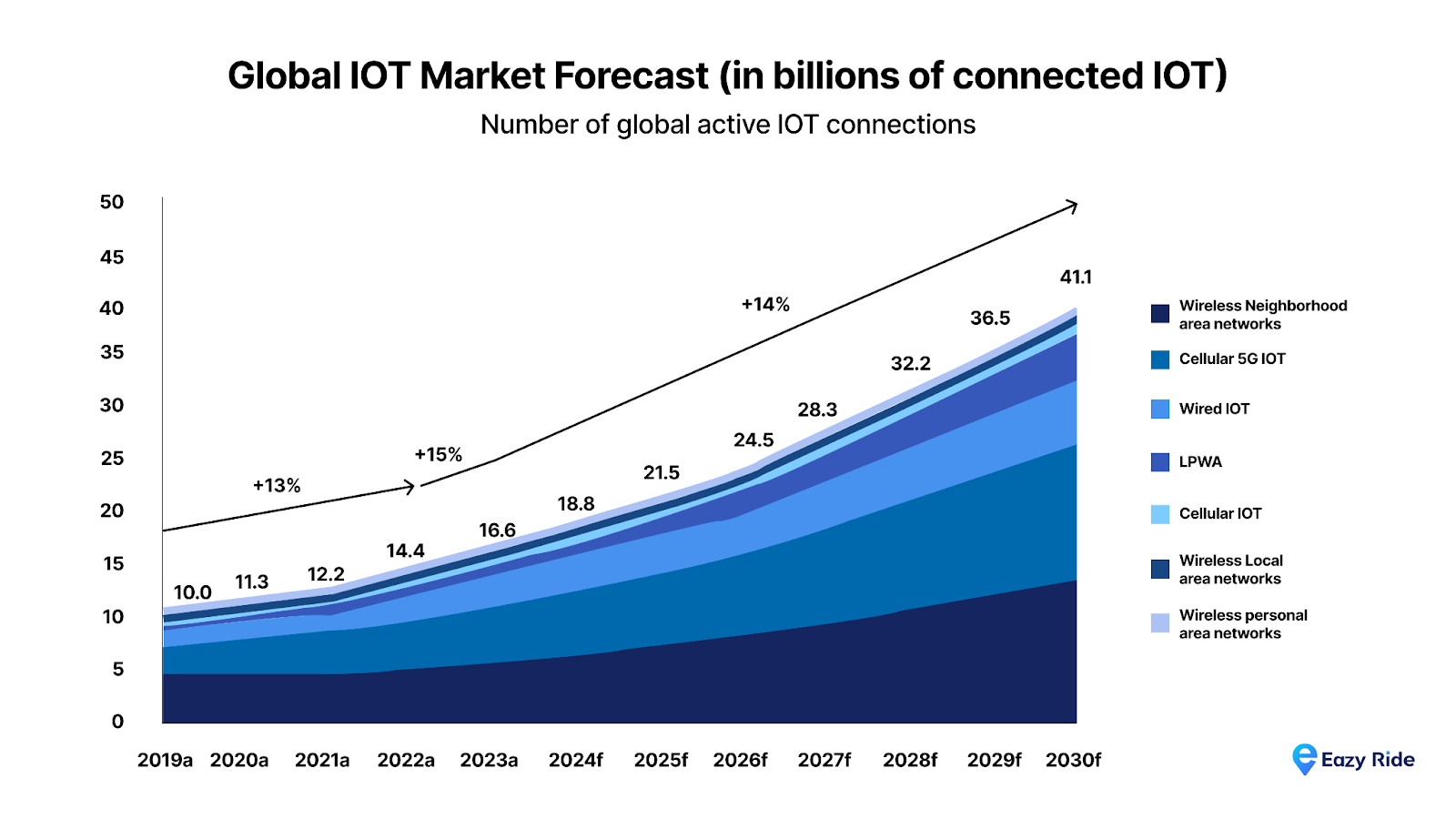
Source: IoTAnalytics
IoT has become essential for mobility businesses, offering the visibility, control, and insights needed to run smarter operations. Here’s how it supports every aspect of your mobility service.
Real-Time Data for Smarter Decision-Making
The IoT fleet management market is expected to reach USD 97.7 billion by 2033. This growth shows how valuable IoT platforms have become for tracking vehicles, checking performance in real time, and planning maintenance before problems happen.
This helps prevent unexpected breakdowns and costly downtime, keeping your operations smooth and responsive.
Operational Efficiency and Cost Savings
IoT fleet management can help cut operating costs by up to 25% through tracking, predictive maintenance, and better fuel use.
This improves both ROI and sustainability. With accurate usage data, it also becomes easier to spot underused assets, avoid redundant trips, and reduce wasteful spending.
Improved Customer Experience
75% of eScooter users prefer app-based rentals because they’re easy and convenient. In a competitive market, offering a smooth customer journey is key, and IoT plays a big role by giving updates like vehicle availability, arrival times, and pricing. These features build trust and keep users coming back.
Scalability for Growing Operations
As your fleet grows or expands into new areas, managing operations manually becomes difficult. IoT platforms support scalability by enabling you to add new vehicles, track operations across regions, and respond to increasing demand without requiring major infrastructure changes.
Regulatory Compliance and Safety
Meeting local mobility regulations can be complex, especially as cities update rules around parking, speed, and service zones. IoT platforms simplify compliance through features like geofencing, automated speed controls, and detailed reporting, helping you stay within legal boundaries and avoid penalties.
Data-Driven Business Insights
Insights and analytics from IoT help reduce fuel costs by 8‑15%, increase vehicle utilization by 20%, and cut downtime by 25%.
Insights into customer behavior, seasonal trends, and vehicle usage allow you to fine-tune pricing, improve service delivery, and plan growth more accurately.
As more businesses turn to IoT to improve operations, the type of platform you choose can make a big difference.
You Might Also Like: The Role of IoT-Based Mobile Apps in Micro-Mobility
Different Types of IoT Enablement Platforms Explained
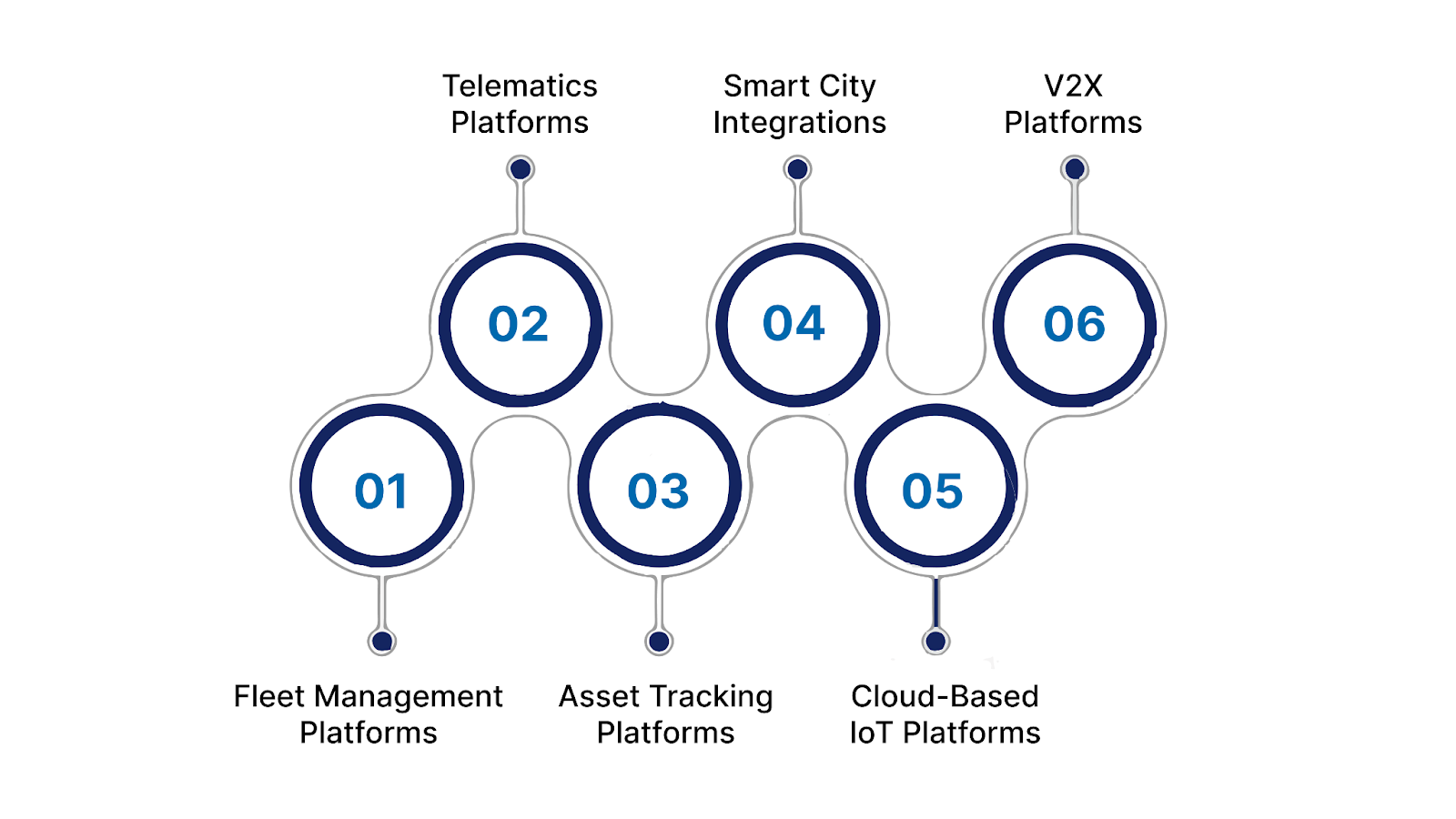
Choosing the right IoT enablement platform is essential for mobility businesses aiming to improve efficiency, scale operations, and deliver a smooth customer experience.
With several types of IoT solutions available, it’s important to find one that aligns with your business model and operational goals. Below are the main types of IoT platforms that can support and strengthen your mobility service.
Fleet Management Platforms
These platforms help businesses like bike-sharing services, delivery fleets, and car rentals track vehicle location, usage patterns, battery levels, and maintenance schedules, all in real time. They also support route optimization, fuel monitoring, and preventive maintenance planning to boost overall operational efficiency.
Key benefits include:
- Vehicle tracking and diagnostics
- Optimized route planning and fleet utilization
- Proactive maintenance scheduling to reduce downtime
Fleet management IoT platforms are ideal for businesses with large, mobile fleets that require constant oversight. For example, a bike-sharing company can monitor when bikes are in use, their locations, and service needs to reduce downtime and improve availability.
Telematics Platforms
These platforms collect sensor data from vehicles to provide deep insights into performance and driver behavior. These platforms help businesses monitor routes, fuel consumption, braking, and speeding, thereby improving safety, compliance, and cost efficiency.
Key benefits include:
- Reduced operational and fuel costs
- Monitoring of driver behavior and vehicle health
- Improved safety and compliance
Telematics platforms are ideal for fleet operators focused on safe driving and cost control. For instance, a delivery company can monitor driver behavior, optimize routes, and reduce fuel costs using traffic and performance data.
Asset Tracking Platforms
These platforms use GPS and sensors to monitor the location and condition of assets like vehicles, containers, batteries, or spare parts. They provide visibility across geographies, sending alerts when assets are moved, damaged, or due for servicing.
Key benefits include:
- Enhanced security and theft prevention
- Better asset allocation and utilization
- Real-time condition monitoring and alerts
Asset tracking IoT platforms are ideal for businesses tracking mobile assets across multiple sites or regions. For example, an e-scooter provider can monitor scooter location and health, ensuring timely charging and maintenance.
Smart City Integration
These platforms integrate mobility services, like ride-sharing, bike-sharing, and EV charging, with urban infrastructure such as traffic systems, parking networks, and public transport. This coordination enables efficient traffic flow, dynamic resource allocation, and improved service availability in dense city environments.
Key benefits include:
- Reduced urban congestion and improved traffic flow
- Smooth integration with public transportation systems
- Smarter resource deployment and demand management
Smart city IoT platforms are ideal for businesses collaborating with municipalities or operating in urban smart city projects. For instance, a city integrates bike-sharing with traffic systems to ensure bikes are routed to high-demand areas during peak hours.
Cloud-Based IoT Platforms
These platforms centralize data from vehicles and devices in the cloud, allowing remote access, processing, and seamless integration with other cloud-based tools. They’re ideal for businesses needing scalability and flexibility across multiple locations or devices.
Key benefits include:
- Scalable data infrastructure with lower upfront costs
- Remote access and centralized dashboards
- Easy integration with other digital systems
Cloud-based IoT platforms are ideal for businesses managing diverse devices across locations and needing scalable infrastructure. For example, a resort uses a cloud-based IoT platform to track shuttle buses, analyze guest usage patterns, and optimize transport operations.
Vehicle-to-Everything (V2X) Platforms
These platforms enable vehicles to communicate with traffic signals, road infrastructure, other vehicles, and even pedestrians. This connectivity supports safer driving, efficient routing, and is foundational for the development of autonomous vehicles.
Key benefits include:
- Improved road safety and reduced collision risk
- Route and traffic signal coordination
- An essential foundation for autonomous fleet operations
V2X platforms are ideal for fleet operators working with autonomous systems or advanced urban mobility solutions. For instance, a delivery fleet uses V2X to adjust speed and routes in sync with traffic signals, improving safety and on-time delivery.
Knowing the different types of IoT platforms sets the stage, but what really brings them to life is the technology behind them.
The Tech That Powers IoT Enablement Platforms
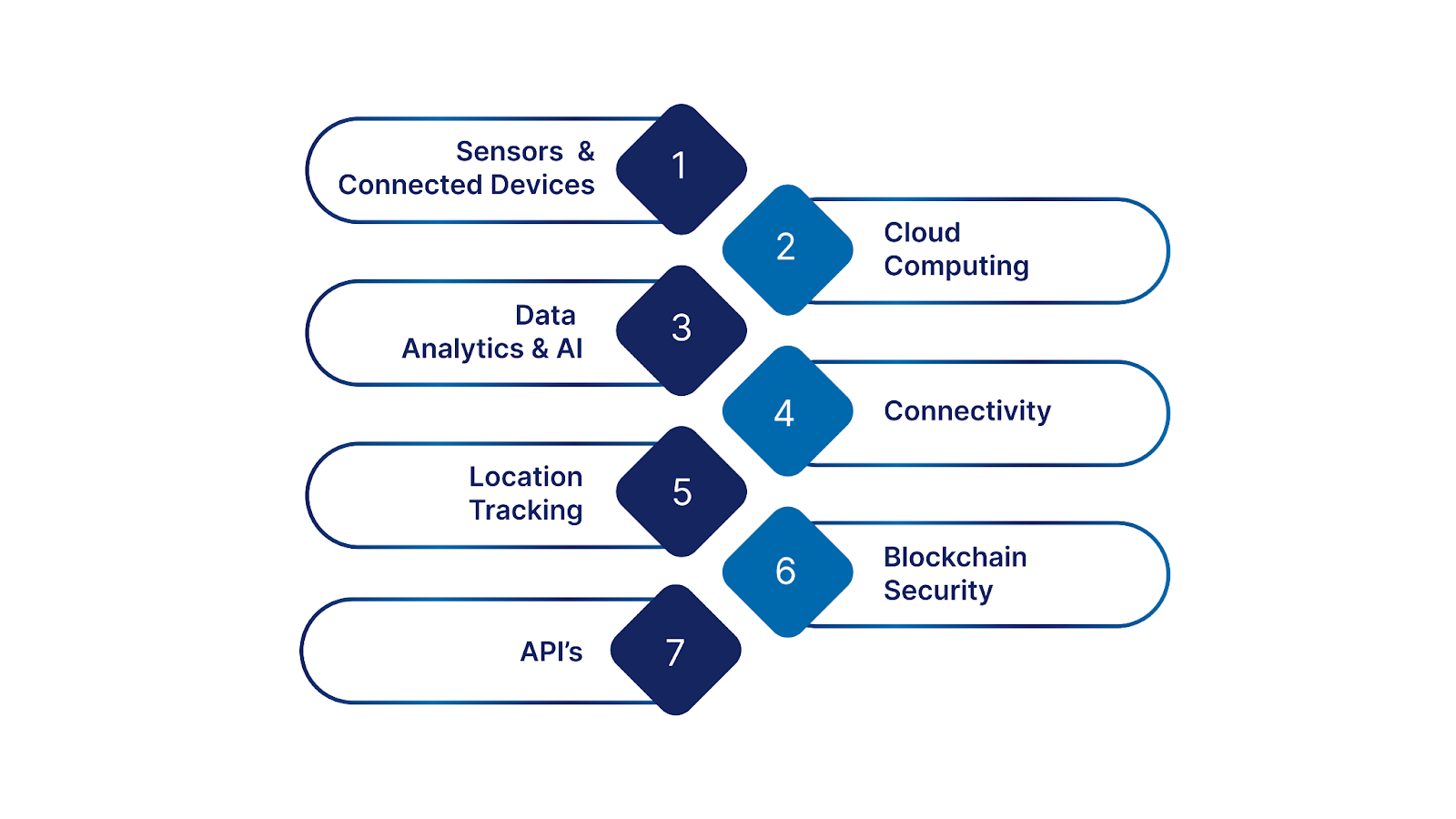
For mobility businesses, the value of an IoT enablement platform goes beyond just collecting data. Its real impact comes from how well it processes that data and turns it into actionable insights.
Behind every effective IoT platform are core technologies working together to support fleet management, enhance customer experiences, and improve operational efficiency.
Here’s a look at the essential technologies that power these platforms and how they contribute to the success of your mobility business.
Sensors and Connected Devices
Sensors and connected devices gather data from vehicles, infrastructure, and equipment. These sensors monitor various aspects, including location, speed, battery status, tire pressure, and rider behavior.
By embedding sensors into each asset, businesses gain visibility into performance and receive alerts when maintenance or action is needed.
Cloud Computing
Cloud computing provides the foundation for managing the massive volume of data generated by IoT devices. It offers a secure, scalable environment where businesses can store, access, and analyze data in real time. With cloud-based systems, fleet operators can manage operations remotely and respond quickly to changing needs.
Data Analytics and AI
Data analytics and AI turn raw data into actionable insights. By applying machine learning, IoT platforms can detect patterns, predict demand, and optimize service delivery. These tools help businesses make proactive decisions and avoid potential issues before they occur.
Connectivity: 5G and Edge Computing
Reliable and fast connectivity is essential for seamless data transfer. Emerging technologies, such as 5G and edge computing, enable faster communication, reduced latency, and support for large numbers of devices operating simultaneously. This ensures consistent performance, especially in dense urban areas.
Geofencing and Location-Based Technologies
Geofencing uses GPS data to define virtual zones and control where vehicles can operate. It helps businesses enforce location rules, stay compliant with city regulations, and deliver better service coverage. When a vehicle enters or leaves a designated zone, automated actions can be triggered.
Blockchain for Security and Data Integrity
Blockchain technology adds an extra layer of security to IoT platforms. By recording data in a decentralized ledger, blockchain ensures that transactions are transparent, tamper-proof, and traceable. This helps prevent fraud and builds trust among users and stakeholders.
Application Programming Interfaces (APIs)
APIs connect IoT platforms with other software systems, creating a unified and flexible ecosystem. They make it easy to integrate payment gateways, CRM tools, fleet management systems, and more into a single operational interface.
Knowing the technology that powers IoT platforms sets the foundation. Now, it’s time to see how you can bring it all together to build one that works for your business.
Also Read: IoT’s Contribution to Environmental Sustainability
How do you develop an IoT enablement platform?
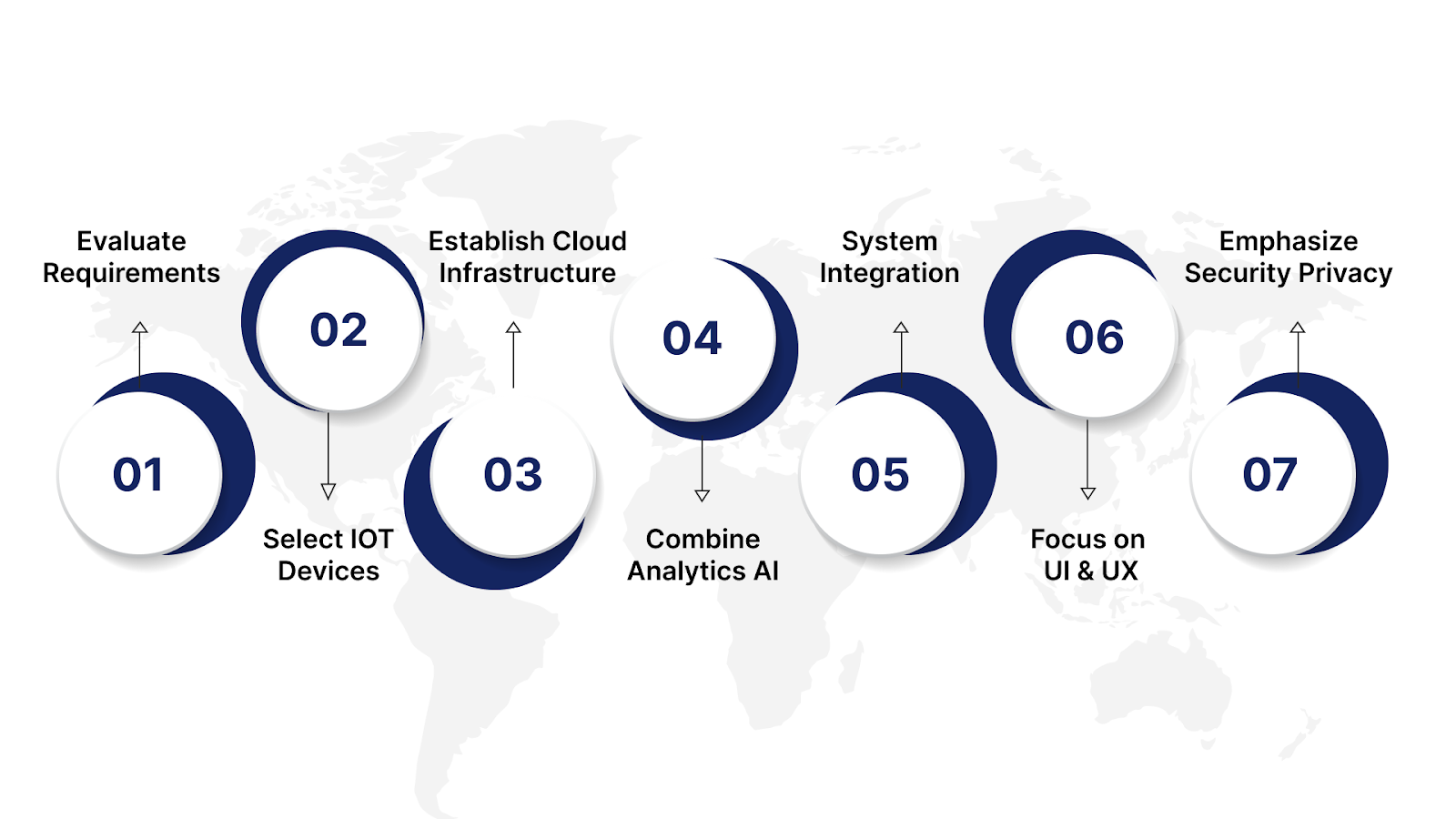
Developing an IoT enablement platform can significantly improve the way you manage your business. But to get the most value, it’s important to approach development with a clear plan and the right strategy.
Below is a step-by-step guide to help you build an IoT platform that aligns with your operational needs, enhances customer experience, and grows with your business.
Assess Your Business Needs
Before diving into development, start with a clear understanding of your operational goals and challenges. This helps you define the features your IoT platform must include to support growth and streamline management.
You need to consider some key questions:
- What type of fleet are you managing (e.g., e-scooters, bikes, EVs)?
- Do you need tracking, predictive maintenance, or route optimization?
- What data is most critical: vehicle health, rider behavior, energy usage?
- Will your platform need to integrate with payment systems, CRMs, or customer service tools?
Choose the Right IoT Sensors and Devices
Your sensors form the foundation of the entire platform. They collect the data that drives decisions, alerts, and optimization. You need to look for:
- Vehicle health: GPS trackers, accelerometers, temperature, and battery sensors.
- Tracking: Location and usage sensors for fleet visibility.
- User interaction: Sensors that capture how users engage with your vehicles (e.g., unlock activity, braking, battery drain).
Choose durable, reliable sensors that can be smoothly integrated into your fleet, whether you’re starting with 50 vehicles or scaling to thousands.
Set Up a Cloud-Based Data Infrastructure
IoT systems generate massive amounts of data. A cloud-based backend gives you the flexibility to store, analyze, and scale this data efficiently. Consider these points:
- Use platforms like AWS, Azure, or Google Cloud for scalable, secure data storage.
- Ensure the platform supports processing to avoid delays in insights.
- Apply strong encryption and adhere to privacy standards, such as the California Consumer Privacy Act (CCPA).
Integrate Analytics and AI Tools
Raw data becomes valuable only when it leads to action. Analytics and AI turn your data into smarter decisions and predictive capabilities.
Some use cases include:
- Predictive maintenance: Flag vehicles before issues occur based on wear patterns.
- Route optimization: Suggest more efficient paths using traffic and demand.
- Behavior insights: Identify trends in rider usage and adjust pricing, availability, or offers accordingly.
Ensure Smooth Integration with Existing Systems
Your IoT platform should work effortlessly with tools you already use, from payment processors to CRM and fleet management systems. Key integrations include:
- Payment gateways: Enable fast, secure transactions.
- CRM platforms: Sync rider data for personalized engagement.
- Fleet management tools: Track and optimize vehicle usage in one place.
Use open APIs to ensure smooth communication across systems. The easier the integration, the faster your team can adapt.
Focus on UI and UX
The best backend means little if the interface is clunky. Build a smooth, intuitive experience for both fleet operators and customers. The operator dashboard includes:
- Live data on fleet health, location, and alerts.
- Easy-to-read insights and customizable reports.
Customer-facing app includes:
- Clear vehicle availability and booking.
- Integrated payment, navigation, and ride history.
Prioritize Security and Data Privacy
Security isn’t optional; it’s foundational. Your platform will handle everything from GPS coordinates to payment info, so protecting that data is essential.
Best practices include:
- Encryption: Secure data in transit and at rest.
- Authentication: Use multi-factor authentication to prevent unauthorized access.
- Audits and updates: Regularly test and strengthen your security infrastructure.
Once you’ve built a platform that fits your business needs, it’s helpful to understand where IoT in mobility is headed and how it might shape your future operations.
You Might Also Like: Understanding IoT Telematics for Smart Fleet Operations
What’s Next for IoT Enablement Platform in Mobility Businesses?
As the mobility industry rapidly evolves, IoT enablement platforms are becoming the backbone of high-performing shared mobility operations. For entrepreneurs and fleet operators, these platforms offer unprecedented control over data, automation, and customer experience.
Looking ahead, IoT will unfold even greater potential, powering smarter fleets, predictive services, and smooth user journeys. So, what lies ahead for IoT in the mobility space?
Let’s explore the emerging trends that are shaping the next wave of innovation.
Smarter Mobility with Autonomous Vehicles and IoT
The global autonomous vehicles (AV) market is projected to reach USD 428.3 billion this year. As AVs grow, their integration with IoT is transforming fleet management, making it smarter, safer, and more efficient through data and automation.
Businesses can now track vehicle location, health, and performance. This reduces labor costs and maximizes uptime through predictive maintenance and intelligent routing.
Smart Cities, Smarter Operations
IoT allows mobility providers to connect directly with urban infrastructure, like traffic signals, transit systems, and parking networks. This enables dynamic route adjustments, congestion avoidance, and more responsive service delivery powered by live city data.
Unfolding Real-Time Mobility with 5G
IoT in transportation is changing the way cities run, and by 2025, over 70% of mobile networks will support 5G IoT. The speed and low delay of 5G make IoT platforms even more powerful, allowing vehicles and systems to share data instantly and communicate faster than ever.
From rider updates to adaptive rerouting, 5G supports more agile, efficient, and customer-friendly mobility experiences.
AI + IoT = Predictive Power
AI takes IoT systems beyond just monitoring. It helps predict issues before they happen. In fact, Gartner predicts that AI-driven predictive maintenance will reduce maintenance costs by 10–20% this year.
AI helps mobility businesses run smarter, more efficient operations while delivering tailored services.
Blockchain for Secure, Transparent Operations
Mobility operators manage sensitive data daily from rides and payments to maintenance logs. Integrating blockchain with IoT ensures data is secure, traceable, and tamper-proof. This strengthens trust, ensuring compliance, and enhances operational transparency.
Enabling Sustainable Fleets
Over 45% of new fleet purchases in urban areas are EVs, reflecting the strong shift toward sustainable mobility.
IoT supports the transition to greener fleets by tracking emissions, managing EV charging, and optimizing energy usage. This helps businesses meet environmental goals, align with ESG mandates, and support smart city sustainability initiatives.
Hyper-Personalization with Data
The global AIoT (Artificial Intelligence of Things) market is expected to reach USD 168.8 billion by 2033, showing how fast this technology is growing.
By using IoT data to understand rider behavior and preferences, businesses can offer dynamic pricing, smart route suggestions, and personalized offers. This leads to happier riders, stronger loyalty, and more frequent usage.
Ready to Unfold the Power of IoT in Your Mobility Operations?
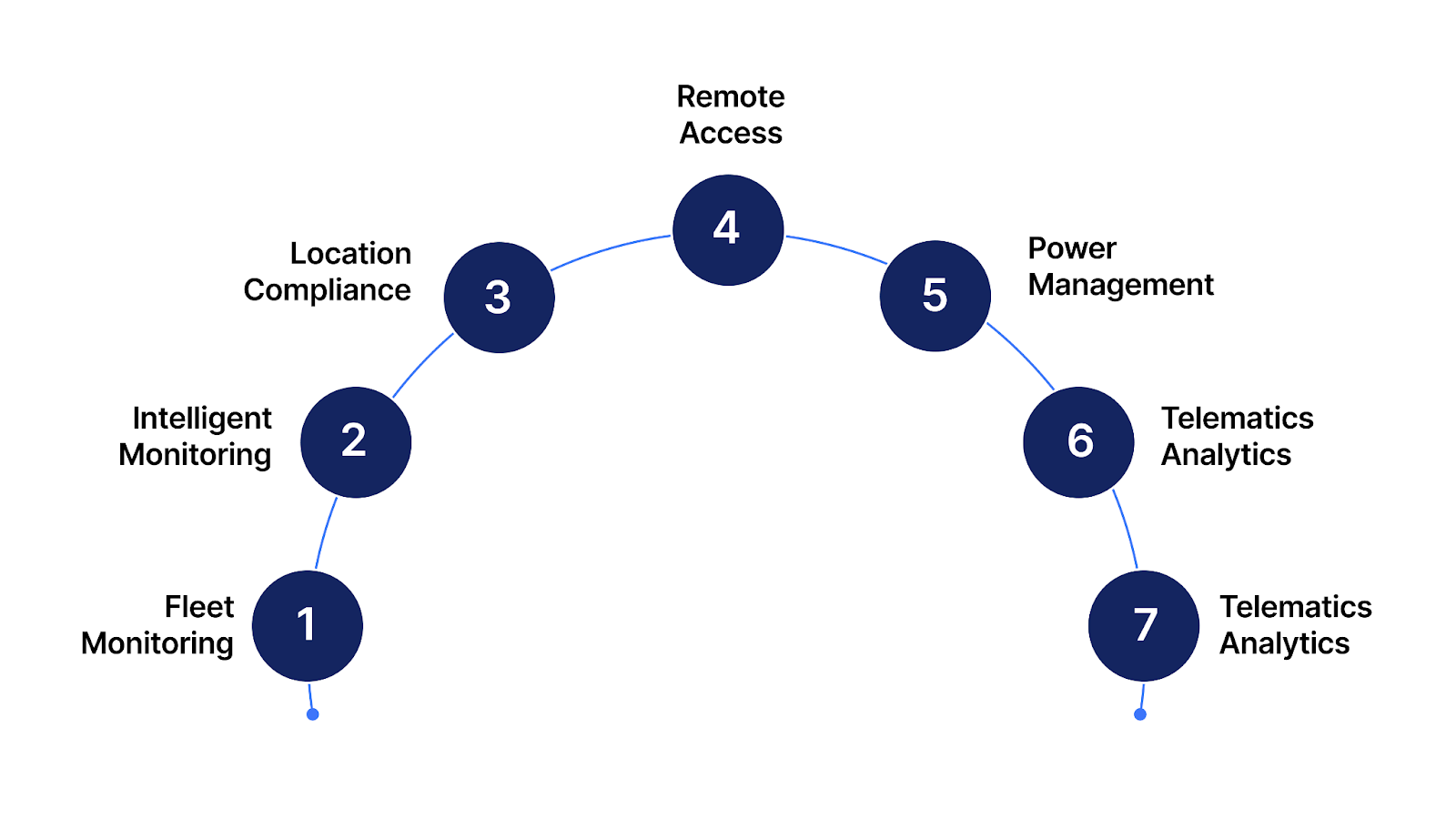
EazyRide brings precision, automation, and control to your fleet through its IoT-enabled platform. It’s designed for modern mobility providers looking to boost visibility, reduce downtime, and run more efficient operations.
Here’s how IoT enablement can transform your mobility business with EazyRide:
- Fleet Monitoring: Track vehicle locations, battery levels, and usage patterns with precision. Reduce idle time, prevent theft, and avoid unauthorized use.
- Smarter Maintenance and Alerts: Use diagnostics and sensor-based alerts to enable predictive maintenance. Automate service scheduling and minimize unplanned downtime.
- Geofencing and Zone Compliance: Set up virtual zones using IoT-driven geofencing. Automate speed limits, parking rules, and dynamic pricing based on location.
- Remote Locking and Access Control: Control access remotely. Lock and unlock vehicles, verify users, and authorize rides directly through your platform, no manual steps required.
- Energy and Battery Management: Monitor battery health across your fleet. Optimize charging cycles and plan operations based on energy usage and availability.
- Integrated Telematics and Analytics: Turn IoT data into actionable insights. Use dashboards to review trip histories, fleet performance, utilization rates, and rider behavior.
- A Future-Ready IoT Ecosystem: Whether you’re starting small or scaling up, EazyRide supports flexible IoT integrations that fit your hardware, goals, and business model.
EazyRide helps you build a connected, data-driven mobility service that’s efficient, reliable, and ready for what’s next.
Conclusion
As a fleet operator or entrepreneur, you’ve likely seen how fast the mobility industry is changing. In this space, IoT enablement platforms aren’t just a nice-to-have; they’re key to staying ahead. Data, predictive analytics, and simplified operations are now essential tools for growing and staying competitive.
The future of urban mobility is connected. IoT sits at the center of this shift, helping you make smarter decisions.
That’s where EazyRide comes in. EazyRide offers a flexible, ready-to-deploy IoT platform designed to fit right into your existing systems. Whether it’s fleet tracking, predictive maintenance, or geofencing, EazyRide gives you the visibility and control you need to run more efficiently and deliver a better customer experience.
Book a demo today and learn more about our solutions.
FAQs
Q1. How does IoT enablement benefit businesses?
A1. IoT enablement helps businesses run more efficiently by providing visibility into operations and assets. It supports better decision-making through data insights, while also making room for automation, predictive maintenance, and more personalized customer experiences.
Q2. Can IoT enablement reduce operational costs?
A2. Yes, IoT enablement reduces operational costs. With monitoring, remote diagnostics, and predictive maintenance, businesses can cut down on downtime and reduce manual effort. This helps save costs and makes better use of resources.
Q3. How do analytics enhance the value of IoT enablement?
A3. Analytics turn IoT data into meaningful insights. By spotting trends, improving performance, and predicting future demand, businesses can move beyond just connecting devices to making smarter, more strategic decisions.
Q4. What is the role of edge computing in IoT enablement?
A4. Edge computing brings data processing closer to the source. This reduces delays and lowers bandwidth needs. When combined with IoT enablement, it helps businesses respond faster, especially in critical or time-sensitive environments.


