
 AllMicro Mobility Model

 6 August, 2026
 The Real Benefits of Micro Mobility: Practical Advantages, Case Studies.
Watch a line of cars idling through a downtown intersection and the case for micro mobility makes itself. A single e-bike does that same short trip in a fraction of the space, at a fraction of the cost, with none of the tailpipe. The global micro-mobility market is on track to reach $75.85 billion by 2025, and the reason is simple: for trips under two miles, small electric vehicles just work better than cars.
This guide breaks down what micro mobility actually is, the real benefits it delivers for cities and operators, where it struggles, and one place most articles ignore: rural areas. If you run a fleet or plan to launch one, you’ll leave knowing where micro mobility pays off and where it doesn’t.
Key Takeaways:
- Micro mobility eases traffic and last-mile gaps.
- Fleets cost far less than shuttles or parking.
- Shared fleets can go live in about 14 days.
- Shared bikes widen access in underserved areas.
- Geofencing can cut parking violations by 40%.
What Is Micro Mobility?
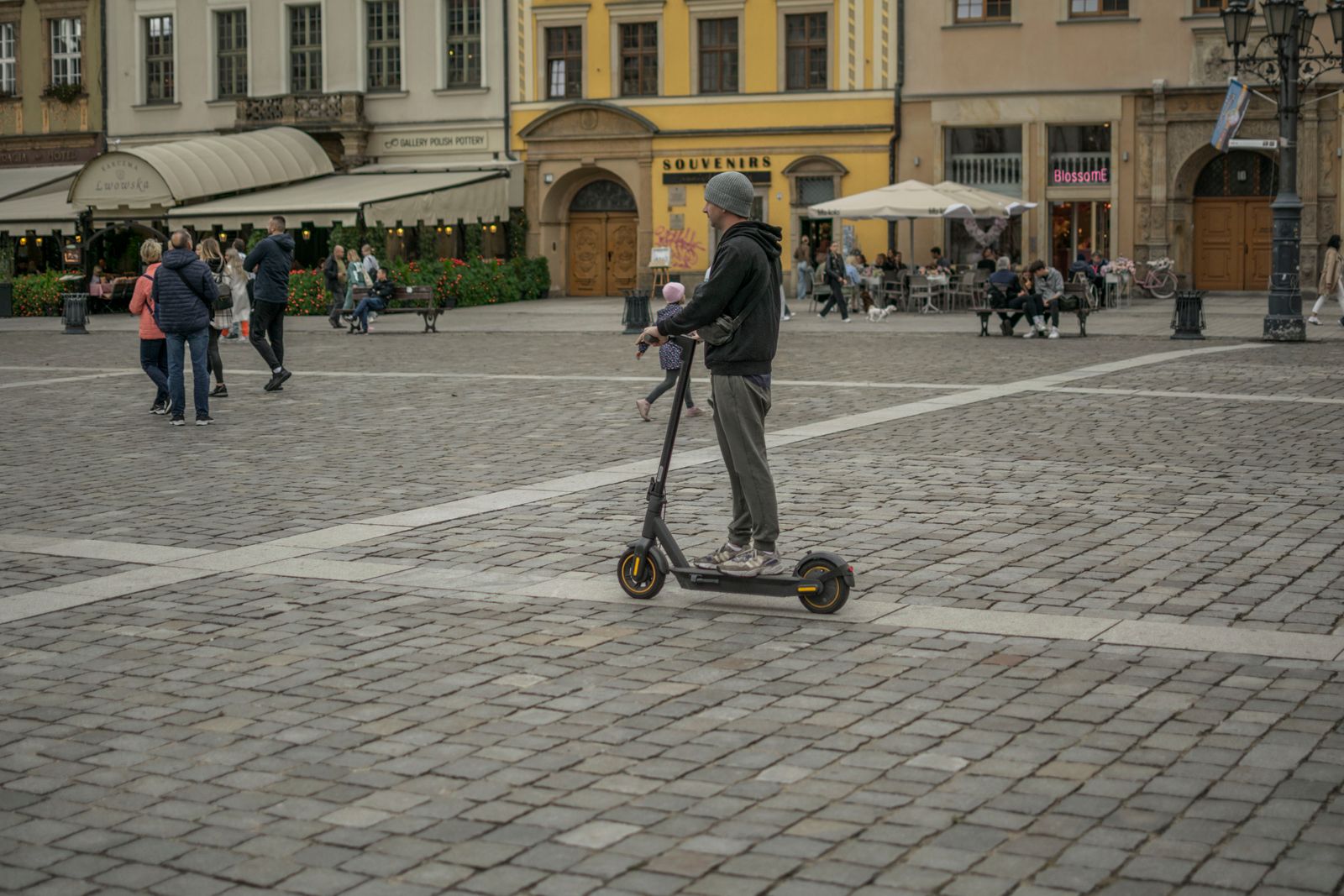
Micro mobility means small, lightweight vehicles built for short, low-speed trips, usually made by one person at a time. Think bicycles, e-bikes, electric scooters, and electric skateboards. They’re compact, easy to steer through crowded streets, and cheap to run compared with anything on four wheels.
Which Vehicles Does Micro Mobility Include?
The category is broader than most people assume. It covers pedal bikes, pedal-assist e-bikes, standing e-scooters, seated scooters, e-mopeds, and even electric skateboards. What ties them together is weight and speed, not the shape: they’re light vehicles capped at low speeds, designed for trips a car would overserve.
There are two ways people get on them:
- Personal micro mobility: a vehicle you own, like your own e-bike, used for commutes and errands.
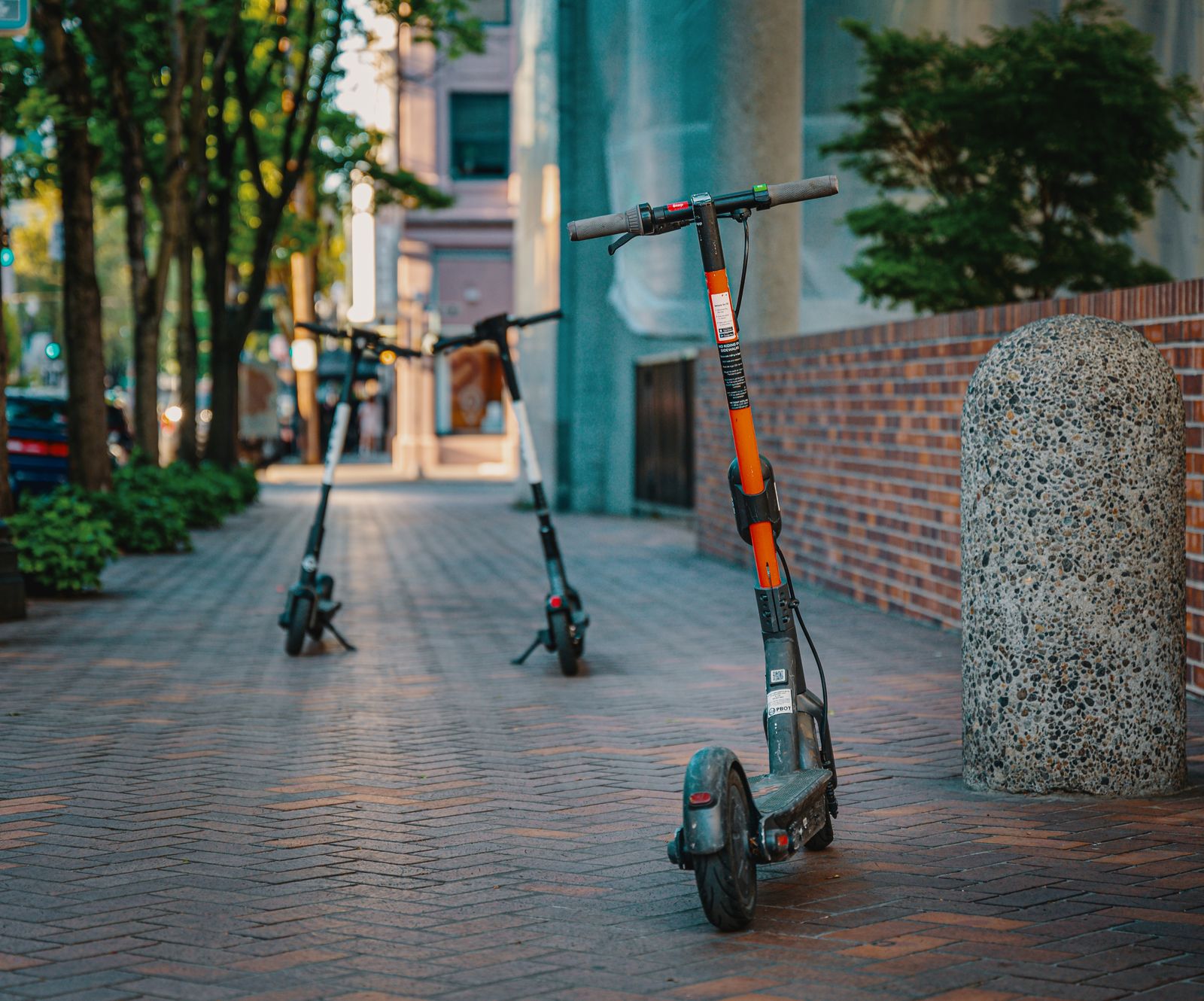
- Shared micro mobility: fleets of bikes, scooters, or mopeds rented by the minute through an app. You’ll see these in city centers, business districts, campuses, and tourist areas, where lots of people need short rides without owning anything.
How Micro Mobility Works
A shared system runs on three moving parts. The vehicle carries a smart lock and a GPS-and-cellular module, so the operator always knows where it is and whether it’s in service. The rider app handles sign-up, unlocking, payment, and trip tracking. And a back-end dashboard lets the operator set pricing, draw riding and parking zones, and watch the fleet in real time.
The zones are where a lot of the value hides. Geofencing lets an operator mark no-ride areas, slow zones, and approved parking spots on a map. Cross the line and the vehicle slows or won’t end the trip. Done well, it’s the difference between a tidy program a city renews and a pile of scooters that gets a fleet banned.
The Real Benefits of Micro Mobility
Introduce shared vehicles into a city, campus, or business park and the payoff shows up in more than one column. Here’s what actually changes.
1. Faster Short Trips and Less Congestion
Most car trips are short. Every one of those swapped for a bike or scooter is one less car in the lane and one less parking space needed. Riders skip the gridlock, and the street gets a little quieter for everyone left in it. This is the clearest benefit of micro mobility, and the easiest for a city to measure.
2. Lower Costs for Operators and Riders
A fleet of e-bikes is far cheaper to stand up than a shuttle service or a new parking structure. There’s no driver payroll, no fuel, and maintenance is measured in brake pads, not engines. Riders win too: pay-per-minute pricing beats car ownership or a rideshare fare for a two-mile hop.
3. Cleaner Air and Lower Emissions
These vehicles are electric or human-powered, so a trip produces little or no tailpipe emissions. Replace enough car trips and the air-quality math adds up fast, which is why cities fold micro mobility into climate and sustainability plans.
4. Better Access and Social Equity
Micro mobility fills gaps that buses and trains miss. Pilot programs in cities like Chicago and Fort Smith, Arkansas have used shared fleets and careful station placement to reach lower-income neighborhoods, connecting people to jobs, school, and services without a car payment.
5. Stronger Last-Mile Transit Links
The gap between a transit station and someone’s front door kills a lot of transit trips. Research on the Bay Area’s BART system found that bikes and scooters widen the useful radius around stations, so a train stop serves a bigger neighborhood. Micro mobility makes the transit you already paid for work harder.
How Micro Mobility Can Help in Rural Areas
Almost every article on this topic assumes a dense city. Rural programs are the overlooked opportunity, and the case is different but real.
In a small town, the enemy isn’t congestion, it’s distance and thin bus service. A resident without a car can be stranded a mile from the grocery store or the one bus route that runs hourly. A small e-bike fleet parked at the transit stop, the clinic, and the town center closes those gaps for a tiny fraction of what a new bus line costs. E-bikes matter more than scooters here, since the trips are longer and the roads less forgiving.
The operational trick is charging. Rural fleets can run on swappable batteries and solar-assisted charging racks, so a program doesn’t depend on dense grid infrastructure. From what we’ve seen working with operator clients, the winning rural model is small and fixed-station, not the free-floating swarm that suits a downtown. Fewer vehicles, anchored to the places people actually need to reach.
The Challenges Operators Face (and How to Solve Them)
The benefits are real, but running a shared fleet is harder than the brochures admit. Four problems trip up most operators, and each has a concrete fix.
| Challenge | Impact | The fix |
|---|---|---|
| City compliance and parking | Fines, restricted zones, threat of being banned | Geofenced ride, slow, and parking zones enforced automatically |
| Fleet uptime and rebalancing | Idle vehicles, uneven supply, higher costs | Real-time tracking and maintenance alerts from the dashboard |
| Scaling and new markets | Rigid tools that can’t adapt to a new city or vehicle type | One platform that runs scooters, e-bikes, and mopeds together |
| Payments across regions | Failed transactions, lost riders, dev overhead | Built-in gateways for US, UK, EU, and Middle East processors |
This is where the platform underneath the fleet earns its keep. EazyRide gives operators a white-label app and admin dashboard where zone changes push to every vehicle in real time with no firmware update, works with 10+ IoT hardware brands out of the box, and manages e-scooters, e-bikes, and mopeds in one account. Operators using its geofencing report up to 40% fewer parking violations than manual enforcement, and a typical deployment goes live in about 14 days from signing.
The Future of Micro Mobility
Three shifts are shaping what comes next. Swappable batteries and IoT tracking are making fleets cheaper to keep running. Mobility-as-a-service apps are stitching scooters and bikes into the same trip as buses and trains, so a rider plans and pays once. And cities are redrawing streets, adding protected lanes and parking corrals that treat light vehicles as real transportation, not clutter. Operators who plan for all three now will spend less fighting their own infrastructure later.
Frequently Asked Questions
1. What exactly does micro mobility mean?
Micro mobility means small, low-speed vehicles for short trips, like e-bikes, e-scooters, and bikes. Riders use them for last-mile travel, usually under two miles.
2. How does micro mobility reduce traffic congestion?
It replaces short car trips with compact vehicles, so fewer cars crowd the road. Less congestion means shorter travel times and cleaner air in cities.
3. Is micro mobility cost-effective for operators?
Yes. Running e-bikes or scooters costs far less than shuttle buses or new parking. Flexible pricing also keeps rides affordable for everyday users.
4. Can micro mobility work in rural areas?
Yes. It connects rural riders to transit stops, shops, and jobs where bus routes are thin. Small fixed-station fleets and solar charging keep costs low.
5. How fast can an operator launch a fleet?
With EazyRide, a white-label fleet can go live in about 14 days from signing. The rider app, dashboard, and geofencing come preconfigured.
The Bottom Line
Micro mobility isn’t a novelty. For the huge share of trips that are too far to walk and too short to justify a car, it’s simply the better tool: faster through traffic, cheaper to run, cleaner, and able to reach places transit forgets, cities and small towns alike. The operators who win aren’t the ones with the most scooters. They’re the ones who match the fleet to the place and the platform to the fleet.
Scoping a launch or rethinking the one you’ve got? A 30-minute fleet review will tell you more than a week of vendor calls. Book a free EazyRide demo.
Sources
- The Business Research Company — Micro-Mobility Global Market Report
- PedBikeInfo — Micromobility examples: Chicago and Fort Smith
- eScholarship (UC) — BART first- and last-mile micromobility research


