
 AllAnalytics and research

 4 July, 2025
 Essential Fleet Management Checklist
Managing a fleet involves navigating moving parts, unpredictable delays, and rising costs. But here’s the real question: Are you effectively tracking and optimizing every aspect of your fleet?
Many fleet managers still rely on reactive approaches, leading to issues like unexpected breakdowns and inflated fuel bills, despite 64 percent adopting GPS tracking solutions; however, many operate without real-time insights.
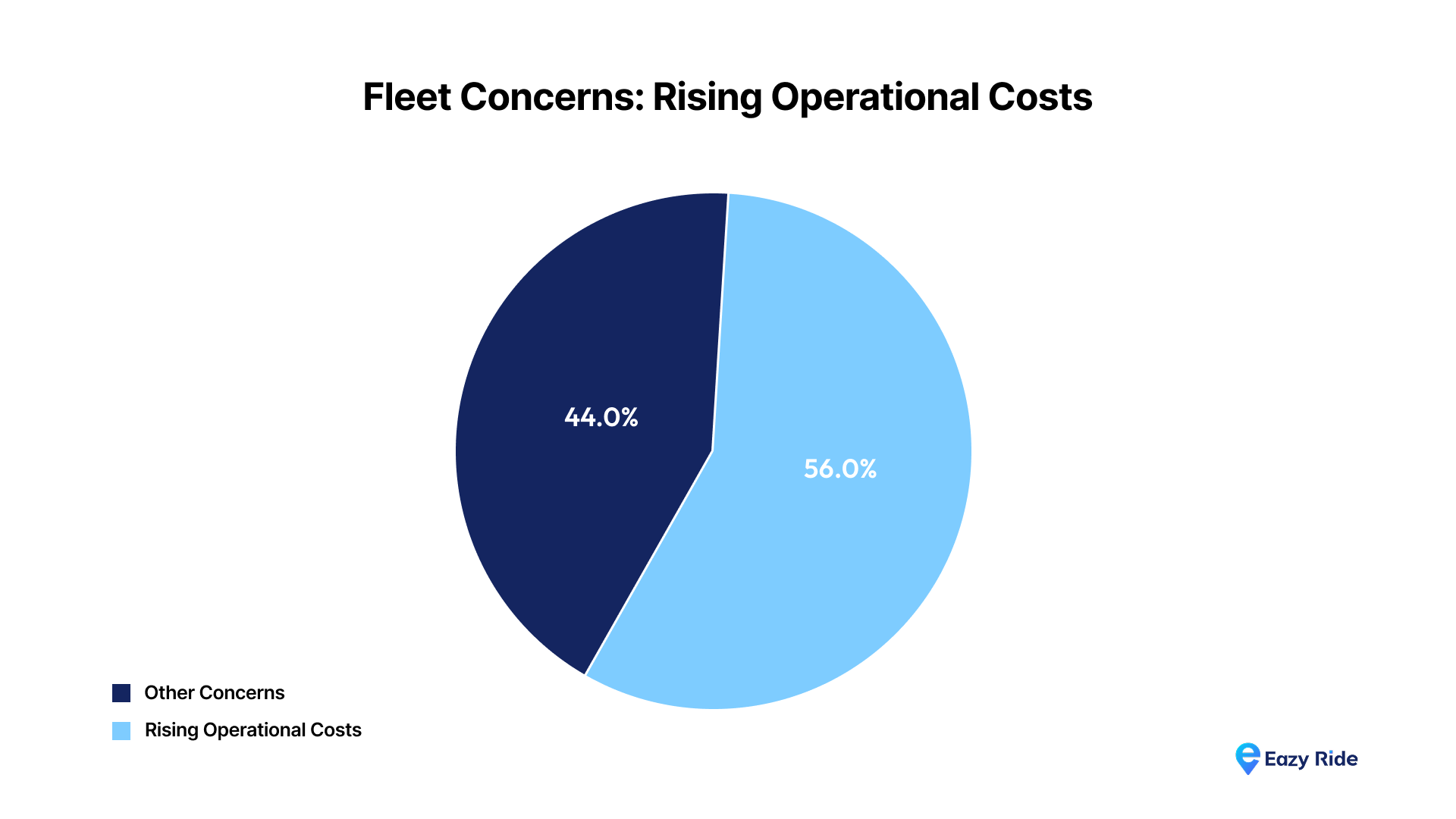
Moreover, 44 percent of fleets report rising operational costs, primarily fuel and maintenance, as among their biggest concerns.
These challenges often stem from a lack of clear processes and structured planning.
This is where a complete fleet management checklist becomes essential. It helps you stay ahead with regular vehicle maintenance, track fuel usage effectively, leverage real-time location data, ensure driver safety and training, meet regulatory requirements, and manage costs with greater accuracy.
Let’s explore the checklist that can transform your fleet into a smarter and more profitable operation.
Key Takeaways:
- Efficient fleet management requires constant maintenance, real-time tracking, and optimized fuel use.
- Key components include vehicle selection, driver management, maintenance, fuel tracking, and compliance.
- Tech tools like fleet management software and telematics streamline operations and enhance safety.
- Regular inspections and driver training help ensure safety and reduce risks.
- Structured checklists for daily, weekly, and monthly tasks improve fleet performance.
What is Fleet Management?
Fleet management refers to the process of overseeing a group of vehicles to ensure their efficient, safe, and cost-effective operation. This system is vital whether you’re managing a few electric scooters or a large fleet of e-bikes, EVs, or golf carts.
Key responsibilities include:
- Vehicle maintenance and lifecycle tracking: Ensuring all vehicles remain in good condition through scheduled checkups and predictive servicing.
- Driver or rider management: Assigning access, setting usage limits, and monitoring rider behavior, especially relevant for shared mobility models.
- Real-time tracking and telematics: Monitoring location, usage patterns, and performance through GPS and IoT integrations.
- Fuel or battery monitoring: Keeping track of energy usage and charging schedules, particularly for electric fleets.
- Regulatory and insurance compliance: Staying updated with local transport laws, safety regulations, and maintaining the right documentation.
Where the Fleet Management Checklist Comes In
This is where a fleet management checklist becomes an indispensable tool. It helps you organize, automate, and ensure nothing falls through the cracks—no matter the size or type of fleet.
Checklist benefits with practical examples:
- Streamlines onboarding: When adding new electric scooters to your micro-mobility venture, the checklist ensures each vehicle is inspected, registered in the system, and assigned to service staff before deployment.
- Keeps timely maintenance: Like scheduling battery health checks every 500 kilometers for e-bikes and preventing sudden breakdowns during peak tourist season
- Improves safety: For resorts offering golf carts, the checklist includes daily brake and tire inspections, reducing the risk of accidents on the property.
- Supports growth: As your campus fleet grows, standardized vehicle inspection and usage reporting streamline the management of 50+ vehicles across multiple locations.
- Simplifies audits and reporting: For tourism operators, the checklist ensures accurate records of vehicle rentals, insurance status, and maintenance logs, facilitating smooth compliance during regulatory inspections.
This checklist offers a practical system to manage daily tasks through long-term planning, and next, we will explore its key components to optimize your operations effectively.
Key Components of the Fleet Management Checklist
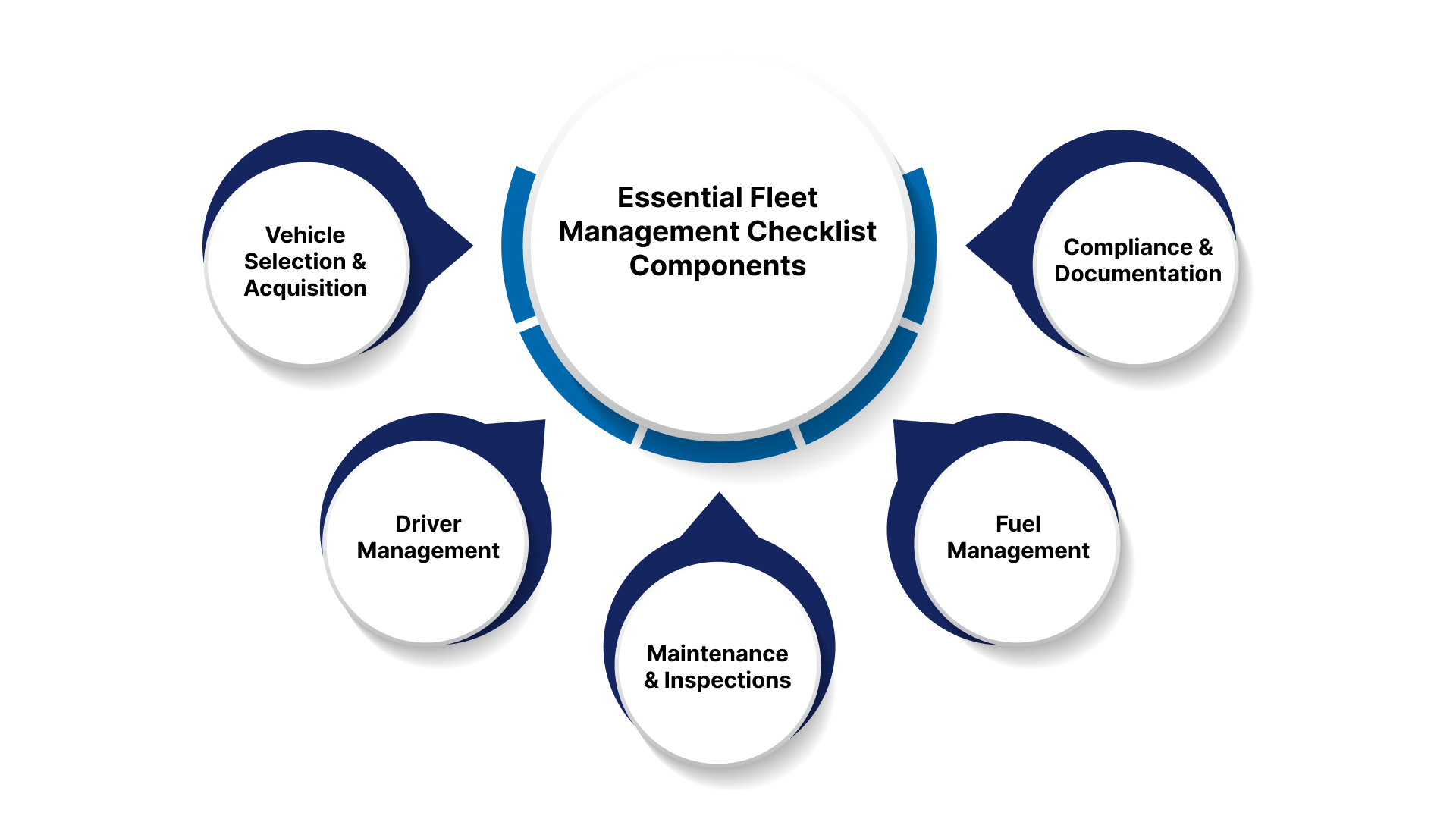
A well-structured fleet management checklist is vital for ensuring vehicle operations’ efficiency, safety, and compliance; here is an overview of its key components:
1. Vehicle Selection and Acquisition
Selecting the right vehicles is crucial for aligning with your business objectives and operational needs. Factors to consider include:
- Type and Purpose: Choose vehicles that match the specific tasks they will perform, whether it’s delivery, passenger transport, or utility services.
- Cost Considerations: Evaluate the total cost of ownership, including purchase price, insurance, fuel, and maintenance expenses.
- Fuel Efficiency and Emissions: Opt for vehicles that offer better fuel economy and lower emissions to reduce operational costs and environmental impact.
- Durability and Reliability: Select models known for their longevity and minimal downtime to ensure consistent service delivery.
- Maintenance Requirements: Consider the availability of parts and service centers to facilitate timely repairs and maintenance.
Also Read: When to Replace Fleet Vehicles
2. Driver Management
Effective driver management ensures safety and efficiency on the road. Key practices include:
- Recruitment and Training: Hire qualified drivers and provide regular training on safety protocols, customer service, and vehicle operation.
- Monitoring Driver Behavior: Utilize telematics to track behaviors such as speeding, harsh braking, and route adherence, promoting safer driving habits.
- Performance Evaluation: Regularly assess driver performance and provide feedback to encourage continuous improvement.
- Compliance with Regulations: Ensure drivers are aware of and comply with local traffic laws and company policies.
3. Maintenance and Inspections
Regular maintenance is essential to prolong vehicle life and prevent unexpected breakdowns. Consider the following:
- Preventive Maintenance Schedule: Establish a routine for oil changes, tire rotations, brake inspections, and fluid checks.
- Detailed Record Keeping: Maintain comprehensive logs of all maintenance activities to track vehicle health and identify recurring issues.
- Inspection Protocols: Implement daily, weekly, and monthly inspection checklists to ensure all vehicle components are functioning properly.
- Use of Technology: Leverage fleet management software to schedule and track maintenance tasks, reducing the risk of missed services.
4. Fuel Management
Fuel costs are a significant portion of fleet expenses. Effective management strategies include:
- Monitoring Fuel Consumption: Use telematics to track fuel usage and identify patterns that may indicate inefficiencies.
- Implementing Fuel-Efficient Practices: Encourage drivers to minimize idling, maintain steady speeds, and plan efficient routes.
- Regular Fuel Audits: Conduct periodic audits to detect discrepancies and prevent fuel theft or misuse.
- Alternative Fuel Options: Explore the feasibility of integrating electric or hybrid vehicles to reduce fuel dependency and lower emissions.
5. Compliance and Documentation
Adherence to legal and regulatory requirements is non-negotiable. Ensure:
- Licensing and Permits: All vehicles have up-to-date registrations, insurance, and necessary permits.
- Driver Certifications: Drivers possess valid licenses and any required endorsements.
- Accident and Incident Reporting: Establish clear procedures for reporting and documenting accidents or violations.
- Audit Trails: Maintain organized records for inspections, maintenance, and compliance checks to facilitate audits and inspections.
Incorporating these detailed components into your fleet management checklist can enhance operational efficiency, reduce costs, and ensure a safe and compliant fleet.
Regularly reviewing and updating the checklist will help adapt to changing regulations and technological advancements, keeping your fleet at peak performance.
Technology in Fleet Management Checklist
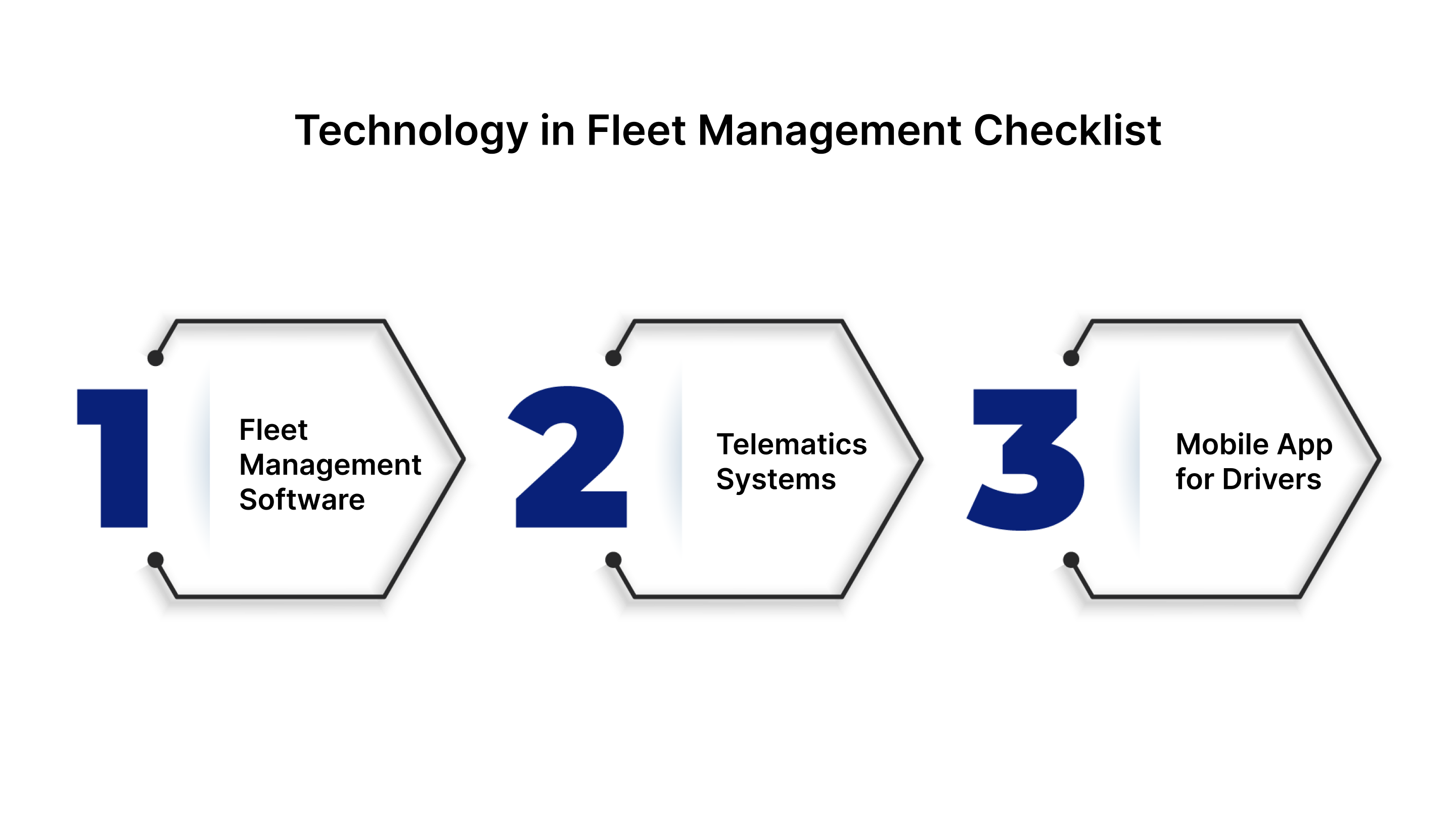
Modern fleet management goes far beyond traditional spreadsheets and manual tracking. Integrating advanced technology into your fleet management checklist is essential for enhancing efficiency, safety, and reducing costs.
Here’s how key technological tools should be included as part of your daily, weekly, and monthly management routines.
1. Fleet Management Software
Using fleet management software is a must-have component of your checklist. This software centralizes control over vehicle tracking, maintenance, compliance, and driver management—helping you automate routine tasks and gain real-time visibility.
Checklist actions involving fleet management software:
- Set up real-time GPS tracking to monitor vehicle locations and optimize routes daily. Platforms like EazyRide offer intuitive tracking and fleet control features designed especially for micro-mobility ventures.
- Automate maintenance scheduling and track service history for each vehicle to prevent breakdowns.
- Use performance analytics weekly to review driver behavior, fuel consumption, and identify cost-saving opportunities.
- Monitor compliance metrics such as driver hours and vehicle inspections to stay audit-ready.
2. Telematics Systems
Telematics systems collect detailed vehicle and driver data, enabling proactive fleet management by monitoring vehicle health and promoting driver safety through data-driven insights.
Checklist points for telematics integration:
- Review vehicle diagnostics reports regularly, tracking engine health, tire pressure, and battery status to avoid costly repairs.
- Monitor driver behavior metrics such as speed, harsh braking, and idle times to promote safer driving habits.
- Analyze fuel consumption data monthly to detect inefficiencies and implement fuel-saving practices.
- Set up geofencing to ensure vehicles stay within allowed zones, which can be managed through platforms like EazyRide to comply with local regulations.
3. Mobile Applications for Drivers
Empowering drivers with mobile apps is a critical step in modern fleet management. Your checklist should include steps to implement and maintain driver apps that facilitate communication, inspections, and compliance.
Driver app checklist tasks:
- Ensure drivers complete digital pre- and post-trip inspections, logging any issues immediately to prevent downtime.
- Provide apps with real-time route optimization and traffic updates to reduce travel time and fuel costs.
- Use app features to track Hours of Service (HOS) compliance, helping drivers stay within legal limits.
- Facilitate seamless communication between drivers and fleet managers for timely updates and support.
EazyRide stands out by offering a fully customizable white-label rider app, an admin dashboard, and a fleet operator app all integrated into a single platform that supports real-time fleet monitoring, geofencing, and flexible business models, including docked, dockless, and hybrid systems.

Fleet Management Checklist: Essential Daily, Weekly, and Monthly Tasks

Implementing a structured maintenance routine is crucial for ensuring your fleet’s safety, efficiency, and longevity. A well-organized checklist helps identify potential issues early, reduce downtime, and optimize operational costs.
Below is a comprehensive guide to daily, weekly, and monthly fleet management tasks.
1. Daily Checklist
Conduct quick inspections to identify immediate issues and ensure vehicles are roadworthy.
- Visual Inspection: Perform a 360-degree walk-around to check for visible damages, fluid leaks, or debris.
- Fluid Levels: Verify engine oil, coolant, brake fluid, and windshield washer levels.
- Tire Pressure: Ensure tires are inflated to manufacturer specifications; check for signs of wear or damage.
- Lights and Signals: Test headlights, brake lights, turn signals, and hazard lights for proper functionality.
- Windshield and Wipers: Inspect for cracks or chips; ensure wipers function and adequate washer fluid.
- Mileage Recording: Log daily mileage for tracking and scheduling maintenance.
- Driver Assignment: Review and confirm daily route plans and driver assignments.
2. Weekly Checklist
Perform in-depth inspections to identify developing issues before they become critical.
- Battery Condition: Check for corrosion on terminals; ensure secure connections.
- Belts and Hoses: Inspect for cracks, fraying, or leaks; ensure proper tension and condition.
- Brakes: Assess brake pads and rotors for wear; listen for unusual noises during operation.
- Exhaust System: Look for rust, holes, or loose components; listen for abnormal sounds.
- Wiper Operation: Test wipers at all speeds; check for streaking or skipping; ensure washer fluid sprays correctly.
- Driver Logs: Review and update driver logs for compliance and performance monitoring.
- Maintenance Scheduling: Review upcoming maintenance tasks and schedule service appointments.
3. Monthly Checklist
Conduct comprehensive inspections and maintenance to ensure optimal vehicle performance.
- Tire Maintenance: Rotate tires to ensure even wear; check alignment and balance; inspect for tread depth and damage.
- Air Filters: Inspect and replace engine and cabin air filters as needed to maintain air quality and engine efficiency.
- Brake System: Perform thorough inspections of brake pads, rotors, and fluid levels; replace worn components.
- Fluid Quality Checks: Assess transmission, power steering, and differential fluids; replace if necessary.
- Suspension and Steering: Inspect shocks, struts, and steering components for wear; ensure proper alignment.
- Battery Performance: Test battery charge and health; clean terminals and check mounting.
- Comprehensive Inspection: Conduct detailed inspections, document findings, and schedule repairs.
- Fleet Performance Review: Analyze overall metrics such as fuel/battery consumption, maintenance costs, and incident reports.
By following this structured checklist and leveraging digital tools like EazyRide, fleet managers can streamline their operations and boost efficiency.
EazyRide stands out as an all-in-one fleet management platform tailored especially for micro-mobility businesses.
Its fully customizable white-label rider app, admin dashboard, and fleet operator app work seamlessly together to provide complete visibility and control over every aspect of your fleet. With real-time GPS tracking and automated maintenance alerts, EazyRide empowers managers to optimize vehicle usage, reduce downtime, and enhance rider satisfaction.

Now, let’s turn our focus to one of the most critical aspects of fleet management: safety and compliance.
Safety and Compliance: A Pillar of Effective Fleet Management
Ensuring safety and regulatory compliance is not just a legal obligation but a strategic advantage in fleet management.
A strong safety program reduces risks, lowers costs, and boosts operational efficiency. Incorporating safety and compliance into your fleet management checklist is essential to uphold high standards and avoid costly liabilities.
1. Regulatory Compliance
- Avoiding Fines and Penalties: Failure to comply with regulations can result in significant financial consequences.
- Ensuring Legal Operation: Compliance keeps your fleet operating within legal frameworks, preventing interruptions or shutdowns.
- Enhancing Reputation: Demonstrates your commitment to safety and responsibility, fostering trust with clients and the public.
How the Fleet Management Checklist Helps:
- Keep vehicle registrations, insurance documents, and inspection records current and well-organized.
- Stay informed about regulatory changes and adapt your operations accordingly.
- Maintain thorough documentation for audits and inspections to ensure smooth compliance checks.
2. Driver Safety
- Reducing Accidents: Encourages safe driving habits, decreasing the likelihood of incidents.
- Lowering Insurance Costs: A strong safety record can lead to reduced insurance premiums.
- Enhancing Productivity: Safe drivers contribute to fewer disruptions, keeping operations running smoothly.
Integrating Safety Checks:
- Monitor driving behavior through telematics by tracking speed, braking patterns, and route adherence.
- Conduct regular training sessions to reinforce safe driving practices and company policies.
- Establish and enforce clear safety policies, such as mandatory seat belt use and restrictions on mobile phone usage while driving.
Embedding safety and compliance into your fleet management checklist ensures legal adherence and business protection, with regular protocol reviews to adapt to changing regulations and maintain high standards.
Wrap Up
A well-maintained fleet management checklist is essential for running efficient operations, reducing costs, and ensuring regulatory compliance.
It helps you stay organized, catch potential issues early, and optimize vehicle usage, saving time and money. By systematically following a checklist, businesses can minimize downtime, extend fleet lifespan, and avoid costly penalties.
Integrating advanced technology is key to taking your fleet management to the next level. Platforms like EazyRide provide powerful tools such as real-time fleet tracking and automated maintenance alerts that streamline operations and enhance decision-making.
Ready to transform your fleet management with innovative technology?
Explore EazyRide today and experience seamless, data-driven fleet control.
FAQs
What are the elements of fleet management?
Fleet management involves several key components: vehicle acquisition, regular maintenance and inspections, fuel management, driver management, real-time tracking, and compliance with regulations. These elements ensure a fleet operates smoothly and efficiently.
What is a KPI in fleet management?
KPIs in fleet management are essential metrics used to track the efficiency and effectiveness of fleet operations. Common KPIs include fuel efficiency, maintenance costs, vehicle uptime, and driver performance. These help managers make data-driven decisions for optimization.
How do I create a fleet management plan?
Begin by setting clear goals such as reducing costs or improving efficiency. Conduct a fleet audit, develop a maintenance schedule, and implement fuel management and safety protocols. Use software to track and adjust progress.
What does fleet management consist of?
Fleet management involves overseeing vehicle acquisition, ensuring regular maintenance, managing fuel costs, monitoring driver behavior, tracking performance in real-time, and ensuring compliance with regulatory standards.


