
 AllAnalytics and research

 23 June, 2025
 Insurance for Electric Scooters: Coverage, Costs, and Requirements
Are your micro-mobility vehicles truly protected against risk? Electric scooters and e-bikes are revolutionizing last-mile transportation across campuses, resorts, urban centers, and tourist hubs.
For fleet operators and entrepreneurs, these vehicles represent a significant business investment, with commuter-grade models ranging from $300 to $4,000 apiece. Yet many mobility providers mistakenly assume that standard commercial or property insurance offers sufficient coverage. This misconception can leave your business vulnerable to theft, damage, liability claims, or compliance issues, especially in high-traffic areas.
With the rapid adoption of e-scooters across urban and campus environments, ensuring rider safety and business continuity is more important than ever. A 2024 Johns Hopkins study highlighted that specialized insurance coverage is no longer optional but a strategic asset.
While head injuries remain one of the most common serious incidents among e-scooter users, businesses that invest in tailored insurance policies are better positioned to manage risk, enhance rider confidence, and meet growing regulatory expectations.
In this blog, we’ll delve into the understanding of electric scooter insurance, exploring coverage options, cost considerations, and the implications of inadequate protection. As a mobility business operator, understanding these facets is crucial to mitigating risks and ensuring sustained operations in this evolving landscape.
Do Electric Scooters Require Insurance?
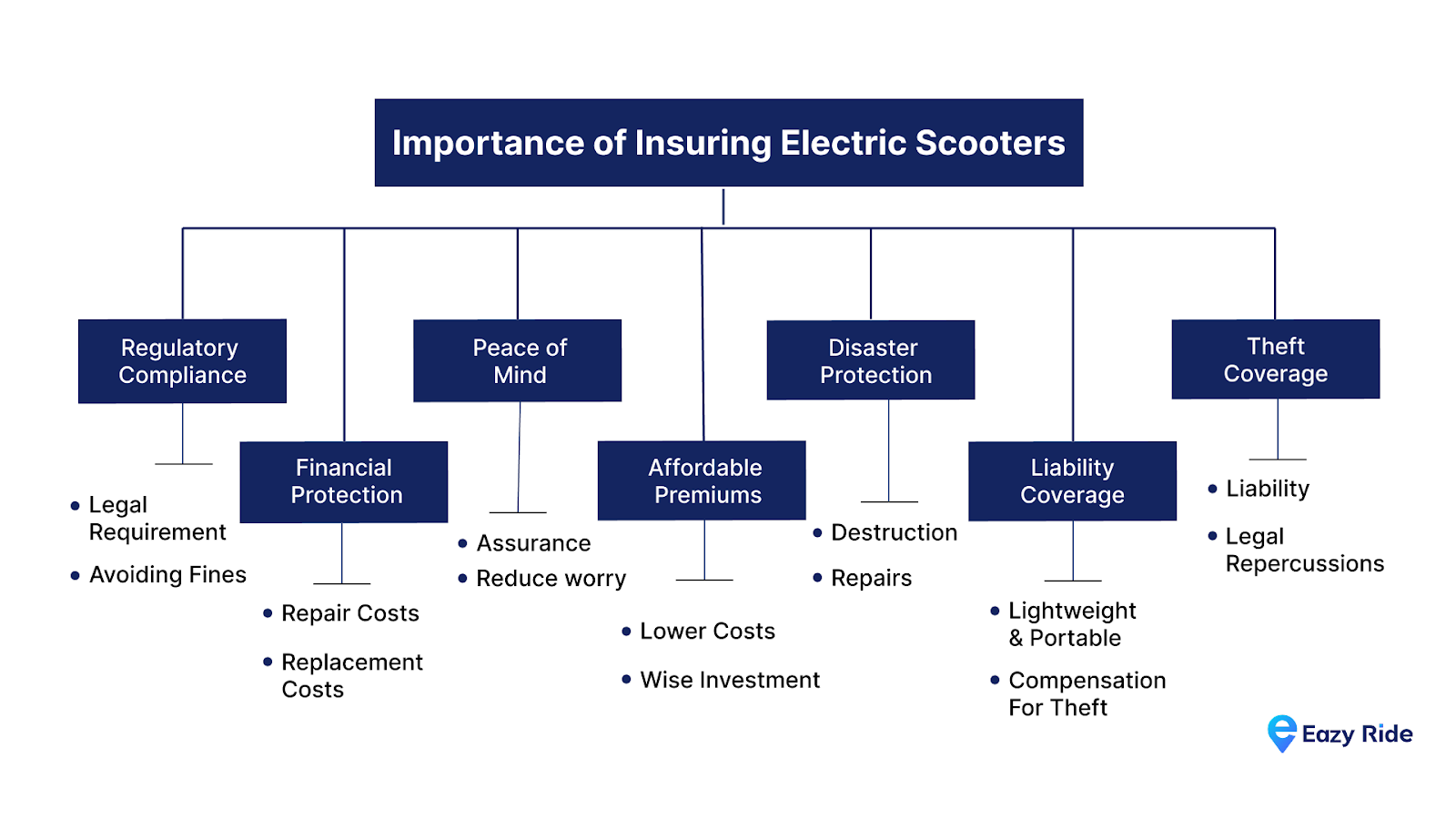
In most states, insurance for electric scooters isn’t legally mandated, especially for models under 50cc or with top speeds below 30 mph. For example, Texas mandates insurance for e-scooters with motor power of 750 watts or more. In contrast, California does not require insurance for scooters capable of exceeding 15 miles per hour. However, city and municipal regulations can vary, and some local governments have introduced stricter policies due to safety concerns.
Failing to stay updated with local rules could lead to unexpected fines or penalties.
A 2024 study by Columbia University revealed that injuries from e-bikes went up by 293% between 2019 and 2022, underscoring the importance of safety features, rider education, and responsible fleet management as micro-mobility adoption accelerates.
For rental scooters, some companies typically include basic liability coverage. However, fleet e-scooter owners might assume their renters’ insurance offers protection, but many policies explicitly exclude motorized vehicles like e-scooters.
Specialized insurance for electric scooters is increasingly available, offering comprehensive protection, including:
- Theft
- Collision
- Property damage
- Liability coverage.
These policies provide peace of mind and financial security in case of accidents or unexpected loss.
EazyRide includes geo-fencing and speed regulation tools, enabling operators to create no-ride zones and cap vehicle speeds, helping fleets stay compliant with local rules and reducing accident risk.
Let’s move to knowing what to do after an electric scooter accident takes place.
What to Do After a Rider-Involved Electric Scooter Accident
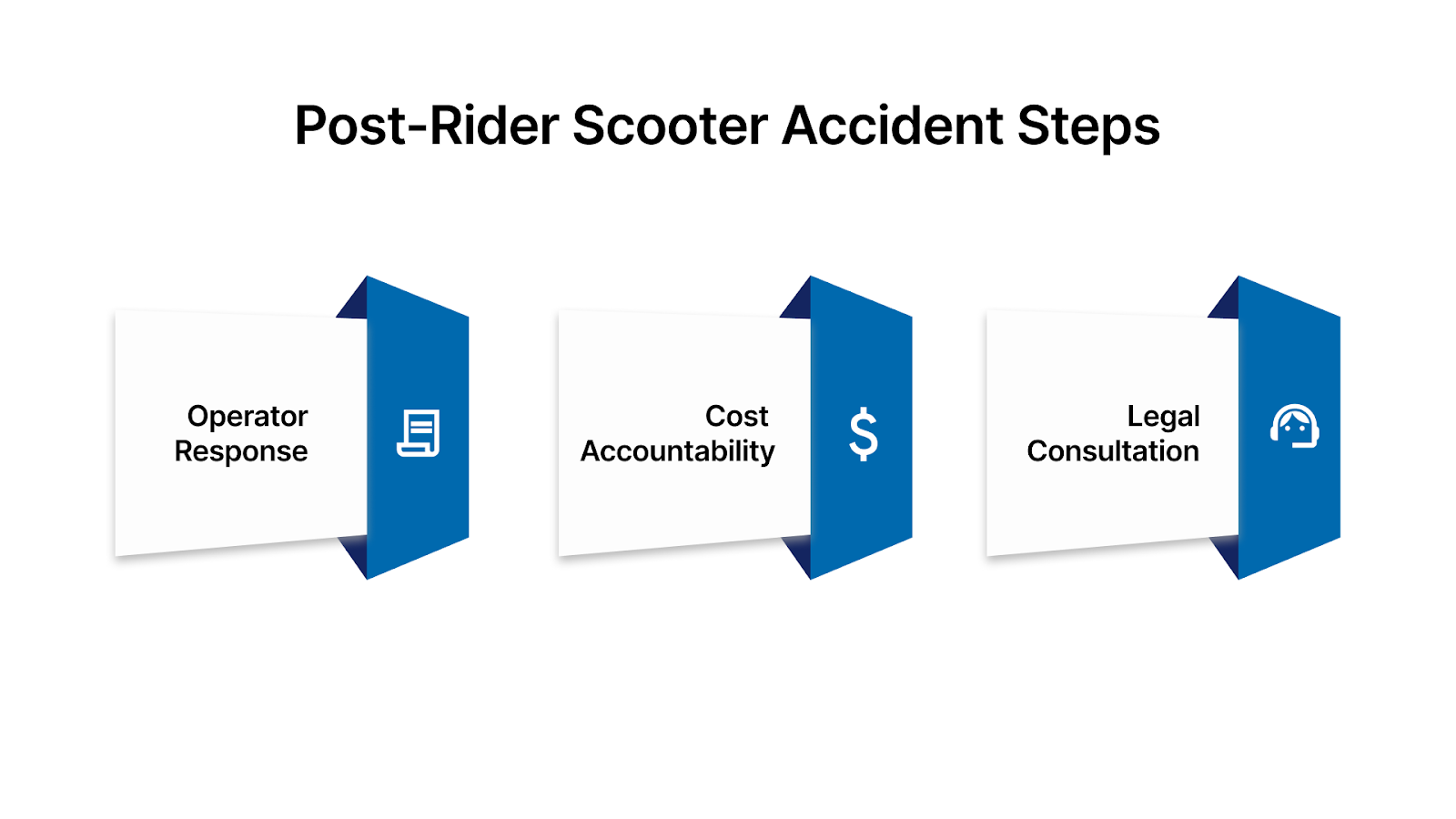
Even with proper safety measures, accidents can happen. When a rider using one of your scooters is involved in an incident, acting swiftly and responsibly helps minimize risk, ensures safety, and protects your business operations.
Immediate Actions for Fleet Operators
Rider Safety & Reporting:
- Assess for Injuries: Ensure the rider receives prompt medical attention.
- Alert Authorities: Encourage the rider to call 911 and file a police report.
- Document the Incident: Request photos of the scene and damage.
- Gather Witness Information: Assist riders in collecting contact details from involved parties or bystanders.
- Medical Follow-Up: Remind users that even minor injuries should be evaluated by a professional.
Platform-Supported Controls:
- Remote Scooter Deactivation: EazyRide allows you to remotely disable the affected vehicle immediately, preventing further damage, misuse, or liability exposure.
EazyRide supports remote vehicle control, so you can disable damaged scooters immediately to prevent further risk or tampering at the scene.
Understanding Cost Responsibility
Without proper insurance coverage in place, out-of-pocket expenses related to injuries, property damage, or legal claims may fall on your business. That’s why ensuring riders understand the terms of use and available coverage is critical.
When Legal Advice May Be Needed
In cases involving:
- Hit-and-Runs
- Collisions with Motor Vehicles
- Possible Equipment Malfunctions
As a fleet operator, you may need to consult with legal counsel to assess liability exposure, particularly if claims are made against your business or its equipment. A qualified attorney can guide you through documentation, rider waivers, and compliance requirements.
EazyRide enables secure rider verification, helping identify who was using the scooter at the time of the accident, which is critical when dealing with insurers, law enforcement, or attorneys.
Let’s discuss the cost of insurance for an electric scooter now.
How Much Does Electric Scooter Insurance Cost?
The cost of insuring an electric scooter varies based on several factors, including location, fleet size, scooter specifications, and the level of coverage chosen. On average, you can expect to pay between $75 and $200 annually for electric scooter insurance.
Typical Coverage Options and Costs
- Liability Coverage: Starting around $75 per year, this basic coverage protects against third-party injuries or property damage caused by your renter.
- Comprehensive and Collision Coverage: These policies, which cover theft, vandalism, and damage from collisions, generally begin around $100–$150 annually, depending on your scooter’s value and your rider’s profile.
- Premium Plans: For high-end models or renters seeking extensive protection, premiums can reach $200 or more per year, offering broader coverage options and lower deductibles.
What Affects Electric Scooter Insurance Rates?
Getting electric scooter insurance starts with understanding what impacts your premium. Insurers evaluate a mix of personal and vehicle details, including:
- Location: Operating in urban or high-theft areas usually means higher rates.
- Age of the rider: Younger riders may face steeper premiums.
- Make, model & value: High-end scooters cost more to repair or replace.
- Coverage type: Liability, collision, and comprehensive options all affect your quote.
- Deductibles & limits: Lower deductibles or higher limits = higher premiums.
- Vehicle details: Year, engine type (gas or electric), and modifications all matter.
- Usage type: Owning vs. renting changes the coverage you need.
EazyRide provides advanced GPS tracking and real-time location monitoring, helping you operate in high-theft or high-traffic zones with more confidence. Fleet managers can monitor risky areas and proactively adjust usage to avoid claim spikes tied to unsafe locations.
Some Must-Have Coverages
- Liability: Covers injury or property damage
- Theft & vandalism: Crucial in dense or tourist-heavy areas
- Collision: Covers accident-related repairs
- Personal injury: Helps pay medical bills
- Weather protection: Ideal if you operate in highly fluctuating weather regions
Understanding Key Types of Insurance Coverage for Electric Scooters
Operating a shared electric scooter fleet requires managing risk, protecting assets, and maintaining business continuity. Comprehensive insurance coverage plays a crucial role in shielding your fleet from liability, operational disruptions, and financial loss.
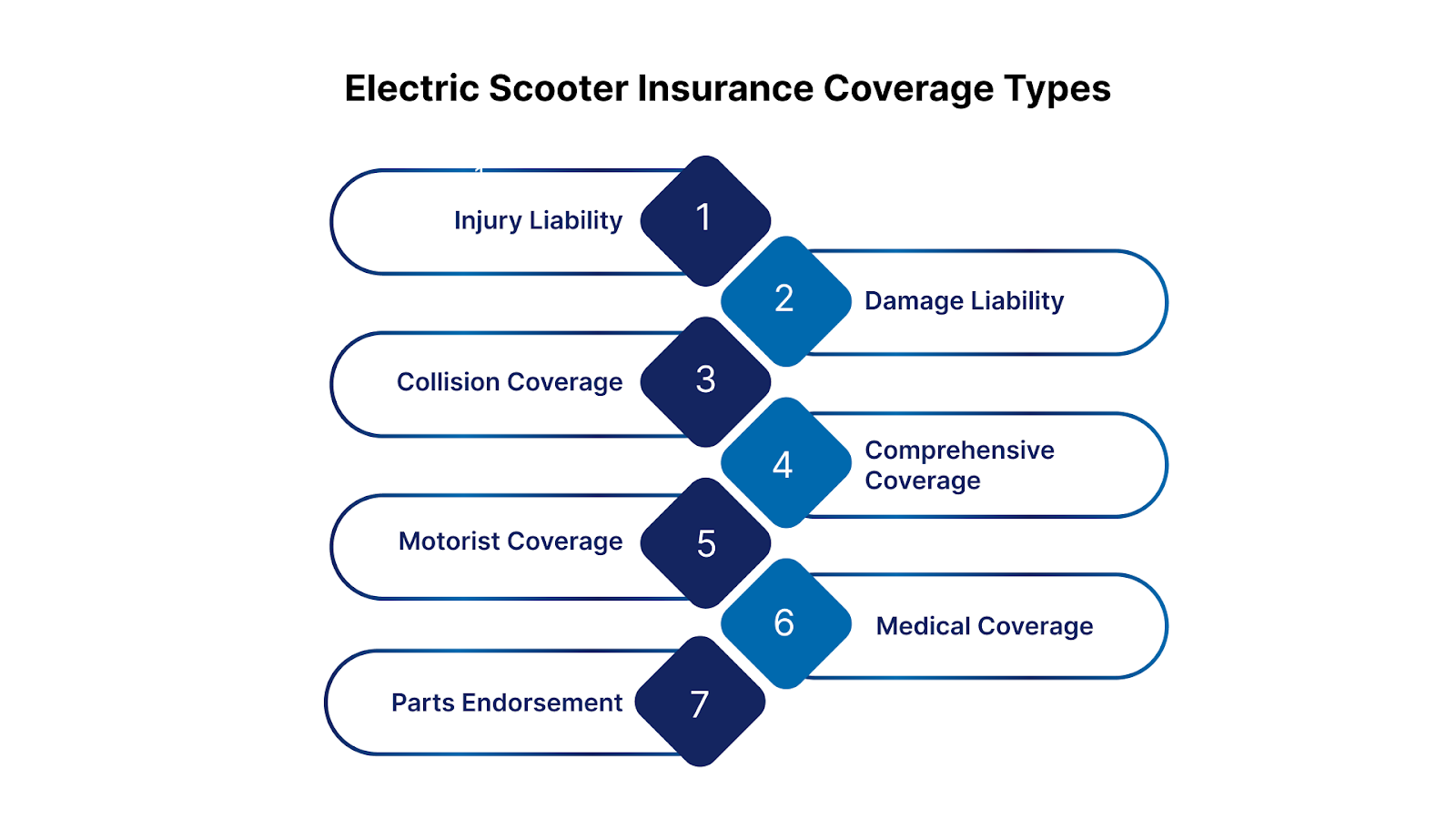
Below are the key types of insurance coverage that every micro-mobility fleet operator should consider when scaling or managing their e-scooter rental business:
1. Bodily Injury Liability
This coverage protects your business if a rider causes an accident that injures pedestrians, cyclists, or other road users. It helps cover third-party medical expenses, rehabilitation, legal fees, and even lost wages for the affected individual. Many states require this as part of minimum liability coverage. Without it, your company could face substantial out-of-pocket legal exposure.
2. Property Damage Liability
If one of your scooters causes damage to a parked car, storefront, public bench, or road infrastructure, property damage liability will cover the cost of repairs or replacement. It shields your business from lawsuits or municipal fines and is often a legal requirement for operating in public areas or participating in city-approved mobility programs.
3. Collision Coverage
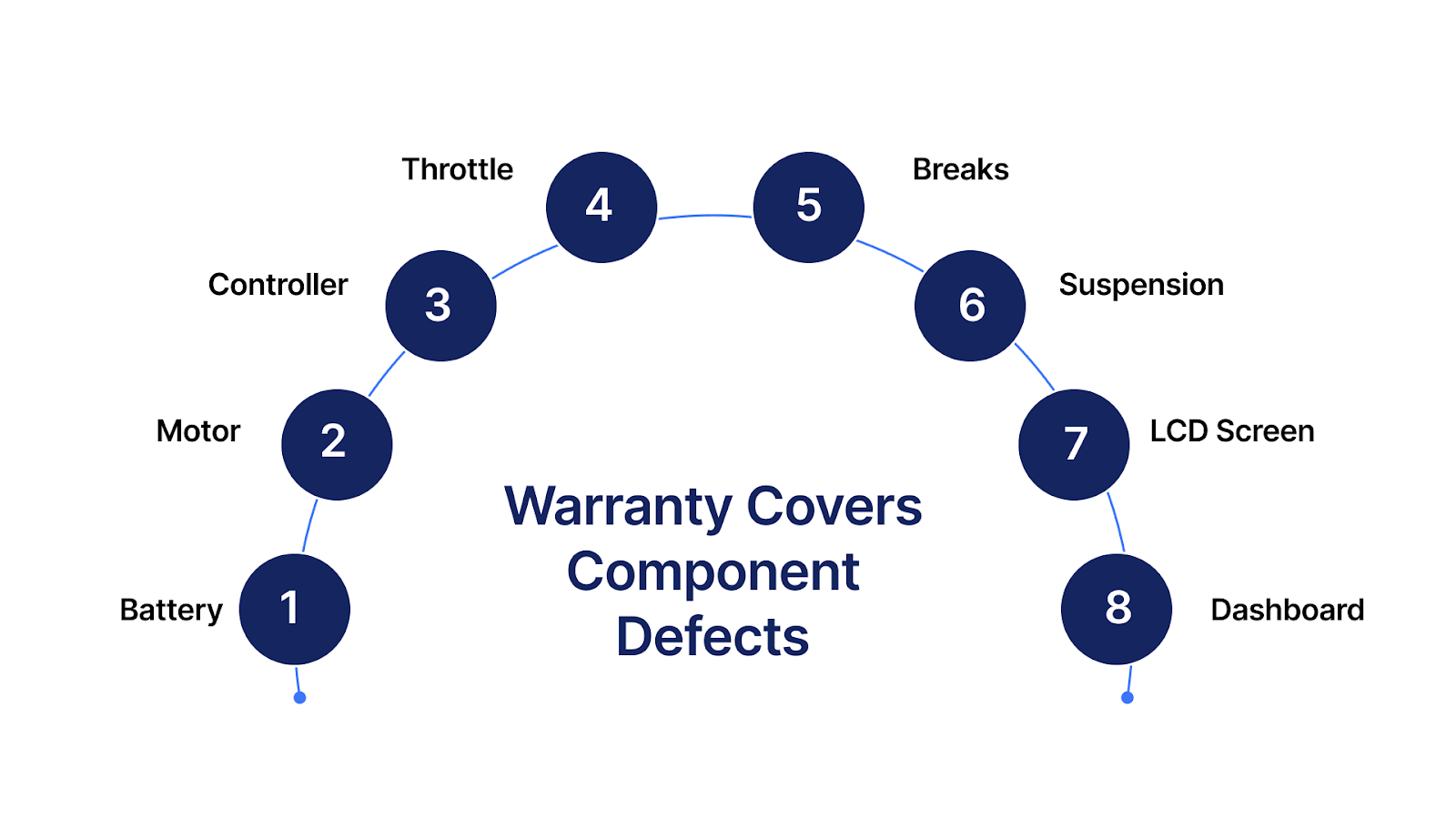
Whether a rider hits a vehicle, a curb, or crashes due to road debris, collision coverage pays for repair or replacement costs. This is especially critical if your scooters are leased or financed, where lenders require coverage to protect the asset. Many policies also include limited protection for damaged helmets or accessories.
EazyRide Advantage: Our platform provides real-time trip monitoring and GPS-backed ride histories, enabling you to document incidents for faster claims and more informed risk assessment.
4. Comprehensive Coverage
Theft, vandalism, fire, flooding, or other natural disasters can cause significant damage to fleets beyond the scope of daily operations. Comprehensive coverage fills this gap, offering protection for such risks. It often includes coverage for customized add-ons (like branding or tech integrations) and typically involves a deductible per claim.
EazyRide offers real-time trip tracking and ride history management, allowing you and your users to monitor past journeys, distances, and ride durations through a centralized dashboard. This visibility supports informed decisions post-incident and can aid in organizing details that may be helpful during insurance assessments.
5. Uninsured/Underinsured Motorist Coverage
If a scooter is involved in an accident caused by a third-party driver who lacks sufficient insurance—or any at all—this policy covers your damages. It ensures you’re not financially burdened by someone else’s lack of protection, covering costs like scooter repairs and potential injury-related expenses for your riders.
6. Medical Payments (Personal Injury Protection)
This coverage pays for medical expenses incurred by your riders or involved third parties, regardless of who was at fault. It can include ambulance fees, hospital bills, and even lost income if the rider is unable to return to work immediately. This layer of protection helps maintain customer trust and ensures you’re prepared for worst-case scenarios.
7. OEM Parts Endorsement
If your fleet includes premium models, OEM parts coverage ensures that any repairs are done using original parts from the scooter manufacturer, preserving ride quality, safety, and long-term durability. If OEM parts are unavailable, insurers typically offer replacements of equivalent market value. This helps avoid performance issues and extends vehicle lifespan.
E-Scooter Licensing, Registration & Legal Requirements
Rules for electric scooters vary by state and locality, affecting licensing, registration, and riding regulations. For example, Colorado does not require licenses or registration for most e-scooters, but “low-power scooters” need both. Checking your state’s DMV or consulting a local attorney helps clarify what applies to you.
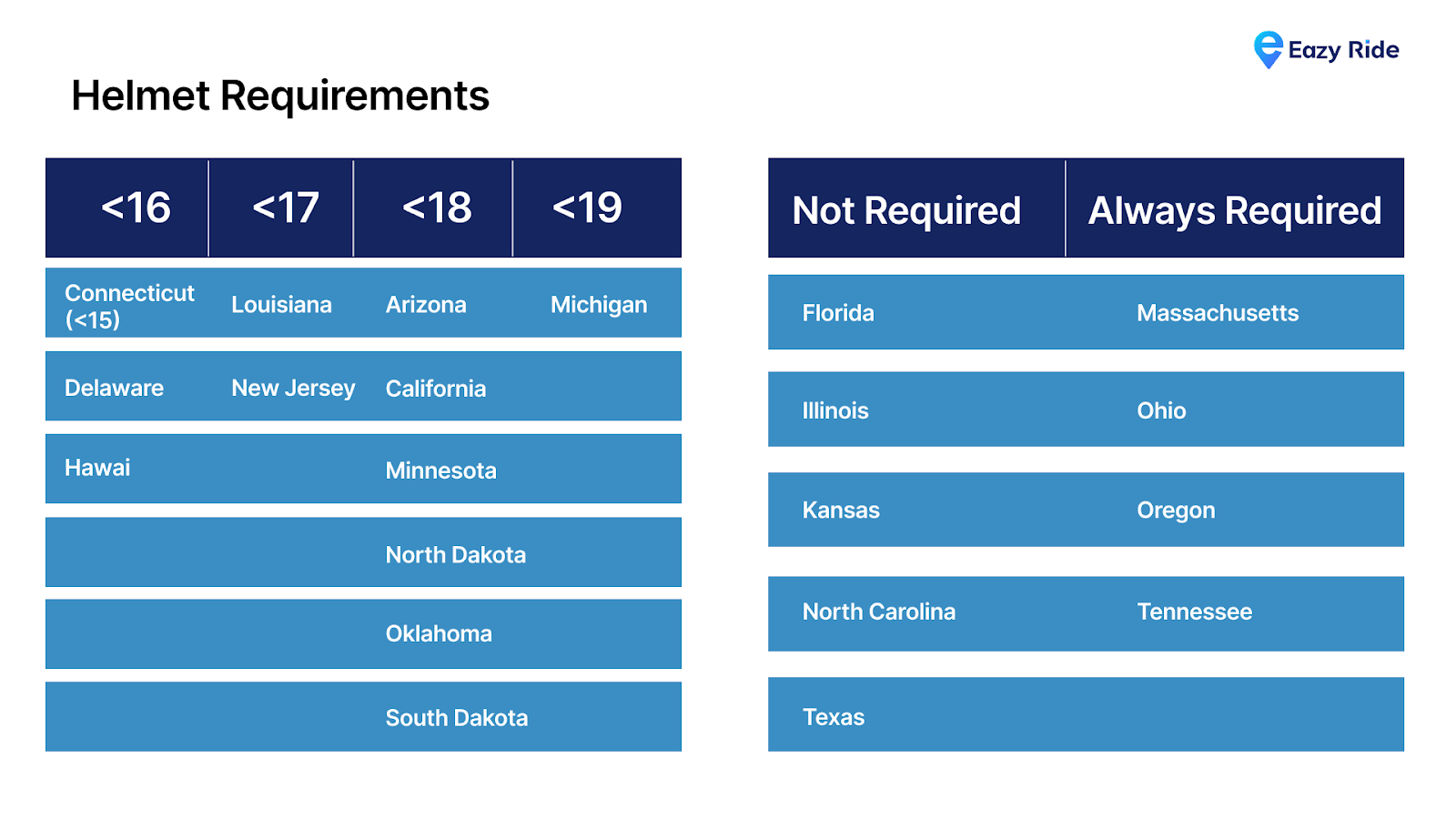
Many states restrict e-scooters on sidewalks, like California, where riding on sidewalks is prohibited except to park or access streets. Helmet laws also differ; California mandates helmets for riders under 18, while some states defer to local bike helmet rules.
Speed limits and age restrictions vary, too. Virginia caps e-scooters at 20 MPH, with minors often requiring adult supervision. In California, scooters max out at 15 MPH and must obey traffic laws like motor vehicles.
Be aware of the fact that some cities may soon mandate insurance for electric scooters, making coverage a smart choice.
Conclusion
Insurance is a strategic layer of protection for fleet operators, not just a regulatory checkbox. The right insurance safeguards your business against liability claims, vehicle theft, rider injuries, and unforeseen operational disruptions, regardless of whether coverage is legally required in your operating region.
As you scale your electric scooter rental services, choosing policies that align with your usage volume, risk exposure, and local compliance requirements ensures your fleet stays protected and your finances remain secure. Striking the right balance between cost-effective premiums and comprehensive coverage allows you to operate confidently, build trust with stakeholders, and respond swiftly when incidents occur.
Ready to protect your fleet and streamline risk management?
EazyRide equips you with tools like real-time trip tracking, remote vehicle control, and rider verification, making insurance processes simpler and safer. Contact us or schedule a demo today to see how EazyRide can support your e-scooter operations with smarter, safer ride management.
FAQs
1. Does renters’ insurance cover stolen scooters?
Most renters’ insurance policies cover the theft of bicycles, including e-bikes and scooters, as long as it’s clearly stated in the policy. However, it’s essential to check the specific terms, as not all plans will cover these types of vehicles.
2. How much does insurance pay for a stolen motorcycle?
Comprehensive insurance can reimburse you for the actual cash value of your stolen motorcycle, minus any deductible. This provides financial protection and peace of mind if your motorcycle is not recovered.
3. Can electric scooters be tracked?
Yes, many modern electric scooters are equipped with GPS modules. This allows for accurate tracking in case of theft, as well as helps in route planning and monitoring the scooter’s usage.
4. What are the risks of electric scooters?
Common injuries from electric scooters include cuts, fractures, and head injuries, often caused by accidents involving motor vehicles or user control issues. Some of these injuries can be quite severe.
5. Are electric scooters high maintenance?
Electric scooters, like any vehicle, require regular maintenance for optimal performance and safety. Routine care ensures smooth operation, efficient energy use, and a longer lifespan.


