
 AllSharing business

 20 June, 2025
 Why All Fleets Should Embrace Automation: Key Benefits Explained
Is your fleet holding you back without you even realizing it?
Manual fleet management might feel familiar, but it’s often the hidden source of rising costs, wasted time, and operational headaches. Delayed deliveries, fuel inefficiencies, and scattered maintenance schedules are no longer just small issues—they’re signs that traditional systems are no longer enough.
Forward-thinking fleet managers are now turning to automation. According to a recent study, using telematics and fleet software can cut costs, improve fuel usage, optimize routes, and support sustainability efforts.
Managing a fleet today means staying ahead of constant challenges. Automated systems help by offering real-time tracking, predictive alerts, and centralized control. This shift allows you to focus less on putting out fires and more on growing your business.
In this blog, you’ll discover how automated fleet management works, why it’s quickly becoming the new standard, and how it can help transform your operations from reactive to strategic.
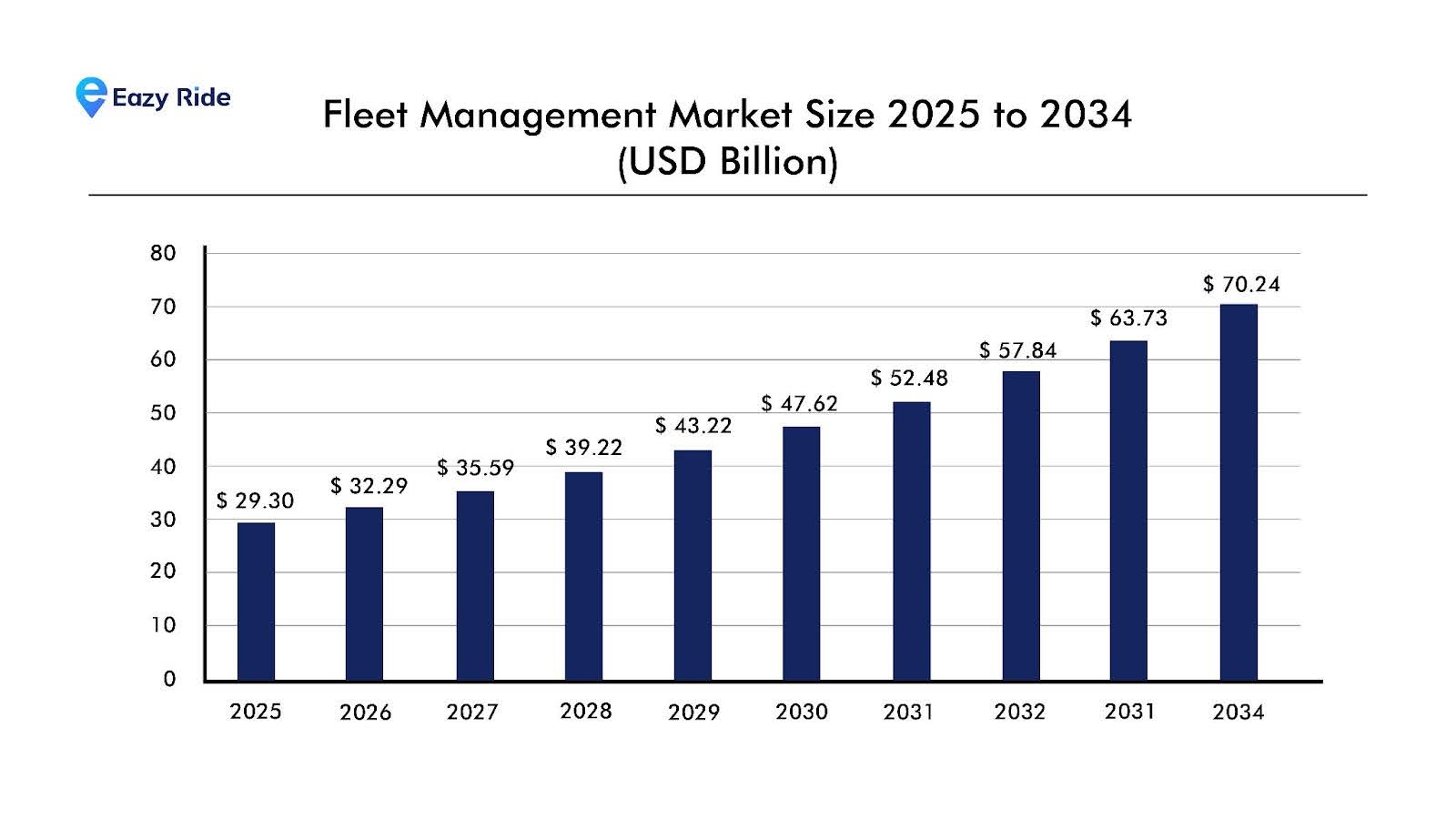
Introduction to Automated Fleet Management
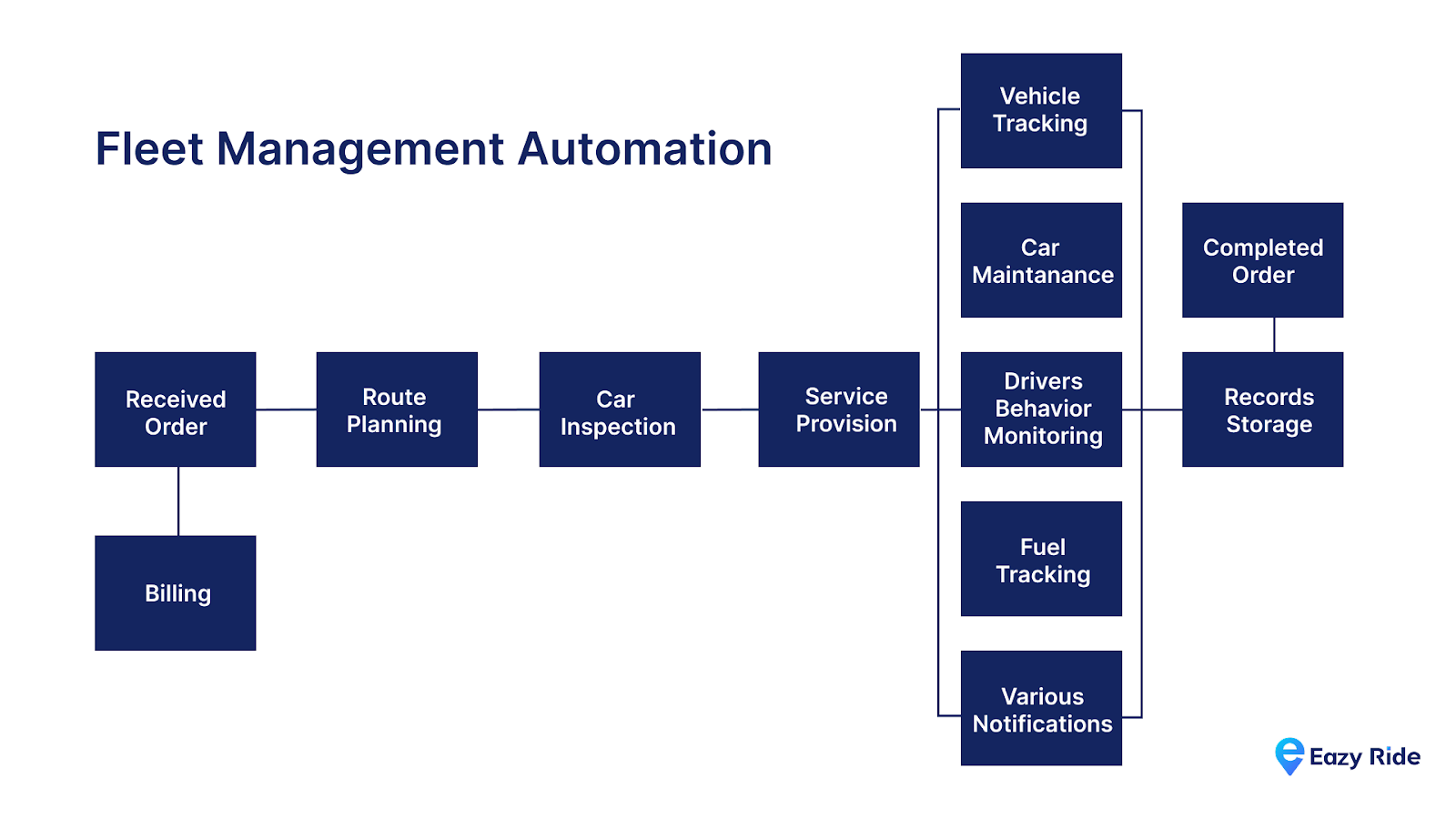
Fleet automation is a comprehensive approach that integrates advanced technologies, including IoT, AI, GPS, and specialized software, to streamline and optimize fleet management operations. It transforms complex, time-consuming tasks into automated workflows, enabling businesses to improve efficiency and gain a competitive edge.
Modern fleets are diverse, ranging from freight and delivery vehicles to rental and e-mobility fleets, each facing operational challenges like high admin workload, limited visibility into daily fleet activities, driver safety concerns, and vehicle maintenance complexities.
As fleet automation advances from basic IoT to AI-driven predictions, it enables autonomous operations and raises expectations for smooth, efficient, and reliable mobility services.
How Does Automated Fleet Management Work?
Automated fleet management leverages a centralized platform that aggregates data from multiple systems to provide you with a single source of truth. This system enables real-time monitoring of fleet status and performance across all vehicles and drivers while automating tasks such as maintenance scheduling, compliance tracking, and reporting.
Its key capabilities include:
- Real-time vehicle tracking using GPS and IoT devices
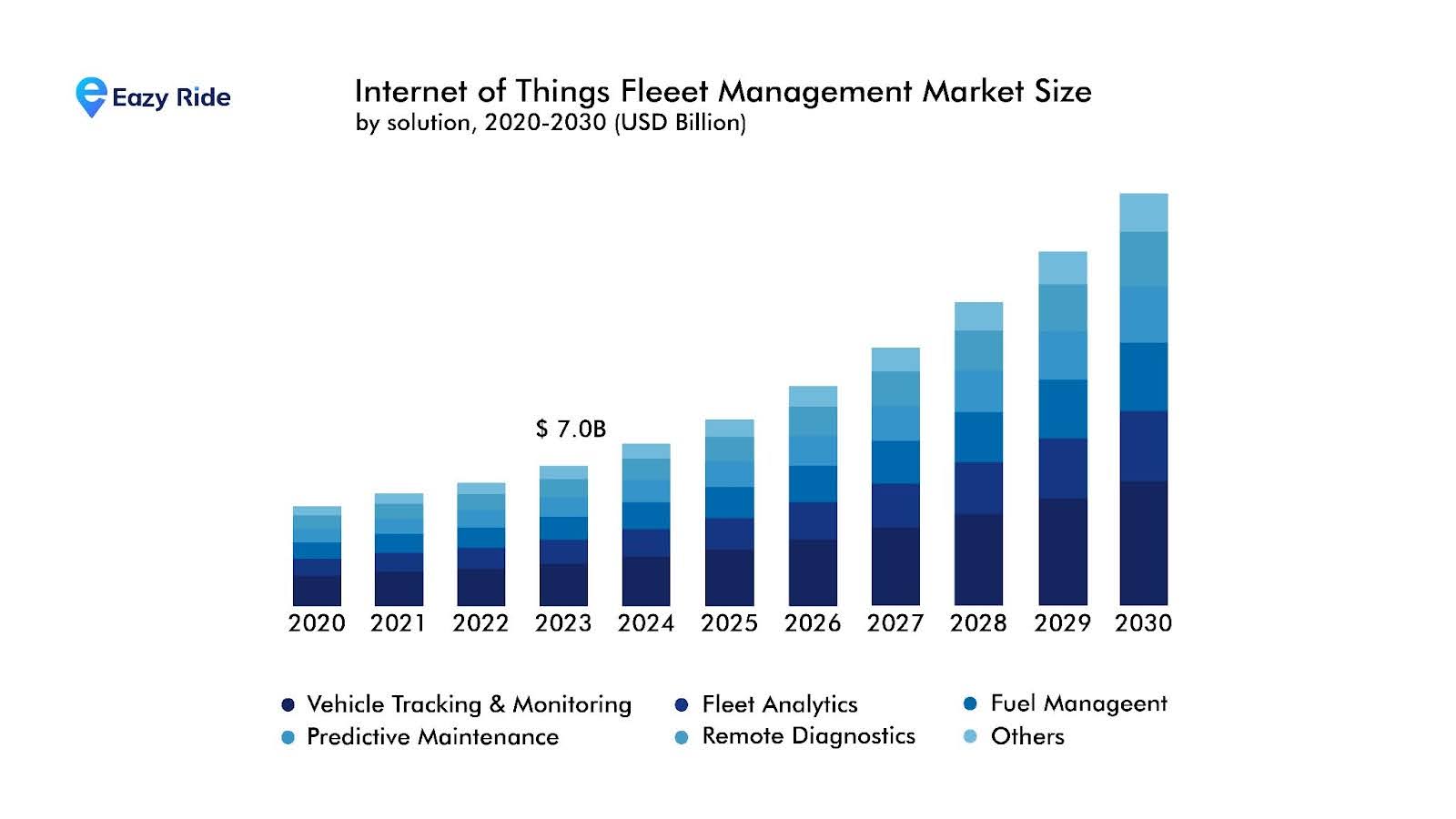
- Predictive maintenance alerts to reduce downtime
You can master the art of real-time fleet oversight with EazyRide’s Real-Time Vehicle Monitoring feature. With this feature, you can monitor vehicle locations, performance, and health at your fingertips to ensure an effortless and responsive operational ecosystem.
- Automated reporting such as:
- Virtual time cards
- Maintenance and fueling event reports
- Geofence entry and exit notifications
- Customizable alerts for events like harsh braking, speeding, or unauthorized movements
These automated notifications enable you to act promptly, improving safety and operational control. For instance, as a manager, you can:
- Identify inefficient driver behaviors
- Prevent unauthorized vehicle use
- Schedule maintenance proactively
Traditional vs. Automated Fleet Management
To understand traditional vs. automated fleet management, let’s consider the table below, highlighting their key differences.
| Traditional Fleet Management | Automated Fleet Management |
|---|---|
| Relies on manual tracking, spreadsheets, and disconnected systems | Centralizes data and automates workflows |
| Leads to inefficiencies and errors | Provides real-time visibility across vehicles, drivers, and locations |
| Increases operational costs | Streamlines decision-making with data-driven insights |
| Causes delays in maintenance and compliance | Reduces administrative burden and operational risks |
Automated fleet management acts as a “watchdog” system, consolidating fleet information into a single platform and delivering actionable insights that help you maintain a clear overview of the bigger picture.
You can effortlessly oversee your entire fleet with EazyRide and its Vehicle Management feature. From vehicle allocation to maintenance tracking, maintain full control over your assets and ensure consistent availability for riders.
Transforming Your Fleet with Automation: Key Benefits
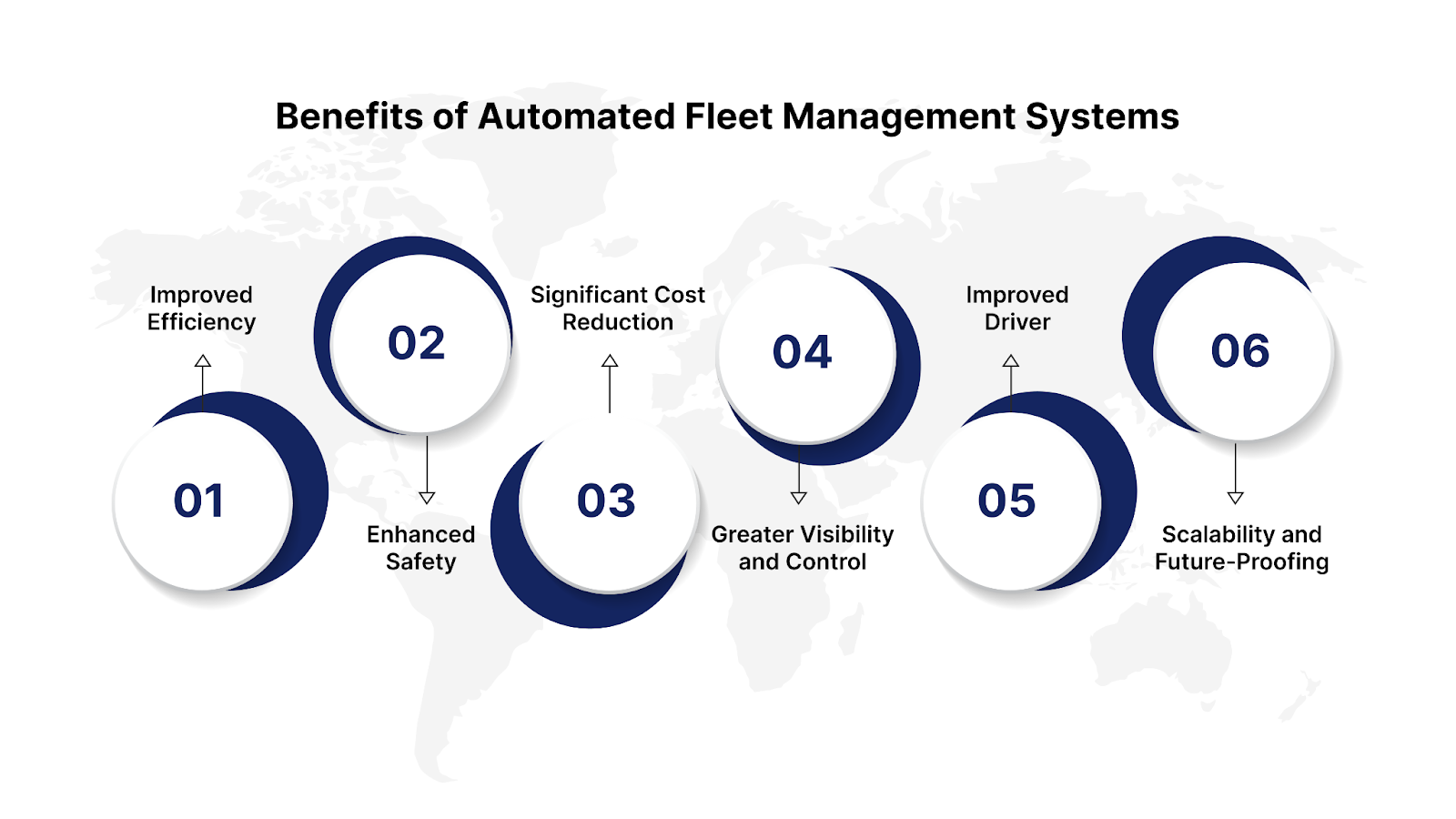
Automating fleet management transforms how your business operates, delivering measurable improvements across efficiency, safety, costs, and control. Here are the key benefits that make automated fleet management indispensable:
1. Improved Efficiency
- Optimized Routing & Asset Utilization: Automated fleet management systems use AI and GPS to calculate the most efficient routes, reducing your fuel consumption and improving fleet productivity. These systems adjust in real-time to traffic conditions, ensuring timely deliveries and reducing idle time.
- Workflow Automation: By automating routine tasks such as scheduling, data entry, and reporting, you are freed from administrative work. Software tools handle these tasks automatically, reducing human error and allowing your team to focus on strategic activities.
- Relevant Data Filtering: Automated systems employ algorithms to sift through large amounts of data, presenting only actionable insights. This reduces your hours spent sorting through irrelevant information, helping you make faster decisions.
2. Enhanced Safety
- Real-Time Monitoring of Driver Behavior: Telemetry systems embedded in vehicles continuously track driver actions, such as speed, braking, and acceleration. This data allows for real-time monitoring and alerts, enabling you to address unsafe behaviors before they lead to accidents.
- Proactive Alerts: Automated systems set up predictive alerts for potential safety issues. For example, if one of your drivers is consistently driving over the speed limit, the system sends an instant notification to the fleet manager, enabling them to intervene quickly and reduce the likelihood of accidents.
- Regulatory Compliance: Automated fleet systems automatically track maintenance schedules, driver hours, and vehicle inspections. These systems ensure that you’re always compliant with safety regulations by generating alerts when inspections or maintenance are due, preventing compliance violations.
Discover EazyRide’s advanced analytics reporting and geofencing tools designed to keep your fleet insightful & efficient.
3. Significant Cost Reduction
- Fuel and Maintenance Savings: Automation optimizes routes and schedules, reducing fuel consumption and extending vehicle life. Predictive maintenance identifies wear and tear early, allowing you to address potential issues before they lead to expensive repairs
- Lower Administrative Expenses: Automating data entry and reporting processes reduces the need for additional staff and minimizes errors in paperwork. These systems can cut administrative labor costs by a significant mark, making fleet operations more cost-effective.
- Risk Mitigation: By automating compliance and safety monitoring, the risk of accidents, fines, and insurance claims is reduced. This improves safety and lowers accident-related expenses, helping to reduce your fleet operating costs overall.
4. Greater Visibility and Control
- Comprehensive Real-Time Fleet Monitoring: Automated fleet systems provide centralized, real-time visibility into vehicle locations, driver behavior, and asset usage. This centralized data allows you to make informed decisions, addressing inefficiencies or malfunctions in your fleet.
- Improved Scheduling: Automation removes the guesswork from maintenance and task scheduling, ensuring that each task is completed on time. With automated scheduling, you can prevent delays and ensure vehicles are always operational.
- Data-Driven Insights: By continuously collecting and analyzing fleet data, automated systems provide valuable insights into performance trends, inefficiencies, and opportunities for improvement. You can use this data to optimize route planning, fuel usage, and vehicle performance.
5. Improved Driver and Vehicle Performance
- Continuous Feedback for Drivers: Automated systems provide drivers with continuous feedback on their performance, such as alerts for unsafe driving behaviors. This constant feedback loop helps improve driver habits over time, increasing safety and reducing fleet-related accidents.
- Operational Transparency: With real-time access to driver and vehicle data, you gain full transparency into fleet performance. This enables better risk management, improved scheduling, and enhanced accountability, ensuring that both drivers and vehicles are performing optimally.
6. Scalability and Future-Proofing
- Flexible Growth: Automated systems are scalable, allowing you to expand your fleet and operations seamlessly without increasing administrative complexity. As your fleet grows, automation ensures that every vehicle is managed efficiently, from dispatching to maintenance.
- Innovation Driver: As fleet automation evolves, new technologies like AI and predictive analytics continue to drive efficiency improvements. By staying up-to-date with these advancements, your business can continuously innovate, ensuring that your fleet management system remains on top of the future trends.
By adopting automated fleet management, you enable your business to move faster, safer, and more cost-effectively, setting the stage for sustainable growth and competitive advantage.
Implementing Automated Fleet Management: A Step-by-Step Guide
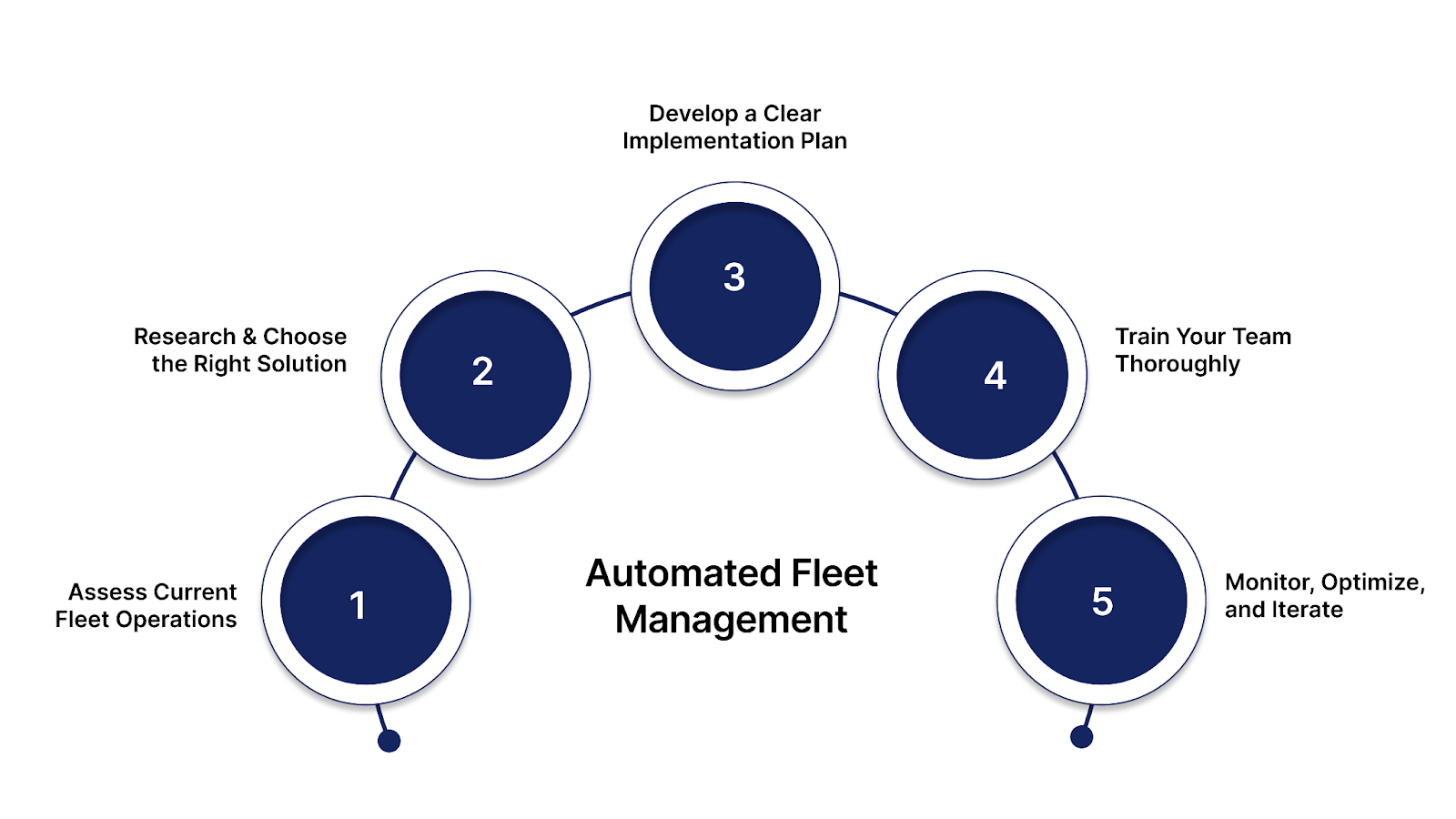
Implementing automated fleet management is not a one-size-fits-all process. Each business has unique needs, and success requires a strategic, tailored approach. Here’s a straightforward roadmap to help you deploy automation effectively:
1. Assess Your Current Fleet Operations
Start by understanding the unique challenges and goals that your fleet faces. Analyze the size of your fleet, its operational complexities, existing technologies, and workflows.
To get started, you can focus on the following:
- Set Clear Goals: Define your automation objectives, whether it’s reducing fuel costs, improving route optimization, or ensuring compliance.
- Pinpoint Inefficiencies: Identify areas where manual processes, such as fuel reconciliation or tracking driver behavior, are slowing down operations. This way, you become aware of what needs automation.
- Evaluate Your Fleet’s Needs: Consider your fleet size and the unique challenges you face, whether that’s maintaining vehicles, improving route planning, or ensuring compliance.
2. Research and Choose the Right Solution
Next, evaluate fleet automation solutions that fit your requirements, budget, and integration needs. You want a solution that can seamlessly integrate with your current systems and is flexible enough to grow with your business.
- Feature Matching: Identify key features such as GPS tracking, predictive maintenance, or AI-powered insights that align with your fleet’s needs.
- Evaluate Budget and Integration: Assess if the solution fits within your budget and integrates smoothly with your existing technology and workflows.
- Consider Vendor Support: Ensure the vendor offers strong onboarding, training, and continuous support to assist with system adoption and troubleshooting.
For seamless onboarding & unparalleled support, pair up with EazyRide
3. Develop a Clear Implementation Plan
Once you’ve selected a solution, work with your chosen vendor to develop a detailed implementation plan. Set the track for a smooth transition by developing these aspects:
- Prepare Your Fleet: Install necessary hardware and ensure vehicles are ready to be integrated into your new automated system.
- Prepare Your Staff: Identify workflow changes and operational policy adjustments needed to support the new system you have set in or adopted.
4. Train Your Team Thoroughly
Training is critical. Provide hands-on training for your fleet managers, drivers, and other stakeholders to ensure comfort and confidence in using the new system. Let everyone, from managers to drivers, know their responsibilities and how their daily tasks will change with the new system.
- Role-Specific Training: Tailor training sessions for different roles, from fleet managers to drivers, to ensure everyone knows how the system impacts their daily tasks.
- Ongoing Support: Provide continuous access to training resources, troubleshooting guides, and customer support to help staff stay up-to-date and confident in using the system.
- Clear Communication: Regularly communicate the benefits of the system and how it improves daily operations, helping staff understand the long-term value of automation.
5. Monitor, Optimize, and Iterate
After deployment, continuously monitor system performance and fleet metrics such as fuel efficiency, maintenance costs, and safety incidents. Regular monitoring ensures that the system is meeting your goals and helps identify areas for ongoing improvement.
- Track Key Performance Indicators (KPIs): Monitor metrics such as fuel usage, driver behavior, and vehicle performance to spot areas needing improvement.
- Data-Driven Optimization: Use real-time data to fine-tune routes, improve maintenance scheduling, and adjust operations for greater efficiency.
- Vendor Engagement: Stay in contact with your vendor for updates, new features, and best practices to continuously improve your fleet’s automation system.
Adopting these steps ensures a smooth transition to automated fleet management, delivering improved efficiency, safety, and cost savings while future-proofing your operations.
Ready to Upgrade Your Fleet Management System with EazyRide?
Elevate your fleet management with EazyRide’s easy-to-use, comprehensive platform designed for micro-mobility businesses and fleet operators. Our solution empowers you with:
- White-label Rider & Operator Apps: Fully customizable mobile and web apps that streamline vehicle locating, unlocking, ride management, and operator workflows, branded to your business.
- Real-Time Fleet Monitoring: Track vehicles live with GPS and gain insights from AI-powered analytics and heatmaps to optimize operational efficiency.
- Advanced Geofencing & Zonal Controls: Effortlessly set up virtual boundaries, parking zones, speed limits, and ensure regulatory compliance.
- Fleet Operations Management: Automate task assignments for rebalancing, charging, and maintenance with dedicated apps that keep your team productive.
- Dynamic Pricing & Promotions: Maximize revenue through demand-based pricing and integrated promotional campaigns, all managed from one dashboard.
- Scalable & Flexible Business Models: Support for station-based, free-floating, or hybrid fleet operations, adaptable to diverse markets and customer needs.
- Robust Admin Dashboard: Easily manage users, vehicles, payments, and service levels through an intuitive, centralized web portal.

See how EazyRide can revolutionize your fleet operations. Contact us or book a demo today and discover the future of your fleet management!
FAQs
1. What technologies are shaping fleet management today?
Fleet management is increasingly powered by cutting-edge technologies like the Internet of Things (IoT), artificial intelligence (AI), cloud computing, and advanced sensors. These tools enable real-time vehicle tracking, predictive maintenance, and enhanced driver safety, helping fleets operate more efficiently and reduce downtime.
2. How does artificial intelligence improve fleet management?
AI enhances fleet management by automatically gathering and analyzing data to ensure compliance with regulations and avoid penalties. It helps identify potential problems early through continuous monitoring of key metrics, allowing fleet managers to act proactively and maintain smooth operations.
3. What does remote fleet management involve?
Remote fleet management uses technology to oversee vehicles and drivers from any location. It provides you with real-time updates and vital information, ensuring you stay connected with your teams and can respond promptly to operational needs without being physically present.
4. What is meant by smart fleet management?
Smart fleet management refers to software solutions that offer comprehensive control over fleet operations. These platforms consolidate data on vehicle routes, maintenance schedules, fuel consumption, and operational costs, enabling managers to optimize performance and make informed decisions.
5. Is managing a fleet a challenging task?
Yes, managing a fleet involves more than just tracking vehicles and drivers. It requires a deep understanding of logistics, compliance, maintenance, and resource optimization to ensure that operations run smoothly and cost-effectively.


